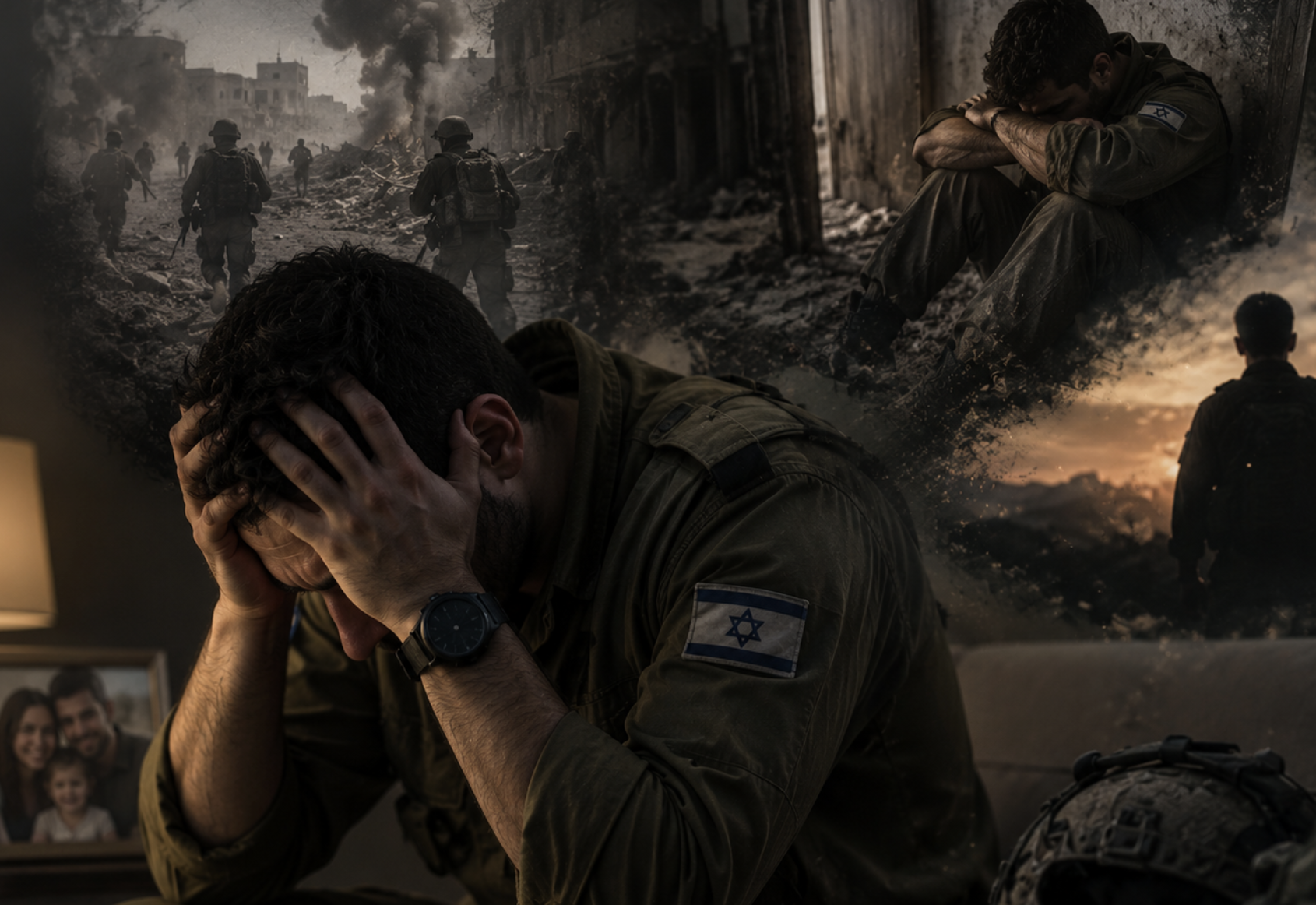
A family can survive the first siren, the first night in a shelter, even the first terrible phone call – and still carry the shock for months after the headlines fade. If you want to help Israel trauma victims, that is the reality to understand first. Trauma does not end when the attack ends. It keeps showing up in sleep disruption, panic, withdrawal, hypervigilance, grief, and the slow erosion of daily life.
That is why trauma response cannot be treated as a soft follow-up to a hard security crisis. It is part of the crisis. Civilians, children, first responders, reservists, and families under sustained threat need care that moves at the same speed as the emergency itself. Delay has a cost. Bureaucracy has a cost. Waiting for people to unravel before offering treatment has a cost too.
What it really means to help Israel trauma victims
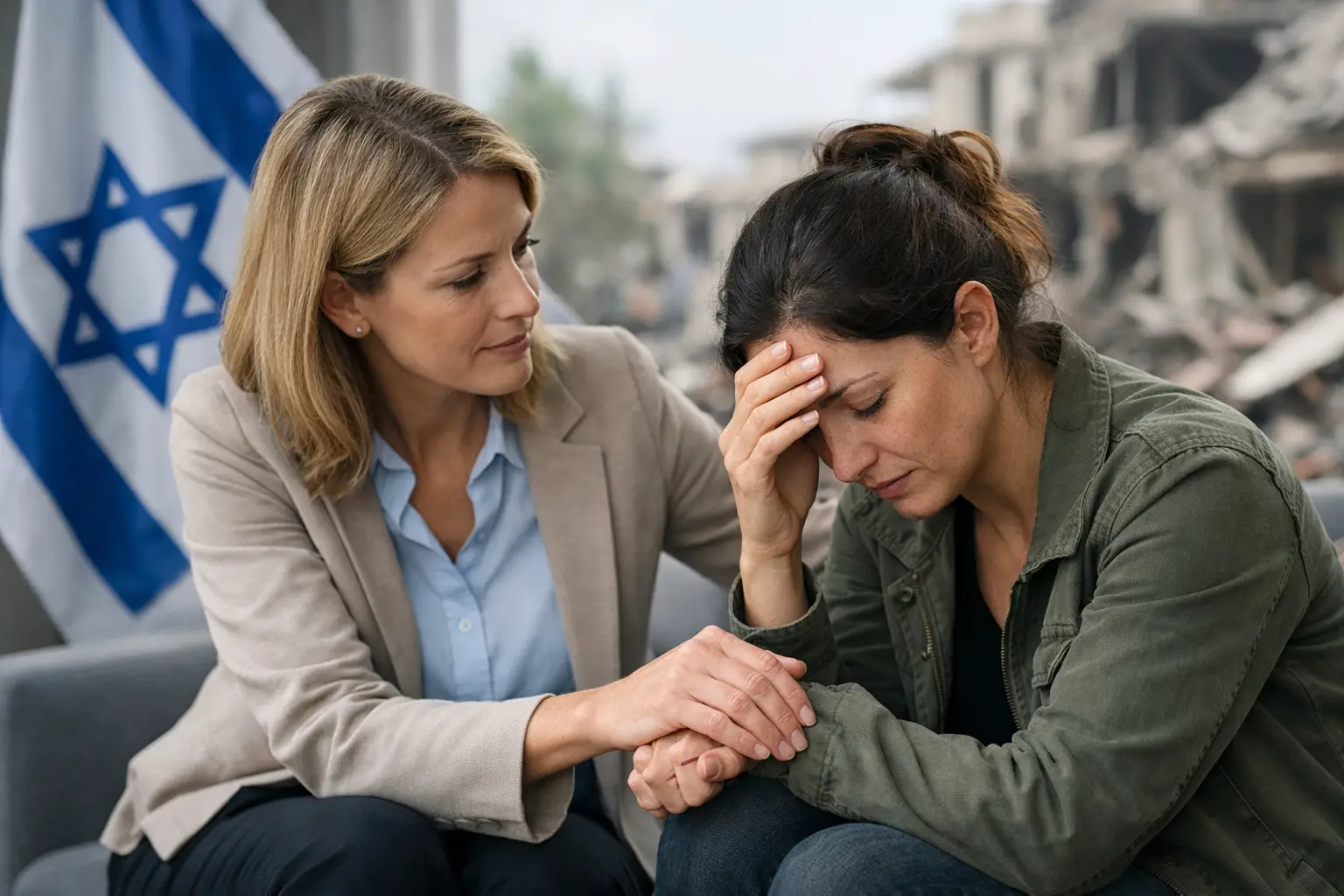
The phrase sounds simple, but effective help is specific. It means funding immediate psychological first aid after attacks or rocket fire. It means expanding access to licensed trauma therapists, telehealth treatment, PTSD interventions, and community resiliency centers that can absorb sudden spikes in need. It also means supporting the infrastructure around that care so people can actually receive it quickly.
For some victims, the right intervention is a rapid telehealth session within days of an incident. For others, it is longer-term therapy, family counseling, medication support, or a structured PTSD program. Children may need age-specific care, school-based support, and help for parents who are trying to stabilize a home while managing their own fear. Frontline defenders and emergency personnel often need confidential, fast-access treatment that respects the operational demands of their roles.
The lesson is straightforward. Trauma care is not one-size-fits-all, and real support is built around speed, fit, and continuity.
Why fast trauma care matters so much
In crisis environments, timing shapes outcomes. Early intervention does not erase what happened, but it can reduce the risk that acute stress hardens into long-term injury. When care is accessible in the first days and weeks, people are more likely to stay connected to work, family, school, and community. That matters for the individual, and it matters for national resilience.
There is also a moral point here. People who have just endured terror should not have to fight another battle just to find treatment. They should not face long wait times, confusing systems, or funding gaps while symptoms escalate. The most effective supporters understand that urgent care includes the mind as much as the body.
This is where disciplined philanthropy makes a difference. Money that moves quickly, through vetted channels and toward clearly defined needs, can place trauma professionals where demand is highest, expand telehealth capacity, and keep treatment accessible when local systems are under pressure.
The most effective ways to help Israel trauma victims
The strongest support is not always the loudest. It is the support that reaches the right people, at the right time, with the right tools.
Direct funding for trauma treatment is one of the clearest forms of impact. That can include crisis counseling, PTSD therapy, telehealth access, and support for resiliency centers serving communities under threat. These services often need rapid scaling after attacks, and that scaling requires immediate resources, not delayed pledges.
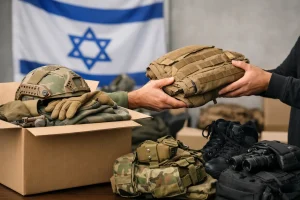
Support for protective equipment also matters, even if it seems separate from trauma care at first glance. Helmets, ballistic vests, IFAK kits, surveillance systems, drones, and thermal cameras help reduce exposure, improve response time, and strengthen civilian and defender safety. Prevention and protection are part of trauma reduction. Fewer casualties and faster response can lessen both physical harm and psychological fallout.
Community-based recovery support deserves attention too. Trauma does not only affect isolated individuals. It hits families, schools, neighborhoods, and local institutions. Funding group support, school interventions, family stabilization, and culturally competent care helps entire communities recover with more strength and less fragmentation.
Volunteering and advocacy can help, but only when they reinforce operational needs instead of distracting from them. In high-stakes settings, good intentions are not enough. The question is whether your effort increases capacity, awareness, or funding in a measurable way.
How to choose where your support goes
If you want to help Israel trauma victims well, ask hard questions. Speed matters, but so does accountability. A credible organization should be able to explain what need it identified, how it sourced the solution, and how it delivered that support on the ground.
Look for clarity around outcomes. Are funds supporting trauma therapists, telehealth sessions, PTSD treatment pathways, resiliency centers, or emergency mental health services? Can the organization explain how quickly resources are deployed and who benefits from them? Can it show operational discipline instead of relying on vague promises?
It also helps to understand the trade-off between broad humanitarian appeals and targeted intervention. Broad appeals can raise awareness, but targeted giving often produces more visible results. If your goal is impact, specificity usually wins. That does not mean every narrowly defined project is automatically better. It means the strongest initiatives know exactly what problem they are solving.
For donors who care about execution, this is where organizations built for fast response stand apart. Israel Friends, for example, operates with a direct, define-source-deliver approach that fits both emergency protection and trauma recovery. That model matters because every hour saved in a crisis can translate into lives stabilized, treatment accelerated, and families supported before the damage compounds.
Help Israel trauma victims without wasting urgency
There is a common mistake in crisis giving. People wait until they feel fully informed, fully certain, or fully ready. By then, the window for the fastest impact may have narrowed.
That does not mean you should give blindly. It means urgency should sharpen your standards, not freeze your action. Choose vetted efforts. Prioritize immediate deployability. Support programs that can absorb funds now and convert them into care now.
If you are part of a synagogue, family foundation, business network, campus community, or donor circle, there is another lever available: coordinated giving. A single donor can help. A coordinated group can fund a much larger block of treatment, underwrite technology that protects communities, or expand access to care at a meaningful scale. Shared action is often faster than people realize when someone takes responsibility for organizing it.
This is also where entrepreneurial thinking belongs in nonprofit work. Crisis response should not be slow because a sector is used to moving slowly. Strong operators build trusted vendor relationships, maintain contact with local partners, identify bottlenecks early, and move resources where they are needed most. Donors should expect that level of seriousness.
What impact looks like on the ground
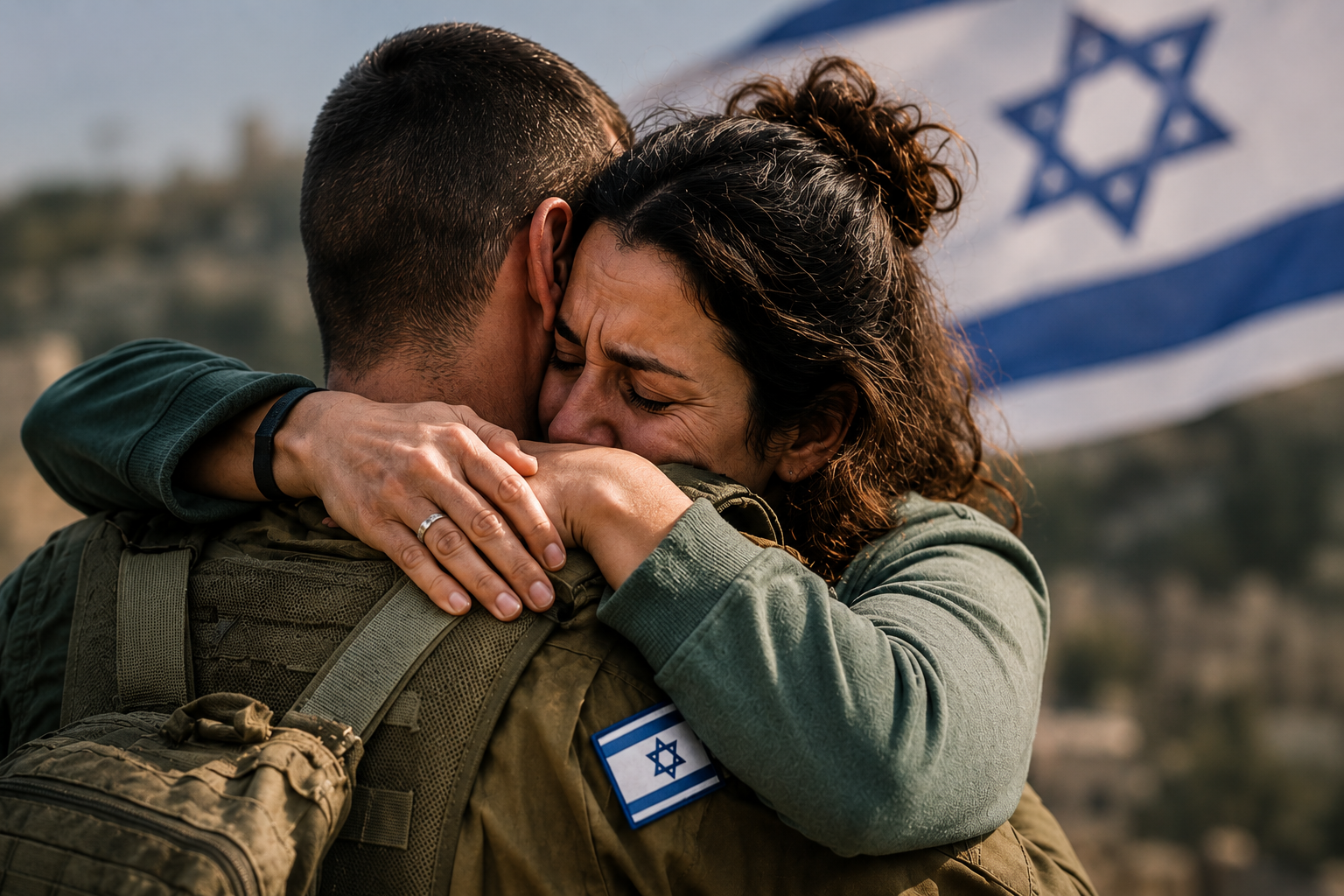
Real impact is not abstract. It looks like a child getting counseling before fear turns into chronic dysfunction. It looks like a parent receiving trauma support that helps hold a household together. It looks like a first responder accessing confidential care after repeated exposure to devastation. It looks like a resiliency center staying open, staffed, and responsive when demand surges overnight.
It also looks like communities that are better protected in the first place. Trauma care and protective readiness are not competing priorities. They are linked. When defenders have better gear and communities have stronger surveillance and response systems, the chain of harm can be disrupted earlier.
Not every outcome can be measured in a single number, and not every story resolves neatly. Some people recover quickly. Others need months or years of support. That is the truth of trauma work. But the presence of complexity is not an argument for hesitation. It is an argument for smarter action.
A better standard for crisis support
People who care about Israel do not need another layer of passive concern. They need a channel for action that is fast, disciplined, and accountable. Helping trauma victims is not a symbolic gesture. It is a concrete investment in human recovery, family stability, and national resilience.
When you support urgent trauma care, you are doing more than responding to pain. You are helping preserve the ability of civilians and defenders to function, recover, and rebuild under pressure. That is not secondary work. It is frontline work by another name.
The most meaningful response is rarely complicated. See the need clearly. Back organizations that can act without delay. Fund care that reaches people before suffering deepens. And remember that after the sirens, after the funerals, and after the cameras move on, the work of healing is still waiting for someone to move first.