The difference between help that matters and help that misses the moment often comes down to one thing – speed. When rockets fall, communities evacuate, medics treat trauma, and defenders move under pressure, supporting Israel’s emergency response cannot be treated like a slow charity cycle. It has to work like a field operation: identify the need, source the solution, and deliver it where lives are on the line.
That reality changes what meaningful support looks like. People who care about Israel do not just want to give. They want to know their support protects civilians, strengthens readiness, and reaches the front line without getting trapped in layers of delay. In a crisis environment, good intentions are not enough. Execution is the difference.
What support Israel emergency response really means
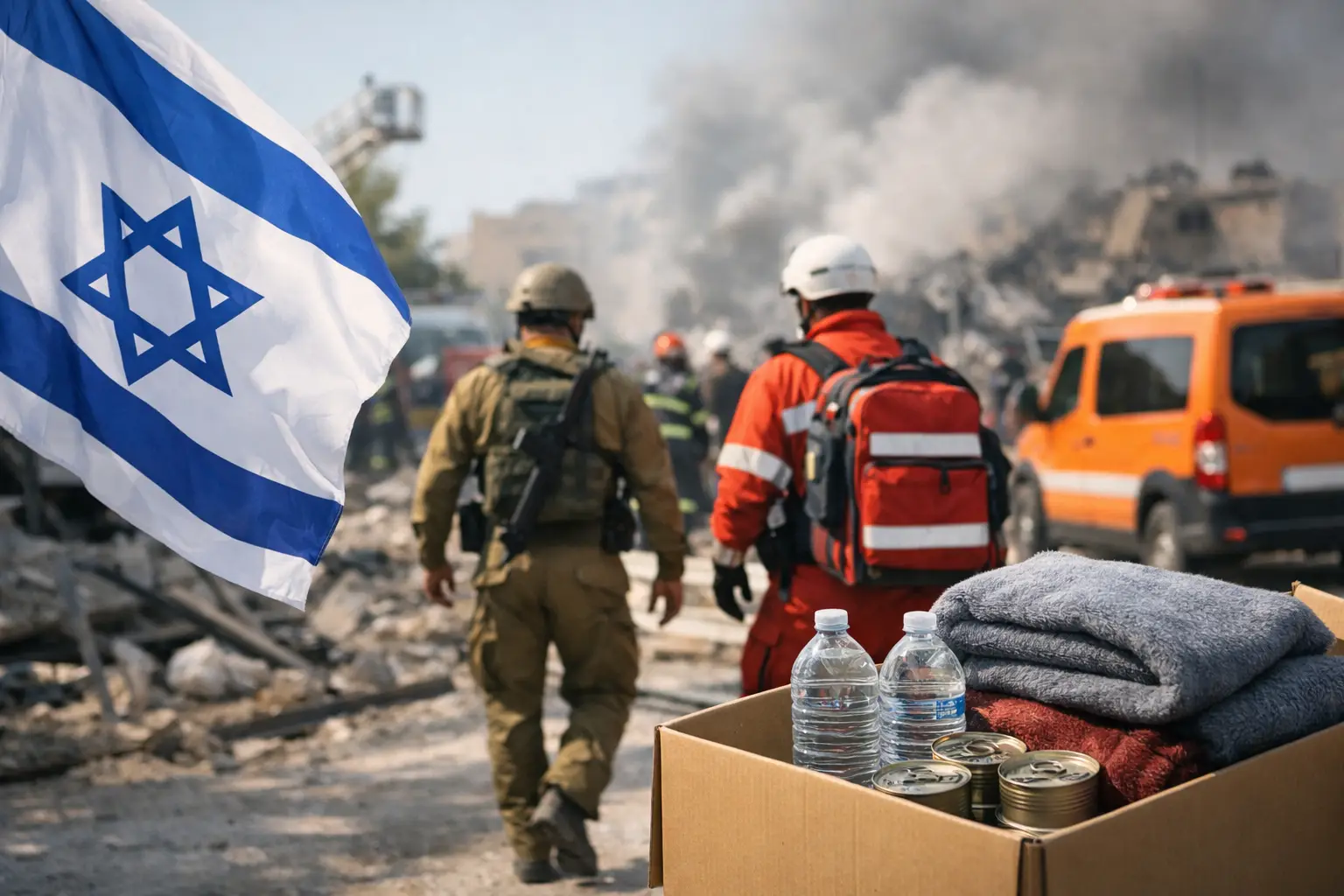
Emergency response in Israel is not one lane. It includes direct protective equipment for active threats, surveillance and detection tools that improve awareness, medical kits that stabilize injuries in the first minutes, and trauma care that helps people function after the blast, the attack, or the long night in a shelter.
That matters because emergencies do not end when the sirens stop. A responder may need ballistic eyewear during an operation, a community may need thermal cameras to monitor vulnerable areas, and a family may need fast-access psychiatric care after repeated exposure to terror. If support only covers one piece of that chain, the response remains incomplete.
The strongest model is practical and disciplined. It starts by defining what is urgently needed on the ground. Then it sources vetted solutions through trusted relationships. Then it delivers fast, with a clear line between the donor’s support and the real-world outcome. That is how emergency response becomes measurable instead of symbolic.
Why speed matters more than sentiment
Many nonprofits speak the language of compassion. Fewer are built for urgency. In Israel’s security environment, delays carry a cost. A medical kit delivered next month does not help a responder today. A drone stuck in procurement does not improve visibility during an active threat. Therapy offered after a long waitlist may arrive after acute trauma has already deepened.
This is where donors need to think like operators. The best support does not ask, “Was the message moving?” It asks, “What got deployed, to whom, and how quickly?” That standard is not cold. It is compassionate in the most serious way possible. It treats human life as time-sensitive.
There is also a hard trade-off here. Large institutions may have name recognition and broad infrastructure, but they can move slowly. Smaller groups can move faster, but only if they have trusted sourcing, disciplined oversight, and direct visibility into need. The goal is not speed alone. The goal is fast, accountable action.
The most effective ways to support Israel emergency response
The highest-impact support usually falls into three categories: protection, treatment, and readiness.
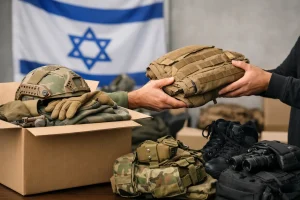
Protection means the tools that help prevent or reduce harm. That can include IFAK kits, ballistic eyewear, surveillance systems, drones, thermal cameras, and other mission-critical gear used by defenders and local security teams. These are not abstract purchases. They are practical assets used in volatile conditions where preparedness saves lives.
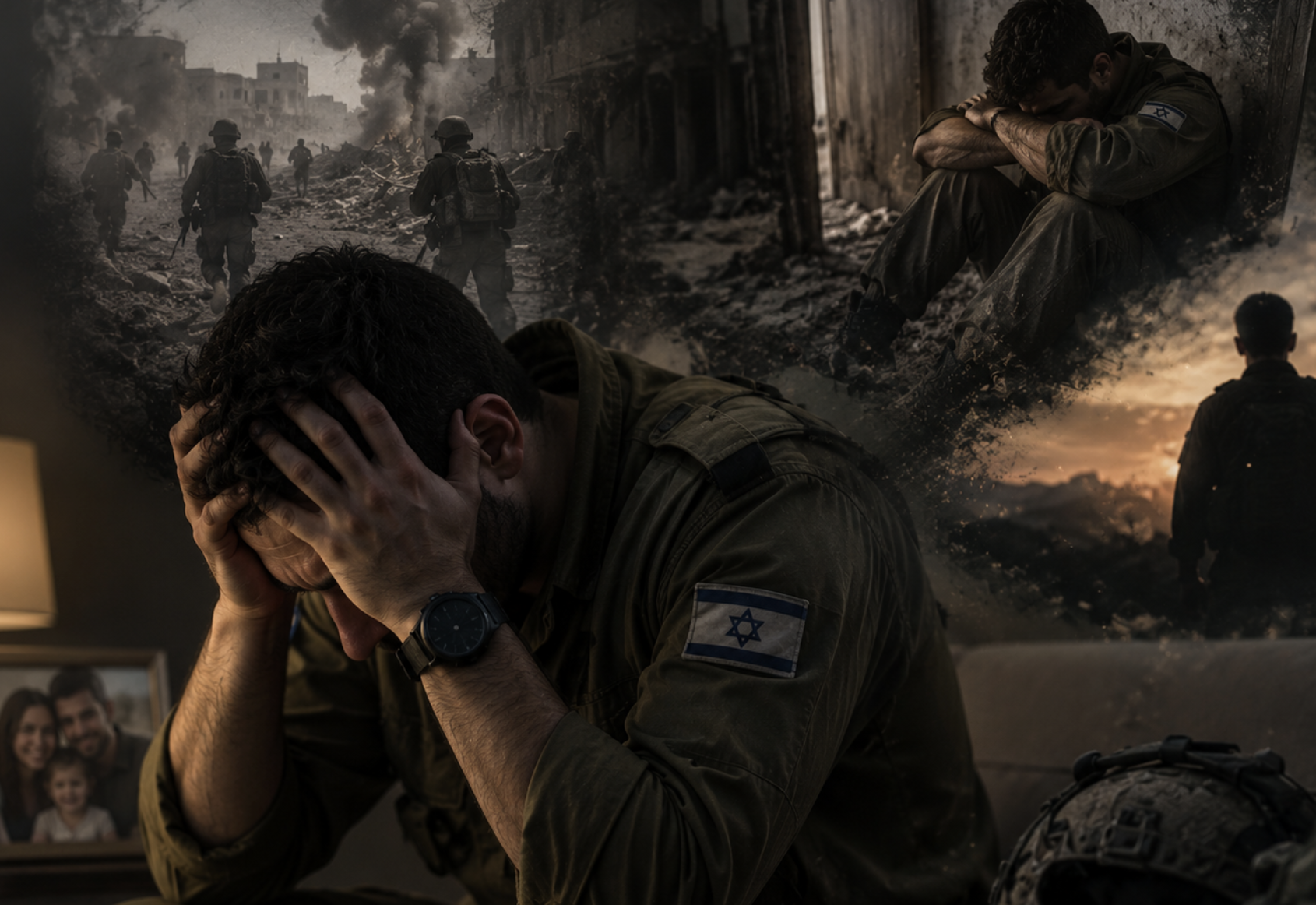
Treatment means rapid medical and psychological care. Physical trauma gets immediate attention for obvious reasons, but mental trauma often gets underfunded even when the need is overwhelming. In Israel, emergency response has to include PTSD care, telehealth psychiatry, and resilient access to treatment for civilians, responders, and families affected by violence. Recovery is part of protection.
Readiness means helping communities and responders stay prepared before the next incident. This is less visible than emergency aid after an attack, but often more strategic. Readiness support strengthens local capacity, shortens response time, and reduces vulnerability when the next emergency comes without warning.
How donors can tell if their support will make a real impact
Not every appeal is built the same. If you want your support to matter, start by looking for specificity. Serious emergency response organizations can explain what they are funding in plain language. They do not hide behind broad phrases. They tell you whether the need is trauma care, protective equipment, surveillance technology, or direct field support.
Next, look for operational clarity. Can the organization explain how it identifies needs, who verifies them, how solutions are sourced, and how delivery happens? In a high-pressure setting, process matters. A vague mission can inspire people, but it does not move equipment or fund treatment quickly.
Then look for evidence of trusted relationships. Emergency response in Israel depends on working with people who understand real conditions on the ground – government entities, local organizations, health agencies, vetted vendors, and security stakeholders. That network reduces waste and shortens the distance between donation and deployment.
Finally, pay attention to whether the organization respects your urgency. Supporters who care about Israel’s safety do not want bureaucracy wrapped in emotional language. They want direct impact. They want to know their contribution can protect a medic, equip a responder, or accelerate trauma care without unnecessary delay.
Support Israel emergency response with discipline, not guesswork
There is a reason disciplined nonprofits stand apart from traditional charity models. In an emergency, the old approach can become too slow, too generalized, and too disconnected from field realities. A more effective model borrows from startup execution: move fast, validate needs, solve the bottleneck, and stay accountable.
That does not mean rushing blindly. It means reducing friction where friction costs lives. The best organizations know when to act immediately and when to pause long enough to verify a request, vet a supplier, or redirect resources toward the most urgent threat. Real discipline is not hesitation. It is controlled speed.
For donors, this changes the decision. You are not simply funding a cause. You are backing a response system. The question is whether that system can operate under pressure and still deliver concrete outcomes.
One reason organizations like Israel Friends resonate with serious supporters is that they treat aid as a mission, not a slogan. The focus stays where it belongs – on rapid-response execution, protective technology, trauma recovery, and visible outcomes that protect both defenders and civilians.
Why visible outcomes build trust
People give more confidently when they can see what their support does. That is especially true for pro-Israel donors who feel both the emotional weight of the crisis and the responsibility to act wisely. They are not looking for vague reassurance. They are looking for proof of movement.
Visible outcomes can take many forms. A delivered batch of IFAK kits. Protective gear placed with responders. Thermal imaging equipment deployed in a vulnerable area. A funded block of psychiatric sessions made available without the usual delays. Each one tells the donor the same thing: this did not disappear into an administrative fog. It reached the mission.
Trust also grows when organizations communicate with confidence and restraint. The strongest emergency response messaging is clear, not theatrical. It shows urgency without losing precision. It respects the intelligence of the donor by connecting dollars to deliverables.
The role of community in emergency response
No emergency response effort is sustained by money alone. Donors matter, but so do volunteers, advocates, campaign partners, and ambassadors who widen the circle of support. A strong mission grows when people treat it as shared responsibility rather than spectator concern.
That can mean fundraising through personal networks, organizing community campaigns, amplifying urgent needs, or showing up for service opportunities that strengthen morale and practical support. Different people contribute in different ways. Some lead with philanthropy. Others lead with influence, time, or entrepreneurial problem-solving. What matters is that the mission keeps moving.
There is room here for different levels of involvement. Not everyone can fund major equipment. Not everyone can volunteer on the ground. But many people can help close the gap between need and response. In a crisis, distributed action becomes force multiplication.
The most useful question is not whether one person can solve everything. It is whether one person can help move one critical need into action. Often, the answer is yes.
If you want to support Israel in a way that matches the urgency of the moment, choose action that is concrete, fast, and accountable. Back the work that protects lives now, strengthens readiness for what comes next, and treats trauma as seriously as physical danger. When support is disciplined, it does more than express solidarity. It helps people face the next siren, the next call, and the next hard hour with a better chance of getting through it.