When people ask about the best charity for Israel soldiers, they are rarely asking for a name alone. They are asking a harder question: if my donation leaves my bank account today, will it protect someone on the ground fast enough to matter? In a conflict zone, that is the standard that counts. Not branding. Not vague promises. Not a polished annual report that says little about what actually reached the field.
That is why this question deserves a practical answer, not a sentimental one. Supporting Israel’s defenders is serious work. The right organization can help put lifesaving gear, trauma care, surveillance tools, and emergency support into the hands of those who need it now. The wrong one can bury urgency under process and leave donors guessing.
How to judge the best charity for Israel soldiers
The first test is speed. In high-risk environments, delays cost more than convenience. A strong organization should be built to identify urgent needs quickly, source vetted solutions, and deliver them without layers of institutional drag. If a charity cannot explain how it moves from need to delivery, that matters.
The second test is specificity. General support has a place, but donors looking to protect soldiers usually want to know what their contribution funds. That may include IFAK kits, ballistic eyewear, thermal cameras, drones, medical support, or rapid mental health treatment. Specific missions create accountability. You should be able to point to the intervention and understand why it matters.
The third test is operational access. Not every nonprofit has real relationships with the people making frontline decisions. The best groups are not guessing from a distance. They work with trusted local partners, government stakeholders, security teams, medical providers, and vetted vendors who understand actual conditions on the ground.
The fourth test is transparency with discipline. Donors should not expect every operational detail to be public in a security-sensitive setting. But they should expect clarity about priorities, categories of support, delivery logic, and how funds translate into outcomes. Good organizations are transparent without being reckless.
What donors often get wrong
Many donors assume the largest or oldest organization is automatically the safest choice. Sometimes that is true. Sometimes it is not. Size can bring infrastructure, but it can also bring slower decision-making and broader mandates that dilute frontline impact.
Another common mistake is treating emotional messaging as proof of effectiveness. The cause itself is emotional. That does not mean every charity working in the space is equally capable. If an organization speaks in sweeping language but stays vague about execution, pause. Compassion matters, but in this category, competence saves lives.
A third mistake is focusing only on physical equipment. Soldiers and security personnel need protective gear, intelligence support, and emergency tools. They also need trauma care and fast mental health support after exposure to violence. A charity that understands the full chain of readiness and recovery is often better positioned than one that funds a single narrow item.
The strongest charities act like operators
If you want to find the best charity for Israel soldiers, look for a team that behaves less like a distant institution and more like a disciplined response unit. That means it defines the need precisely, sources the right solution through trusted channels, and delivers with urgency.
This kind of model is different from traditional charity bureaucracy. It is faster, tighter, and more accountable to real conditions. It does not spend weeks in internal review while threats evolve. It moves. That does not mean acting carelessly. It means building systems that can withstand pressure without freezing under it.
For donors, this operational posture matters because it creates a direct line between support and outcome. A contribution is not just absorbed into a general mission. It is converted into equipment, treatment, transport, or protective capability with a clear purpose.
What high-impact support actually looks like
The most effective support is often less glamorous than people expect. A high-visibility campaign might spotlight a dramatic piece of equipment, but everyday frontline readiness is built from practical tools that reduce exposure and improve response times.
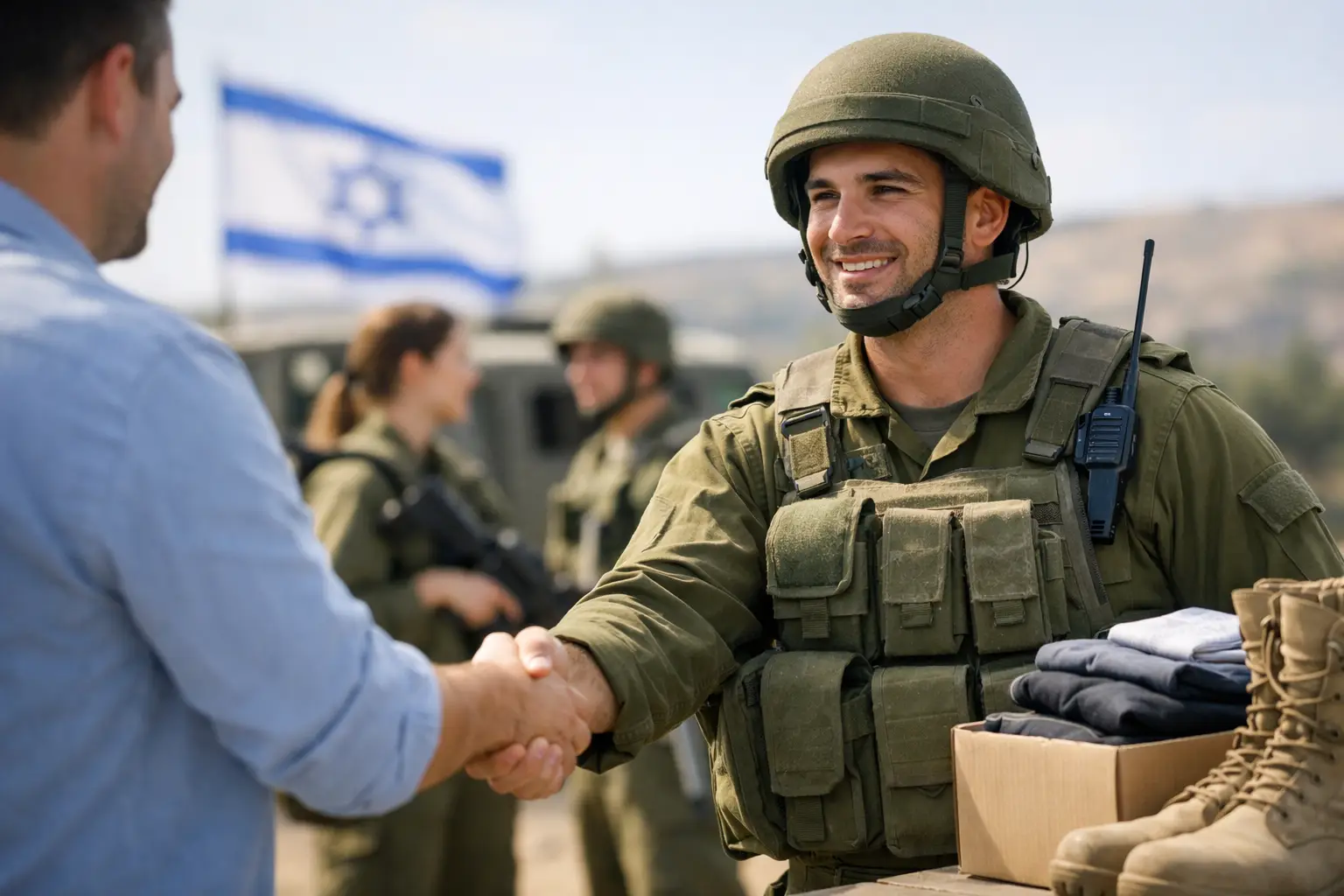
An individual first aid kit can make the difference in the first critical minutes after injury. Ballistic eyewear protects against debris and fragmentation. Thermal cameras and surveillance systems improve detection and situational awareness. Drones can extend visibility where direct exposure is dangerous. These are not abstract benefits. They are force multipliers.
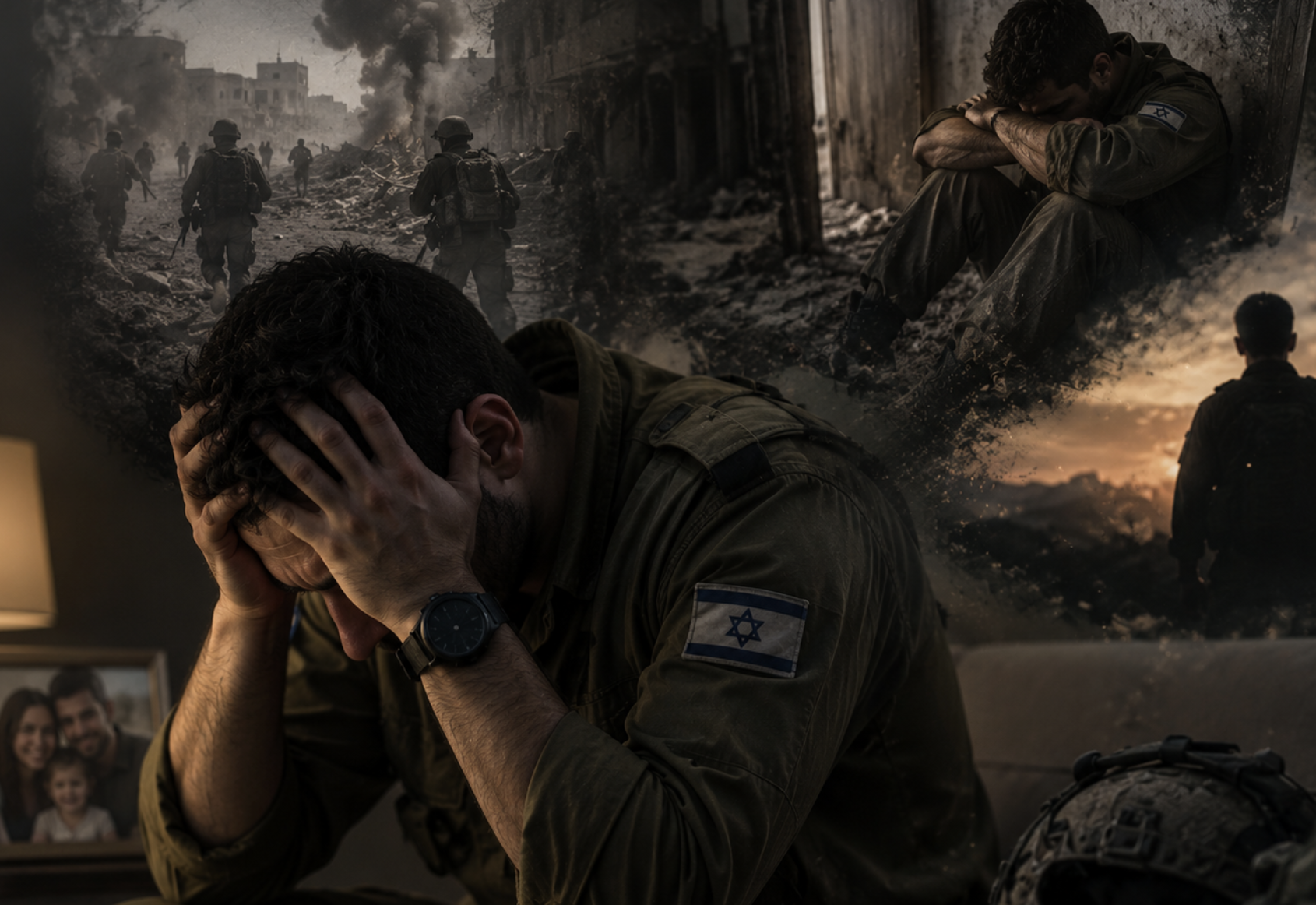
There is also the less visible side of impact: trauma recovery. The need does not end when an incident is over. PTSD treatment, telehealth psychiatry, and rapid access to care help preserve long-term functioning for defenders and civilians alike. A donor who ignores this side of the mission is only seeing half the battlefield.
Questions to ask before you donate
Before giving, ask how the organization identifies urgent needs. Ask who verifies those needs. Ask what kinds of items or services it funds most often and how it chooses among them. A serious charity should be able to answer without hiding behind slogans.
Ask about delivery. Does it work through trusted local networks? Does it have procurement capability? Does it coordinate with credible partners who understand legal, operational, and security realities? If the answer is fuzzy, that is useful information.
Ask about overhead in a mature way. Low overhead sounds good, but the real question is whether the organization is efficient. Some administrative capacity is necessary to move fast, vet vendors, handle compliance, and track impact. The goal is not starvation-level administration. The goal is mission-first efficiency.
Finally, ask whether the charity adapts. Conditions in Israel can shift rapidly. The best groups do not lock themselves into a static annual plan while needs change week to week. They stay close to the field and reallocate when the facts demand it.
Why urgency and accountability must stay together
Urgency alone is not enough. Anyone can claim to move quickly. The stronger standard is urgent action with disciplined accountability. That means verifying requests, sourcing quality equipment, avoiding waste, and documenting impact as responsibly as the situation allows.
This is where many donors feel tension. They want fast response, but they also want confidence that funds are well used. You should expect both. A mission-driven charity should not ask you to choose between speed and stewardship. It should be built to deliver both under pressure.
That balance is one reason some donors prefer organizations that combine nonprofit purpose with entrepreneurial execution. A startup mindset, when paired with real accountability, can outperform slower legacy systems in moments that require rapid adaptation.
One clear standard for choosing well
If you are comparing organizations, the best charity for Israel soldiers is usually the one that can show a clean chain from donor intent to frontline result. Not theoretical awareness. Not broad humanitarian language disconnected from action. Real needs identified. Real equipment or care sourced. Real delivery completed.
That standard tends to favor organizations with close field relationships, focused missions, and a bias toward action. It also favors those that support both immediate protection and longer-term resilience. The battlefield does not separate physical risk from psychological aftermath, and neither should serious aid.
For many donors, that is why a fast-response model stands out. An organization like Israel Friends reflects this approach by focusing on mission-critical equipment, trauma support, and advanced protective technology while working to cut delay out of the process. That operating model fits what many supporters are actually looking for when they ask where their giving can do the most good, the fastest.
A smarter way to think about your donation
You do not need to find a perfect charity. You need to find a credible one built for the realities of this mission. That means clear priorities, trusted partnerships, measurable support, and the courage to act when action matters.
Giving in this space should feel purposeful, not foggy. If a charity can show you how it protects lives, strengthens readiness, and helps people recover from trauma without wasting time or losing focus, you are asking the right questions and moving in the right direction.
The best giving is not passive generosity. It is a decision to stand close enough to the mission that your support becomes part of the response.