A soldier on a dangerous route cannot wait for a procurement cycle. A parent coping with the aftermath of an attack cannot wait months for a therapy appointment. That is the standard donors should bring to the search for the best nonprofits supporting Israeli resilience: not the biggest promise, but the clearest ability to protect people when time matters.
Israeli resilience is not one need. It is frontline readiness, civilian protection, trauma treatment, emergency logistics, and the ability of communities to recover without being left alone. A meaningful donation strategy begins by understanding which of those needs you want to strengthen and whether an organization can turn support into action quickly, responsibly, and visibly.
What Israeli resilience means on the ground
Resilience is often used as a broad, comforting word. On the ground, it is far more concrete. It can mean an individual first aid kit placed in the hands of a defender before the next mission. It can mean ballistic eyewear that helps protect vision, a thermal camera that improves situational awareness, or a drone that gives a team critical information before entering a high-risk area.
For civilians, resilience can mean a trauma specialist who is available now, not after a long waiting list. It can mean telehealth psychiatric care for someone unable to travel, support for a local resiliency center, or practical aid that helps a displaced family regain stability.
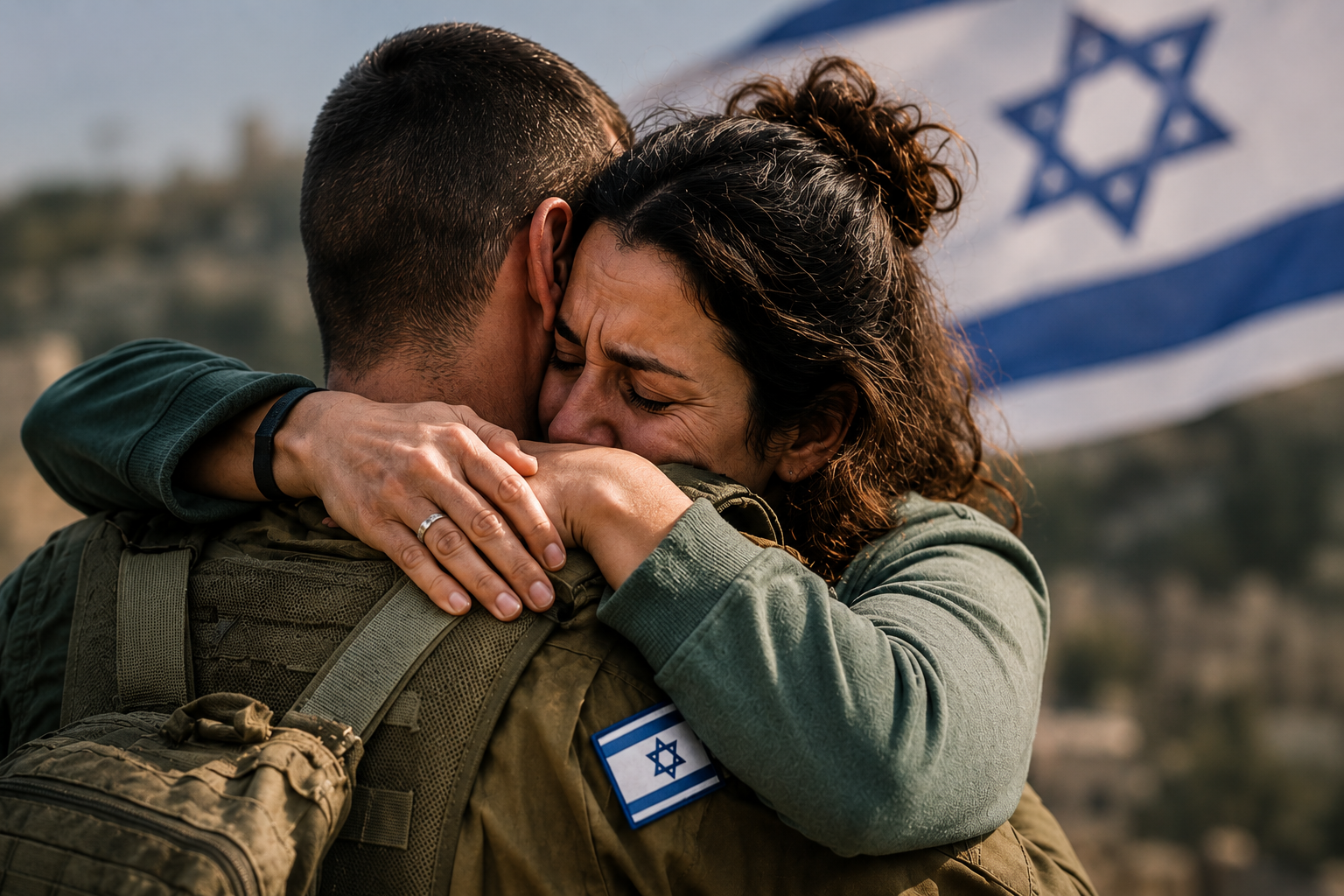
The strongest organizations understand that these needs are connected. Physical safety and mental recovery are not separate missions. A country cannot sustain its people through prolonged crisis by addressing only the emergency in front of it. It must also help defenders, families, and communities recover enough to face what comes next.
How to identify the best nonprofits supporting Israeli resilience
There is no single universal ranking for every donor. The best nonprofit for a family focused on trauma recovery may not be the best fit for an entrepreneur seeking to fund protective technology. The right question is not simply, “Which organization is best?” It is, “Which organization is built to meet the urgent need I care about with discipline and accountability?”
Start with mission clarity. A serious nonprofit should be able to explain exactly what it funds, who receives the support, and why that intervention matters. Vague language about standing with Israel is not enough when lives are at stake. Look for defined programs, identifiable needs, and examples of what a gift makes possible.
Next, examine speed. In a rapidly changing security environment, delays have consequences. Some organizations are designed for long-term institution building, which has real value. Others are structured to identify an immediate gap, source vetted equipment or care, and deliver it directly. Both models can matter, but donors should know which one they are supporting.
Accountability also matters. Responsible organizations communicate how funds are allocated, share progress in plain language, and avoid treating donor trust as automatic. They should be willing to explain the operational reasoning behind a campaign: why a certain tool, treatment program, or community need was prioritized at that moment.
Finally, look for partnerships that improve execution rather than add layers. Organizations working closely with local teams, health providers, government entities, trusted vendors, and community leaders are more likely to understand the real need before deploying resources. Good coordination reduces waste. It also helps ensure that aid is useful on arrival, not merely impressive in a fundraising appeal.
Match your giving to the mission that moves you
A focused gift can be more powerful than a general expression of support. Before choosing a nonprofit, decide what outcome you want your contribution to create.
If your priority is protecting defenders, look for organizations able to deliver mission-critical gear and technology. Equipment such as IFAK kits, surveillance tools, thermal cameras, drones, and protective eyewear can help strengthen readiness and reduce preventable risk. The crucial distinction is whether the organization has a credible process for confirming demand, vetting products, and getting equipment to the people who need it.
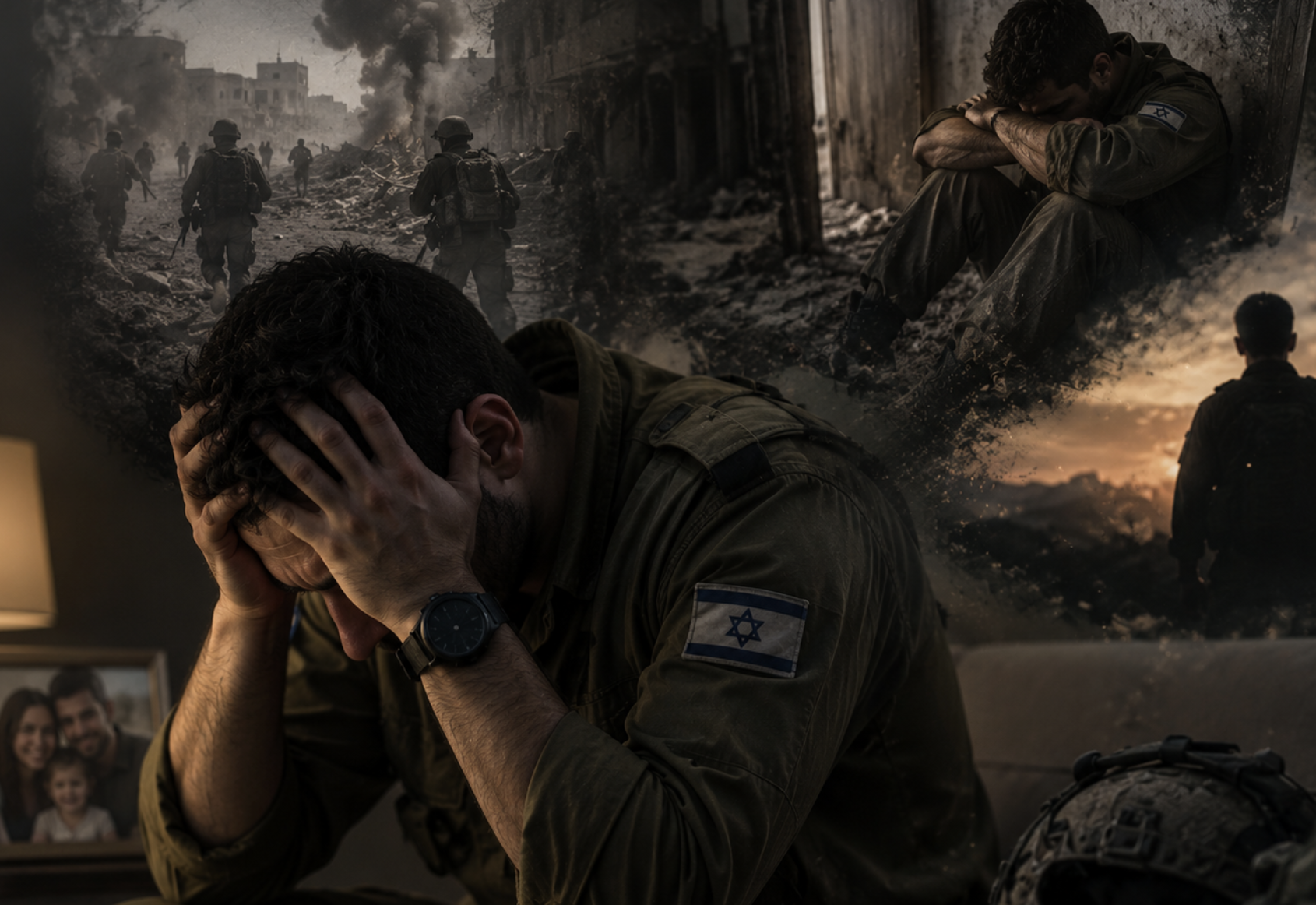
If trauma recovery is your priority, seek nonprofits that support fast-access mental health care. Crisis leaves injuries that are not always visible, and delayed care can deepen the damage. Programs that fund PTSD treatment, telehealth psychiatric services, trauma counseling, and local resiliency centers help people regain the capacity to work, parent, serve, and stay connected to their communities.
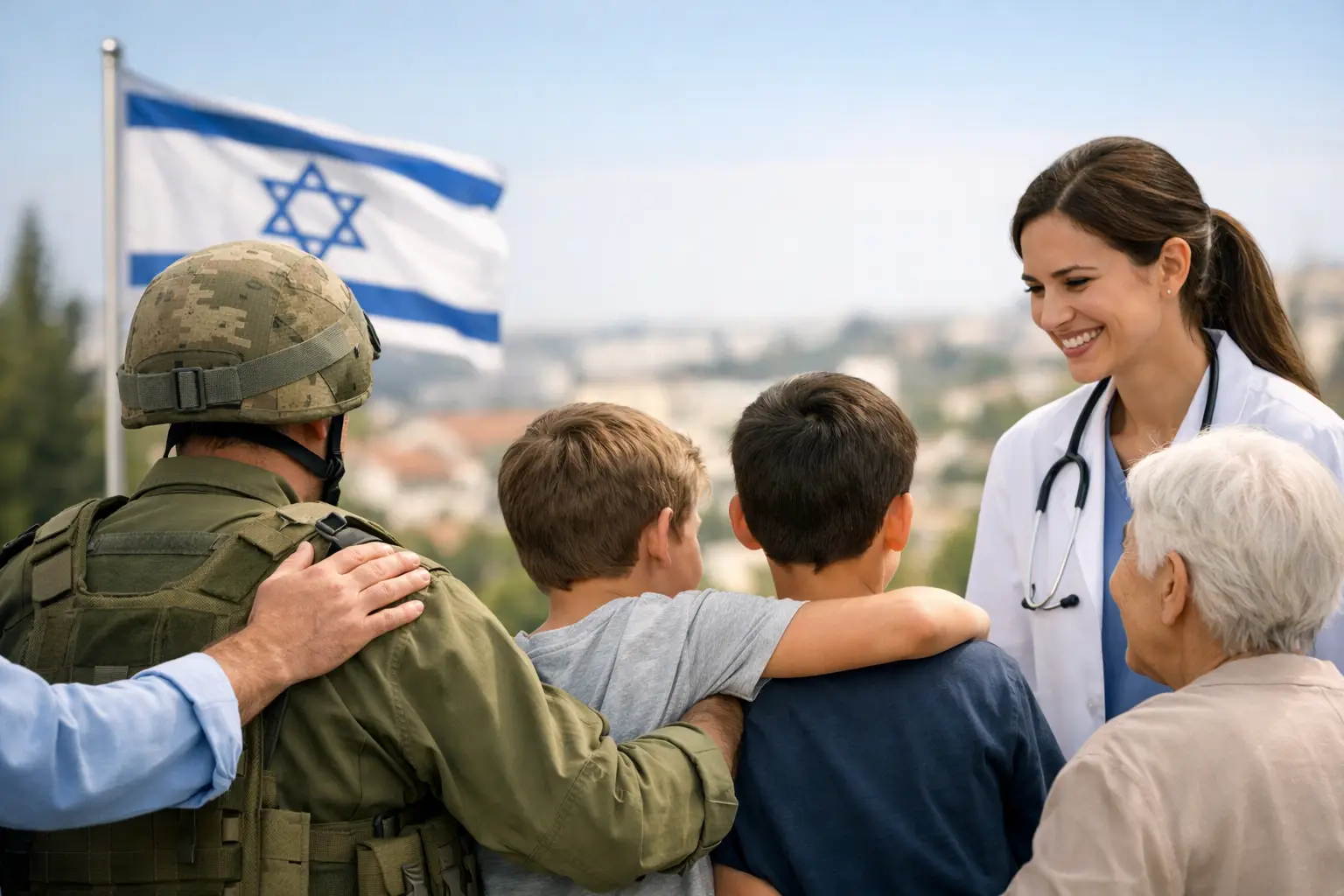
If you care most about civilian continuity, focus on organizations serving families and communities under pressure. Effective work may include emergency supplies, recovery assistance, evacuation support, or targeted help for communities facing repeated disruption. Here, local knowledge is essential. The best intervention in one area may be irrelevant in another.
You do not have to choose only one lane forever. Many donors begin with an urgent campaign, then build a broader giving plan that supports both immediate protection and long-term recovery. The important thing is to give with intention rather than assuming every dollar serves the same purpose.
Why rapid-response capacity changes outcomes
Traditional charitable systems are often built around caution, committees, and long approval timelines. Those safeguards can be appropriate for certain projects. But during an active crisis, bureaucracy can become its own form of risk.
Rapid-response organizations operate differently. They define the need, source a vetted solution, and deliver with urgency. That does not mean acting carelessly. It means building trusted networks before the emergency, maintaining operational discipline during it, and communicating clearly afterward.
Israel Friends is built around this kind of execution, supporting defenders and civilians through rapid-response aid, trauma care, and advanced protective technology. Its approach reflects a simple operating principle: when a verified need is urgent, action must be faster than the threat.
For donors, the advantage of this model is directness. You can understand the line between a contribution and a practical result. The trade-off is that fast-moving work requires trust in leadership, logistics, and on-the-ground decision-making. That is why transparency and proven relationships are not optional. They are the foundation of responsible speed.
Questions every donor should ask before giving
Before making a donation, take a few minutes to pressure-test the organization. Ask whether it can explain its current priorities without relying on broad emotional language. Ask how it verifies that equipment, services, or aid will reach the intended recipients. Ask whether it reports results in a way that shows what happened after the campaign ended.
Also ask how the organization handles changing conditions. Needs in Israel can shift quickly. A nonprofit that remains locked into an outdated plan may continue funding what is familiar rather than what is urgently required. Adaptability is not a marketing trait. It is an operational necessity.
Be thoughtful about overhead conversations, too. Low administrative costs can be a positive sign, but they are not the only measure of effectiveness. Secure logistics, professional trauma care, technology procurement, compliance, and field coordination all require capable people and systems. The better question is whether spending supports measurable mission delivery instead of unnecessary complexity.
Giving is only one form of action
Financial support often moves the fastest, especially when an urgent equipment or trauma-care need emerges. Yet resilience also grows through participation. Volunteers can support campaigns, amplify verified needs within their communities, organize local fundraising efforts, and encourage others to move from concern to action.
For business leaders and philanthropic families, partnership can extend beyond a one-time gift. A team can sponsor a defined need, match community donations, host an awareness event, or build a campaign around a specific life-saving outcome. Clarity makes these efforts stronger. People respond when they know exactly what they are helping fund and why it cannot wait.
The goal is not to give for the sake of visibility. The goal is to make sure the people carrying the burden of Israel’s security and recovery are not carrying it without support.
When you choose among the best nonprofits supporting Israeli resilience, choose the organization that treats urgency as a responsibility, not a slogan. Find the mission you can stand behind, demand clear evidence of action, and help put protection, care, and recovery where they are needed most.