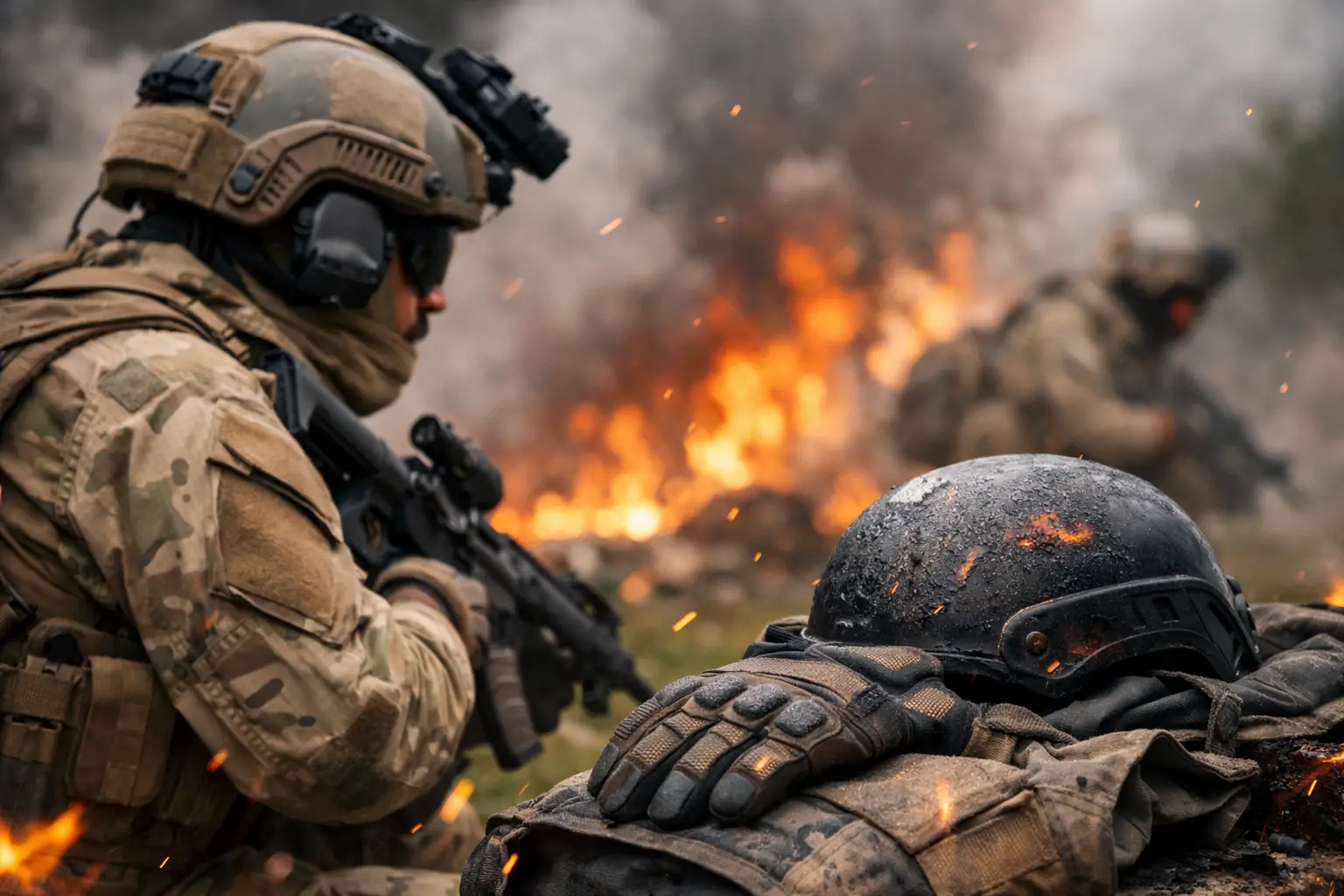
A preventable injury can become fatal in minutes. A defender who cannot see through dust, debris, or a sudden blast cannot protect the people around them. A civilian caught in an attack may need immediate bleeding control long before an ambulance can reach the scene. That is how protective gear saves lives: it gives people the time, capability, and confidence to survive the first critical moments of danger.
For Israel’s defenders and civilians, protective equipment is not an abstract line item. It is a direct investment in readiness. The right gear can stop severe blood loss, shield eyes from shrapnel, expose a threat in darkness, or help a team identify danger before it reaches a home, road, school, or position.
Protection Is a System, Not a Single Product
People often picture body armor when they hear the phrase protective gear. Armor matters, but it is only one part of a much larger survival system. Modern threats demand layers of protection that work together: medical kits for immediate trauma care, ballistic eyewear for vision protection, thermal cameras for low-light awareness, drones for reconnaissance, and surveillance systems that help communities detect danger early.
Each layer addresses a different point in the chain of harm. Some equipment reduces the chance of contact with a threat. Some reduces the injury if contact occurs. Some helps trained responders treat injuries before they become irreversible.
The operational question is simple: what is most likely to save a life in this location, for this team, right now? That question requires speed, field awareness, and a refusal to fund equipment based on appearances alone.
How Protective Gear Saves Lives Before an Attack
The best emergency is the one that never happens. Surveillance equipment, thermal imaging, and drones can give defenders a clearer picture of what is moving beyond a fence line, down a dark road, or near a vulnerable community.
Thermal cameras can detect heat signatures where conventional cameras lose visibility. Drones can provide an elevated view without placing a person directly in harm’s way. Surveillance systems can help identify unusual movement and support faster decisions by security teams.
This is protective gear in its most strategic form. It does not merely respond to an injury. It helps reduce exposure to the threat in the first place.
Early warning is especially valuable when seconds determine whether people can reach shelter, call for assistance, reposition a team, or secure an area. Technology is not a substitute for trained personnel and sound judgment. It is a force multiplier that gives those personnel better information when uncertainty is highest.
When Vision Is Protected, Capability Is Protected
Ballistic eyewear may look like a small item compared with armor or advanced surveillance technology. In the field, it can be decisive. Eye injuries can result from shrapnel, broken glass, debris, dust, ricochet, and blast effects. Even a temporary loss of vision can turn a controlled response into a dangerous situation.
Protecting vision protects mobility, communication, navigation, and the ability to assist another person. A defender who can keep seeing can keep moving. A medic who can see can continue treating the wounded. A civilian whose eyes are shielded from flying debris has a better chance of reaching safety.
Fit matters here. Protective eyewear that fogs, slips, distorts vision, or is uncomfortable is less likely to be worn consistently. That is why sourcing cannot stop at checking a product label. Gear has to be vetted for real use, matched to the mission, and delivered with the urgency the moment demands.
IFAK Kits Turn Bystanders Into Immediate Responders
In trauma care, time is not a luxury. Severe bleeding can become life-threatening before professional medical help arrives. An Individual First Aid Kit, commonly called an IFAK, places critical tools close to the person who may need them or the teammate who can respond first.
A properly equipped kit may include tools for controlling catastrophic bleeding, dressing wounds, supporting airway management, and addressing other urgent trauma needs. The exact contents depend on the environment, training level, and medical protocol. A kit designed for a trained field medic will differ from one intended for a civilian security volunteer.
The central principle remains the same: lifesaving equipment must be accessible, familiar, and ready to use under stress. A tourniquet packed at the bottom of an unreachable bag is not the same as one placed where trained hands can find it immediately.
Gear alone does not create a responder. Training matters. Repetition matters. Clear protocols matter. But when training meets the right equipment at the right moment, people can act before blood loss, shock, or delayed care takes away the chance to save a life.
The Trade-Offs Are Real, Which Is Why Selection Matters
There is no universal protective package that fits every person and mission. Heavier armor may offer greater protection in some circumstances, but it can also reduce mobility and increase fatigue. Advanced technology may expand awareness, but it requires power, maintenance, trained operators, and secure deployment. A medical kit with more supplies is not automatically better if the user cannot locate or use those supplies quickly.
The goal is not to buy the most equipment. The goal is to deliver the most relevant protection.
That means asking practical questions. Is this gear appropriate for an urban security team, a community response unit, an ambulance crew, or a defender operating near an active border? Can it withstand the conditions in which it will be used? Is it compatible with other equipment? Can it be deployed now rather than after a long procurement cycle?
In high-stakes environments, the wrong gear can create false confidence. The right gear supports disciplined action.
Speed of Delivery Is Part of the Protection
A lifesaving product sitting in a warehouse or delayed by paperwork does not protect anyone on the ground. Protective gear has value only when it reaches the people facing the threat.
That is why rapid-response support must move from need identification to sourcing to direct delivery without unnecessary delay. When a unit lacks medical kits, when a community needs better nighttime visibility, or when defenders need equipment for an urgent operational gap, timing is part of the outcome.
Israel Friends operates with that reality in mind: define the need, source vetted solutions, and deliver where the impact is immediate. This approach treats donor support as operational capacity, not passive charity. Every contribution can help put practical tools into the hands of people protecting families, communities, and one another.
Accountability matters just as much as speed. Donors deserve to understand what their support enables. The strongest model is specific: a trauma kit for immediate care, ballistic eyewear for field protection, a thermal system for nighttime awareness, or a drone that helps reduce blind spots in a dangerous area.
Protection Also Supports Recovery
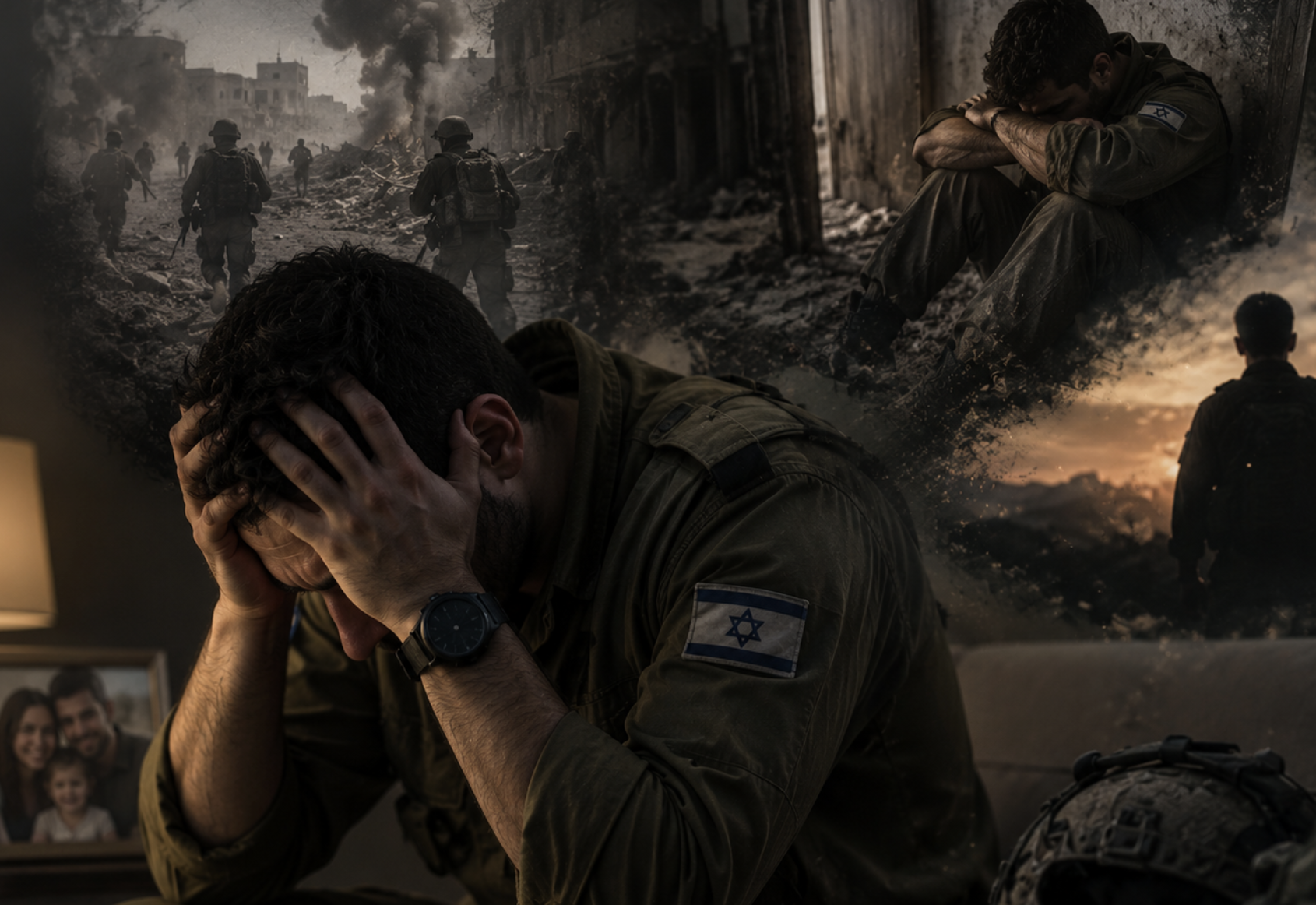
Saving a life is not limited to the moment of impact. Survivors of attacks, first responders, defenders, and families can carry psychological injuries long after physical wounds are treated. Fast access to trauma care, PTSD support, and telehealth psychiatric services can help people stabilize, reconnect, and continue living with strength.
Protective technology and trauma care belong in the same mission because both defend human life. One seeks to prevent harm or limit its immediate effects. The other helps people recover when harm has already occurred.
This is what meaningful readiness looks like: protection before danger, capability during crisis, medical care after injury, and mental health support through recovery.
The next time you consider what it means to protect a community, look beyond the equipment itself. Ask whether it is mission-ready, accessible, trusted by the people using it, and moving quickly toward the point of need. That is where support becomes protection, and protection becomes a life saved.