A defender cannot use a promise when the need is immediate. They need a trauma kit within reach, clear vision in low light, reliable intelligence, and the support to recover from what they have seen. To support israel defenders effectively, donors must look beyond broad statements of solidarity and focus on what reaches the field fast enough to protect lives.
That is the difference between charitable intention and operational impact. In a crisis, delay carries a cost. Equipment gaps expose teams. Untreated trauma follows families home. Civilian communities need protection before the threat becomes a headline. The right support is not abstract. It is defined, sourced, delivered, and measured.
Support Israel Defenders Where the Need Is Immediate
Israel’s defenders operate under conditions that can change by the hour. A unit may need individual first-aid kits before deployment. A community security team may require thermal cameras, surveillance coverage, ballistic eyewear, or communications equipment to identify danger and respond quickly. Civilians living under sustained threat may need fast access to trauma care and psychiatric support long after the immediate emergency has passed.
These are different needs, but they share one requirement: speed. Traditional charitable systems can be valuable for long-term programs, yet their approval chains and broad funding structures are not always built for frontline urgency. When a verified need is identified, the practical question is simple: what will get the right solution into the right hands without unnecessary delay?
Direct-response support starts with close coordination on the ground. It requires trusted relationships with units, local organizations, health agencies, resiliency centers, government partners, and vetted vendors. It also requires the discipline to say no to equipment that is impressive on paper but unsuitable for the mission.
A drone, for example, is not automatically useful because it is a drone. It must fit the terrain, operating conditions, training capacity, and approved use case. The same is true of medical gear. A well-stocked IFAK kit can be life-saving, but only if it is appropriate for the team receiving it and available when seconds matter.
What High-Impact Support Looks Like
Effective support for Israel’s defenders is built around concrete outcomes. Donors deserve to know the category of need being addressed, why it matters, and how the response is being executed. That does not always mean disclosing sensitive operational details. Security must come first. It does mean moving past vague language and showing a clear line between funding and impact.
For frontline readiness, that can mean protective and medical equipment designed to reduce preventable harm. IFAK kits provide immediate tools for trauma response. Ballistic eyewear helps protect vision in dangerous environments. Thermal cameras, surveillance systems, and other protective technology can improve awareness before a threat is at the door.
For civilian protection, the work may center on community security infrastructure and rapidly deployable tools that help local teams see, communicate, and act. The best intervention depends on the community and threat environment. Some locations may need detection capability. Others may need medical preparedness, emergency communications, or support for local responders.
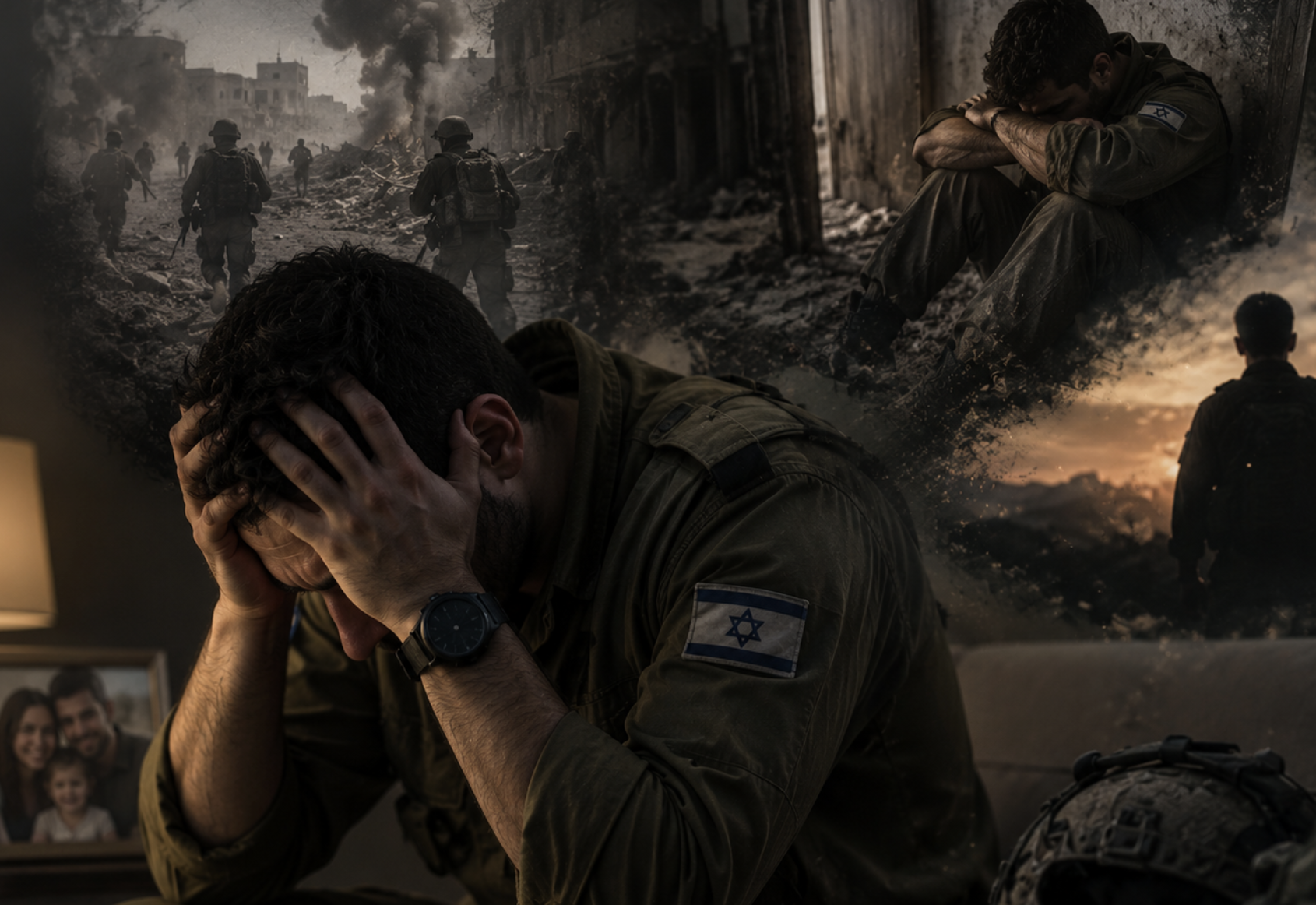
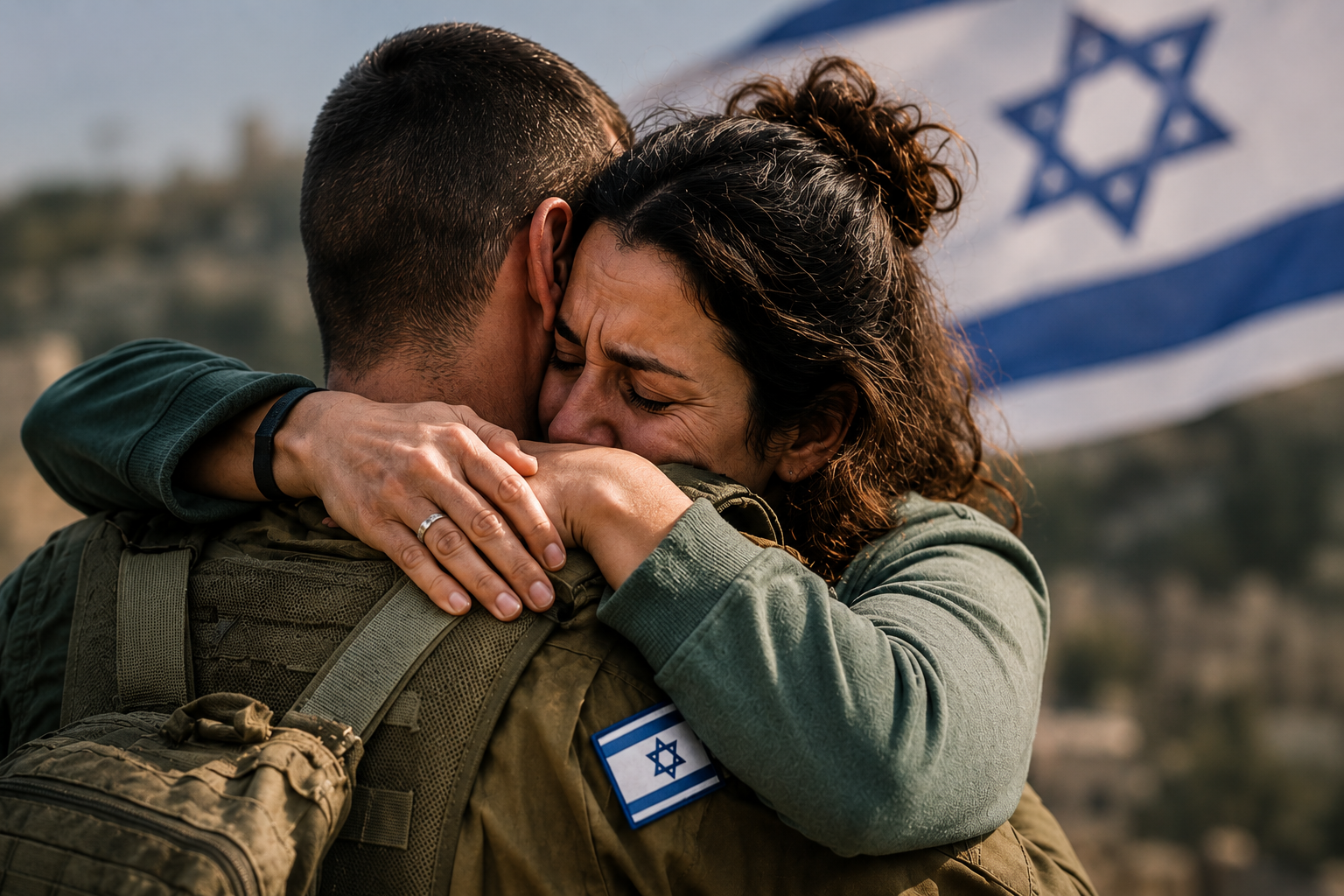
For recovery, the need is deeply human. Defenders, survivors, and families can carry trauma long after a crisis has moved out of public view. Fast-access PTSD treatment and telehealth psychiatric care can help people receive qualified support without waiting for an already-strained system to catch up. Mental health care is not separate from security. A community’s ability to recover is part of its ability to endure.
Speed Must Be Matched by Accountability
Urgency is not an excuse for careless spending. It is a reason to build a stronger operating model.
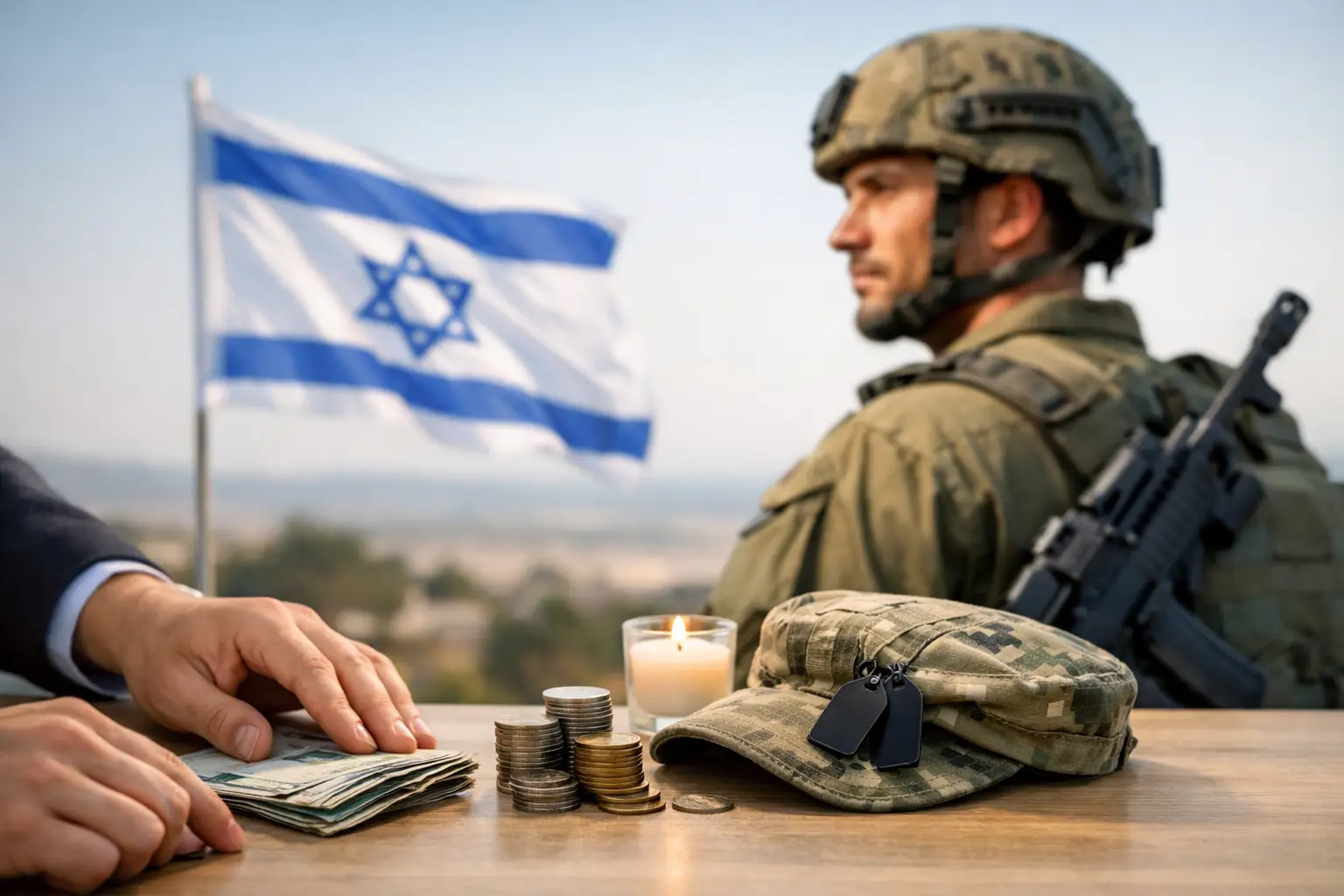
Donors evaluating an organization should ask how needs are verified, how vendors are selected, who coordinates delivery, and how outcomes are tracked. These questions are not obstacles to generosity. They are how generosity becomes more effective. A mission-driven organization should be able to explain its process in direct language: identify the need, validate the solution, source it responsibly, deliver it quickly, and report impact without compromising security.
Low overhead matters, but it is not the only measure of efficiency. A charity can spend very little on administration and still fail to deliver what is needed. The more meaningful test is whether resources turn into timely, usable protection and care. Was the equipment appropriate? Did it arrive when it was needed? Did the intervention address a verified gap? Did the recipient have a way to use it effectively?
This is where entrepreneurial execution matters. The strongest rapid-response organizations combine nonprofit accountability with the focus of an operator. They do not wait for a perfect committee meeting while a known need remains unmet. They build trusted supply channels, maintain relationships, and stay close enough to the field to adjust when conditions change.
Every Contribution Can Serve a Defined Mission
Not every supporter will give in the same way, and that is a strength. A major gift may help fund advanced protective technology or expand access to mental health care. A recurring donation can provide reliable support for ongoing needs, including medical readiness and trauma treatment. A campaign can rally a community around a specific, urgent equipment gap.
Support also reaches farther when people activate their networks. Families can organize a giving effort around a meaningful occasion. Businesses can sponsor a focused campaign. Volunteers and ambassadors can help bring accurate information to their communities and turn concern into practical action. Mission-supporting merchandise can create another channel for people who want to contribute while visibly standing with Israel.
The key is to connect participation to a real objective. “Help Israel” is a sincere sentiment, but it is too broad to show what action accomplishes. “Fund trauma kits for responders,” “expand fast-access PTSD care,” or “equip a community security team with protective technology” gives supporters a clearer picture of the mission and its stakes.
Choose Action That Respects the Reality on the Ground
Supporting defenders does not mean glorifying conflict. It means recognizing the moral and practical duty to help people protect lives, respond to emergencies, and recover from trauma. The people receiving this support are not abstractions. They are service members, local security volunteers, medics, parents, survivors, and families trying to keep their communities safe.
It also means accepting that needs will evolve. A highly visible emergency may create an immediate demand for protective equipment, while the next phase requires sustained investment in treatment, recovery, and community resilience. Donors should value organizations that can respond to both without losing focus. The right answer is rarely one program forever. It is the ability to assess conditions honestly and act accordingly.
Israel Friends operates with that urgency: mobilizing resources for mission-critical equipment, civilian protection, and trauma care through direct coordination and rapid delivery. The standard is not activity for its own sake. The standard is whether action reduces risk, strengthens readiness, and helps people move forward.
The Standard Is Lives Protected, Not Promises Made
The desire to stand with Israel is powerful. But in moments of danger, solidarity becomes most meaningful when it produces capability. A medic with the supplies to treat a wound. A local team with the technology to identify a threat. A survivor with a path to professional trauma care. A family with greater confidence that help will arrive.
That is what disciplined support can do. It puts resources behind people who cannot afford to wait, while demanding the accountability that serious humanitarian work requires. Choose action that is fast, focused, and built for the real conditions defenders and civilians face. When the need is urgent, the most meaningful response is the one that gets there in time.