If you are asking about the best ways to support Israel, start with one simple standard: does your support protect lives, strengthen resilience, and reach people fast? In moments of real pressure, vague solidarity is not enough. What matters is action that gets equipment into the field, trauma care to civilians, and practical help to the people carrying the weight of defense and recovery.
That question matters because not every form of support delivers the same result. Some efforts raise awareness. Some build long-term relationships. Some save lives this week. The strongest response usually includes all three, but if you want to make a serious difference, prioritize support that is direct, accountable, and built for urgency.
The best ways to support Israel start with direct impact
The most effective support is often the least glamorous. It is not about slogans first. It is about getting the right tools and care to the right people without delay.
When communities are under threat, defenders and civilians need concrete resources: trauma kits, protective gear, thermal cameras, drones, emergency communications, and rapid mental health support. These are not abstract line items. They are the difference between being prepared and being exposed, between untreated trauma and real recovery, between chaos and coordinated response.
That is why direct giving remains one of the best places to start. But direct giving only works when the organization behind it moves fast, vets needs carefully, and delivers with discipline. A donation to a high-overhead institution with a slow approval chain may feel meaningful, yet timing matters. In crisis conditions, speed is part of the impact.
If you give, look for evidence of operational clarity. What exactly is being funded? Who receives it? How quickly is it deployed? Is the organization solving defined problems or just speaking in broad humanitarian language? Serious supporters should ask those questions.
1. Fund urgent, specific needs
One of the best ways to support Israel is to fund urgent needs that can be measured clearly. General support has its place, especially when conditions shift fast, but specific campaigns often create the strongest connection between donor intent and frontline outcome.
That might mean funding individual first aid kits for responders, ballistic eyewear for defenders, surveillance tools for vulnerable areas, or fast-access PTSD treatment for civilians dealing with shock and loss. Specificity creates trust. It also helps supporters understand that their contribution is not disappearing into a large system. It is solving a defined problem.
There is a trade-off here. Restricted giving can be powerful, but too many restrictions can slow response when needs change on the ground. The smartest approach is often to support organizations that operate with both precision and flexibility – groups that define the mission clearly, source vetted solutions, and deliver them without bureaucratic drag.
2. Support trauma care, not only emergency response
Many supporters focus on the visible emergency. Fewer pay equal attention to what happens after the sirens stop. That is a mistake.
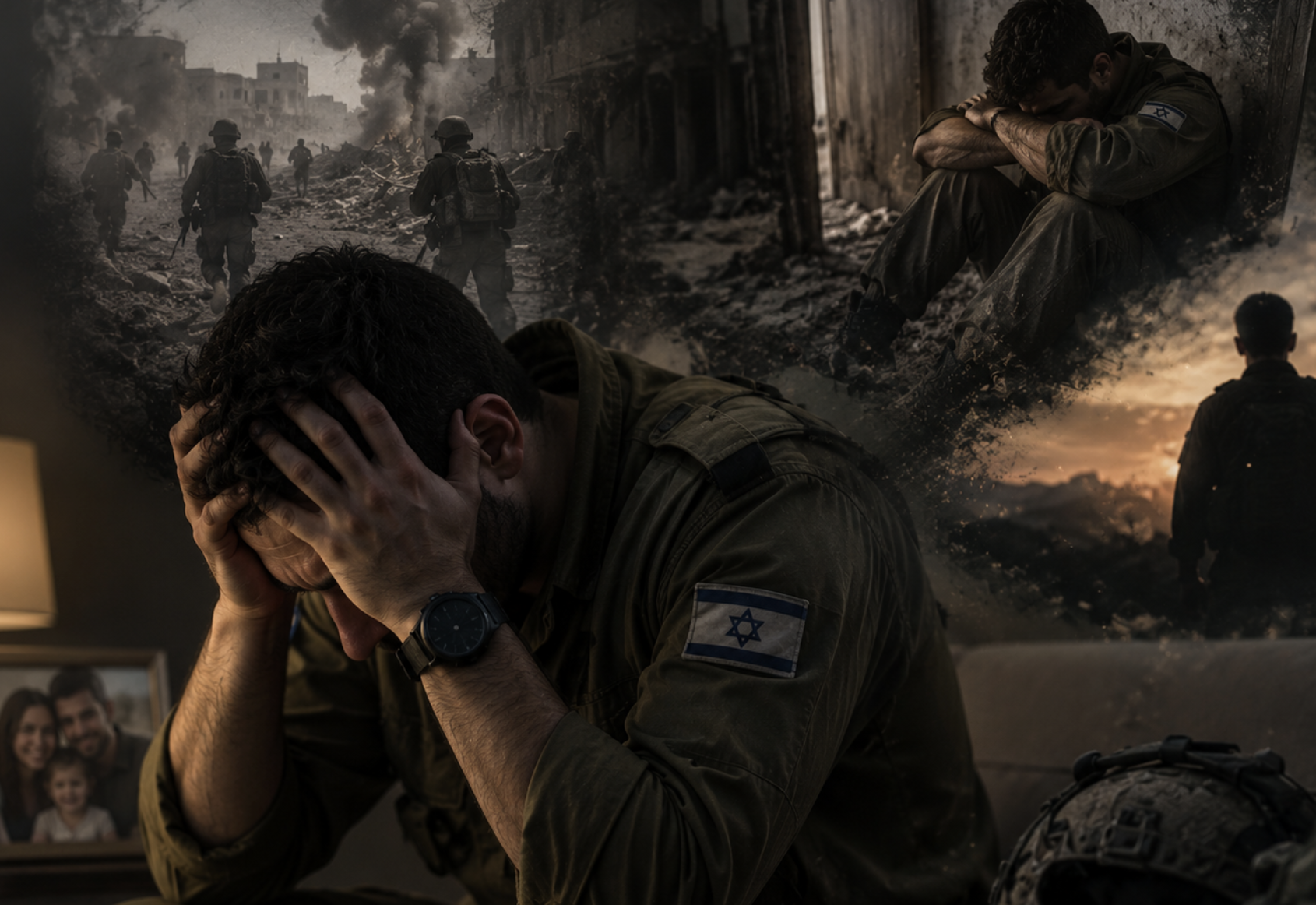
Trauma does not end when an incident ends. Civilians, families, reservists, first responders, and children may carry the impact for months or years. If you want lasting strength for Israel, support mental health services alongside physical protection. Fast-access psychiatric treatment, telehealth care, PTSD support, and local resiliency programs help people keep functioning, parenting, serving, and rebuilding.
This is one of the most overlooked high-impact areas because it lacks the visual immediacy of gear and equipment. Yet resilience is operational. A community that cannot recover cannot remain strong. Supporting trauma care is not secondary to security. It is part of security.
3. Give to organizations built for speed and accountability
Good intentions are common. High-performance execution is not.
If you want your support to matter, give to organizations that act like crisis operators, not committees. The best ones identify urgent needs directly from trusted partners, source reliable solutions, and move them quickly to the people who need them. They do not confuse process with progress.
This is where many donors become more disciplined over time. They stop asking only, “Is this a worthy cause?” and start asking, “Can this team execute under pressure?” That shift matters. In a high-stakes environment, accountability is not just financial. It is operational.
Organizations like Israel Friends have built trust by focusing on exactly that model: define the need, source the right solution, deliver it fast. For donors who care about visible outcomes, that kind of operating discipline is often what separates passive charity from real intervention.
4. Use your voice where it can move people
Financial support matters, but advocacy still has force when it is disciplined and credible. One of the best ways to support Israel is to speak clearly in your own circles – family, workplace, community, school, synagogue, church, business network, or social platforms.
That does not mean reposting everything you see or treating outrage as strategy. Effective advocacy is factual, steady, and human. It centers on the protection of civilians, the reality of trauma, the legitimacy of self-defense, and the need for practical support. It helps people understand what is actually happening and what responses are morally serious.
There is an important nuance here. Public advocacy can persuade, but it can also harden opposition if it becomes performative or careless. The goal is not to win every argument online. The goal is to move the people who are reachable, strengthen those who are wavering, and keep truth anchored in real human stakes.
5. Volunteer your time and skills
Money is not the only useful asset. Skill, labor, and network reach also matter.
If you have experience in logistics, fundraising, communications, event planning, digital marketing, healthcare, security technology, or community organizing, your contribution can extend well beyond writing a check. Many mission-driven supporters want to do more than donate once. They want to become part of a functioning support system. That is often where volunteer programs, ambassador efforts, and campaign partnerships become powerful.
The key is fit. Not every volunteer role is urgent, and not every skill is useful in every moment. The best volunteer placements are tied to actual operational need, not activity for its own sake. Ask where your experience can remove friction, save time, or expand reach. Those are real contributions.
6. Buy with purpose and help sustain the mission
For some supporters, recurring donations are not realistic every month. That does not mean they are on the sidelines.
Mission-supporting merchandise, peer-to-peer campaigns, workplace giving, and community fundraising can all create reliable support without requiring one large gift. These channels also widen the circle. A shirt, event, or campaign page can become a conversation starter that brings in new supporters who were waiting for a practical entry point.
This approach works best when it is tied to substance. People respond when they know what their purchase or fundraising effort supports. Protective equipment. Mental health care. Emergency response tools. Recovery services. Clear purpose makes participation stronger.
7. Build long-term commitment, not one-week emotion
The final answer to the best ways to support Israel is also the hardest: stay engaged after the headline fades.
Crisis moments create urgency, but long-term stability requires endurance. Equipment needs replenishment. Trauma treatment needs continuity. Families need support beyond the first shock. Security threats evolve. Recovery is not linear. If your support disappears when media attention drops, the needs do not disappear with it.
Long-term commitment does not require dramatic gestures. It can look like a monthly gift, a quarterly fundraiser, regular advocacy, volunteering, or simply choosing one trusted organization and backing its mission consistently. The point is reliability. In uncertain conditions, reliable support is a strategic advantage.
How to choose among the best ways to support Israel
It depends on what you can give and how you want that support to land.
If your priority is immediate life-saving effect, fund direct aid and protective equipment. If your priority is long-term national resilience, support trauma care and recovery. If your strength is influence, focus on disciplined advocacy and community mobilization. If you have entrepreneurial energy, build campaigns that raise both funds and visibility. The strongest support is not always the loudest. It is the support that matches your capacity to a real need and follows through.
A serious supporter does not need to do everything. But they should do something concrete, and they should do it with intention. Israel does not need more passive sympathy. It needs people willing to act with moral clarity, practical focus, and the discipline to help where help changes outcomes.
If you are deciding what to do next, choose one lane and move. Fund protection. Back trauma care. Volunteer your skills. Bring others with you. The most helpful support is the kind that reaches people before delay turns a solvable problem into a deeper wound.