A tourniquet is small enough to fit in a pocket. A thermal camera can scan a dark perimeter in seconds. A trauma counseling session may happen through a secure phone connection hours after an attack. These are examples of lifesaving donor funded equipment and services because the right resource, delivered at the right moment, can change what happens next.
For donors who care deeply about Israel’s security and resilience, broad promises are not enough. They want to know what a contribution can put in a defender’s hands, place near a vulnerable community, or make available to a survivor before trauma becomes a deeper crisis. That is the standard: defined need, vetted solution, direct delivery, measurable readiness.
Why Equipment Can Be a Life-Saving Decision
In a crisis, time is not an abstract metric. It is the distance between injury and treatment, between an unfamiliar sound and a verified threat, between a traumatic event and access to professional care. Donor-funded equipment matters when it closes one of those gaps.
Not every urgent need is a piece of hardware. Some needs require trained people, sustained clinical care, maintenance, or secure communications. Equipment only performs as intended when it is appropriate for the operating environment, supplied through trusted channels, and placed with people who know how to use it. But when those conditions are met, targeted funding can move faster than a slow institutional process and create practical protection where it is needed most.
Examples of Lifesaving Donor Funded Equipment in Action
Individual first-aid kits and hemorrhage-control supplies
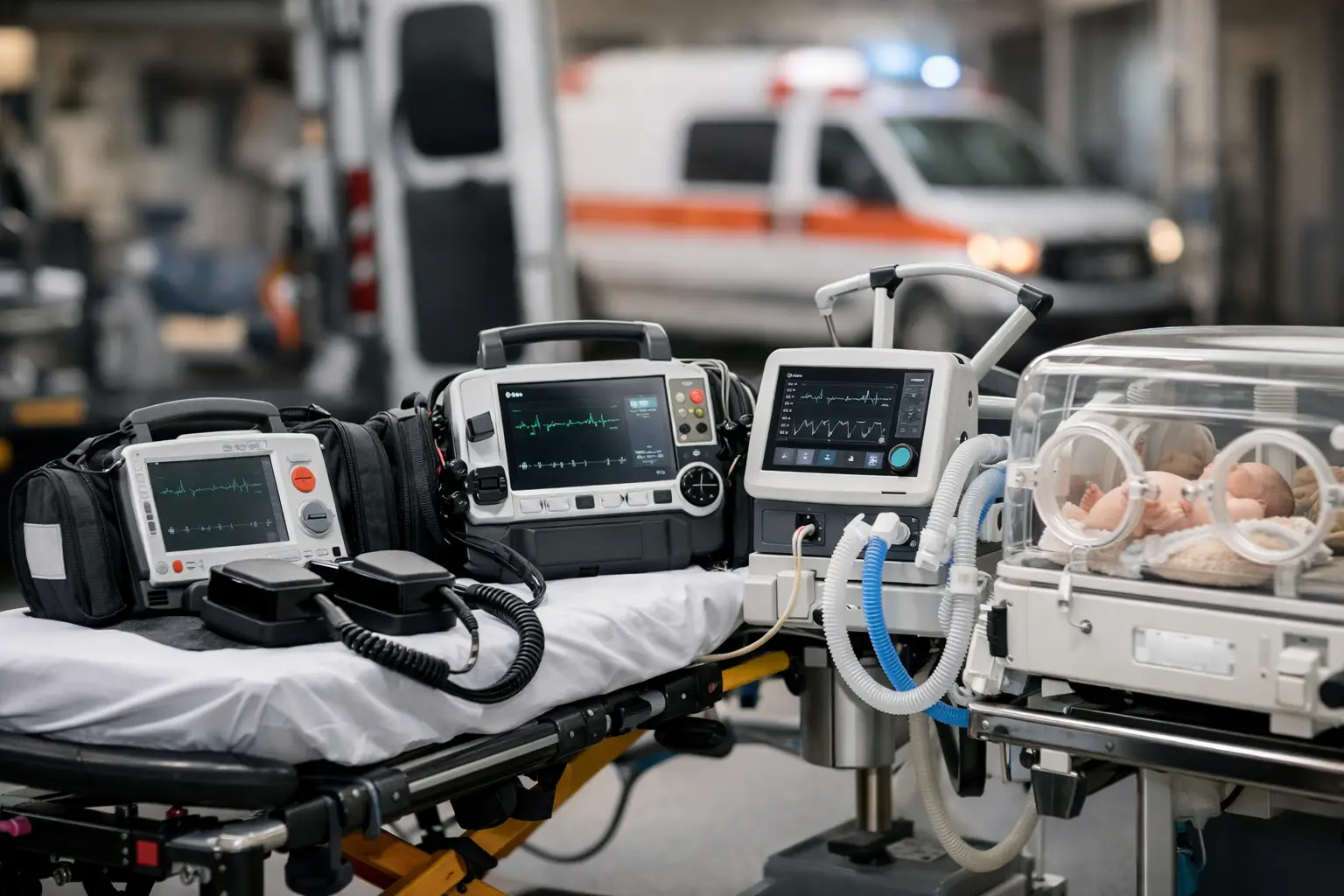
An individual first-aid kit, often called an IFAK, gives trained personnel immediate access to essential trauma supplies. Depending on the need, kits may include tourniquets, pressure dressings, hemostatic gauze, chest seals, gloves, trauma shears, and emergency blankets. Their value is direct: severe bleeding and chest injuries demand action before evacuation or advanced medical care is available.
The goal is not to replace medics, ambulances, or hospitals. It is to give a defender, first responder, or trained civilian the ability to provide the first critical intervention. A fully stocked kit also reduces the dangerous reality of improvising under pressure with supplies that may not be sterile, accessible, or suited to the injury.
Ballistic eyewear and personal protective gear
Eye injuries can permanently alter a life and can immediately remove a trained person from a mission. Ballistic eyewear is designed to help protect against fragments, debris, dust, and other hazards encountered in high-risk environments. It may look simple compared with advanced surveillance technology, but protecting vision is operationally significant.
Protective equipment has a basic principle behind it: prevention is better than response. The right gear must meet relevant safety standards, fit the user properly, and be suitable for the environment. A donation that funds low-quality or poorly fitted equipment can create false confidence. A donation that funds vetted equipment can preserve capability before injury occurs.
Thermal cameras for low-visibility awareness
Darkness, smoke, terrain, weather, and distance can obscure a potential threat. Thermal cameras help operators detect heat signatures when ordinary visual observation is limited. For communities near high-risk areas and teams operating at night, that added visibility can improve situational awareness and support faster, more informed decisions.
Thermal technology is not a substitute for trained judgment. It can produce ambiguous readings, and it needs skilled operators, power, secure placement, and a response protocol. Yet its benefit is clear: earlier detection may give defenders and civilians more time to take protective action.
Drones for rapid assessment and reconnaissance
A drone can reach an area faster than a ground team, relay visual information, and help leaders assess routes, damage, hazards, or suspicious activity without sending people into an unknown situation first. That matters after an attack, during a search, or when terrain makes direct observation difficult.
Donor funding for drones should account for more than the aircraft itself. Effective deployment may require trained pilots, batteries, replacement parts, secure data practices, and compliance with applicable operational rules. The strongest equipment programs fund a working capability, not a box that sits on a shelf.
Surveillance and perimeter-monitoring systems
Cameras, sensors, communication tools, and monitoring systems can extend the reach of a security team around vulnerable areas. A well-designed system helps identify anomalies, document incidents, and direct a response toward the right location. The difference may be minutes, but minutes are often the margin that matters.
There is no one-size-fits-all surveillance package. A rural community, an urban facility, and a temporary emergency site have different coverage needs, power constraints, and privacy considerations. That is why needs assessment comes before procurement. Technology should serve a real security plan, not become a symbol of action.
Emergency communications and power equipment
When regular networks are overloaded or damaged, communications become a protective asset. Radios, charging systems, backup batteries, portable power stations, and other field-ready tools can help teams coordinate evacuations, request medical support, share verified information, and keep critical devices functioning.
These tools are less visible than drones or cameras, but they are often what holds a response together. A thermal camera with no power, an IFAK stored where no one can reach it, or a team that cannot communicate will not deliver its intended benefit. Resilience depends on connected systems, not isolated purchases.
Trauma care technology and telehealth access
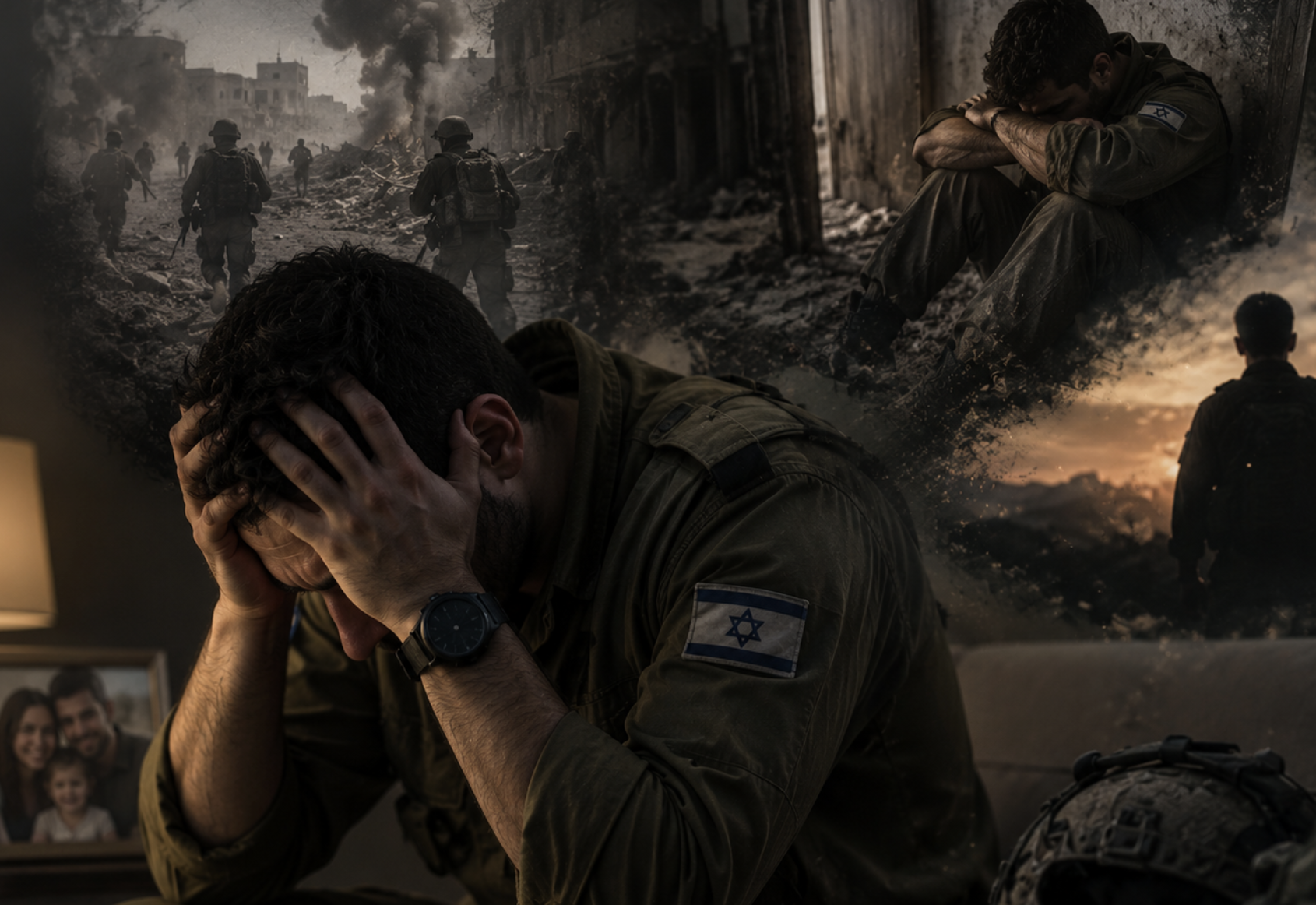
A life can be threatened long after the immediate danger has passed. Survivors, defenders, and families may carry acute stress, grief, anxiety, sleep disruption, and post-traumatic symptoms that affect their ability to work, parent, serve, and recover. Fast-access psychiatric care and trauma-informed counseling are therefore part of life-saving readiness.
Telehealth platforms, secure clinical connections, and trauma care programs can shorten the distance between a person in distress and a qualified professional. They are especially valuable when travel is difficult, stigma delays help-seeking, or local providers are overwhelmed. Technology alone is not treatment, but it can make treatment reachable sooner.
What Responsible Donor Funding Looks Like
The most meaningful donation is not always directed to the most dramatic item. It is directed to the need with the clearest operational case. An organization should be able to explain who needs the equipment, why it is appropriate, how it will be sourced, and what must happen after delivery for it to remain useful.
Responsible funding also includes trade-offs. A single high-cost device may provide a major capability for one location, while the same amount could equip many people with first-aid supplies. Neither choice is automatically right. The decision depends on urgency, risk level, current inventory, training capacity, and the expected life of the equipment.
For Israel Friends, the work is built around action without careless shortcuts: identify urgent needs on the ground, source vetted solutions, and move them to the people who need them. That approach recognizes that speed matters, but accountability matters too.
Ask Better Questions Before You Give
Donors have every right to ask practical questions. Is this equipment requested by those operating on the ground? Is it durable and fit for purpose? Who will receive training? What replenishment, maintenance, batteries, connectivity, or clinical follow-up will be needed? Can the organization communicate the impact without compromising the security of personnel or locations?
Those questions do not slow down life-saving work. They make it stronger. They help ensure a gift becomes a reliable capability rather than a short-lived gesture.
The next time an urgent need is presented, look past the label and picture the moment of use: a responder controlling bleeding, a community team seeing through darkness, a family reaching a trauma professional before isolation takes hold. Give where the path from donation to protection is clear, credible, and built to hold under pressure.