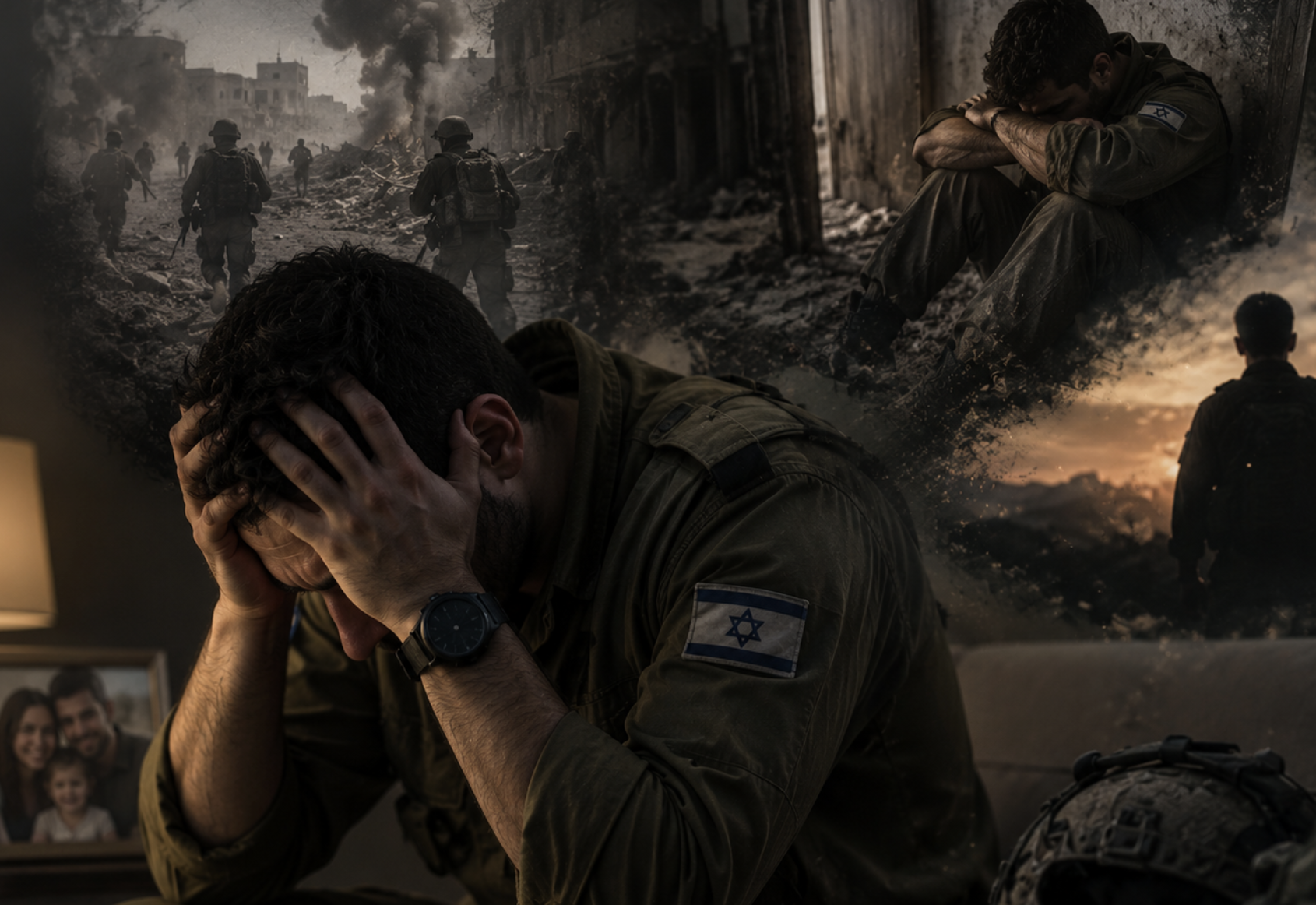

When a family needs trauma care after a rocket attack, or a responder needs protective gear before the next shift starts, the debate around direct aid versus traditional charity stops being theoretical. Speed matters. Precision matters. And for donors who care about protecting lives, the real question is not which model sounds better on paper. It is which model gets the right help to the right people before the window to act closes.
What direct aid versus traditional charity really means
Direct aid is exactly what it sounds like. A need is identified, a solution is sourced, and support is delivered with as little friction as possible. That can mean funding IFAK kits, thermal cameras, ballistic eyewear, emergency trauma treatment, telehealth psychiatric care, or other mission-critical support tied to a specific operational need.
Traditional charity usually works through larger institutional structures. It may support broad programs, pooled funds, long planning cycles, grant reviews, and multiple administrative layers before aid reaches the field. That model can do meaningful work, especially when the goal is long-term infrastructure, major public services, or large-scale social programming. But in fast-moving, high-stakes situations, every extra layer can slow delivery and blur outcomes.
That is the core of direct aid versus traditional charity. One model is built for immediate, visible intervention. The other is often built for scale, process, and institutional continuity.
Why donors are rethinking direct aid versus traditional charity
Donors are not just giving to a cause anymore. They are evaluating execution. They want to know what their support did, who received it, and whether it solved an urgent problem.
That shift is easy to understand. People have grown skeptical of vague promises and broad fundraising language that never gets specific. If a donor gives toward civilian protection, they want to know whether that meant surveillance systems for vulnerable communities, protective equipment for defenders, or fast-access PTSD treatment for those carrying the psychological cost of war.
Direct aid meets that expectation because it is easier to connect dollars to outcomes. The donor is not funding an abstract intention. They are helping move a defined solution into the field.
Traditional charity can struggle here, not because it lacks compassion, but because it often communicates at a higher altitude. Money may support a general mission, but the path from donation to impact can be harder to trace. For some supporters, that is acceptable. For others, especially those motivated by urgency and accountability, it is a serious drawback.
The strongest case for direct aid
Direct aid is built for moments when delay carries a cost. In security and humanitarian environments, that cost can be measured in exposure, trauma, and preventable loss.
Its biggest strength is operational speed. If a frontline team lacks equipment, or a community needs monitoring tools after a threat spike, direct aid can move from need identification to delivery without waiting on a long institutional calendar. That speed does not just feel efficient. It changes outcomes.
Its second strength is clarity. A focused intervention is easier to measure than a broad promise. You can count kits delivered, devices deployed, treatment sessions funded, and families served. That makes stewardship stronger and donor trust easier to earn.
Its third strength is adaptability. Conditions on the ground change fast. Direct aid organizations can adjust quickly, shift resources, source alternatives, and respond to what is happening now rather than what was approved months ago.
This is where an action-first model stands apart. When an organization works closely with trusted local partners, vetted vendors, medical networks, and security stakeholders, it can define the need, source the solution, and deliver impact without losing momentum to bureaucracy.
Where traditional charity still has an important role
A serious conversation about direct aid versus traditional charity has to admit something important. Traditional charity is not obsolete. In some cases, it is the better tool.
Large institutions can build long-term systems that direct aid alone usually cannot. Hospitals, school networks, rehabilitation programs, social services, and regional infrastructure often require sustained administrative capacity, broad compliance frameworks, and multiyear planning. Those are not weaknesses when the mission calls for stability and scale.
Traditional charities may also be better positioned for complex grantmaking, legacy endowments, and programs where immediate visibility is less important than continuity over time. If the goal is to maintain a large care network for years, structure matters.
The problem starts when that structure becomes the mission. Process has value, but only up to the point where it still serves people. When approvals, reporting layers, and internal complexity begin to outrun urgency, donors are right to ask harder questions.
The trade-offs donors should actually examine
The smartest donors do not choose based on branding alone. They look at fit.
If a crisis demands rapid-response protective equipment, trauma stabilization, or urgent mental health access, direct aid is often the stronger model. It is built for immediacy, and its performance can usually be tracked in concrete terms.
If the need involves institutional maintenance, broad social support over many years, or a complex public service framework, traditional charity may offer strengths that direct aid does not.
There are trade-offs on both sides. Direct aid can be highly effective, but only if the organization has disciplined sourcing, trusted field relationships, and strong accountability. Without those, speed can become improvisation. Traditional charity can deliver sustained programs, but only if its structure does not smother responsiveness.
That means the right question is not, which model is morally superior? The better question is, which model is structurally aligned to this need, right now?
What accountability looks like in direct aid
Accountability in direct aid is not polished language or oversized annual reports. It is evidence that the organization knows what is needed, why it matters, how it will be delivered, and what changed once it arrived.
For donors, that means looking for specifics. Was the need clearly defined? Were partners vetted? Were deliverables identified in plain terms? Can the organization explain the operational value of what it funds, whether that is emergency medical gear, surveillance support, or psychiatric treatment for trauma survivors?
Strong direct aid organizations tend to be transparent because they have to be. Their model depends on trust, and trust depends on visible execution. In this space, credibility comes from doing the work and showing the result.
That is why many donors are drawn to organizations that operate with startup discipline and humanitarian purpose. They do not want layers for the sake of layers. They want a team that sees the gap, moves fast, and stays accountable for the outcome.
Why this matters so much in Israel
In Israel, urgent needs do not wait for administrative comfort. Threat conditions can change in hours. Communities can move from routine to emergency with little warning. Defenders and civilians may need support that is highly specific, time-sensitive, and operationally critical.
That is why direct aid has such force in this context. It matches the reality on the ground. Protective technology, field medical readiness, and trauma care are not abstract charitable categories. They are immediate interventions that can protect lives, strengthen resilience, and help people recover faster.
For supporters who care deeply about Israel’s security and stability, this is not only about generosity. It is about effectiveness under pressure. It is about whether giving turns into action while that action can still make a difference.
Organizations like Israel Friends have built their model around that principle – move quickly, stay disciplined, and direct resources where they can do the most good without bureaucratic drag. For many donors, that approach feels closer to stewardship than charity in the old sense. It treats every dollar like a mission asset.
How to decide where your support belongs
If you are weighing direct aid versus traditional charity, start with the outcome you want to create. If you want broad institutional support over the long term, a traditional model may fit. If you want your giving tied to urgent needs, concrete deliverables, and visible execution, direct aid will likely feel more aligned.
Then ask harder questions than most campaigns invite. How fast can this organization act? How clearly can it define the need? How close is it to the people doing the work on the ground? Can it explain impact without hiding behind generalities?
Donors should not feel guilty for expecting precision. In serious environments, precision is compassion with discipline attached.
The most meaningful giving is not always the most familiar. Sometimes the best expression of care is not writing a check into a large system and hoping for the best. Sometimes it is choosing a model built to act while action still counts.