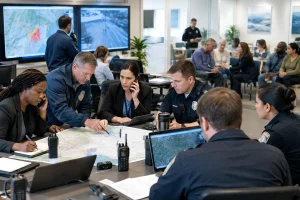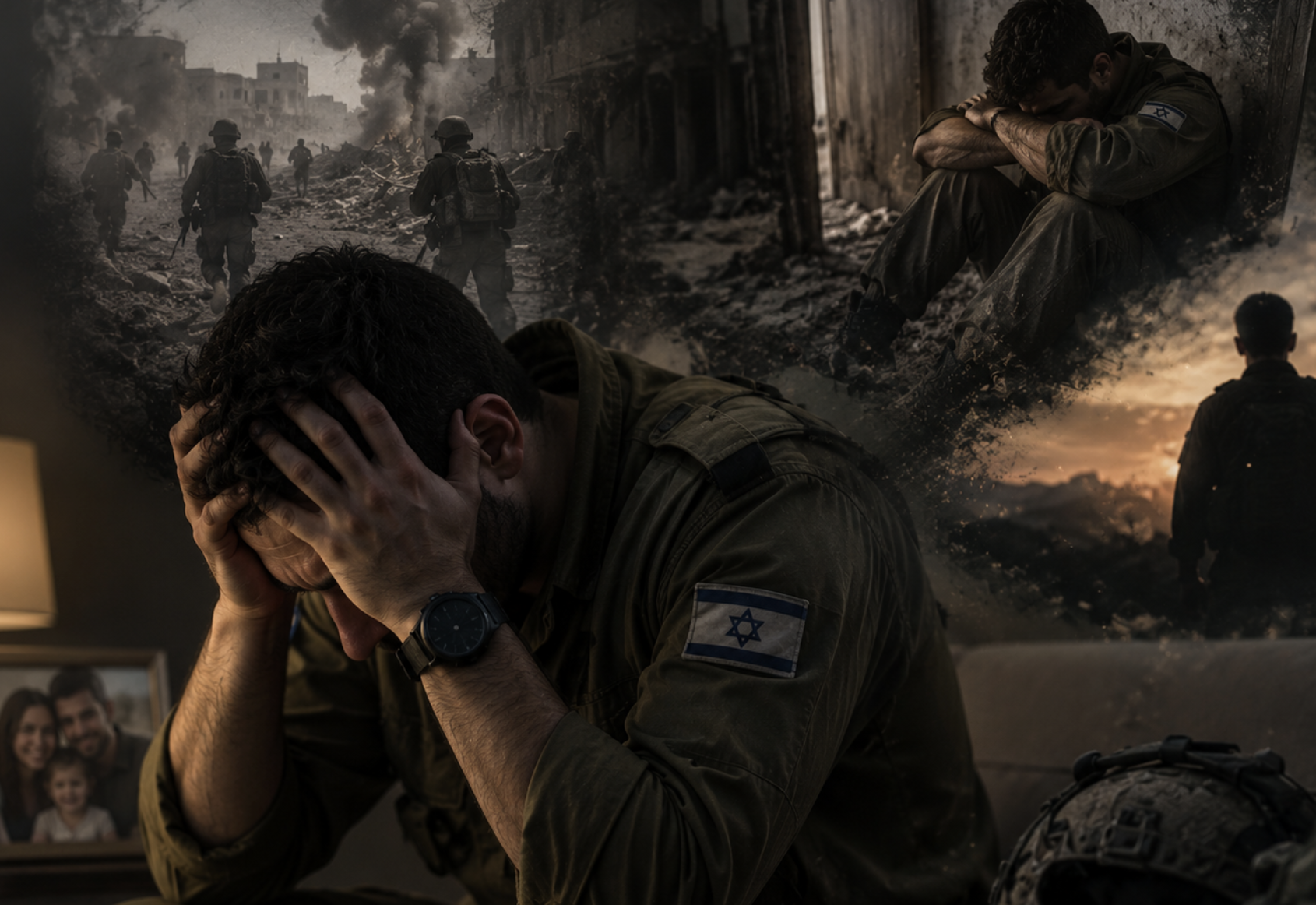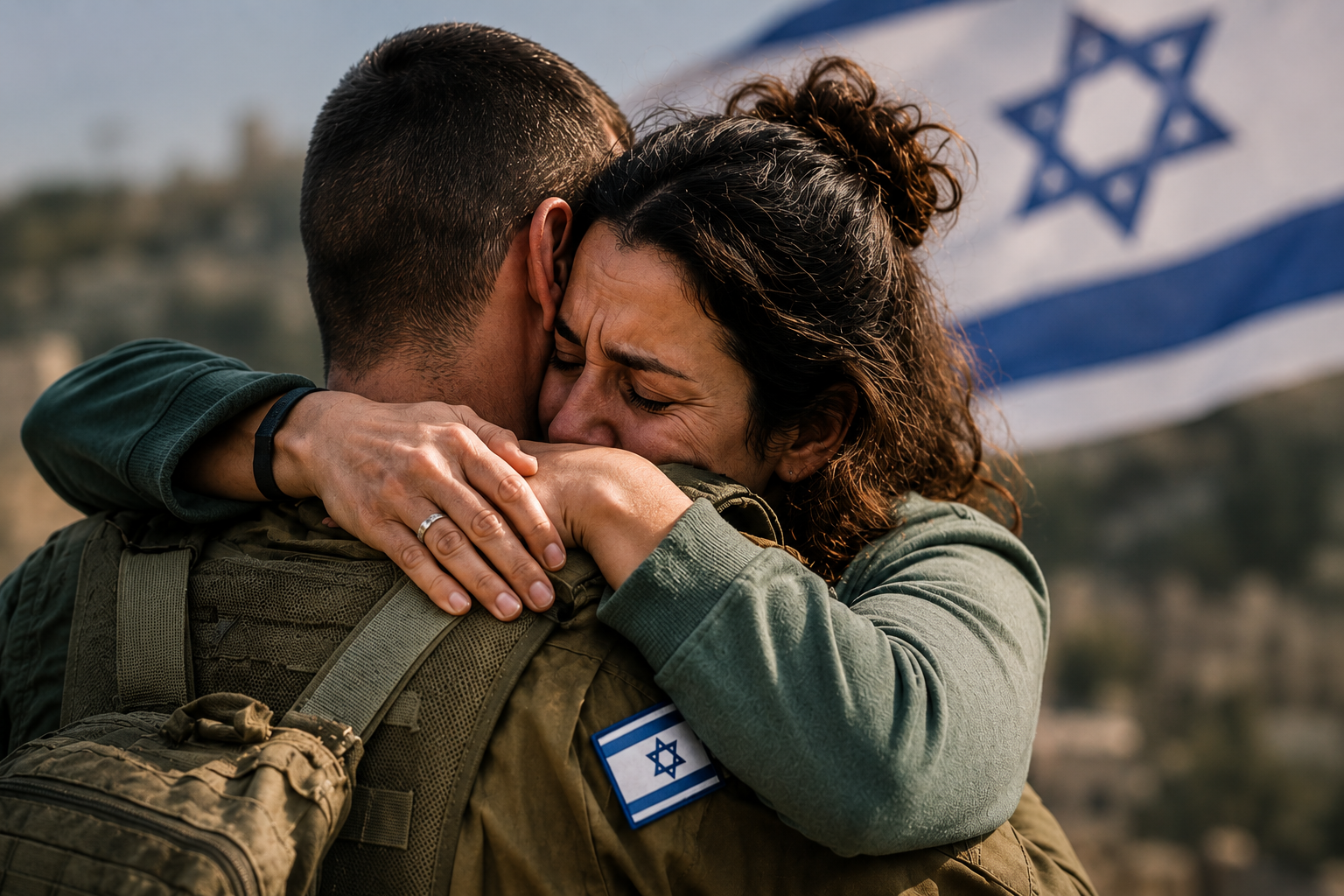
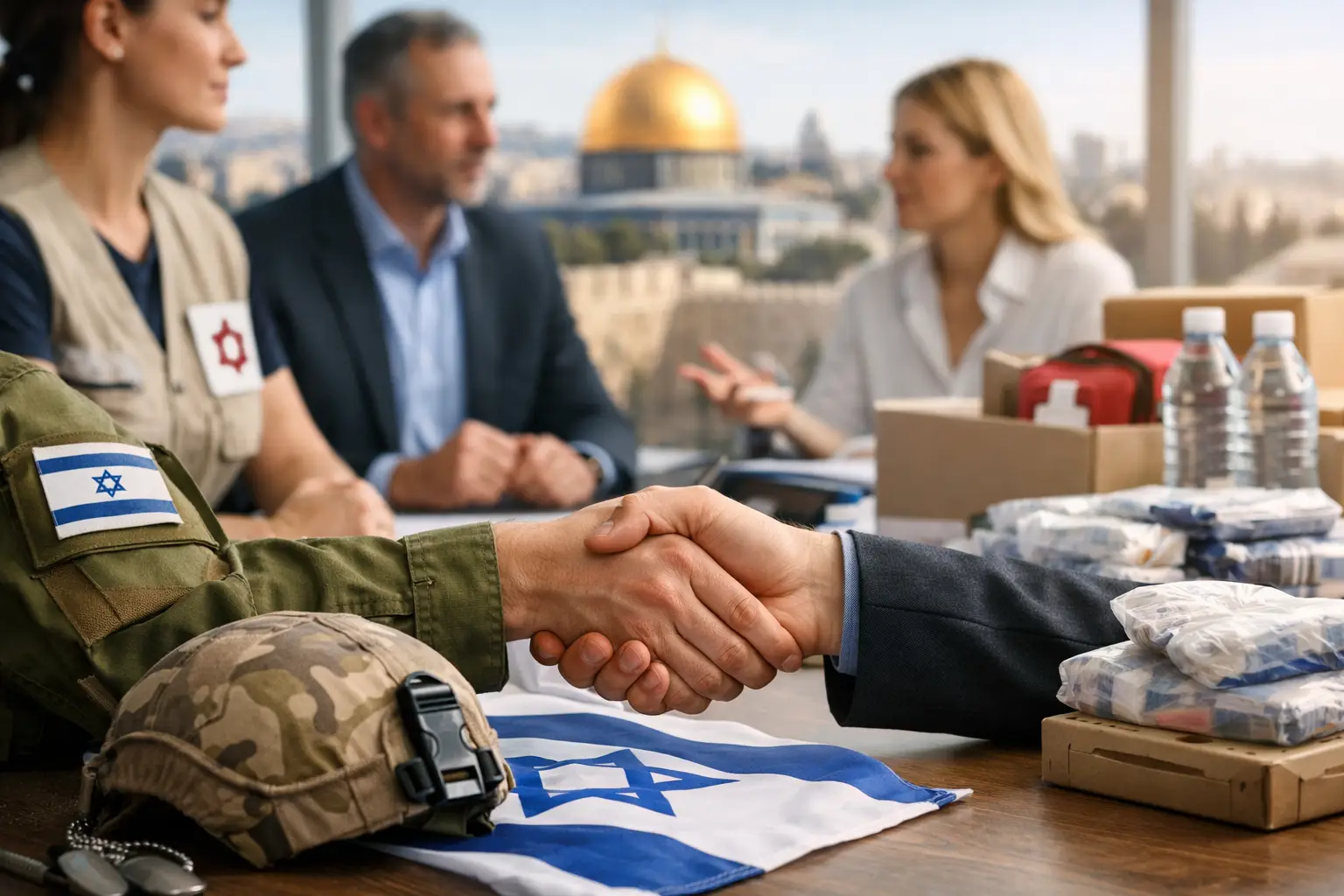
A guide to Israel resilience support begins where crisis is most visible: a family needs trauma care before fear hardens into isolation; a defender needs lifesaving equipment before the next call-out; a community needs the means to communicate, observe, and respond before a threat becomes a loss. Resilience is not a slogan. It is the practical ability to protect life, recover from trauma, and keep functioning under pressure.
For supporters of Israel, the question is not whether needs exist. The question is how to direct resources where they can produce immediate, accountable, life-protecting results. The strongest resilience support does not treat security, medical care, and recovery as separate missions. It recognizes that each one reinforces the others.
What Israel Resilience Support Actually Means
Israel’s resilience is built in homes, medical settings, local communities, and on the front lines. It depends on civilians who can access care after trauma, responders who have the right equipment, and institutions that can continue serving people when demand rises without warning.
That requires more than broad statements of solidarity. It requires specific interventions: individual first aid kits for emergency response, protective eyewear for dangerous conditions, thermal cameras and surveillance systems that improve awareness, drones that extend visibility, and fast-access mental health care for people carrying the psychological weight of conflict.
Each intervention addresses a different point of failure. A medical kit can help stabilize an injury in the first critical minutes. Protective equipment can reduce preventable harm. Surveillance tools can help identify risks sooner. PTSD treatment and telehealth psychiatric care can keep trauma from taking over a person’s ability to work, parent, sleep, or return to daily life.
Resilience support is strongest when it is designed for the reality on the ground, not for the convenience of a distant system. Needs change quickly. The response must be able to change quickly, too.
Why Speed Is a Form of Protection
When a community or defender has an urgent need, delay is not neutral. Delayed equipment can leave a team exposed. Delayed trauma treatment can deepen distress. Delayed funding can force local organizations to choose between immediate care and long-term stability.
That is why effective support follows a clear operating discipline: define the need, source a vetted solution, and deliver it directly. This approach does not eliminate the need for oversight. It makes oversight more meaningful by tying resources to a real requirement, a documented solution, and a visible outcome.
There are trade-offs. Rapid response should never mean careless purchasing or vague reporting. The goal is not to move money fast for its own sake. The goal is to move the right resources fast enough to matter. Responsible organizations verify needs with trusted local partners, government entities, medical providers, community leaders, and qualified vendors. They prioritize equipment and care that can be used now, while remaining useful after the immediate emergency fades.
For donors, that distinction matters. A contribution is most powerful when it is connected to a defined purpose rather than absorbed into a message that is emotionally compelling but operationally unclear.
The Three Fronts of Lasting Resilience
1. Frontline readiness
Readiness is about reducing vulnerability before a crisis escalates. Defenders and emergency responders need dependable tools that help them assess danger, protect themselves, communicate clearly, and provide immediate care.
An IFAK kit is not symbolic support. It is a compact set of medical supplies intended for immediate treatment in high-pressure situations. Ballistic eyewear is not a luxury. It can protect vision, mobility, and a responder’s ability to continue the mission. Thermal imaging, drones, and surveillance systems can give teams greater situational awareness when visibility is limited and decisions must be made quickly.
Not every need calls for the same equipment. A rural community, an urban response team, and a medical facility may face different risks and require different capabilities. The principle is consistent: fund practical tools selected for the people who will use them.
2. Civilian protection and continuity
A resilient civilian population is one that can endure disruption without being abandoned to it. That includes support for communities facing security threats, displaced families managing uncertainty, and local organizations trying to maintain essential services under extraordinary strain.
Protection is also about continuity. Communities need the capacity to stay connected, receive accurate information, care for vulnerable neighbors, and respond when routine systems are disrupted. Equipment can strengthen that capacity, but so can flexible aid directed toward urgent local needs.
The best support respects local knowledge. People closest to the threat often understand what will help their community recover fastest. Donors and partners should demand accountability, but they should also avoid imposing one-size-fits-all solutions from far away.
3. Trauma recovery that begins now
The injuries of conflict are not always visible. Trauma can appear as hypervigilance, grief, insomnia, panic, depression, withdrawal, or an inability to return to ordinary responsibilities. Left untreated, it can affect families, workplaces, schools, and whole communities.
Fast-access PTSD treatment is therefore not secondary to security. It is part of security. When civilians and defenders can reach qualified clinicians, resiliency centers, and telehealth psychiatric services without long waits, they have a better chance to regain stability before symptoms become more severe.
Care must be timely, confidential, and culturally aware. Some people need in-person treatment. Others may seek help more readily through telehealth, especially when distance, schedules, stigma, or security conditions create barriers. The right model depends on the individual, but the need for accessible care is universal.
How to Evaluate a Resilience Support Effort
Supporters should be moved by the mission, but they should also ask disciplined questions. Strong giving combines compassion with clear expectations.
Look for an organization that can explain what it funds, why that need was selected, and how it gets resources into use. It should be able to describe its local relationships without relying on inflated language or generic promises. It should also communicate the difference between immediate emergency aid and longer-term recovery work.
A practical donor checklist includes four questions:
- Is the need specific, urgent, and verified by credible partners on the ground?
- Does the organization identify the actual equipment, service, or program being funded?
- Is there a direct path from contribution to delivery, treatment access, or community use?
- Does the work strengthen both immediate protection and the ability to recover afterward?
No organization can meet every need. That is not the standard. The standard is focus, speed, integrity, and the willingness to show how action turns into impact.
Guide to Israel Resilience Support: Turning Concern Into Action
The most useful support begins with choosing a lane. Some donors are drawn to emergency medical readiness. Others want to strengthen protective technology, fund trauma care, equip civilian responders, or sustain local recovery programs. Focused support often produces clearer outcomes than trying to address every challenge at once.
Consider whether your contribution can be recurring. One-time gifts are essential in an emergency, but recurring support gives response teams the ability to plan, source supplies, and maintain treatment access when headlines move on. For philanthropic families and business leaders, a dedicated resilience commitment can also create a more intentional giving strategy tied to measurable priorities.
Action is not limited to donating. Community members can organize campaigns, engage their networks, volunteer their professional skills, host mission-focused gatherings, or become ambassadors who bring credible information to people ready to help. The purpose is not visibility for its own sake. It is to build a wider circle of people who understand that Israel’s security and recovery require sustained participation.
Israel Friends operates from this same conviction: urgent needs deserve direct action, vetted solutions, and a refusal to let bureaucracy become the reason help arrives too late.
The work will remain demanding. There will always be competing needs, incomplete information, and pressure to respond faster than systems are built to move. But meaningful resilience is created one practical decision at a time: protect a responder, equip a community, connect a survivor to care, and stand behind the people doing the hard work of recovery. The right moment to act is before the next urgent call makes delay impossible.