A shard of glass, a metal fragment, or a split-second blast wave can end a mission and change a life. That is why ballistic eyewear donation Israel support is not a minor gear request. It is direct protection for the people standing between danger and the communities they defend.
For many donors, protective equipment sounds abstract until you understand what happens on the ground. Eye injuries are fast, permanent, and often preventable. In active combat zones, border operations, emergency response scenes, and civilian security deployments, defenders face flying debris, fragmentation, dust, smoke, and sudden impact threats that ordinary eyewear was never built to stop. When the right ballistic eyewear gets into the right hands quickly, it does more than improve comfort. It protects vision, preserves operational capacity, and reduces one more avoidable injury in an already high-risk environment.
Why ballistic eyewear donations efforts matter in Israel
Body armor gets attention because it is visible and intuitive. Ballistic eyewear is easier to overlook, even though the eyes are among the most vulnerable parts of the body. A responder can keep moving with bruises or cuts. Vision loss is different. It can end a deployment, trigger long-term disability, and create lasting trauma for the individual and the family behind them.
That is why smart donors look past broad charity language and ask a harder question: what equipment changes outcomes immediately? Ballistic eyewear belongs in that category. It helps shield against shrapnel, ricochet fragments, blunt impact, and environmental hazards that degrade situational awareness. In practical terms, that means stronger readiness, safer movement, and fewer preventable losses.
There is also a simple operational truth here. A unit or responder is only as effective as its weakest layer of protection. If advanced tools, communications systems, and medical supplies are in place but eye protection is missing, the risk picture is still compromised. Real readiness is not built through headline items alone. It is built through complete, field-ready kits.
What donors are really funding
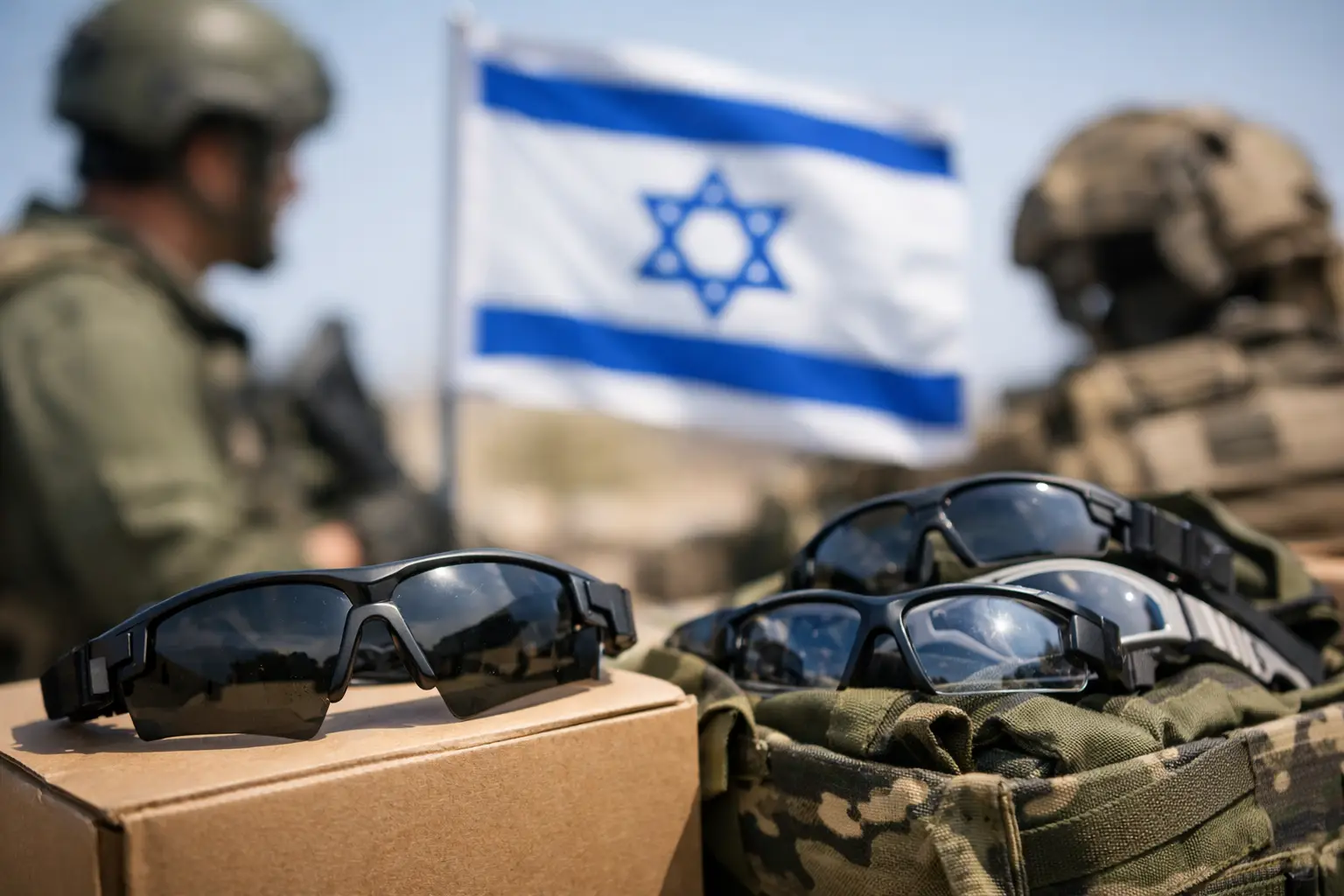
When people hear the phrase ballistic eyewear, they sometimes picture generic safety glasses. That is not the standard serious operations require. Proper ballistic eyewear must meet impact resistance requirements, fit securely under pressure, maintain clarity in difficult conditions, and work with helmets, hearing protection, and other mission gear. If eyewear fogs, slips, distorts vision, or fails under impact, it is not doing its job when it matters most.
A ballistic eyewear donation Israel campaign, when run correctly, is about more than purchasing products. It is about defining the need, sourcing vetted equipment, and delivering it fast enough to matter. That means verifying use cases, avoiding mismatched inventory, and making sure protective gear is actually deployable in field conditions.
This is where execution separates effective nonprofit action from slow institutional drift. In a crisis environment, speed matters. Procurement matters. Vendor quality matters. Accountability matters. Donors are not just paying for objects. They are funding the ability to move from need identification to field delivery without wasting critical time.
Not all protective eyewear solves the same problem
This is where nuance matters. Different operational settings call for different solutions. A defender in an active combat environment may need a different lens setup than a medic, a search-and-rescue volunteer, or a civilian emergency security team member. Clear lenses may be critical for night operations or indoor response. Tinted lenses may help in bright outdoor conditions. Anti-fog performance can be mission-critical in heat, stress, and rapid movement.
Fit also matters more than many donors realize. Protective eyewear that causes pressure points, interferes with other equipment, or limits peripheral vision may end up unused. That is a hard truth in any gear program. The best equipment on paper is not always the best equipment in practice. The right donation effort accounts for real operational wear, real compatibility, and real user needs.
That is one reason unrestricted emergency support can be powerful when managed by an organization with close field visibility. Sometimes the most responsible approach is not forcing one product category at one moment. It is backing a system that can respond to the immediate equipment gap that frontline teams are actually reporting.
Ballistic eyewear donations in Israel that support rapid response
In high-stakes environments, delay carries a cost. Traditional charity models often move too slowly for frontline protection needs. Layers of approval, long sourcing timelines, and broad pooled spending can leave urgent requests waiting while conditions on the ground keep changing.
A faster model works differently. First, identify the requirement with trusted contacts and operational partners. Next, source vetted protective equipment that matches the mission environment. Then deliver quickly, with a clear line from donor support to field impact. That approach is not flashy. It is disciplined. And in crisis response, discipline saves time, money, and lives.
This is the value of a mission-driven, entrepreneurial aid model. It treats protective technology the way frontline teams experience it – as a requirement, not a luxury. It recognizes that a delayed donation can be functionally similar to a missed donation if equipment arrives after the highest-risk window has already passed.
For supporters who care about Israel’s security and resilience, that should shape how giving decisions are made. The strongest donation is not always the one attached to the broadest message. Often, it is the one tied to a specific vulnerability and a fast, measurable response.
What accountable giving looks like
Donors are right to ask tough questions. How do we know the gear is needed? Who receives it? How quickly can it be deployed? Is the equipment field-appropriate? Those questions do not slow the mission down. They strengthen it.
Accountable giving in this space means there is a real process behind the urgency. Needs are identified by people with current ground awareness. Equipment is sourced through trusted channels. Delivery is tied to practical deployment, not symbolic distribution. The result is a donation pathway that respects both the seriousness of the threat and the seriousness of donor intent.
That is also why specificity matters in communications. Protective eyewear should not be buried inside vague language about helping however possible. Donors deserve to understand the operational logic behind the ask. When they do, they can see the direct line between contribution and outcome: protected eyes, maintained readiness, reduced injury risk, and stronger defensive capacity.
Israel Friends has built its mission around that kind of action – define the need, source the solution, deliver without delay. For donors who want visible impact instead of slow-moving overhead, that model matters.
Why this issue resonates beyond the front line
Ballistic eyewear protects individuals, but the effect reaches further. Every prevented eye injury means less strain on emergency medicine, less long-term rehabilitation, less trauma carried home, and one more trained person able to keep serving. In a prolonged security environment, those gains compound.
There is also a moral dimension that serious supporters understand immediately. If a threat is known and a practical layer of protection exists, waiting becomes its own decision. Supporting protective equipment is a way of refusing preventable harm. It turns concern into action and solidarity into equipment that can actually be worn, used, and counted on.
For many in the Jewish community, for pro-Israel advocates, and for values-driven families who want their philanthropy tied to concrete outcomes, that is exactly the point. Giving should not disappear into abstraction. It should move toward protection, resilience, and measurable readiness.
The strongest support is informed support
A ballistic eyewear donation Israel initiative is not about optics. It is about eyesight, survivability, and the practical realities of protection under threat. The more donors understand that, the more strategic their support becomes.
Some will choose to fund eyewear directly because the need is immediate and specific. Others will support broader rapid-response efforts that allow vetted teams to fill whichever protection gaps are most urgent at a given moment. Both approaches can be valid. It depends on the operational picture, the supply chain, and what trusted field partners are reporting in real time.
What should stay constant is the standard: act quickly, source wisely, and tie every dollar to visible defensive value. Protective gear may not always generate the loudest headlines, but when it prevents a life-altering injury, it has done exactly what it was supposed to do.
The most meaningful donations are often the ones that keep someone standing, seeing clearly, and able to protect others for one more day.