A drone overhead can change the next five minutes – and in a security event, five minutes can mean the difference between interception and loss. That is why drones for Israel security support have become more than useful equipment. They are now part of the frontline logic of protection: see earlier, decide faster, move smarter, and reduce unnecessary exposure for both defenders and civilians.
For supporters who care about concrete outcomes, this matters because drones are not abstract technology. They deliver immediate operational value. They help teams scan open terrain, monitor perimeter breaches, track suspicious movement, and assess danger before sending people into it. In a country facing constant, evolving threats, that kind of visibility is not optional. It is life-saving.
Why drones for Israel security support matter now
Israel’s security environment is shaped by speed, unpredictability, and compressed decision windows. Threats can emerge from border areas, roads, rural communities, urban edges, or critical infrastructure zones. In each case, the first challenge is the same: gaining accurate information fast enough to act.
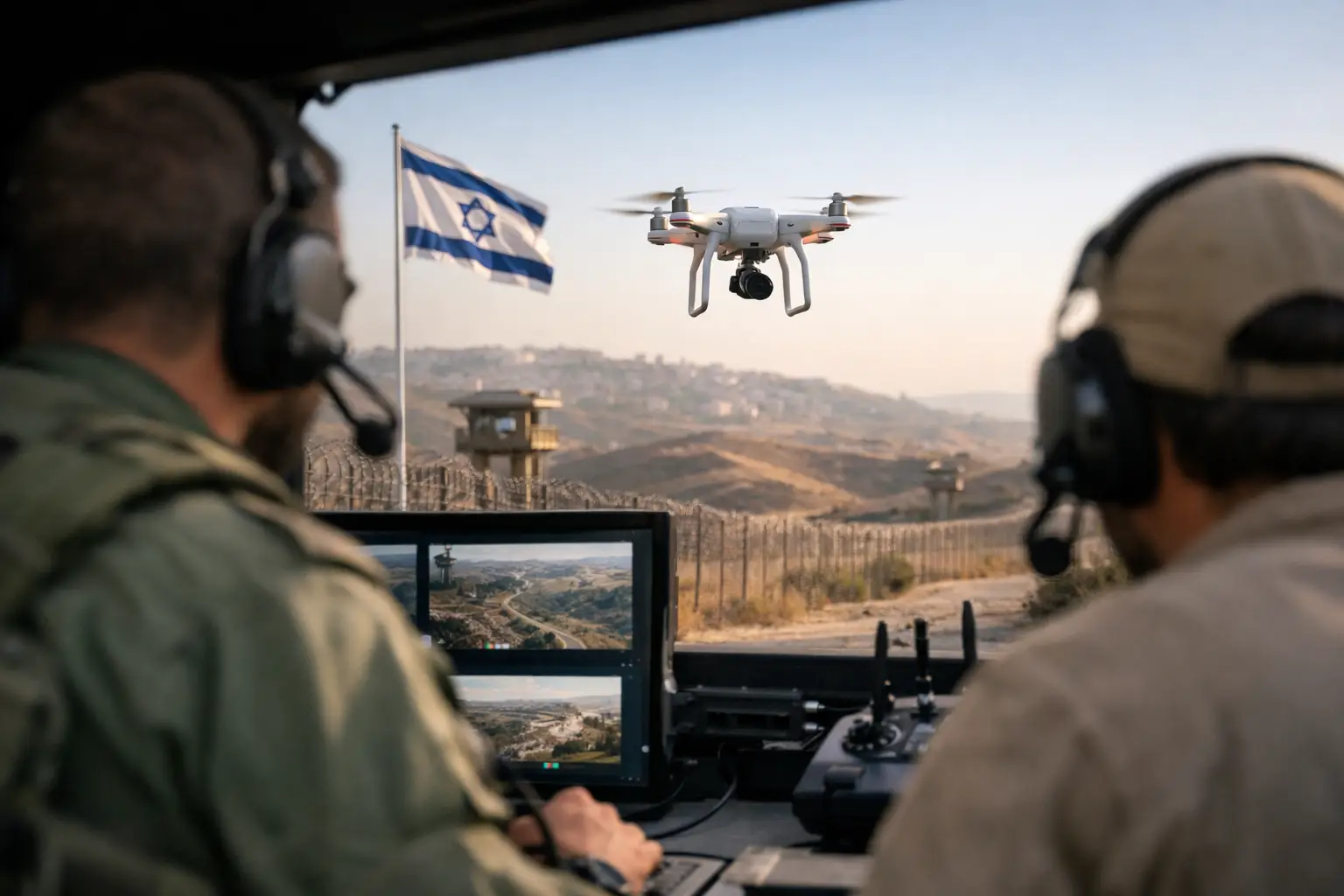
This is where drones outperform slower, riskier methods. A small aerial platform can launch quickly, cover ground that would take far longer by vehicle or foot, and send back real-time video to the people making urgent decisions. That gives defenders a better operating picture without placing more personnel in danger just to answer basic questions such as where movement is happening, whether a route is clear, or how close a threat may be.
The value is not only tactical. It is also humanitarian. Better visibility can prevent civilians from walking into danger zones, support evacuations, and improve coordination during chaotic moments. When response teams know what they are facing, they can act with greater precision and less guesswork.
What these drones actually do in the field
When people hear the word drone, they often imagine a single use case. In reality, security support depends on several different functions, and the right platform depends on the mission.
Some drones are best for rapid aerial surveillance. They can be deployed quickly to scan a perimeter, inspect a road, or monitor an area where suspicious activity has been reported. Others are equipped with thermal imaging, which is critical in darkness, smoke, rough terrain, or visually obstructed environments. Thermal capability can help teams detect movement that standard cameras may miss.
There are also situations where a drone’s value lies in overwatch rather than search. During patrol coordination, incident response, or area security operations, a drone can provide continuous live video so teams on the ground are not operating blind. That kind of persistent awareness helps improve positioning and reduce preventable mistakes.
In practical terms, drones for Israel security support can assist with border observation, community security patrols, search operations, infrastructure monitoring, and post-incident assessment. They can help answer urgent questions before responders commit vehicles, personnel, or medical resources.
Speed is the real advantage
The strongest case for drone support is not novelty. It is speed.
Traditional security response often starts with incomplete information. A report comes in. Teams mobilize. Vehicles move. Personnel try to verify what is happening while already in motion. That process is familiar, but it is also vulnerable to delay and misread signals. A drone changes the sequence. Instead of sending people first and getting eyes later, teams can often get eyes first.
That shift matters. It shortens the distance between alert and understanding. It allows commanders, local security teams, and emergency responders to distinguish between false alarms, uncertain signals, and genuine threats. It also helps allocate resources more efficiently. Not every incident requires the same level of response, and real-time aerial intelligence can keep limited assets focused where they are needed most.
For donors who want measurable impact, this is one of the clearest examples of technology translating directly into protection. Faster situational awareness is not a vague benefit. It can lower exposure, sharpen decisions, and improve outcomes in the minutes that matter most.
The trade-offs supporters should understand
Good security support is never about buying equipment for its own sake. Drones are highly effective, but they are not magic, and they work best inside a disciplined operational system.
Battery life is a real constraint. Flight time varies by platform, payload, weather, and mission profile. A drone that performs well for rapid response may not be ideal for extended monitoring. Range matters too, especially in areas where terrain, buildings, or signal interference affect control and transmission.
Training is another major factor. A capable drone in untrained hands can create false confidence instead of better security. Operators need technical skill, legal awareness, and judgment under pressure. They also need clear protocols for launch decisions, data handling, maintenance, and coordination with ground teams.
Then there is the issue of fit. Some environments call for compact, portable drones that can launch fast from a community security vehicle. Others require thermal systems, stronger optics, or more durable airframes. The best solution depends on the threat pattern, geography, staffing model, and operational objective.
That is why disciplined nonprofits and security partners focus on vetted equipment, clearly defined missions, and direct delivery to real needs on the ground. Action matters, but precision matters just as much.
Why thermal imaging changes the equation
If standard aerial video expands visibility, thermal imaging expands survivability.
A thermal-equipped drone can detect heat signatures in low light and poor visibility, making it especially valuable for overnight monitoring and search operations. In rural areas, border-adjacent zones, and open terrain, this can help teams identify movement that would otherwise go unnoticed until it is dangerously close. In urban or semi-urban environments, thermal capability can also support rooftop scans, alleyway assessment, and broader area checks where shadows and obstacles limit normal visibility.
For civilians, the benefit is indirect but real. Earlier detection often means earlier warning. For defenders, it means a stronger chance to assess before advancing. For emergency teams, it can help determine whether an area is clear enough for medical access or evacuation support.
Technology does not replace courage. It gives courage better information.
Drones as part of a larger protection system
The most effective use of drones happens when they are integrated with other protective tools. A drone feed is far more valuable when paired with thermal cameras, surveillance systems, secure communications, and trained rapid-response personnel. That combination turns isolated equipment into a functioning protection network.
This is where mission-driven support becomes decisive. The goal is not to fund gadgets. The goal is to strengthen frontline readiness with equipment that fits real operating conditions and reaches the people using it without bureaucratic drag. In high-pressure environments, delay has a cost. So does fragmented planning.
Organizations such as Israel Friends understand this operational reality. The strongest interventions define the need clearly, source reliable technology, and deliver it where it can produce immediate impact. That model respects both the urgency of the threat and the trust of the donor.
What donors should look for when supporting drone programs
If you are evaluating efforts related to drones for Israel security support, the right question is not simply whether drones are valuable. They are. The better question is whether the program behind them is credible, targeted, and execution-focused.
Look for clear evidence that the equipment is being matched to real field requirements. Ask whether operators are trained, whether deployment is tied to active security or emergency needs, and whether the organization can show direct outcomes rather than broad promises. Accountability matters most when urgency is high.
It also helps to understand that visible impact may take different forms. Sometimes a drone program supports deterrence by improving surveillance presence. Sometimes it supports incident verification. Sometimes it helps save time, redirect teams, or reduce exposure. Not every result will appear dramatic from the outside, but prevention is often the most valuable outcome of all.
The deeper truth is simple. People protecting communities should not be forced to operate with delayed information when faster, smarter tools exist. Aerial visibility, thermal detection, and rapid field intelligence give defenders and responders a better chance to protect life before a crisis widens.
That is why support for this technology resonates so strongly with action-oriented donors. It is tangible. It is disciplined. And when delivered well, it turns generosity into protection you can measure in time gained, risk reduced, and lives better shielded from harm.
The strongest support does not wait for perfect conditions. It puts the right tools in the right hands while there is still time for those tools to matter.