A medical kit is not a symbolic gift when an attack, injury, or mass-casualty event occurs. It is a critical resource that can help control bleeding, protect an airway, stabilize a wounded person, and buy precious time before advanced care arrives. That is why learning how to fund emergency medical kits requires more than asking people to give. It requires a focused plan that turns donor urgency into properly equipped, rapidly delivered aid.
For supporters of Israel’s defenders and civilians, the need is tangible. A properly sourced individual first-aid kit, trauma bag, or community medical cache can be positioned where it is needed before the next crisis. The goal is not to raise money for a vague category called “medical support.” The goal is to fund specific readiness that protects lives.
Start With the Need, Not the Fundraising Goal
The strongest campaigns begin with a verified operational request. Before setting a dollar amount, define who needs the kits, what environment they will serve, and which supplies the recipients are trained to use. A kit for a civilian emergency response team may differ from one needed by a defender operating in the field. A remote community may need more than compact personal kits. It may need larger trauma supplies, evacuation equipment, communications capacity, or replenishment stock.
This distinction matters because donors deserve a clear answer to a simple question: what will my contribution put in someone’s hands?
Work from a vetted kit specification whenever possible. That specification should identify the intended user, the core components, the quantity required, and the estimated delivered cost. Avoid building campaigns around random retail products or unverified “tactical” kits. Medical equipment must be appropriate, reliable, within its shelf life, and compatible with the recipient’s protocols and training.
A precise request makes fundraising easier. “Fund 100 trauma-ready kits for a local response unit” is more credible and actionable than “help us support medical needs.” Specificity creates confidence. It also prevents costly mismatches between what donors fund and what the field can actually use.
Build a Budget That Funds the Full Mission
The price of the kit is only one part of the mission. A responsible budget accounts for the equipment itself, vendor verification, shipping or secure transport, customs and regulatory requirements where applicable, local distribution, and replacement supplies. In urgent conditions, expedited procurement may cost more. That is a real trade-off, but it should be explained rather than hidden.
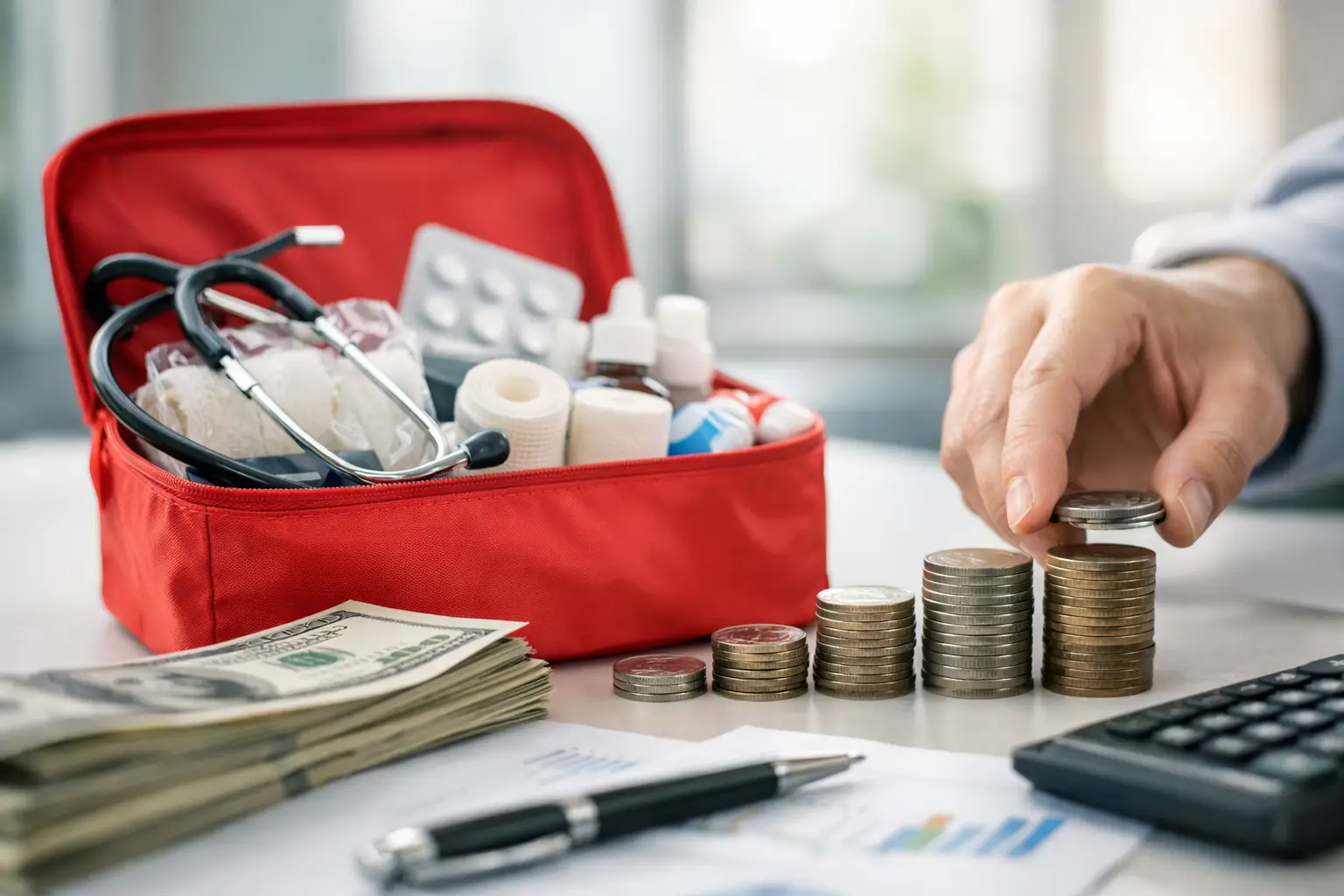
Create a per-kit target and a total campaign goal. If one complete, vetted kit costs $250 to procure and deliver, donors can immediately understand the impact of $25, $50, $125, or $250. Smaller donations still matter because they combine into a complete kit. Larger gifts can fund a unit’s full allocation or a reserve stockpile.
It also helps to build an appropriate contingency into the campaign. Availability can shift quickly during conflict, and critical items may need to be sourced from alternate vendors. A small reserve protects the mission from stopping when the first quote changes or a shipment is delayed.
Do not promise that every dollar buys a kit if the actual work includes getting that kit safely into the hands of a trained recipient. Promise direct, disciplined impact instead: funds are directed toward defined medical readiness, sourced through vetted channels, and delivered with operational accountability.
How to Fund Emergency Medical Kits Through a Clear Campaign
People give when they understand both the danger and the solution. Lead with the human stakes, but do not rely on emotion alone. Pair urgency with a concrete plan.
A campaign message should explain the immediate need, name the type of kit or medical capability being funded, state the unit cost, and show the target number of recipients. It should also make clear why speed matters. A tourniquet, pressure dressing, chest seal, or other approved trauma supply is most valuable when it is available at the moment of injury, not after a long procurement cycle.
Use one central campaign objective. If the message asks supporters to fund medical kits, surveillance equipment, protective gear, and mental health care all at once, donors may struggle to see what success looks like. Those are all mission-critical needs, but a focused campaign usually converts urgency into action more effectively.
Give supporters concrete ways to participate. An individual can sponsor part of a kit. A family can fund a full kit in honor of a loved one. A synagogue, school, workplace, or community group can set a shared target. An entrepreneur can match donations during a defined window, multiplying momentum and creating a clear deadline for action.
For campaigns with several distinct needs, use tiers only when they correspond to real outcomes. For example, one level may fund essential trauma supplies, another a complete individual kit, and a higher level a larger response bag or medical cache. Each tier should be based on actual procurement requirements, not invented labels designed only to make donations look more attractive.
Make Trust Part of the Deliverable
In a crisis, speed without accountability is not enough. Donors should know that their support is being managed by people who can define the need, source the solution, and deliver it without bureaucratic drift.
That starts with recipient verification. Confirm that the receiving group is legitimate, authorized, and able to store, distribute, and use the supplies. Then vet the vendor. Medical kits are not interchangeable, and counterfeit, expired, poorly assembled, or inappropriate supplies can create false confidence at the worst possible moment.
Reporting should be practical and respectful. Share what was funded, how many kits or supplies were procured, and when delivery was completed when operational security allows. Do not publish details that could expose responders, locations, routes, or vulnerabilities. Transparency does not mean compromising safety.
Photos, acknowledgments, inventory summaries, and anonymized field updates can all demonstrate impact. The point is not to turn emergencies into content. The point is to show donors that the mission moved from request to readiness.
Israel Friends operates with this action-first discipline: identify urgent needs, source vetted solutions, and move life-saving support directly to those protecting communities. That operational model matters because a donor’s generosity has the greatest value when it becomes usable capability quickly.
Activate Networks That Can Move Fast
A single donation page is rarely enough. The best medical-kit fundraisers mobilize trusted communities that already share a sense of responsibility.
Start with people who understand the stakes: family networks, Jewish communities, pro-Israel supporters, business leaders, civic groups, and friends who want to take meaningful action. Ask them to do more than donate. Ask them to host a small gathering, share a campaign message, secure a matching gift, or sponsor a defined number of kits.
Ambassadors are especially valuable when they communicate in their own voice. A person who explains why they chose to fund ten kits for a particular community can create more momentum than generic appeals alone. Give ambassadors accurate details, approved language, and a clear target, but leave room for authentic personal conviction.
Time-bound efforts can also sharpen action. A 72-hour match campaign, a community goal tied to an upcoming gathering, or a month-long drive with weekly progress updates gives donors a reason to act now rather than later. The deadline must be real. Artificial urgency damages trust.
Plan for Replenishment and Training
Funding the first delivery is a major achievement. Keeping medical readiness intact is the longer mission. Supplies are used, expire, get damaged, or need to be replaced after deployment. A kit that was complete six months ago may not be ready today.
Build replenishment into the funding model where possible. This can mean reserving part of a larger gift for replacement inventory, creating recurring donor commitments, or running periodic campaigns focused on restocking. Recurring support is particularly valuable for medical readiness because it turns crisis-driven giving into sustained protection.
Training is another consideration. The best equipment cannot substitute for competent care. In some cases, the most responsible funding decision is to support approved training, medical oversight, or standardized replenishment rather than purchasing more equipment. The right answer depends on what the recipient already has and what they are prepared to use.
Give With Purpose, Then Demand Results
Emergency medical kits represent a simple promise: when someone is injured, help should already be within reach. Funding that promise requires urgency, but it also requires discipline. Define the need, fund the real delivered cost, use trusted procurement, protect operational security, and report the outcome.
The next kit is not just an item on a packing list. It is a measure of whether a community chose to prepare before the moment of greatest need. Fund what can be deployed, support those who can act, and make every contribution count where it can save a life.