
A protective donation is not a symbolic gesture. At the frontline, it can mean a medic has the supplies to stop catastrophic bleeding, a responder can see a threat before entering danger, or a civilian receives trauma care before fear becomes a long-term injury. This guide to frontline protective donations is for people who want their support to move with urgency, meet a real need, and produce a result that can be measured.
The standard is simple: define the need, source the right solution, and deliver it to the people who need it without bureaucratic delay. When lives are on the line, good intentions must become usable protection.
What frontline protective donations actually fund
Frontline protection is broader than a single piece of gear. It includes the equipment, intelligence tools, medical readiness, and mental health support that help defenders and civilians survive high-pressure situations.
An individual first aid kit, often called an IFAK, can give a trained responder immediate access to tourniquets, pressure dressings, chest seals, and other critical supplies. Ballistic eyewear can protect vision from fragments and debris. Thermal cameras, drones, surveillance systems, and communications tools can improve situational awareness before a team enters a dangerous area.
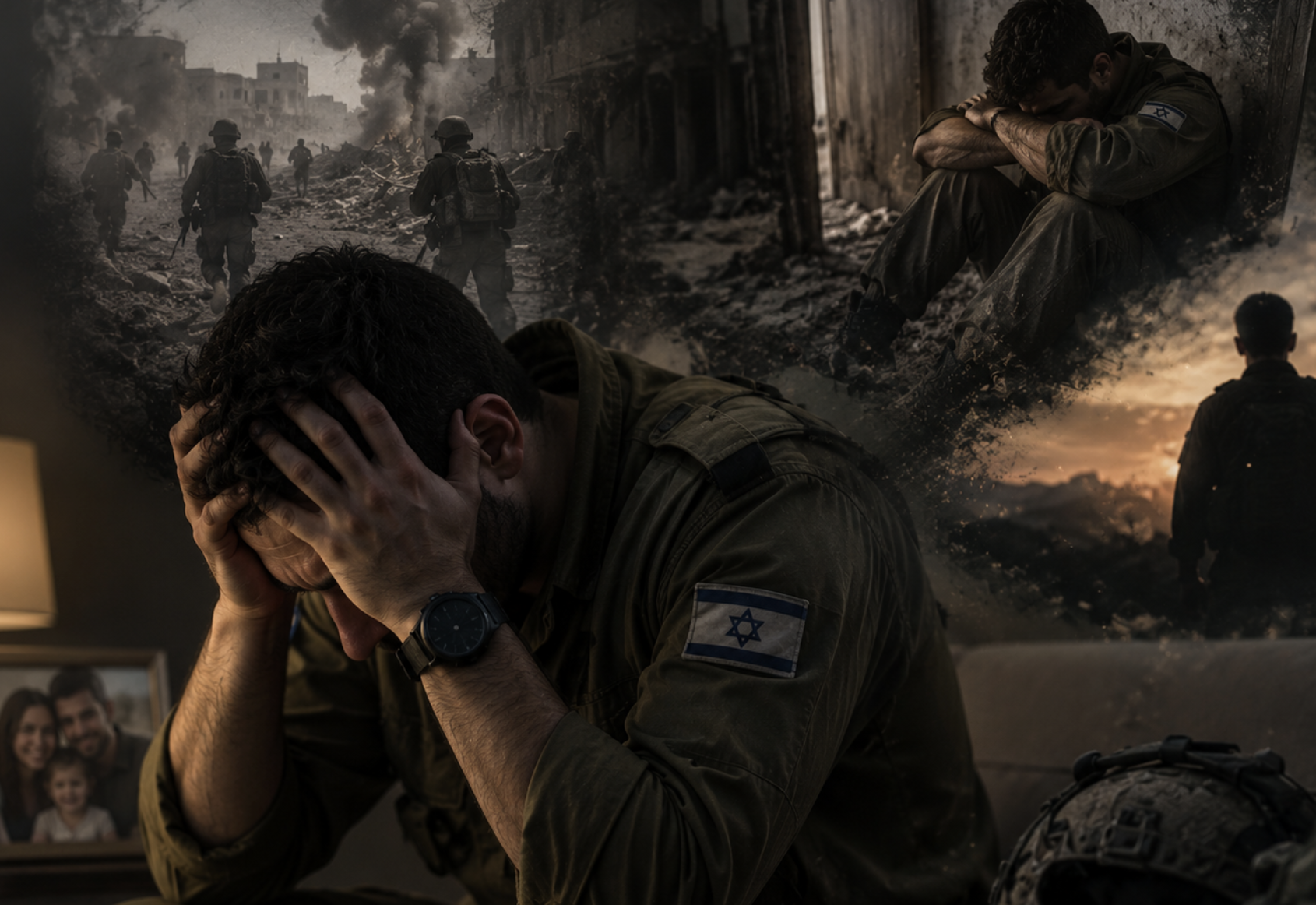
Protection also continues after the immediate threat. PTSD treatment, telehealth psychiatric care, and resiliency programs help people who have experienced violence regain stability, function, and connection. A donor deciding between equipment and trauma care should not assume one matters more than the other. The right choice depends on the urgent gap on the ground. Immediate medical supplies may be the priority during an active escalation; sustained trauma care may be the urgent need once the first crisis has passed.
How to evaluate a frontline protective donation
A compelling campaign image is not enough. Responsible giving requires asking whether an organization can identify the need accurately, procure appropriate equipment, and get it into use quickly.
Start with specificity. Strong frontline campaigns explain what is being funded and why it is needed. “Support security” is broad. “Equip field medics with IFAKs” or “fund fast-access trauma treatment for displaced families” gives donors a clearer line between their contribution and its intended outcome.
Next, look for operational proximity. Organizations working closely with local partners, responders, health agencies, vetted vendors, and relevant authorities are better positioned to avoid sending the wrong item to the wrong place. A thermal camera is valuable only if it matches the operational environment, can be deployed, and reaches a team trained to use it.
Speed matters, but speed without discipline creates waste. The best rapid-response work combines urgency with verification: confirming needs, vetting suppliers, monitoring delivery, and adapting when conditions change. That is the difference between rushing and executing.
Finally, ask how impact is communicated. Not every security detail can be shared publicly, and responsible organizations must protect personnel and operations. Still, donors should expect meaningful accountability through delivery updates, program reporting, concrete categories of support, and clear explanations of how funds are directed.
Give to the need, not just the headline
Headlines tend to focus attention on the most visible emergency. Yet frontline needs are often less dramatic and just as consequential: replacement medical supplies, protective eyewear, a surveillance upgrade, transportation for equipment, or counseling capacity for people carrying the psychological weight of an attack.
This is where unrestricted emergency funding can be powerful. It gives a rapid-response organization the ability to move resources toward the most urgent verified need instead of waiting for a separate campaign to be built. For donors, the trade-off is less control over one specific item in exchange for greater flexibility when conditions shift by the hour.
Designated giving has value too. Some supporters want to fund a defined mission such as trauma care, medical kits, or protective technology. That clarity can deepen trust and help a donor rally a family, synagogue, company, or community around a shared goal. The key is to choose a credible program that can explain how designated funds will be used if the original need changes or is fully met.
A practical guide to frontline protective donations
Before making a gift, decide what kind of impact you want to drive. If your priority is immediate life-saving capability, focus on emergency medical kits and protective equipment. If your priority is prevention and early warning, consider surveillance, drones, thermal imaging, and other tools that improve awareness. If your priority is long-term resilience, trauma treatment and psychiatric access can help communities recover without abandoning those who carry the invisible wounds of crisis.
Then consider the scale of your giving. A one-time donation can fund part of a larger procurement effort. A monthly commitment can provide an organization with dependable capacity to respond before a crisis becomes a public fundraising moment. Larger gifts can sometimes support a complete, identifiable need such as a set of kits, a care program, or a technology deployment.
Giving with others can multiply both funding and conviction. A family can dedicate a milestone gift to protection. A business can organize a campaign tied to a concrete operational need. A community group can raise support around medical readiness or trauma recovery. These efforts work best when the message is direct: here is the gap, here is the solution, and here is what action makes possible.
Why speed and sourcing determine impact
In emergency response, the cost of delay is not theoretical. A needed item sitting in an approval queue, a vendor without available inventory, or a shipment that cannot reach the intended recipient does not protect anyone.
Effective organizations operate more like disciplined response teams than traditional institutions. They maintain trusted relationships, understand local constraints, validate requests, and source equipment that is fit for purpose. They also recognize that the most expensive option is not always the best option. The right solution is the one that meets the verified need, can be delivered in time, and can be used effectively.
Israel Friends applies this operating model to urgent protective needs by connecting donor support with vetted equipment, rapid delivery, and trauma-care access. The mission is not to collect attention around a crisis. It is to convert support into protection where protection is needed most.
Questions donors should ask before giving
A donor does not need to become a logistics expert, but a few questions can sharpen any decision. What specific need is this gift addressing? Who identified that need? Is the equipment or care model appropriate for the people receiving it? How will delivery and use be tracked? What happens if circumstances change?
Also consider whether the organization understands both the human and operational sides of protection. Equipment without training or deployment planning can underperform. Trauma care without fast access can arrive too late. A serious response connects resources to a real operating environment.
There are times when public reporting will be limited for safety reasons. That should not automatically be treated as a warning sign. The question is whether the organization can balance operational security with credible stewardship. Donors deserve evidence of purposeful action, even when sensitive details must remain protected.
Protection is a decision to act
The people standing watch, treating the wounded, evacuating families, and rebuilding after trauma cannot pause until the world is ready to pay attention. They need capable support at the moment the need is real.
A frontline protective donation becomes meaningful when it is directed with clarity and delivered with discipline. Choose the mission you trust, ask for accountability, and support work built to move quickly. When protection cannot wait, action is the most practical form of solidarity.