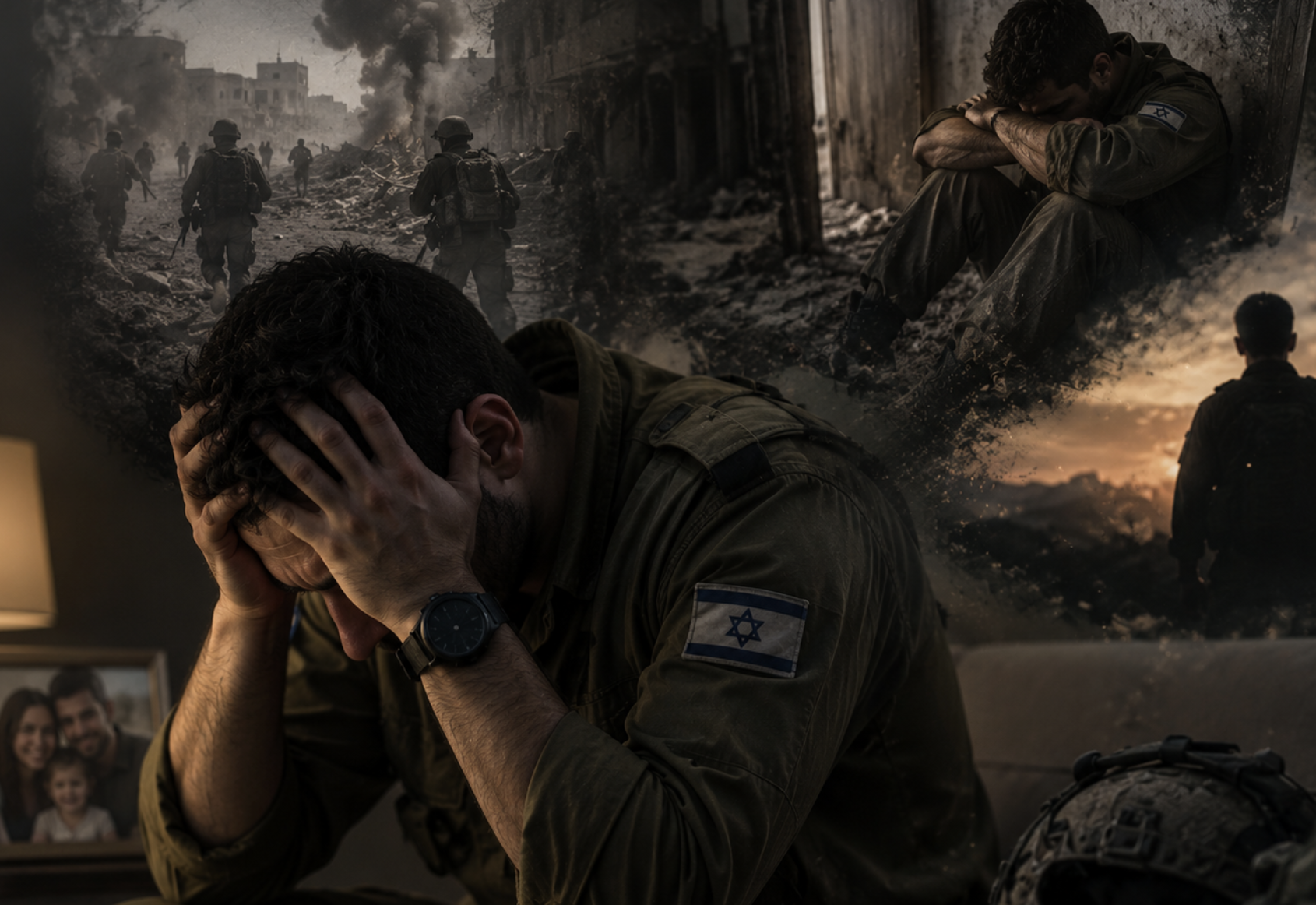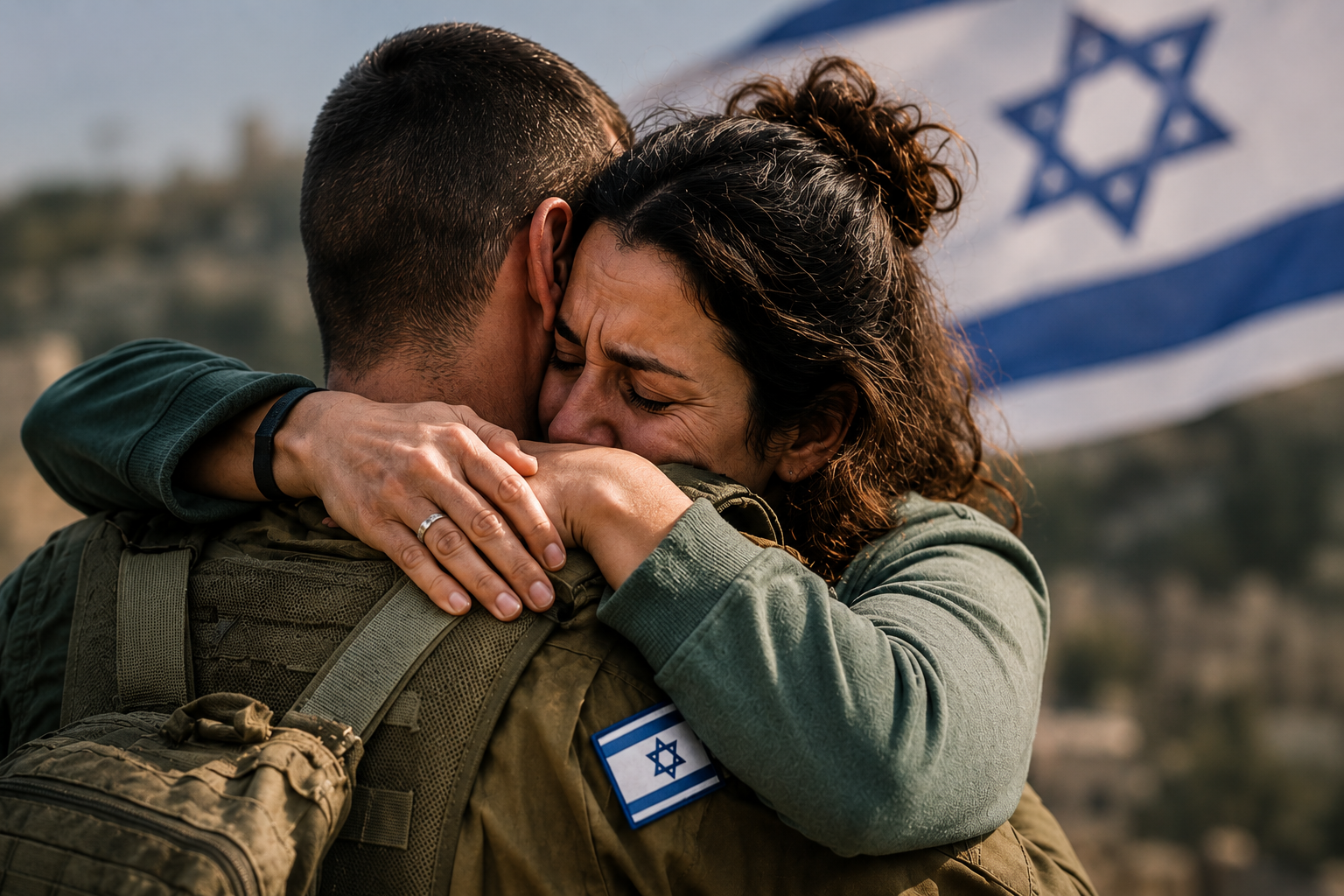
When a reservist cannot sleep, a survivor stops leaving home, or a parent starts scanning every noise for danger, waiting weeks for care is not a minor delay. It is a force multiplier for trauma. That is why telehealth PTSD treatment Israel can deliver at speed matters so much right now. In a country where civilians, first responders, and defenders can face repeated exposure to crisis, access is not a side issue. It is part of the treatment itself.
PTSD rarely shows up on a neat schedule. Symptoms spike at night, after alerts, after funerals, after a child asks a simple question, or when someone finally leaves survival mode and the body starts reacting to what it has carried. Traditional in-person care remains essential, but it has limits in wartime and high-threat conditions. Travel can be difficult. Clinics can be overloaded. Stigma can keep people from walking through the door. Telehealth changes that equation by removing enough friction to help people start.
Why telehealth PTSD treatment in Israel is a frontline need
In Israel, trauma is not confined to one region or one population. It affects soldiers, security personnel, Nova survivors, evacuees, bereaved families, medical teams, and children who have learned far too early what a siren means. The need is broad, but the barriers are personal. Some people cannot travel. Some are caring for others. Some are still functioning outwardly and privately falling apart.
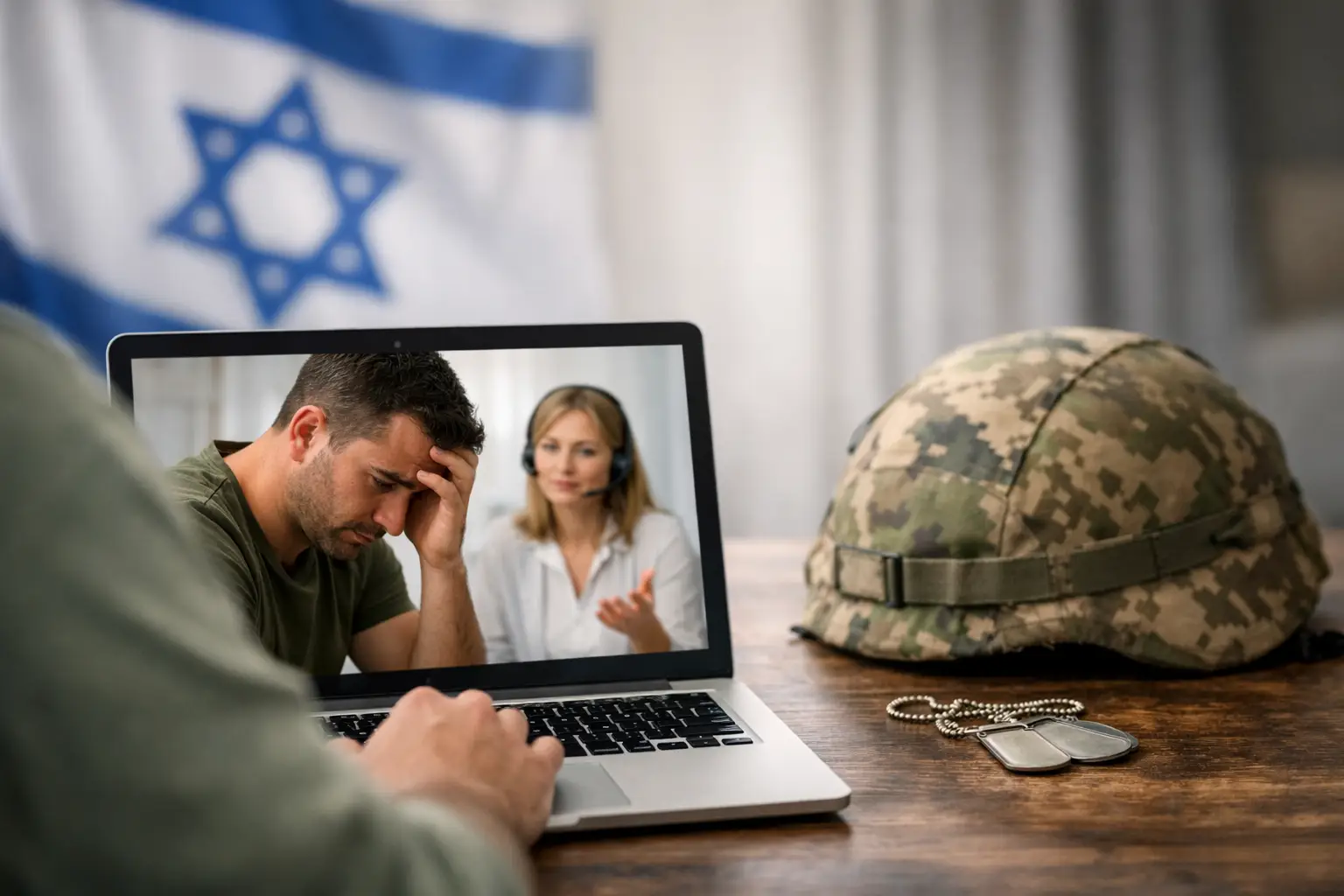
Telehealth creates a faster path between distress and care. A patient can speak with a trauma-informed clinician from home, from temporary housing, or from a quieter room at work. That matters because early intervention can prevent symptoms from deepening into chronic impairment. It also matters because many people are more willing to begin remotely than they are to seek face-to-face treatment immediately.
This is not about replacing every in-person service. It is about building a more flexible system that can respond under pressure. In high-demand moments, flexibility saves time. In trauma care, time matters.
What telehealth can actually provide
There is sometimes a mistaken view that virtual care is limited to brief check-ins. In reality, telehealth PTSD treatment Israel providers use can include psychiatric evaluations, medication management, structured psychotherapy, follow-up care, and family guidance. For the right patient, much of the core work can begin remotely.
Evidence-based trauma therapies can often be adapted for secure video sessions, especially when the patient has privacy, a stable connection, and a clinician trained in trauma care. Psychiatric telehealth is especially valuable for people dealing with panic, insomnia, depression, hypervigilance, irritability, and the functional collapse that often follows prolonged stress exposure. Medication, when appropriate, can help stabilize sleep, reduce acute distress, and create enough breathing room for therapy to work.
The trade-off is straightforward. Telehealth expands reach and speed, but it is not ideal for every case. A person in immediate danger, severe dissociation, active psychosis, or acute suicidality may need in-person intervention, emergency services, or a higher level of care. Good telehealth programs know this and triage accordingly.
Speed is not a luxury in trauma care
People who support trauma services often focus on compassion, and they should. But compassion without operational speed leaves a gap. The most effective systems are built around fast assessment, fast routing, and fast follow-up.
That is one reason telehealth has become so important in crisis-response settings. It shortens the time between identifying a need and getting a qualified clinician involved. It allows agencies and resiliency centers to absorb spikes in demand without requiring every patient to sit on a waitlist for in-person care. It can also support continuity when someone relocates, returns to reserve duty, or cannot maintain a predictable routine.
For donors and mission-driven supporters, this is where impact becomes concrete. Funding telehealth is not funding a vague concept. It is funding real appointments, licensed clinicians, psychiatric consultations, trauma-focused sessions, and post-crisis follow-up that can keep someone connected to care instead of dropping out.
Who benefits most from telehealth PTSD treatment Israel offers
The short answer is not everyone, but many. Patients who are motivated, have a safe private setting, and need prompt access often do very well with remote care. This includes people in peripheral areas, those displaced from home, those balancing childcare or work demands, and those hesitant to enter a clinic because of stigma or overload.
It also helps populations who are used to staying mission-focused and minimizing their own symptoms. That includes first responders, military personnel, and caregivers who keep moving until they hit a wall. A video session can feel more manageable than navigating a full clinic intake. Sometimes that lower barrier is what gets treatment started before things worsen.
Parents and spouses benefit too. Trauma spreads through households. When one family member is affected, routines change, children sense instability, and relationships absorb strain. Telehealth can make it easier to bring family members into parts of the process, whether for psychoeducation, support planning, or practical guidance on what symptoms look like at home.
What quality looks like in telehealth PTSD care
Not every virtual mental health option is equal. For PTSD, quality depends on clinical depth, trauma-specific training, and clear safety procedures. A strong program does more than offer an open calendar. It screens appropriately, matches patients to the right level of care, and has escalation plans when remote treatment is not enough.
It also respects culture and context. In Israel, trauma care must account for recurring security threats, military service, communal grief, displacement, and the unique moral stress that can follow war and terror. Treatment cannot be generic. Clinicians need to understand the environment patients are living in, not treat those realities as background noise.
Language access matters as well. Hebrew is essential for many patients, but Russian, Arabic, English, and French may also be important depending on the community served. The more precise the match between patient and provider, the stronger the odds of engagement and trust.
The operational case for funding telehealth
If the goal is to protect lives and restore function, telehealth deserves to be treated as a mission-critical capability. It scales faster than building new physical infrastructure. It reaches people who would otherwise delay care. It helps local systems absorb surges after attacks, deployments, evacuations, or periods of sustained threat.
This is where an action-driven model matters. Bureaucratic lag can cost people the narrow window when they are actually ready to accept help. Agile funding can close that gap by supporting vetted partners, licensed professionals, and responsive trauma programs that know how to move fast. Organizations such as Israel Friends have recognized that protective equipment and trauma care are not separate missions. One helps people survive the event. The other helps them survive what follows.
There is also a long-term strategic case. Untreated PTSD affects families, workplaces, unit readiness, school performance, and community resilience. Fast treatment is not only humane. It is stabilizing.
Where telehealth fits – and where it does not
The strongest approach is not virtual-only or clinic-only. It is hybrid. Some patients begin with telehealth and later shift to in-person trauma therapy. Others use telepsychiatry for medication follow-up while attending local support services on the ground. Some need remote access because it is the only feasible option for now.
The key is disciplined triage. Telehealth works best when providers know its strengths and its limits. It is excellent for access, continuity, and lowering the threshold to begin care. It is weaker when privacy is impossible, technology is unstable, or the patient is in acute crisis and needs direct physical support.
That is not a flaw. It is simply a clinical reality. High-performing systems do not oversell one format. They build pathways that move patients to the right care quickly.
What supporters should look for
For donors, families, and advocates who want measurable impact, the right question is not whether telehealth sounds innovative. The right question is whether it gets trauma care to people faster and more effectively. In many cases, it does.
Look for programs that emphasize licensed psychiatric and trauma professionals, rapid intake, clear referral pathways, and partnerships with health agencies or resiliency centers already working on the ground. Look for models built around response time and continuity, not just volume. In trauma care, throughput alone is not success. Stabilization is success. Retention is success. Recovery is success.
The people carrying trauma in Israel do not need abstract concern. They need treatment that meets them where they are, especially when where they are is overwhelmed, displaced, grieving, or still under threat. Telehealth will not solve every problem in PTSD care. But when it is done well, it turns delay into contact, contact into treatment, and treatment into a real chance at recovery. That is not convenience. That is intervention when it counts most.