A trauma response is only as strong as the first minutes after impact. That is why rapid trauma care donations matter so much. In a mass casualty event, a rocket attack, a terror incident, or any sudden act of violence, the difference between stabilization and irreversible loss often comes down to speed, equipment, and access to trained care.
For many donors, the instinct is simple: help now. The harder question is what kind of giving actually changes outcomes in those first dangerous hours and the long recovery that follows. The answer is not vague. It is targeted support that moves fast, reaches the right hands, and closes the gap between urgent need and real treatment.
What rapid trauma care donations actually fund
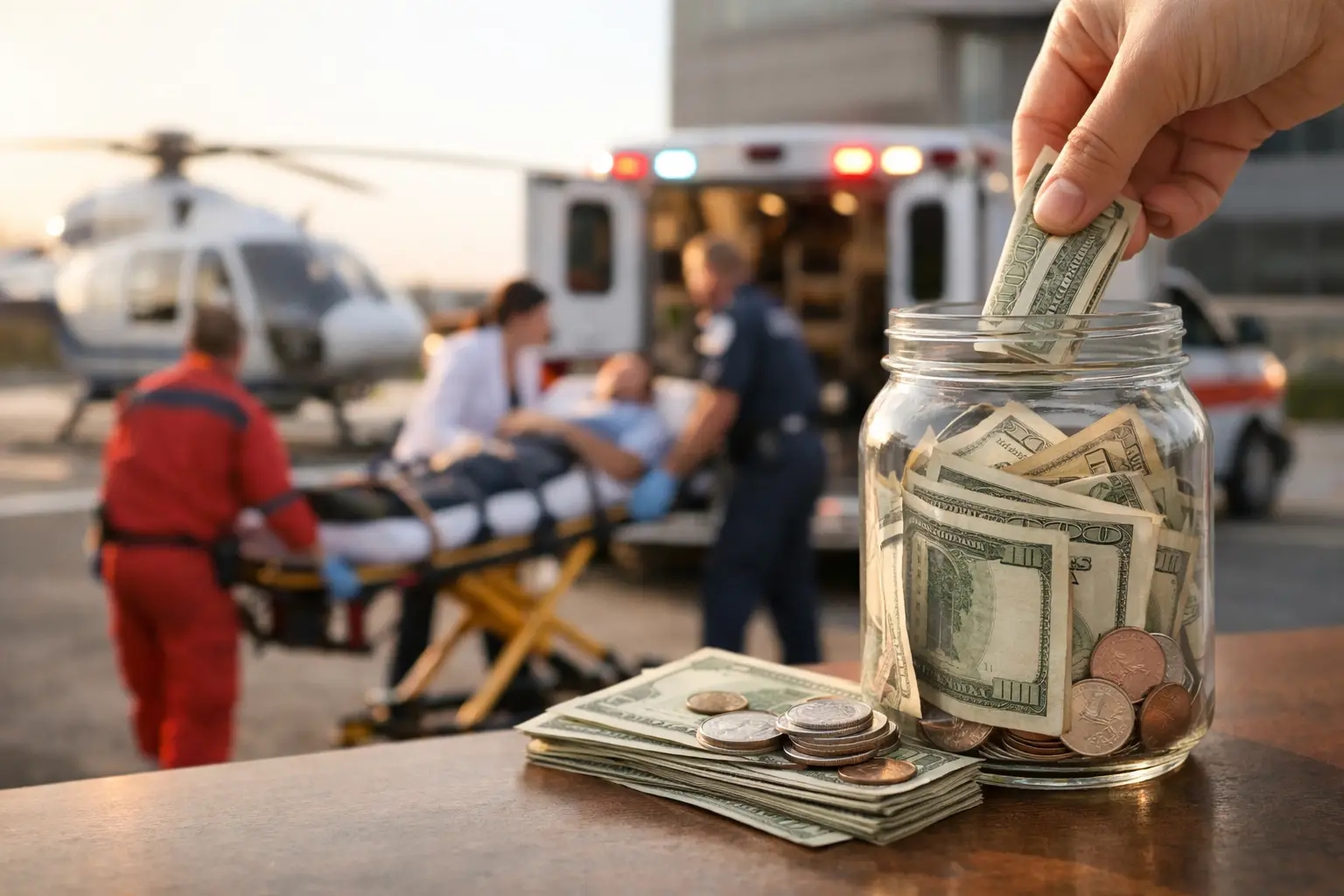
The phrase can sound broad, but the work is concrete. Rapid trauma care donations help put lifesaving tools and treatment where they are needed most, without waiting for slow approval chains or delayed procurement cycles.
On the physical side, that can mean individual first aid kits, bleeding control supplies, protective eyewear, stretchers, communications tools, or field-ready medical equipment that helps first responders and security teams act immediately. In high-risk environments, these are not nice-to-have items. They are operational necessities.
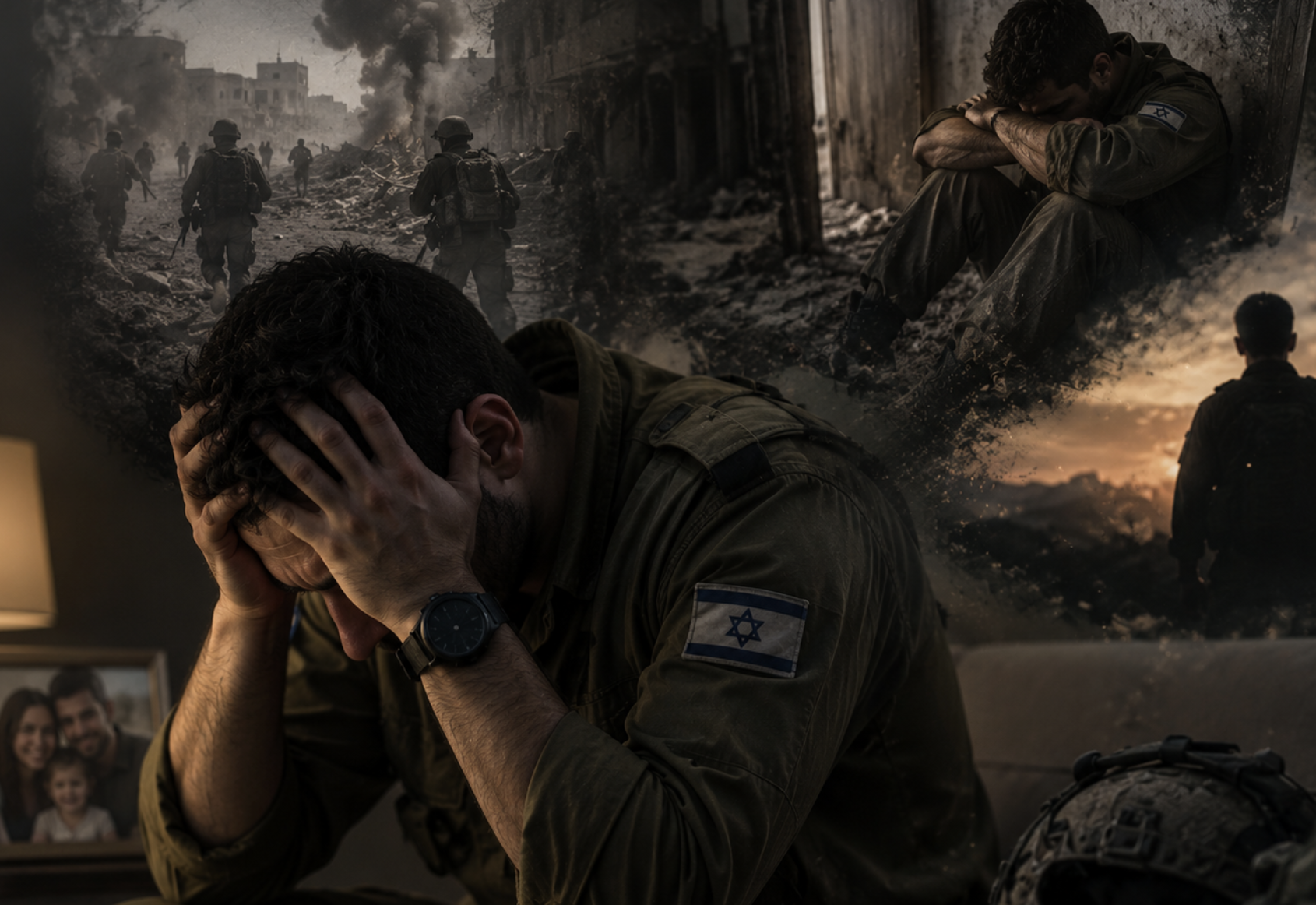
Just as important, trauma care does not end once the bleeding stops. Donations also support fast-access mental health intervention, including PTSD treatment, psychiatric care, telehealth support, and partnerships with resiliency centers that can respond quickly after traumatic exposure. For civilians and defenders alike, psychological injury can surface fast or build over time. Both require serious attention.
That dual focus matters. A donor who funds trauma care is not supporting a single moment. They are helping build a response chain that starts on scene and continues into recovery.
Why speed changes outcomes
In crisis response, delay has a cost. Bureaucracy has a cost. General fundraising with no deployment strategy has a cost too. When trauma care resources are stuck in approval loops or disconnected from operational needs, people on the ground pay the price.
Rapid trauma care donations are effective because they recognize a basic truth: urgency is not a messaging device. It is the operating condition. The right supplies need to be sourced quickly, vetted carefully, and delivered directly. Treatment needs to be available when trauma is acute, not weeks later when systems finally catch up.
This is where many traditional models struggle. Large institutions can do meaningful work, but they often move slowly. Their scale can become a strength in long-term rebuilding and a weakness in the first wave of response. A faster model, built around identifying immediate needs and delivering precise support, fills that gap.
That does not mean speed alone is enough. Fast and careless is not a virtue. The real standard is fast and accountable – rapid decisions, trusted partners, clear sourcing, and visible impact.
The strongest donations are specific, not symbolic
Donors who care deeply about Israel’s security and resilience usually want more than emotional messaging. They want to know what happens next. They want to know whether their support reaches a medic, a family under fire, a survivor in acute distress, or a local team trying to stabilize a chaotic scene.
That is why specific giving tends to outperform symbolic giving. A donation tied to trauma kits, emergency psychiatric access, field equipment, or frontline treatment capacity gives a clearer line of sight between intent and outcome.
There is also a trust factor here. In high-stakes environments, supporters want to know that money is not disappearing into overhead or being absorbed into broad administrative pools. They want proof of execution. They want to fund action.
This is one reason mission-driven organizations like Israel Friends resonate with donors who value discipline and speed. The model is simple: define the need, source the solution, deliver it without delay. That kind of operational clarity matters when people are under threat and every hour counts.
Rapid trauma care donations and mental health recovery
One of the biggest mistakes in crisis giving is treating trauma as purely physical. It is not. A person can survive the initial event and still carry severe psychological fallout that disrupts sleep, family life, work, judgment, and basic function.
Rapid trauma care donations help address that reality early. Fast intervention can reduce the risk that acute trauma becomes a deeper, longer-lasting condition. For some people, that means immediate counseling and psychiatric assessment. For others, it means telehealth access when travel is difficult or local systems are overwhelmed. In communities exposed to repeated attacks, ongoing resiliency support may be just as important as one-time care.
This is where thoughtful donors should pay attention to trade-offs. Emergency medicine is visible. You can picture the gear, the ambulance, the field response. Mental health care is less visible, but not less urgent. If an organization funds both, that is often a sign of serious understanding rather than surface-level crisis branding.
How to tell if a trauma care donation model is credible
Not every urgent appeal is built the same way. Some are sincere but loosely organized. Others raise money quickly without the vendor relationships, field coordination, or medical partnerships needed to turn funds into results.
A credible trauma care effort usually has a few clear traits. It can identify who is receiving support. It understands which tools or services are actually needed. It works with trusted health agencies, local organizations, government contacts, or trained responders. And it communicates impact in practical terms rather than generic promises.
It also respects constraints. In conflict zones, conditions change fast. A requested item may become unavailable. A region may suddenly need psychiatric support more than equipment, or equipment more than counseling. The best organizations adapt without losing mission focus.
That flexibility is not a lack of strategy. It is part of strategy. If the goal is protecting life under pressure, rigidity can become its own kind of failure.
What donors should ask before they give
A strong donor is not a passive donor. If you are considering rapid trauma care donations, ask what kind of response chain your money supports. Does it fund immediate field care, post-incident recovery, or both? Is the organization built for procurement and deployment, or mostly for awareness? Are there trusted local partnerships in place? Is there evidence that donations turn into delivered support quickly?
You do not need perfect certainty before acting. In real emergencies, waiting for perfect information can become an excuse for inaction. But you should look for operational seriousness. The goal is not just to give. It is to give in a way that protects people when they are most vulnerable.
Another useful question is whether the organization treats donors like spectators or participants. The strongest mission-driven groups do not just ask for money. They show supporters how aid works, why speed matters, and where intervention can save lives or shorten recovery.
Why this form of giving resonates now
For many supporters, especially those with deep ties to Israel and the Jewish community, this kind of giving feels personal because it is personal. Trauma care is not abstract. It is about a parent trying to get a child to safety. A first responder reaching a victim in time. A soldier or civilian getting immediate support after exposure to violence. A survivor receiving psychiatric help before the crisis hardens into something harder to treat.
Rapid trauma care donations turn solidarity into intervention. They move support from sentiment to measurable protection. That matters to donors who believe that communal responsibility should produce visible outcomes, not just statements.
It also reflects a larger truth about modern crisis response: technology, logistics, and medical access all matter, but they only matter if someone moves. The best aid model is not the one with the best slogan. It is the one that acts before delay becomes damage.
When you give to trauma care that is built for speed, accountability, and direct delivery, you are not funding a theory. You are helping create a faster line between danger and relief, and that line can hold the weight of a life.