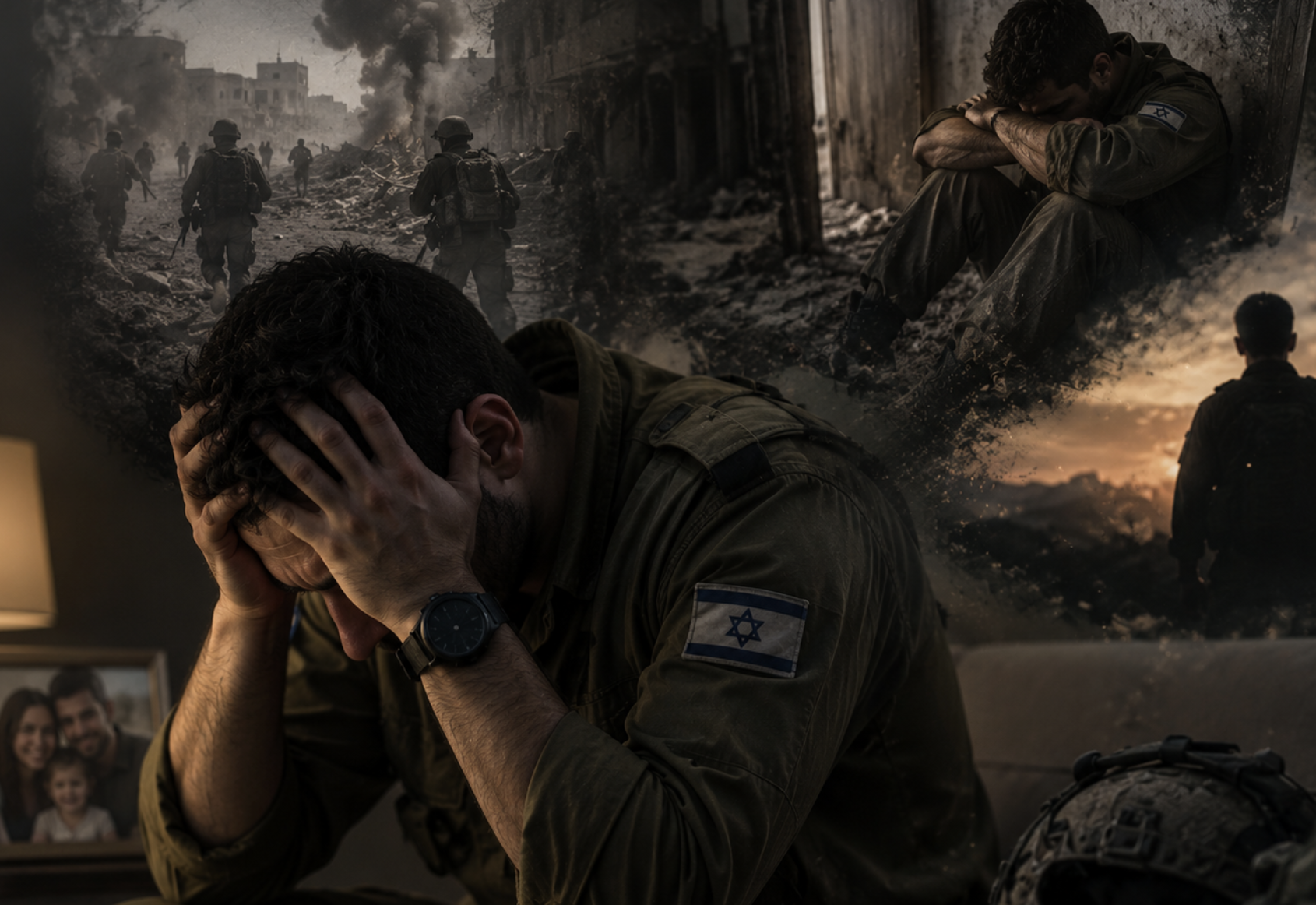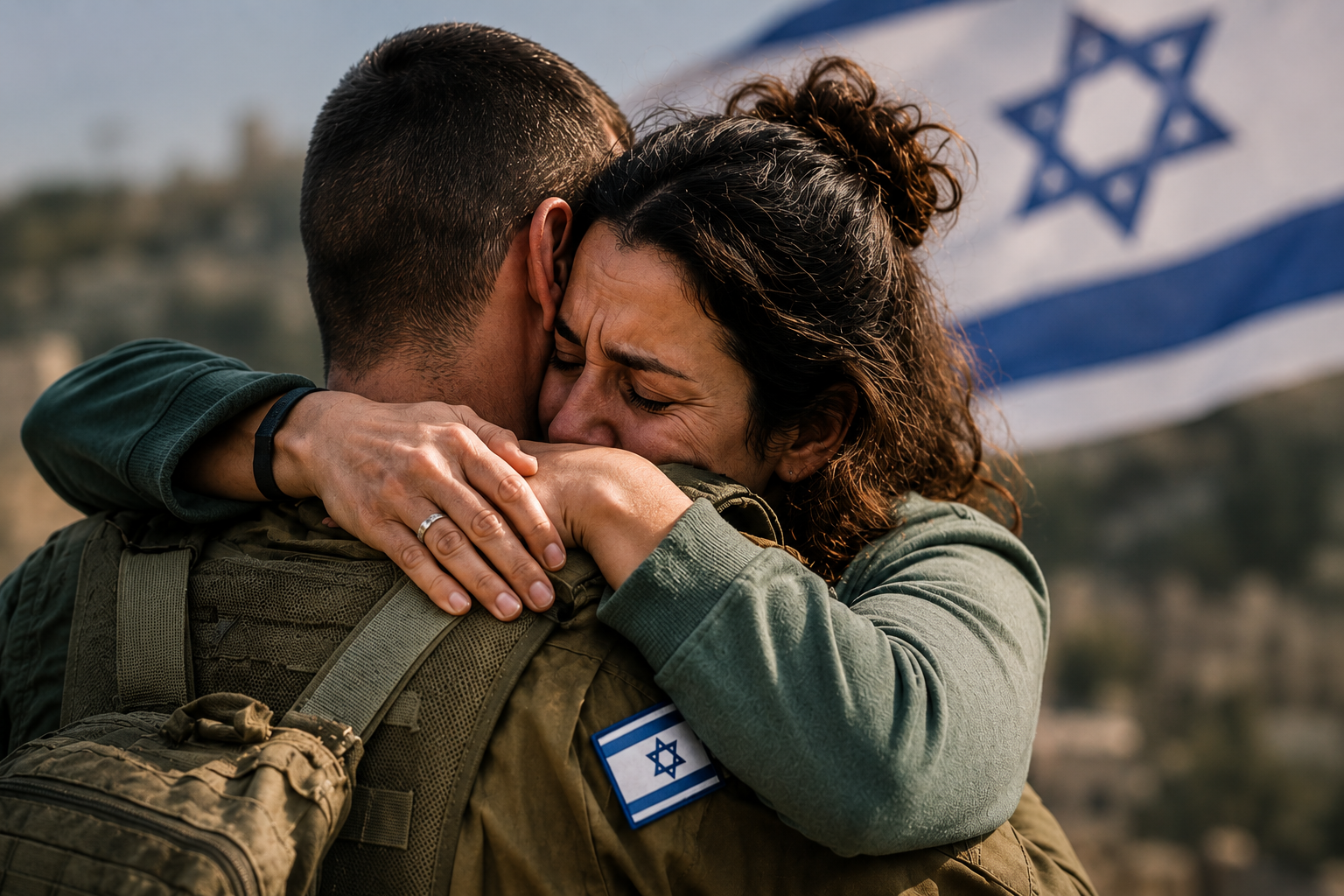
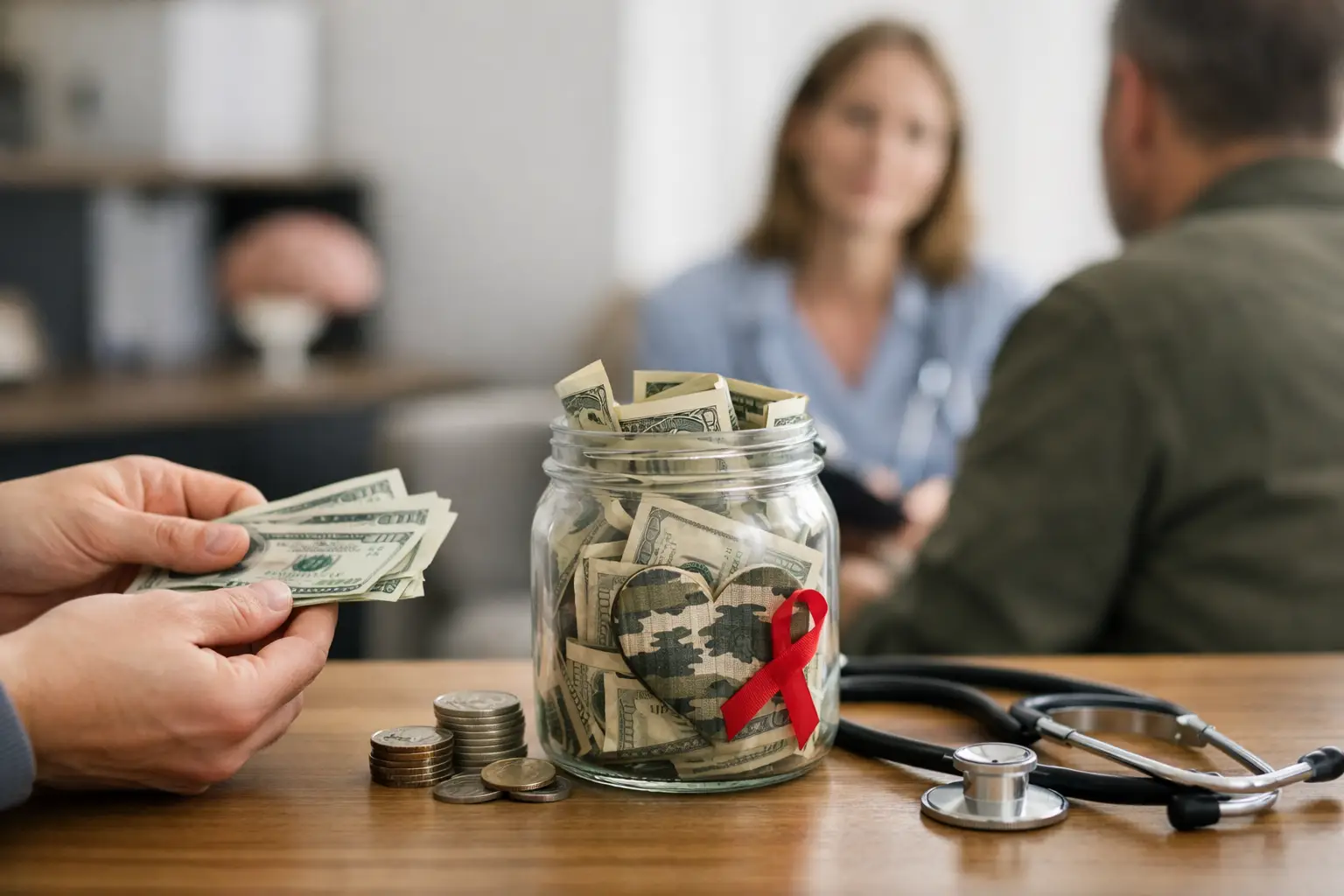
A soldier who cannot sleep, a parent who flinches at every alarm, a first responder replaying a scene they could not prevent – trauma does not wait for paperwork. PTSD treatment donations give Israel’s defenders and civilians a faster path to qualified care when the effects of crisis keep following them home.
The need is not abstract. Trauma can disrupt sleep, concentration, family life, work, physical health, and the ability to return to daily responsibilities. For people living through repeated violence, the distance between recognizing distress and reaching a clinician can matter enormously. Fast access to trauma-informed psychiatric care, therapy, and telehealth support can help close that gap.
This is where donors can act with purpose. The strongest giving does more than express solidarity. It helps put real treatment within reach.
Why PTSD treatment donations require speed
Post-traumatic stress disorder is not a single, identical experience. One person may live with nightmares and hypervigilance. Another may feel numb, angry, withdrawn, or unable to focus. Symptoms may appear immediately after a traumatic event or emerge months later. A trained clinician, not a donor or family member, determines the right diagnosis and care plan.
But the need for clinical judgment does not mean help should move slowly. When someone asks for support, long waits, complicated intake processes, transportation barriers, and limited local availability can become reasons treatment never begins. Donations can reduce those barriers by supporting fast-access appointments, remote psychiatric consultations, crisis stabilization, and ongoing therapy through trusted health agencies and resiliency centers.
Speed must never mean cutting corners. Trauma care needs licensed professionals, confidentiality, careful assessment, and a plan that fits the patient. The goal is not to rush a person through treatment. It is to remove the unnecessary delay between need and care.
For Israel’s defenders and civilians, that distinction is critical. Many are carrying the weight of service, displacement, loss, injury, or repeated exposure to attacks while still trying to care for children, return to work, or serve their communities. Timely care protects the person and strengthens the support systems around them.
What PTSD treatment donations can fund
A meaningful donation should connect to a clear operational need. Funding can help partners expand the practical capacity required to treat people quickly and responsibly. Depending on the program and local demand, support may provide for:
- Fast-access psychiatric evaluations for people who need professional assessment without a prolonged wait.
- Telehealth appointments that bring qualified trauma care to people unable to travel or living far from a treatment center.
- Individual and group therapy led by clinicians trained in trauma-informed approaches.
- Clinical follow-up, medication management when appropriate, and care coordination that helps patients stay connected to treatment.
- Resiliency programs that support families, communities, and frontline teams affected by ongoing stress and loss.
These are not interchangeable expenses. A telehealth appointment may be the most immediate answer for a civilian in a remote area. A defender returning from active service may need a rapid psychiatric evaluation and a structured treatment plan. A grieving family may benefit from counseling that addresses trauma in the context of loss. Effective programs preserve flexibility while keeping care accountable to real clinical needs.
Trauma care and protection belong together
Treatment is essential, but treatment alone cannot carry the full burden of recovery. People heal more effectively when their immediate environment is safer and when communities have the tools to respond to the next emergency.
That is why the strongest trauma-response strategy connects care with protection. Medical kits, ballistic eyewear, drones, thermal cameras, surveillance systems, and other mission-critical resources can help reduce exposure and improve response capacity. They are not substitutes for mental health treatment. They address a different part of the same reality: people need protection during a threat and compassionate, qualified care after it.
For donors, this creates a more complete picture of impact. Giving toward PTSD treatment helps fund recovery. Giving toward protective readiness helps reduce vulnerability and strengthens the ability to respond when lives are at risk. Both forms of action honor the same commitment – protect people, support recovery, and refuse to leave communities alone with the consequences of violence.
How to evaluate a PTSD treatment giving opportunity
Emotion should bring us to the mission. Accountability should guide where we give. Before supporting a trauma-care campaign, donors should look for clarity about how funds move from contribution to patient support.
Start with the delivery model. Does the organization work with established medical, mental health, government, or community partners? Is there a credible path for identifying people who need help and connecting them with qualified providers? A serious program does not ask volunteers or donors to diagnose trauma. It builds a bridge to professionals who can.
Next, ask whether the organization can respond at the pace the situation demands. Large systems can be valuable, but urgency sometimes gets lost in layers of approval. In acute circumstances, a donation is most powerful when it helps a trusted operator define the need, source the right solution, and deliver support without bureaucratic delay.
Finally, look for specificity. Broad promises about “mental health awareness” may have value, but they are not the same as funding appointments, clinician capacity, telehealth access, or trauma-focused treatment. Donors deserve to know what their support makes possible.
Israel Friends approaches urgent needs with that operational discipline: identify what is needed on the ground, work with trusted partners, and move support toward direct impact. In trauma care, that means backing fast-access treatment pathways for defenders and civilians who should not have to navigate recovery alone.
The difference between a gift and an outcome
A donation becomes an outcome when it creates capacity at the moment someone needs it. That could mean a clinician has room to see another patient. It could mean a telehealth session is available before symptoms escalate. It could mean a resiliency center can keep its doors open longer for families under sustained pressure.
The exact outcome depends on the patient, the provider, and the circumstances. No ethical organization should promise that one appointment will erase trauma or that every person will respond to treatment in the same way. Recovery is personal. It can take time, and progress is rarely a straight line.
What donors can help ensure is that people are not denied a chance to begin. They can fund the first clinical conversation, the next appointment, the sustained support that makes treatment possible, and the systems that connect urgent need to real care.
Give with urgency and stay connected to the mission
PTSD treatment donations are a direct way to stand with people whose visible duties may have ended while the internal fight continues. They help turn concern into access, and access into a real opportunity for stabilization and recovery.
Support matters most when it is ready before the next call for help. Give in a way that prioritizes qualified care, fast delivery, and transparent impact. Then stay engaged: share the mission with your community, bring others into the work, and keep asking what is needed now.
A person seeking trauma care should not have to prove that their pain is urgent enough to deserve attention. When donors act decisively, they help make sure the answer is already waiting.