
A siren stops. A call ends. A family gets through another night. For the nervous system, however, the threat may not be over. Trauma recovery duration is often measured in weeks, months, or years, but the more honest answer is that healing follows safety, support, and each person’s lived experience – not a calendar.
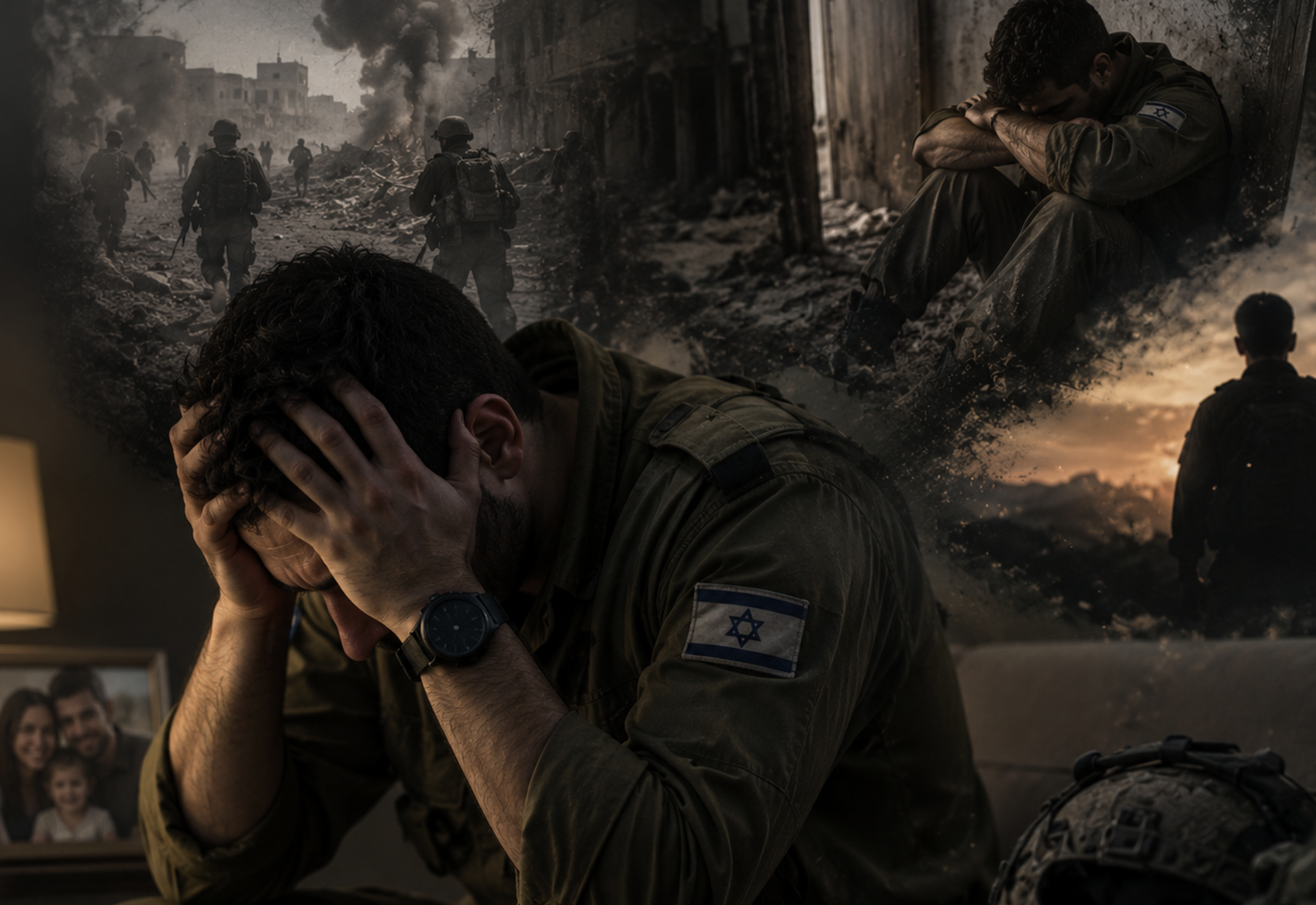
For civilians and defenders exposed to violence, loss, displacement, or repeated alerts, reactions can continue after the immediate emergency has passed. Sleep may become difficult. Ordinary sounds may trigger alarm. A person who performed with focus under pressure may feel detached, angry, exhausted, or unable to settle once they are home. These responses are not weakness. They are the mind and body trying to protect someone after too much danger, too fast.
That reality calls for urgency without false promises. Fast access to trauma-informed care can matter deeply. So can patient, sustained support when recovery takes longer than anyone hoped.
Trauma recovery duration is not a fixed timeline
Some people begin to regain steadiness within days or weeks after a frightening event, especially when they are safe, connected to others, and able to return to routines. Others experience symptoms that persist or emerge later. Neither path is a moral test, and neither can be predicted by the severity of an event alone.
Trauma can be a single incident, but it can also be cumulative. A defender may carry the strain of repeated deployments, constant vigilance, injury, or the loss of a teammate. A civilian may endure rocket fire, evacuation, separation from family, financial disruption, and the uncertainty of whether home will be safe tomorrow. When threat repeats, the body may have fewer opportunities to stand down.
Recovery also rarely moves in a straight line. Someone may feel more grounded for several weeks, then struggle after an anniversary, a loud noise, difficult news, or another security event. A hard day does not erase progress. It signals that support and practical coping tools may still be needed.
What shapes trauma recovery duration?
The length and course of recovery depend on the person, the event, and what happens afterward. Early safety matters. So do stable housing, physical health care, financial support, trusted relationships, and access to qualified mental health professionals. A person who has to keep solving immediate survival problems may have little room to process what happened.
Prior trauma and loss can affect recovery, but they do not determine a person’s future. Age, family responsibilities, injury, substance use, sleep disruption, isolation, and ongoing exposure to danger can all add pressure. Cultural expectations can add another barrier when people feel they must stay silent, appear strong, or carry the burden alone.
The quality of care matters as much as speed. A rushed referral or a long waitlist can leave people unsupported at a critical moment. At the same time, forcing someone to recount painful experiences before they are ready can be counterproductive. Effective care meets people where they are, restores a sense of choice, and adjusts as needs change.
Immediate reactions versus ongoing distress
In the first days after trauma, shock, fear, numbness, nightmares, concentration problems, and heightened alertness can be common. Many people improve as immediate stress decreases and support increases. But if symptoms remain intense, interfere with work or relationships, or worsen over time, professional evaluation is warranted.
There is no need to wait for a crisis to ask for help. A trauma-informed clinician can assess symptoms, discuss options, and identify care that fits the individual. For some, short-term support, practical stabilization, and sleep care are central. For others, structured therapy, psychiatric treatment, or a combination of approaches may be appropriate. Treatment is not one-size-fits-all, and progress should be judged by function and well-being, not by pressure to “move on.”
Why rapid support changes the recovery path
After a mass-casualty event or prolonged conflict, the need is not abstract. People may need a confidential appointment quickly, transportation to care, telehealth access, medication management, a family support plan, or a provider who understands military and civilian trauma. Delays can deepen isolation and allow symptoms to disrupt school, work, parenting, and relationships.
Rapid response does not mean careless response. It means removing avoidable barriers while protecting dignity and clinical quality. The strongest trauma-care systems combine fast entry points with ongoing follow-up. They make it easier to ask for help early, and they remain available when the first wave of support is no longer enough.
This is why targeted funding for trauma care matters. It turns donor intent into appointments, clinician capacity, telehealth access, and continuity for people whose recovery cannot wait for bureaucracy. Israel Friends supports fast-access PTSD and psychiatric care through trusted partners because resilience is not built with words alone. It is built when a defender or civilian can reach qualified support at the moment it is needed.
How families and communities can help without pushing
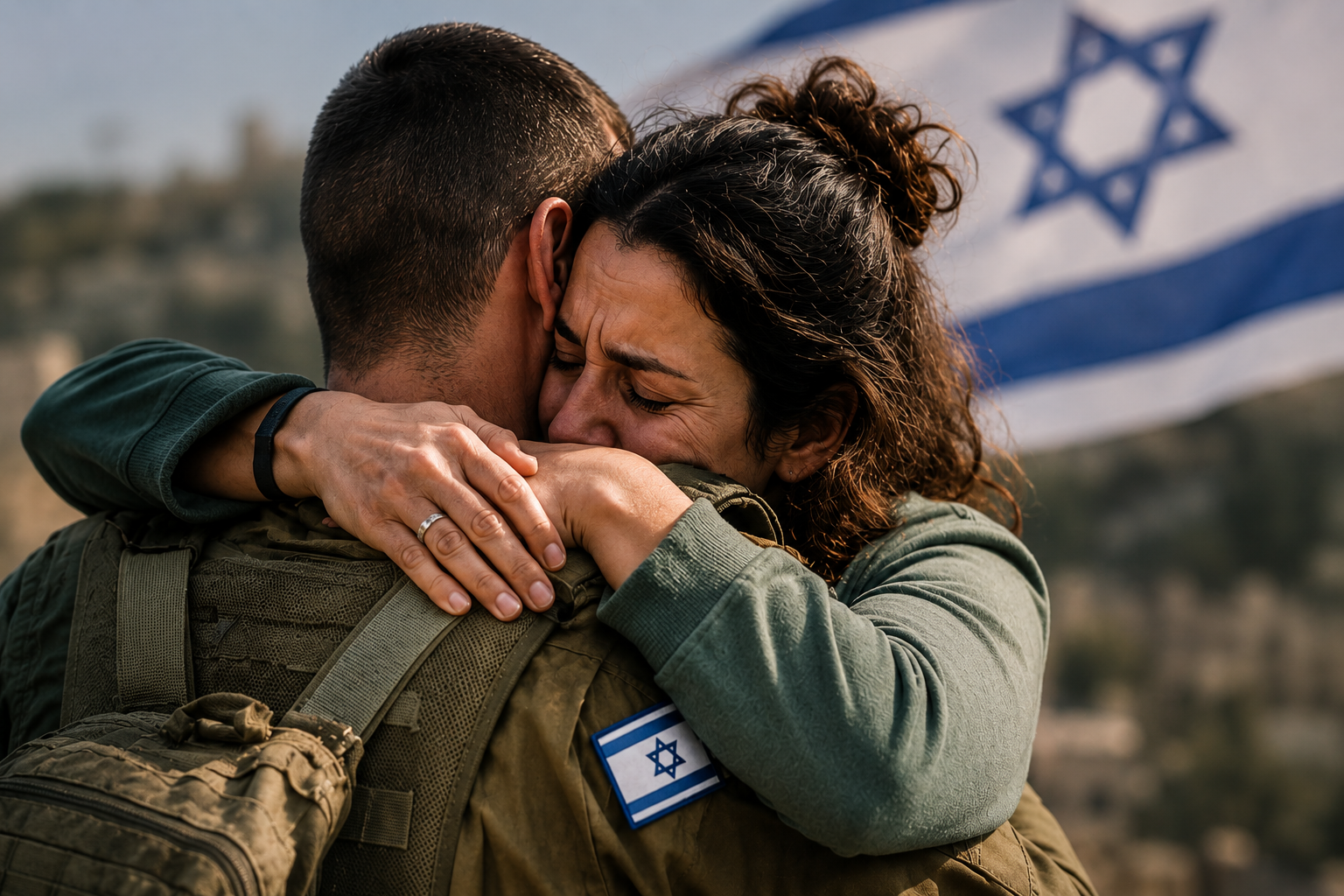
Loved ones often want to fix the pain quickly. The better goal is to become a steady presence. Listen without demanding details. Offer specific practical help, such as a meal, childcare, a ride, or assistance making an appointment. Keep checking in after public attention has moved elsewhere.
Language matters. Avoid asking why someone is not “over it” or comparing their response to another person’s. Instead, acknowledge what they survived and make space for their own pace. A simple statement such as, “You do not have to carry this alone,” can be more useful than advice.
Communities also have a responsibility to make care normal, not shameful. Leaders, employers, schools, and faith communities can protect privacy, provide flexibility, and share credible pathways to support. For defenders, that can mean a culture where seeking help is recognized as readiness and responsibility, not a failure of discipline.
When urgent help is needed
Some signs require immediate attention: thoughts of self-harm or suicide, threats toward others, severe confusion, inability to care for basic needs, escalating substance use, or a person who cannot stay safe. In the United States, call or text 988 for the Suicide & Crisis Lifeline, or call 911 if there is immediate danger. People outside the United States should contact local emergency services or an available crisis line.
Urgent support is also appropriate when panic, sleeplessness, flashbacks, rage, or withdrawal are making daily life unmanageable. Seeking help early is not an overreaction. It is a protective decision for the individual, their family, and the people who depend on them.
Measure progress by capacity, not by speed
The question is not simply, “How long will this take?” A more useful question is, “What support will help this person feel safe, connected, and capable again?” Progress may look like sleeping through the night, taking a child to school, returning a friend’s call, completing a shift, attending therapy, or being able to hear a loud sound without reliving the past.
No donor, family member, commander, or community can set another person’s healing deadline. What we can do is act with speed when care is needed, fund pathways that work, and stay present for the long recovery that may follow. That commitment gives survivors something essential: proof that they are not expected to rebuild alone.