
A parent has not slept since the sirens began. A reservist returns home unable to switch off. A child who once ran to school now panics at a slammed door. These are not problems that can wait for a standard appointment weeks from now. How resilience centers operate matters because the first response to trauma can shape whether a person regains stability or carries the crisis alone.
In Israel, resilience centers are built for that difficult gap between an emergency and long-term recovery. They bring clinical care, practical support, family guidance, and local coordination close to the communities living under threat. Their work is compassionate, but it is not passive. It is organized around fast identification of need, focused intervention, and a clear route to continuing care.
How Resilience Centers Operate When Trauma Hits
A resilience center is not simply a counseling office with a different name. It is a coordinated community response system. Depending on its location and capacity, a center may support civilians after rocket attacks, families displaced from their homes, survivors of terror, first responders, and military personnel transitioning back to civilian life.
The operating principle is straightforward: reach people early, assess what is happening, and connect them to the right level of care without making them navigate a maze of institutions while in distress. That can mean a brief intervention after an acute event, a series of trauma-focused sessions, psychiatric evaluation, family treatment, or referral to more intensive services.
Speed matters, but speed alone is not enough. A person in acute shock does not necessarily need the same treatment as someone experiencing persistent nightmares, depression, rage, or isolation months later. Effective centers triage rather than treating every case the same way. They determine urgency, risk, symptoms, practical barriers, and the strength of a person’s support system before deciding what comes next.
The first hours: stabilization before treatment
Immediately after an attack or major disruption, the first goal is usually stabilization. Teams help people regain a sense of safety, orientation, and connection. They may provide psychological first aid, explain common stress reactions, support parents trying to calm children, and identify people at risk of harming themselves or others.
This is not the moment for forcing someone to relive every detail. Good trauma response avoids turning urgency into intrusion. Some people need a quiet conversation and clear information. Others need immediate clinical intervention. Still others may appear composed but need follow-up because their symptoms emerge after the immediate danger has passed.
Centers also work with the reality outside the therapy room. A family may need help locating temporary housing, arranging school support, communicating with an employer, or accessing medical services. Practical instability can keep the nervous system on high alert. Addressing it is part of recovery, not a distraction from it.
Intake and triage: matching care to the need
Once the immediate crisis is contained, staff assess the kind and intensity of support required. This may include social workers, psychologists, psychiatrists, trauma therapists, and trained crisis counselors. The exact team varies by center, but the best model is multidisciplinary because trauma rarely arrives as one clean, isolated problem.
A triage process typically considers exposure to violence, prior trauma, current symptoms, family conditions, substance use, medical needs, and immediate safety. A child struggling to sleep may benefit from parent-child support and school coordination. A survivor with severe panic, suicidal thoughts, or disabling symptoms may require urgent psychiatric care and closer monitoring.
Not every person exposed to a traumatic event will develop post-traumatic stress disorder. Treating every stress reaction as a diagnosis can be counterproductive. At the same time, dismissing severe symptoms as something people should simply push through can delay life-changing care. The job of a resilience center is to recognize that difference early and act on it.
Care That Extends Beyond One Appointment
Trauma disrupts relationships, routines, trust, concentration, sleep, and a person’s sense of control. That is why resilience centers often provide a range of services rather than a single intervention. Individual therapy may be paired with group sessions, family counseling, psychiatric consultation, telehealth access, and workshops for parents, teachers, or community leaders.
For many people, remote treatment is a critical part of the model. Someone living near an active conflict zone, caring for children, recovering from injury, or unable to travel can still speak with a qualified provider. Telehealth is not a replacement for every form of care. High-risk cases and certain clinical needs require in-person treatment. But it can remove one of the most common barriers: getting help before symptoms harden into a daily reality.
Continuity is where a center proves its value. A single crisis conversation can help someone make it through the night. Recovery often requires follow-up, adjustment, and the ability to escalate care if symptoms worsen. Centers track engagement, reconnect with people who miss appointments, and coordinate with health agencies and local providers when longer-term treatment is needed.
Families and communities are part of the treatment plan
Trauma is contagious in the sense that it spreads through a household and community. A parent coping with hypervigilance may struggle to reassure a child. A school staff member carrying their own fear may have less capacity to support students. A community facing repeated alerts can begin to organize its entire life around threat.
That is why resilience work includes education and community-based support. Centers can train caregivers to recognize warning signs, help educators respond without stigmatizing students, and give local leaders tools for communicating during crisis. These interventions strengthen the people who surround someone in pain. They do not replace clinical care, but they make that care more likely to hold.
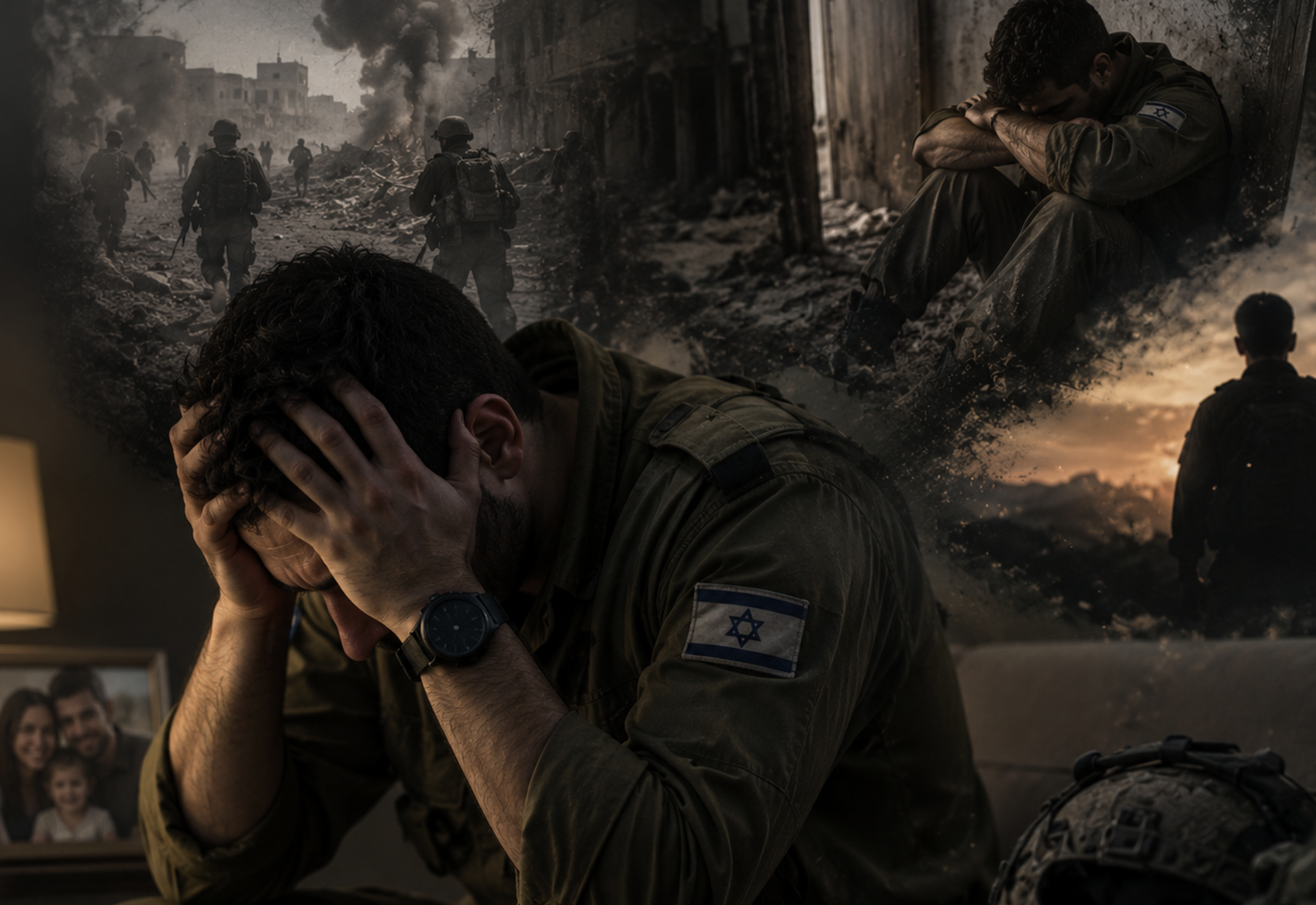
For defenders and reservists, reintegration can be especially complex. The shift from operational alertness to home life is not automatic. Some need confidential, specialized support that understands military stress without reducing them to a diagnosis. Families may need help understanding changes in mood, sleep, or behavior. The most effective response protects dignity while making treatment accessible.
What Keeps a Resilience Center Operational
Care requires more than skilled clinicians. During sustained emergencies, centers need secure facilities, communications capacity, administrative coordination, referral pathways, and funding that can move quickly. Demand can surge after a major attack, while the professionals providing care may also be personally affected by the same crisis.
This creates difficult trade-offs. A center must protect staff from burnout while expanding availability. It must offer immediate support without promising that every person will need the same amount of care. It must preserve confidentiality while coordinating responsibly with health systems, schools, municipalities, and emergency services.
Operational discipline makes the difference. Centers need clear intake procedures, secure patient information, reliable scheduling, and a process for identifying gaps in service. When wait times rise or a community faces a new wave of displacement, leaders need to know quickly where additional clinicians, telehealth capacity, transportation support, or emergency funding can have the greatest effect.
They also need funding that respects the reality of trauma care. Equipment deliveries can be measured in units and days. Mental health impact is measured differently: people reached quickly, appointments sustained, urgent cases referred, families stabilized, and patients able to return to work, school, sleep, and connection. Accountability still matters. It simply demands metrics that reflect human recovery, not just activity.
Why Direct Support Can Change the Outcome
A resilience center does not work in isolation. It depends on local trust, professional expertise, and supporters who understand that trauma care is emergency infrastructure. When funding arrives late, a center may have to limit appointments, reduce follow-up, or leave vulnerable people waiting at the exact moment they are ready to accept help.
Direct support can fund trauma therapy, psychiatric access, telehealth sessions, crisis staffing, and the capacity to serve families who might otherwise go untreated. For Israel Friends, supporting fast-access PTSD care and resiliency partnerships reflects the same operational commitment behind every mission-critical response: identify the urgent gap, source the right solution, and deliver help where it protects lives.
The value is not abstract. It is the teenager who can return to class without panic. The parent who learns how to help a child sleep. The defender who asks for help before isolation becomes despair. The community that stays connected when fear is trying to pull it apart.
Resilience is not pretending a crisis did not happen. It is building the care, discipline, and human support that allow people to keep moving forward after it does.