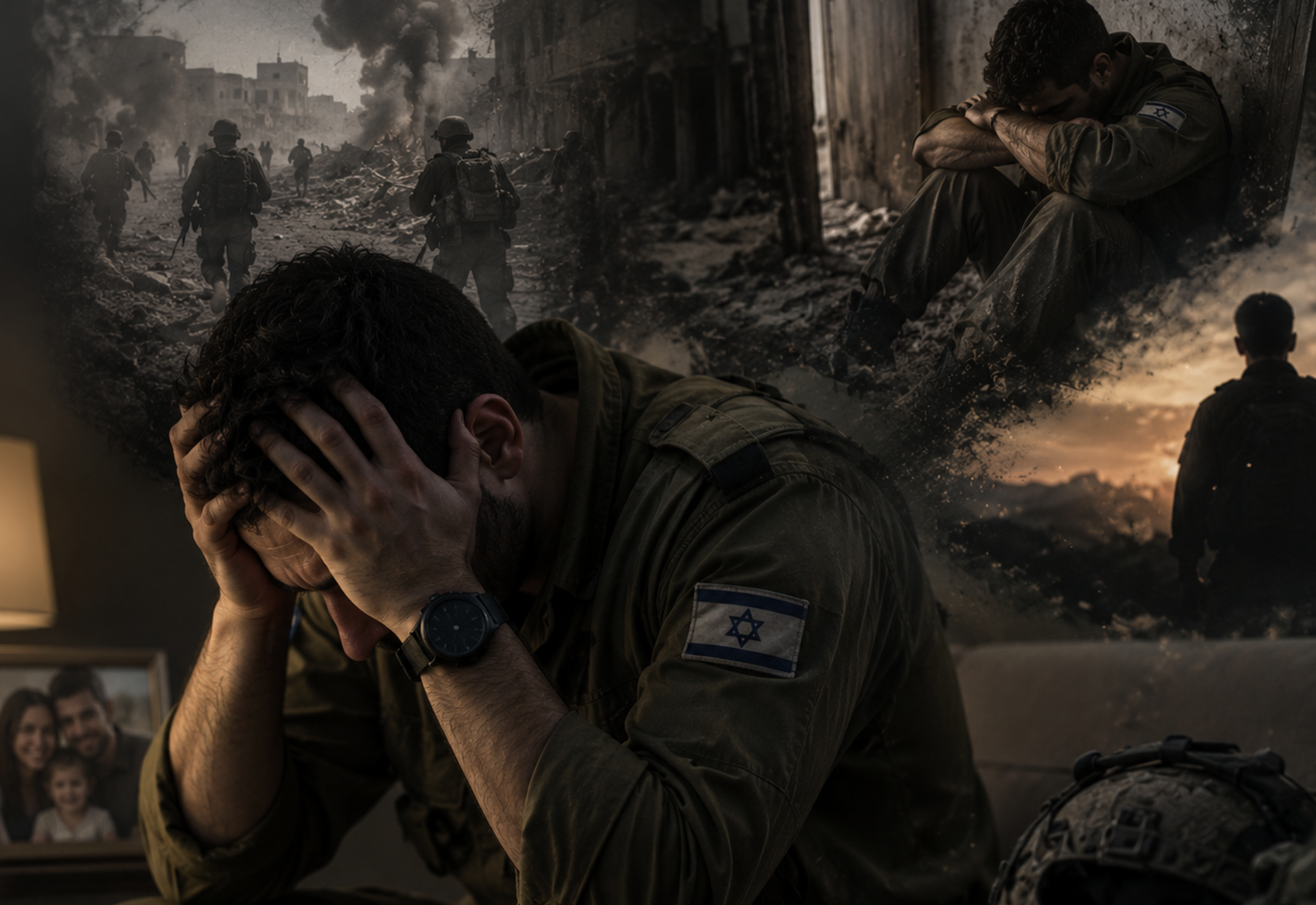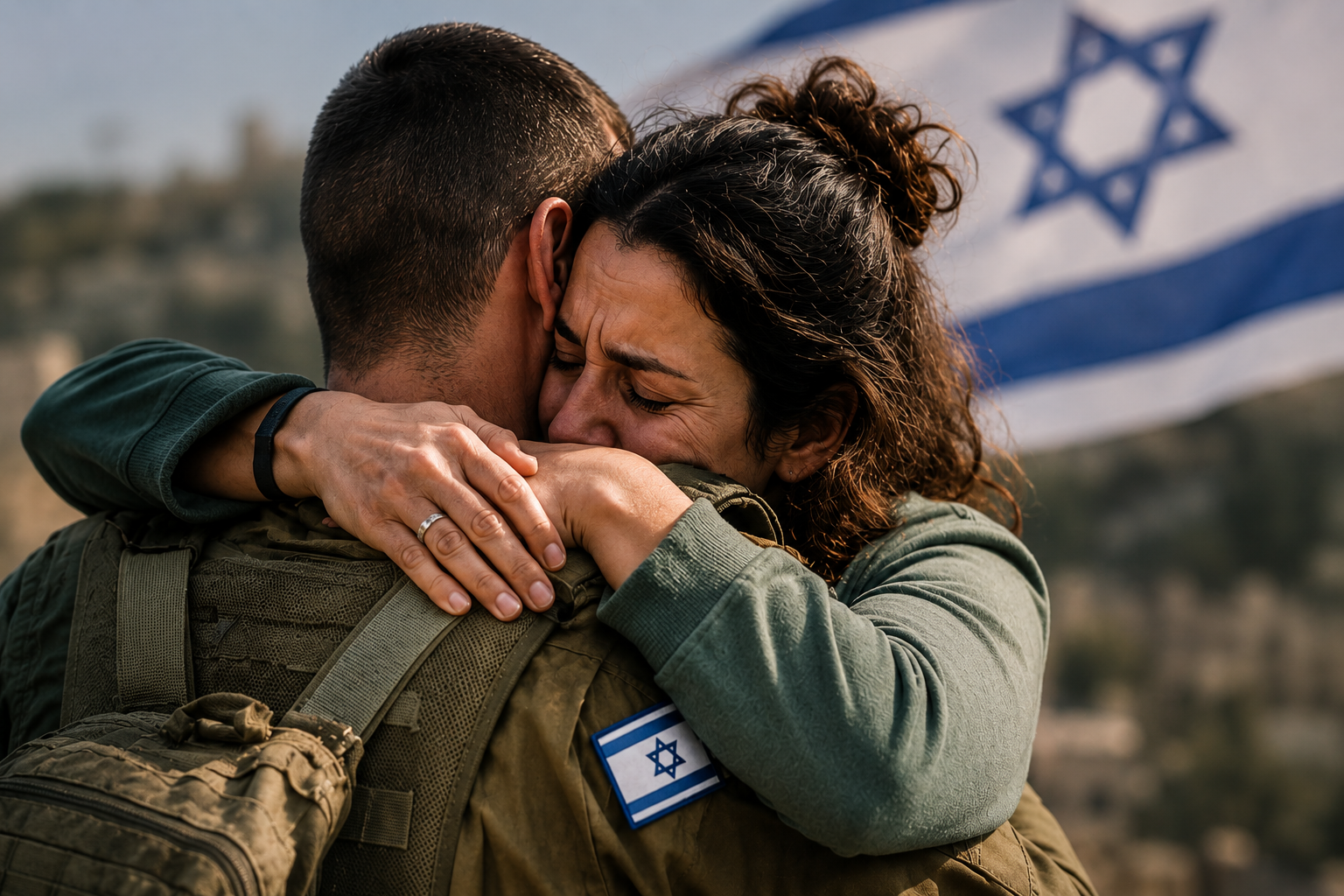

Trauma does not wait for a convenient appointment, a funding cycle, or a committee meeting. For Israeli civilians, defenders, first responders, and families living with the consequences of terror and war, the best trauma support resources are the ones that can meet a person where they are – in the first hours, in the sleepless weeks that follow, and throughout the longer work of recovery.
The right response is not one-size-fits-all. A survivor who cannot sleep after a rocket attack may need fast clinical assessment. A reservist returning home may need confidential PTSD treatment that works around duty and family obligations. A parent may need practical tools to help a child feel safe again. Each need is real. Each deserves a response built for speed, dignity, and measurable care.
What Makes Trauma Support Effective?
Trauma support is often described in broad, compassionate language. Compassion matters, but it must be matched by capability. The most effective resources reduce the time between a person asking for help and receiving qualified care. They are easy to access, culturally aware, confidential, and equipped to continue support after the immediate crisis has passed.
That means looking beyond a single counseling session or a general awareness campaign. Strong trauma care combines rapid intervention with a path toward sustained recovery. It recognizes that trauma can affect sleep, concentration, relationships, physical health, decision-making, and a person’s sense of safety. It also recognizes that symptoms may appear immediately, months later, or after a new stressor brings the experience back to the surface.
For communities under continued threat, access matters as much as clinical quality. A program may be excellent on paper but ineffective if a civilian cannot reach it quickly, a soldier fears professional consequences, or a family cannot manage transportation, scheduling, or cost. The best systems remove those barriers before they become another reason to suffer alone.
The Best Trauma Support Resources Work in Layers
No single service can carry the full weight of trauma recovery. The strongest response connects immediate safety, professional treatment, community support, and practical stabilization. These layers should work together rather than compete for attention or funding.
1. Crisis response and immediate safety
When someone is at immediate risk of harming themselves or others, is unable to stay safe, or is experiencing a severe mental health emergency, emergency services should be contacted without delay. In the United States, people can call or text 988 for the Suicide & Crisis Lifeline. Those outside the United States should use local emergency and crisis services.
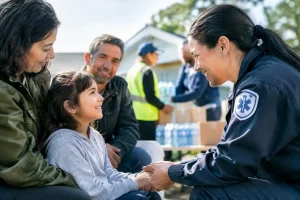
Immediate care is not limited to a psychiatric emergency. Following an attack, injury, displacement, or traumatic loss, people may need a calm, trained professional who can assess urgent needs, explain normal stress reactions, and identify who requires more intensive support. Early intervention can reduce isolation and help families make informed next-step decisions during an overwhelming period.
The goal is not to force someone to retell every detail before they are ready. It is to establish safety, restore a degree of control, and connect the person to appropriate care quickly.
2. Trauma-informed clinical treatment
Licensed mental health professionals with trauma-specific training are central to lasting recovery. Depending on the person’s needs, treatment may include trauma-focused cognitive behavioral therapy, EMDR, psychiatric evaluation, medication management, group therapy, or family counseling. The right approach depends on age, symptoms, prior experiences, current safety, and personal preference.
Quality matters here. Not every therapist has specialized experience treating combat exposure, terror-related trauma, traumatic grief, or complex PTSD. Ask direct questions: Does this provider work with trauma survivors? Do they understand the realities facing defenders, displaced families, or children under repeated threat? Is there a plan for care if symptoms intensify?
Confidential telehealth can be especially valuable for people in remote areas, those with mobility limitations, busy caregivers, and individuals reluctant to enter a clinic. It is not the right answer for every crisis, particularly when in-person evaluation is needed. But when delivered by qualified clinicians, telehealth can close a dangerous gap between need and treatment.
3. Resiliency centers and local support networks
Clinical care should not leave people feeling like patients first and neighbors second. Community resiliency centers, local support groups, schools, faith communities, and survivor networks can provide continuity that a weekly appointment cannot always offer.
For Israeli families, local centers may help coordinate counseling, children’s programming, family workshops, referrals, and practical support after a destabilizing event. These services can create a dependable point of contact when a person does not know where to begin. They also help identify people who are slipping through the cracks – including caregivers, spouses, older adults, and children who may minimize their own distress.
Peer support can be powerful, especially for veterans and first responders who may feel understood only by people with similar experiences. Still, peer groups are not a replacement for clinical care when someone is struggling with severe depression, panic, substance misuse, suicidal thoughts, or inability to function day to day. The most responsible programs know the difference and make referrals without hesitation.
4. Family and child-focused care
Trauma rarely affects just one person. A parent’s hypervigilance can change the atmosphere of an entire home. A child’s nightmares can disrupt a family’s sleep for months. A spouse may carry the invisible burden of supporting someone who has returned from service physically present but emotionally distant.
Children need age-appropriate support, predictable routines, honest reassurance, and adults who can listen without pressuring them to “move on.” Families benefit when providers teach practical skills: how to respond to panic, how to create a safety plan, how to recognize signs that more help is needed, and how to talk about frightening events without increasing fear.
This is where flexible care is essential. Some families need individual treatment. Others need couples counseling, parent guidance, grief support, or structured group programs. The best resource is the one that addresses the actual pressure point, not the one with the broadest label.
How Donors Can Identify High-Impact Trauma Care
For donors who want to protect lives and strengthen Israel’s long-term resilience, trauma care deserves the same urgency as physical protection. An IFAK kit can help save a life in the first minutes after an injury. Fast-access mental health care helps protect that life in the months and years after the event.
Before supporting a trauma initiative, look for operational clarity. Who receives care? How quickly can they access it? Are services delivered by licensed and vetted professionals? Does the program cover psychiatric care, therapy, telehealth, or direct referrals? How does it reach people beyond the first wave of public attention?
Also look for proof that funds are tied to deliverables. A high-impact program can explain what support enables: clinical sessions, emergency evaluations, telehealth access, trained trauma professionals, family interventions, or expanded capacity at resiliency centers. The point is not to reduce human healing to a spreadsheet. It is to ensure every dollar moves care closer to the people who need it.
Israel Friends supports fast-access PTSD and telehealth psychiatric treatment through trusted health agencies and resiliency centers because delay can deepen the cost of trauma. The mission is direct: identify the need, source vetted care, and deliver support where it can make a real difference.
Supporting Someone Without Trying to Fix Them
Friends, relatives, and community leaders often want the perfect words. Usually, the more useful action is simpler: stay present, listen without interrogation, and offer specific help. “I can drive you to an appointment,” is often more meaningful than, “Let me know if you need anything.”
Avoid demanding details or treating every reaction as a problem to solve. Some people need to talk. Others need quiet, routine, food, childcare, or help making a call. Watch for warning signs such as persistent withdrawal, escalating anger, dangerous substance use, inability to sleep for extended periods, hopelessness, or talk of self-harm. When those signs appear, encourage professional support and act urgently if safety is in question.
Trauma recovery is not weakness, and seeking care is not a retreat from responsibility. It is a disciplined decision to protect a person, a family, and a community from carrying an unbearable burden alone. When rapid response is paired with sustained care, recovery becomes more than a promise. It becomes a path forward.