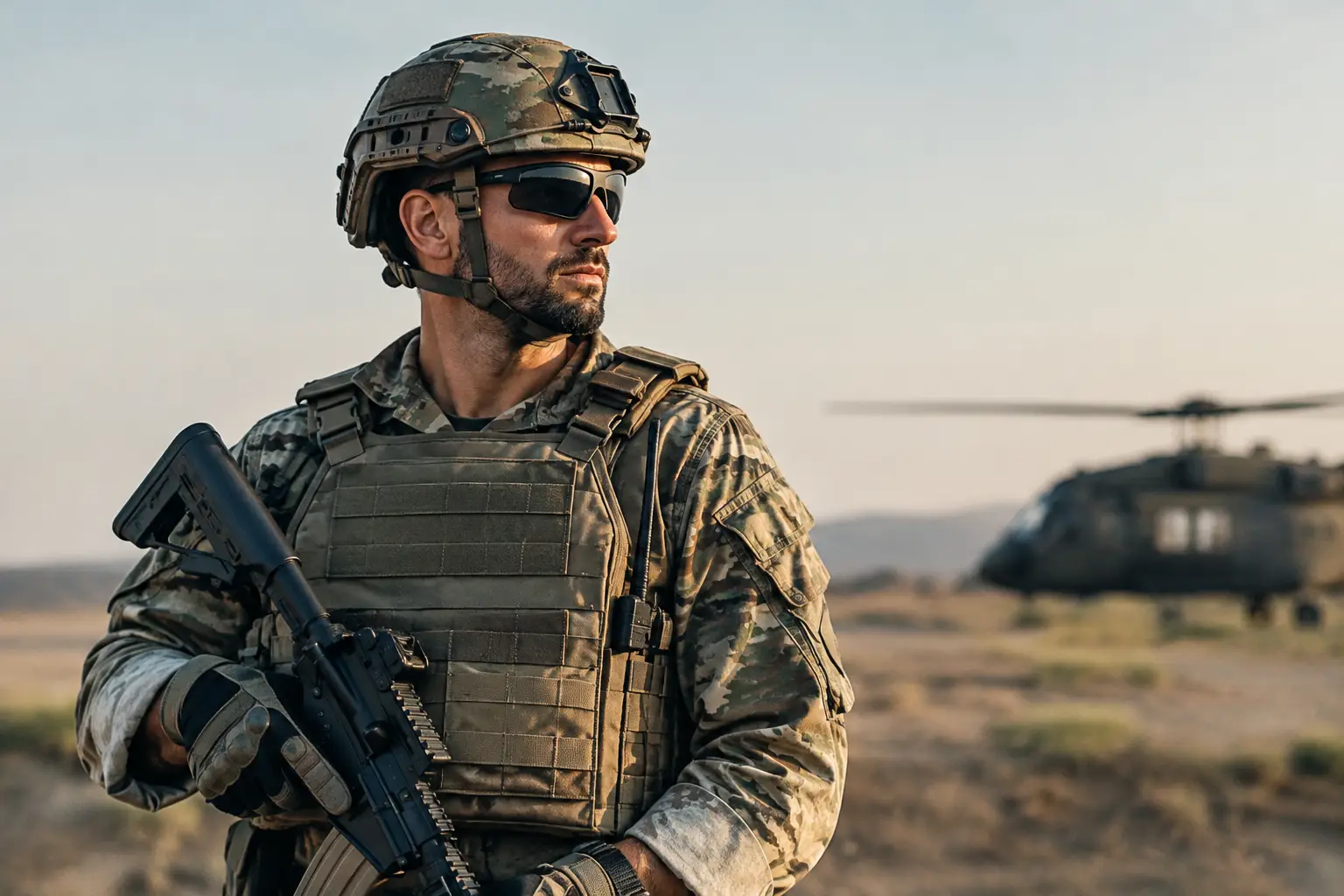
A protective vest is not a symbol of strength. It is a piece of life-saving equipment that gives a defender, medic, first responder, or civilian security team a better chance to go home. When threats escalate without warning, protective vests can create the critical margin between a survivable injury and a devastating loss.
That margin matters. But armor alone does not create readiness. A vest must be appropriate for the mission, properly fitted, maintained, and delivered before the urgent moment arrives. The difference between equipment sitting in a warehouse and equipment worn by a trained person at the point of need is measured in lives.
Protective Vests Are Part of a Readiness System
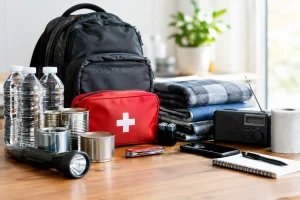
A vest is only effective when it works within a larger protective system. That system may include helmets, ballistic eyewear, trauma kits, communications equipment, medical evacuation planning, and training. Each component fills a different gap. Together, they help people make better decisions and stay operational under pressure.
The mission determines the equipment. A community security volunteer conducting patrols has different mobility needs than a medic responding to casualties. A defender assigned to a fixed position may need more coverage, while someone moving quickly through difficult terrain may prioritize lower weight and greater range of motion. There is no single vest that is right for every person or every assignment.
This is why responsible procurement starts with a clear question: What risk is this person likely to face, and what must they still be able to do while protected? Speed matters, but speed without assessment can lead to equipment that is unused, uncomfortable, or wrong for the environment.
What Reliable Protective Vests Must Deliver
The purpose of a protective vest is straightforward: reduce the wearer’s exposure to injury while preserving the ability to move, communicate, treat casualties, and perform the mission. Achieving that balance requires more than purchasing the heaviest available gear.
Protection matched to the threat
Protective equipment should be selected according to verified standards, documented testing, and the credible threats facing the intended wearer. Ballistic protection is not a promise of invulnerability. It is designed to perform within defined conditions, and its capabilities depend on the materials, configuration, condition, and proper use of the equipment.
Responsible organizations avoid vague claims and unverified products. They source from vetted manufacturers, confirm the equipment’s specifications, and make sure the configuration is appropriate for the operational setting. When lives are at stake, shortcuts are not savings.
Fit that people can wear for hours
A vest that shifts, rides too high, restricts breathing, or interferes with shoulder movement is a problem, even if its materials meet the right specifications. Proper fit helps keep protective components where they are intended to be while reducing fatigue and distraction.
Sizing also cannot be treated as an afterthought. Teams include people with different body types, and a one-size approach can leave gaps in comfort and performance. The best equipment is equipment a person can wear consistently, correctly, and confidently through a long shift or an emergency response.
Function under real conditions
The vest must work with the rest of the user’s equipment. Can a medic reach essential supplies? Can a security volunteer safely operate a radio? Can the wearer enter a vehicle, move through a doorway, kneel, or carry a casualty when necessary?
These are practical questions, not cosmetic ones. Pouches, adjustment systems, identification panels, and load placement should support the mission instead of adding clutter. More gear is not always better. Unnecessary weight can slow movement, increase exhaustion, and discourage consistent use.
Care, Inspection, and Training Protect the Investment
Protective equipment requires disciplined stewardship. Vests should be inspected regularly for damage, excessive wear, compromised fasteners, moisture exposure, contamination, or manufacturer-identified concerns. Storage matters too. Extreme heat, improper handling, and careless stacking can undermine equipment long before it is needed.
Training is equally essential. The wearer needs to understand how the vest should fit, how to adjust it, how to inspect it, and what its limitations are. Leaders need a process for tracking inventory, assigning equipment, documenting inspections, and replacing items when their service life or condition demands it.
This may sound operational, because it is. A donor who funds equipment deserves to know that it will not disappear into a storeroom. Accountability means following the equipment from a verified need to a vetted source, direct delivery, proper assignment, and continued use.
Fast Delivery Must Still Be Smart Delivery
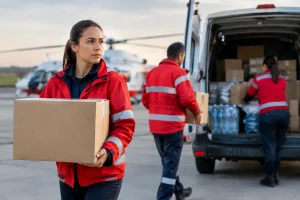
During a crisis, the need for protective gear can grow faster than conventional systems can respond. A community under threat cannot wait through months of committee meetings while responders lack essential protection. Urgency demands action.
But fast action does not mean careless action. The strongest response follows a disciplined sequence: define the need, verify the recipient, source the right equipment, coordinate delivery, and confirm that it reached the people who need it. This approach reduces waste while moving with the speed that emergencies require.
Israel Friends operates from that belief: we do not wait when a clear, life-saving need is identified. We act to help defenders and civilians access mission-critical protective technology and emergency support without bureaucratic delay. Every request still requires judgment. The goal is not simply to send gear. The goal is to place the right resources in the right hands at the right time.
For supporters, this is where tangible impact becomes visible. A contribution can help equip a local response team, strengthen a medic’s ability to reach the injured, or give a defender protection that allows them to continue serving their community. These are concrete outcomes, not abstract promises.
Questions Supporters Should Ask Before Funding Gear
Mission-driven giving should include high standards. Before supporting a protective-equipment campaign, donors should ask whether the need has been verified, whether the product comes from a trusted source, and whether the recipient has the ability to use and maintain it. They should also ask how delivery will be confirmed and whether the organization can explain the practical purpose of the equipment.
The answers should be direct. A credible response does not hide behind broad language about support or solidarity. It identifies the need, explains the intervention, and respects the seriousness of the people who will rely on the equipment.
There are trade-offs in every deployment. Higher protection can mean more weight. Greater modularity can require more training. A rapid purchase may be necessary in an emergency, but it should never mean accepting unknown quality. Good operators manage those trade-offs honestly because the people wearing the gear deserve nothing less.
A protective vest cannot stop every danger. What it can do is give a person more time, more confidence, and a stronger chance to protect others when the moment turns critical. That is why disciplined action, trusted equipment, and accountable delivery remain worth supporting long before the next emergency begins.