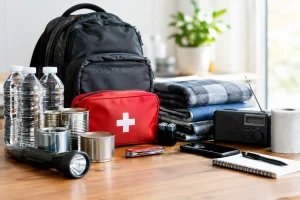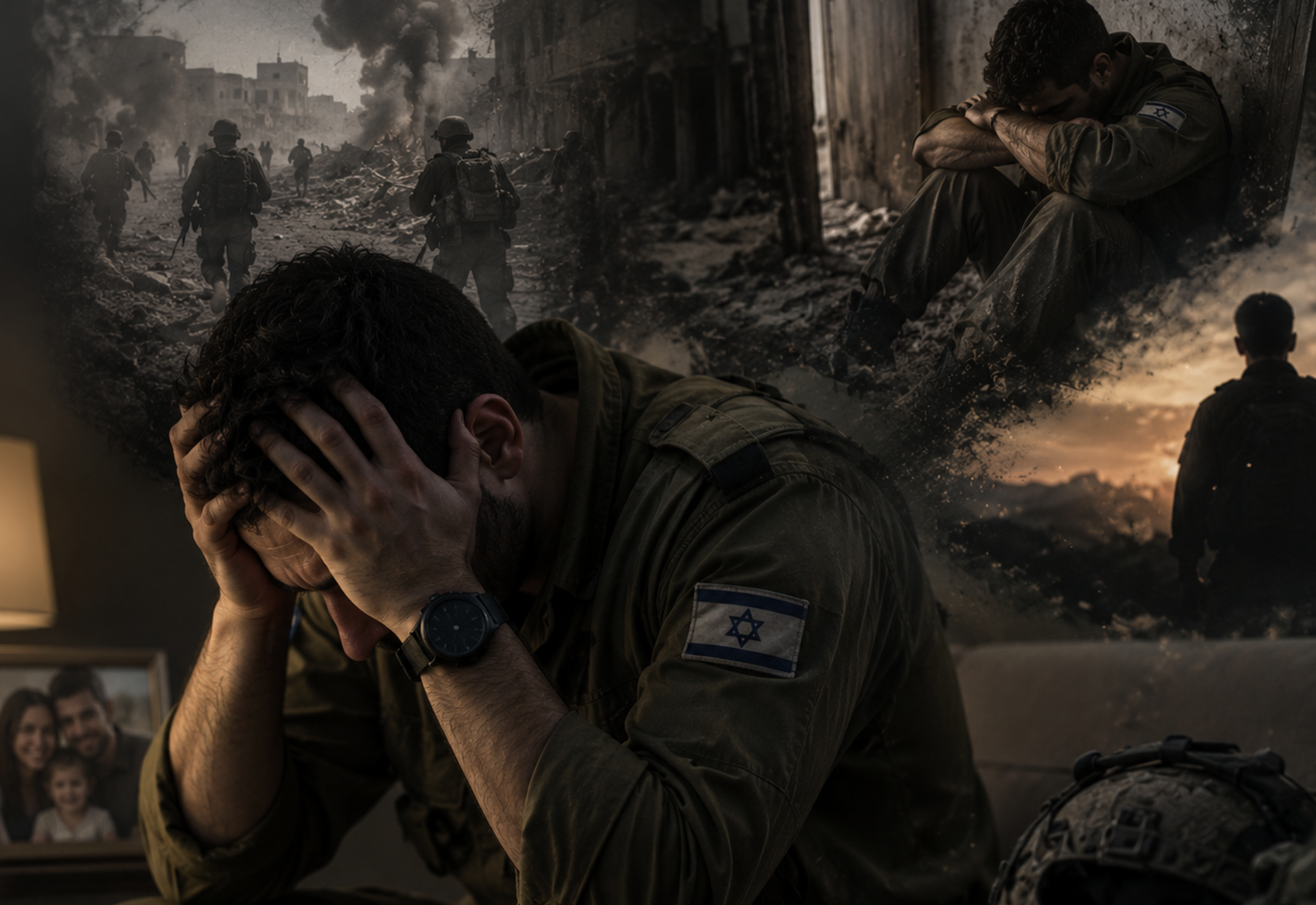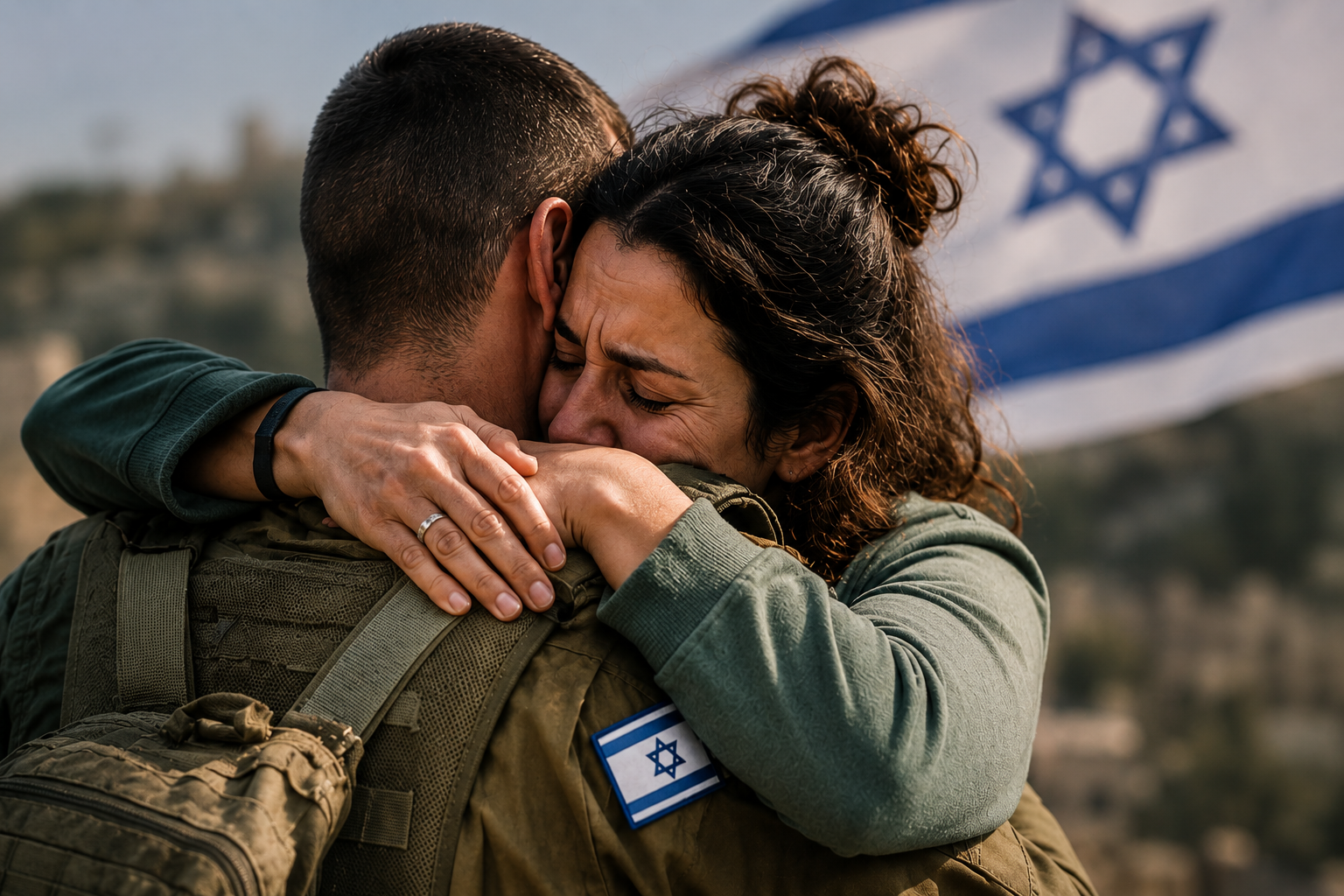
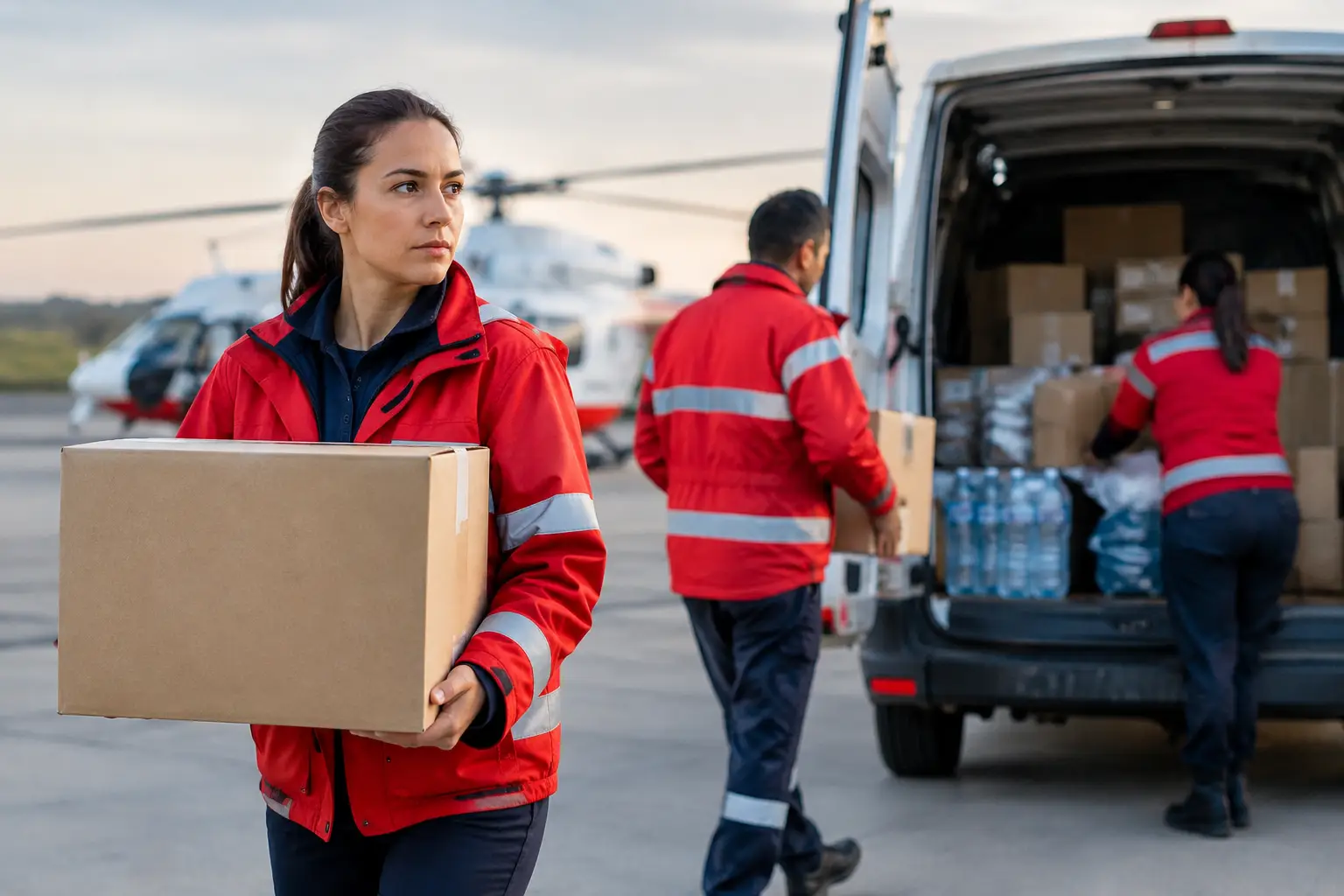
A medic reaches for an IFAK kit after an attack. A family needs trauma support before fear becomes a longer-term wound. A security team spots a blind area that requires thermal imaging before nightfall. In moments like these, emergency logistics is not a back-office function. It is the disciplined work of turning urgent needs into protection, treatment, and time.
The difference between help promised and help delivered can be measured in hours, sometimes minutes. That is why crisis response cannot depend on vague plans, slow approvals, or supplies that are useful in theory but wrong for the conditions on the ground. Action must be precise. The need must be defined, the solution must be vetted, and the delivery must reach the person who can use it.
Emergency Logistics Is More Than Moving Supplies
Emergency logistics is often reduced to transportation: buy the equipment, load the boxes, get them to a destination. Transportation matters, but it is only one part of the mission. The real work begins with judgment.
What is needed right now? Who has confirmed that need? Is the item compatible with the unit, agency, clinic, or community receiving it? Can it be procured quickly without sacrificing reliability? Will it arrive where it can make an immediate difference?
A shipment of equipment is not a success simply because it crosses a border or reaches a warehouse. It becomes impact when a defender can use ballistic eyewear in the field, when a medic can open a properly stocked trauma kit, or when a community has the surveillance capacity to identify a threat sooner. The standard is not activity. The standard is readiness.
That is also why emergency response has trade-offs. The fastest item available is not always the right item. The cheapest supplier may not meet operational requirements. A large delivery may look impressive, but a smaller, verified delivery to the right place can save more lives. Good crisis logistics makes those decisions quickly, without treating speed and accountability as opposites.
The First Step Is a Clear Operational Picture
In a crisis, reports arrive fast and rarely arrive perfectly. Needs may overlap, change, or be based on incomplete information. Acting on every request without verification wastes resources. Waiting for perfect certainty can leave people exposed.
The answer is a clear operational picture built from trusted partners close to the need: defenders, local organizations, medical professionals, community leaders, government contacts, and qualified vendors. Their insight helps separate immediate life-safety needs from requests that can be addressed later.
This is where priorities become concrete. A request for “medical supplies” must become a defined list of trauma items, quantities, locations, and receiving points. A concern about community security must become a specific gap, such as cameras, thermal capability, communications equipment, or protective gear. A call for mental health support must identify the fastest responsible path to licensed care.
Clarity protects donor dollars as much as it protects responders. It prevents duplication, reduces waste, and gives every dollar a job to do. In high-stakes conditions, a disciplined needs assessment is not bureaucracy. It is how urgency becomes useful action.
Define the Need Before Buying the Solution
The right question is not, “What can we send?” It is, “What will protect or stabilize people at this location today?”
That distinction changes everything. A responder operating in a remote area may need compact equipment that can be carried and deployed immediately. A civilian community may need surveillance tools that fit its existing security plan. A person dealing with acute trauma may need fast access to a qualified clinician, not a generic referral placed weeks into the future.
When needs are defined well, the response is more focused, the sourcing process is faster, and the outcome is easier to verify.
Source Fast, But Never Blindly
Emergency procurement demands speed, yet speed without vetting creates another kind of risk. Poor-quality equipment can fail in the field. An unfamiliar vendor can delay delivery or provide substitutes that do not meet requirements. A product that appears available may not be usable under local conditions.
Trusted supply networks matter because they shorten the distance between a verified request and a workable solution. They make it possible to identify available inventory, confirm specifications, arrange transport, and avoid preventable surprises. This is where operational relationships, built before a crisis, pay off.
For protective technology, the details are especially important. A drone, thermal camera, or surveillance system is not a standalone answer. It must fit the mission, the terrain, the operator’s capability, and the community’s broader security plan. The same is true for personal protective and medical equipment. Quality, compatibility, and training requirements all affect whether a tool delivers real protection.
There are times when the right decision is to source locally because it gets aid into hands faster. Other situations require specialized suppliers or coordinated transport. The best route depends on the item, the urgency, and the receiving team’s capacity. Effective emergency logistics stays flexible while holding firm to one principle: deliver what works, not merely what is available.
Deliver to the Point of Use
A warehouse is a waypoint, not the finish line. The last mile is where crisis response either succeeds or stalls.
Delivering to the point of use requires coordination with the people receiving the aid. They need accurate arrival information, a secure handoff process, and a plan for putting the resource into service. If equipment needs installation, activation, or training, those steps must be considered before the shipment moves. If a clinic is expanding trauma support, patients need a clear path to access care.
This is why direct delivery matters. Every unnecessary handoff adds time, confusion, and the possibility that resources will be misplaced or delayed. The goal is not to build a complicated chain of custody for its own sake. It is to maintain accountability while keeping the path from donor support to frontline impact as short as possible.
At Israel Friends, that operating mindset is simple: identify the urgent gap, source a vetted solution, and deliver it directly to those protecting lives. It reflects a belief that humanitarian compassion should be matched by operational discipline.
Trauma Care Belongs in the Response Plan
Not every emergency need arrives in a box. After violence, displacement, or sustained threat, psychological injuries can affect defenders, families, children, and entire communities. Delayed care can deepen isolation and make recovery harder.
Fast-access PTSD treatment and telehealth psychiatric care are therefore part of emergency logistics, not an afterthought. They require trusted clinical partnerships, privacy, clear intake pathways, and the ability to connect people to care when they are ready to ask for it. For some people, telehealth is the fastest safe option. For others, local resiliency centers and in-person support are essential.
The practical challenge is that mental health care cannot be treated like a standard shipment. It must be clinically responsible, voluntary, and designed around the person receiving care. But the urgency is real. A response system that protects bodies while ignoring trauma leaves people carrying the crisis alone.
Accountability Keeps Urgency Honest
Values-driven donors do not give simply to fund movement. They give to protect people, strengthen readiness, and help communities recover. They deserve to know what their support is built to accomplish.
Meaningful accountability begins with specific needs and specific interventions. Instead of broad claims about helping, a mission-driven response can communicate what was needed, why it mattered, and what was delivered. That might mean protective equipment for responders, technology that extends situational awareness, trauma kits positioned for immediate use, or access to professional mental health care.
Not every operational detail should be public. Security-sensitive information must stay protected, and public reporting should never expose defenders or communities to greater risk. Still, discretion is not an excuse for vagueness. Responsible organizations can demonstrate impact without compromising safety.
For supporters, this is where participation becomes powerful. A donation can fund equipment. Volunteering can expand the capacity to respond. Sharing a verified campaign can bring more people into a mission at the moment resources are most needed. Every role matters when the objective is direct, measurable protection.
Readiness Is Built Before the Next Emergency
The strongest emergency logistics system is built long before the phone rings. It depends on trusted relationships, pre-vetted suppliers, defined procedures, informed donors, and an honest understanding of where gaps are likely to appear.
Preparedness does not mean predicting every crisis. It means reducing the time between need and action when the unexpected happens. It means knowing which partners can verify a request, which suppliers can deliver, and which interventions are most likely to protect lives under pressure.
The next urgent call will not wait for a committee meeting. It will demand clear judgment, capable partners, and people willing to act with purpose. Supporting emergency logistics means helping ensure that when lives are on the line, the right aid is already moving.