A power outage turns a familiar street into a different place. Phone batteries drop. Stores empty quickly. A family member is delayed, and the group chat goes silent. A guide to civilian emergency preparedness is not about living in fear or turning your home into a bunker. It is about making a few clear decisions before pressure, confusion, and limited information make every decision harder.
For communities that understand how quickly a security event, natural disaster, infrastructure failure, or medical emergency can reshape daily life, readiness is a responsibility. The goal is simple: protect life, keep your household connected, and remain useful to the people around you.
Start With the Risks You Actually Face
Preparedness should be specific. A coastal household may need to plan for hurricanes and evacuation routes. An urban family may be more likely to face extended power loss, transit disruptions, or a need to shelter in place. In communities affected by security threats, warning time may be short, and access to safe rooms or shelters becomes central to the plan.
Do not build your plan around the most dramatic scenario you have seen online. Build it around the events that are plausible where you live, then add flexibility for the unexpected. Check local emergency guidance, identify official alert channels, and learn the locations of nearby shelters, hospitals, and meeting points.
The best plans account for constraints. A household with an infant needs different supplies than a household with a working service animal. Someone who depends on refrigerated medication, mobility equipment, or regular mental health care needs contingencies that go beyond bottled water and flashlights. Preparedness is personal because vulnerability is personal.
Build a Civilian Emergency Preparedness Plan People Can Use
A plan that exists only in one person’s phone is not a plan. It is a single point of failure. Every member of the household should know what to do if an emergency happens during the workday, at school, overnight, or while family members are separated.
Choose two meeting locations: one immediately outside the home for events such as a fire, and one outside the neighborhood in case returning home is unsafe. Name an out-of-area contact who can receive updates when local networks are overloaded. Often, a text message will go through when voice calls do not.
Keep instructions brief enough to remember. Your household should be able to answer four questions without searching for paperwork: Where do we go? How do we communicate? Who needs help first? What do we take if we must leave?
Write down phone numbers, addresses, medical information, and key contacts on paper. Include school pickup authorizations, insurance details, and medication information. A waterproof folder is not glamorous, but it can solve problems that a dead phone cannot.
Decide When to Shelter and When to Leave
Sheltering in place and evacuating require different actions. Do not assume leaving is always safer. During a fast-moving security event, severe weather warning, or hazardous release, authorities may direct residents to remain indoors or move to a designated protected area. Leaving at the wrong time can put people in greater danger.
Know your local alert language and follow instructions from credible emergency authorities. If evacuation is ordered, leave early when possible. Waiting for certainty can mean joining traffic, fuel shortages, closed roads, and overwhelmed services. If you need to evacuate with children, older relatives, or pets, preparation buys time that cannot be recovered later.
Stock Supplies That Support the First 72 Hours
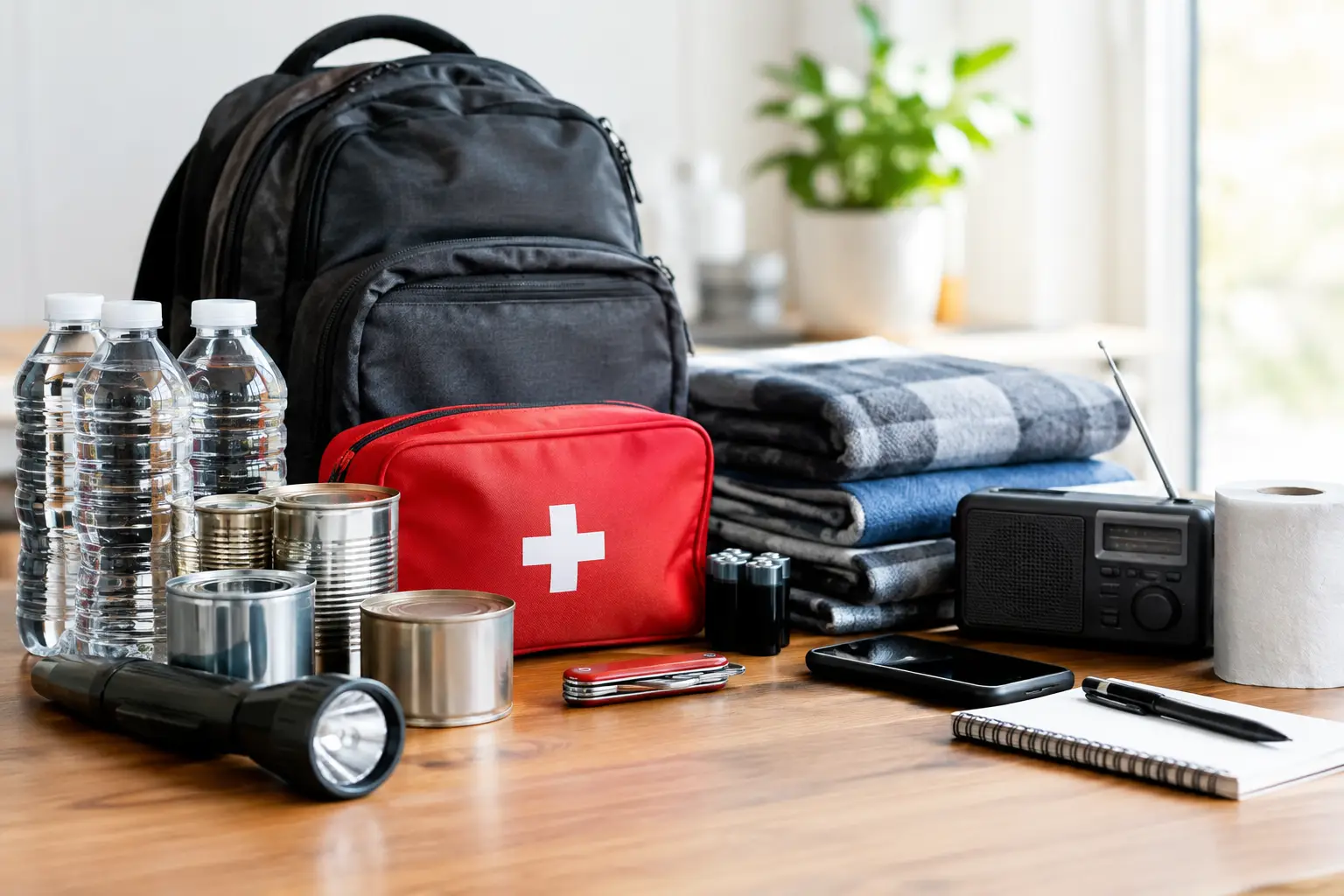
Supplies are not a substitute for a plan, but they give your plan operational strength. Start with three days of essentials for every person in the household, then expand toward a week as budget and storage allow. Rotate food, water, batteries, and medications so your supplies remain usable.
Your core kit should cover these needs:
- Water, nonperishable food, a manual can opener, and items that meet dietary or infant-care needs
- Prescription medications, basic first-aid supplies, copies of prescriptions, and critical medical devices or backup power plans
- Flashlights, spare batteries, a battery bank, a radio, chargers, and a whistle or other simple signaling tool
- Warm clothing, sturdy shoes, hygiene supplies, cash in small bills, and copies of essential documents
A first-aid kit deserves special attention. A minor injury can become more serious when travel is difficult or emergency services are stretched. Learn basic first aid and bleeding-control skills from qualified instructors. If you choose to keep advanced medical equipment, receive training and understand its limits. Equipment without judgment can create false confidence.
Store one smaller go-bag near the exit and keep practical supplies in your vehicle if you drive regularly. The trade-off is maintenance: every additional kit must be checked, replenished, and adapted to the season. A kit you can maintain is better than an ambitious one that expires untouched in a closet.
Protect Communications and Information
In a crisis, bad information moves faster than verified information. Rumors can trigger panic, congest roads, and pull people toward unsafe areas. Decide now which official sources you will rely on, including local emergency management, public safety agencies, schools, and utility providers.
Keep phones charged whenever severe weather or a regional threat is expected. Use battery-saving settings, limit unnecessary streaming, and send concise messages that state your location, condition, and next step. “We are safe at home. Phone at 40 percent. Next update at 8 p.m.” is more useful than a dozen uncertain messages.
Protect sensitive personal information as well. Emergencies create opportunities for scams, impersonation, and fake aid requests. Verify fundraising appeals, relief claims, and urgent messages before sending money or sharing documents. Compassion should move quickly, but it should not be manipulated.
Prepare for Trauma, Not Only Physical Danger
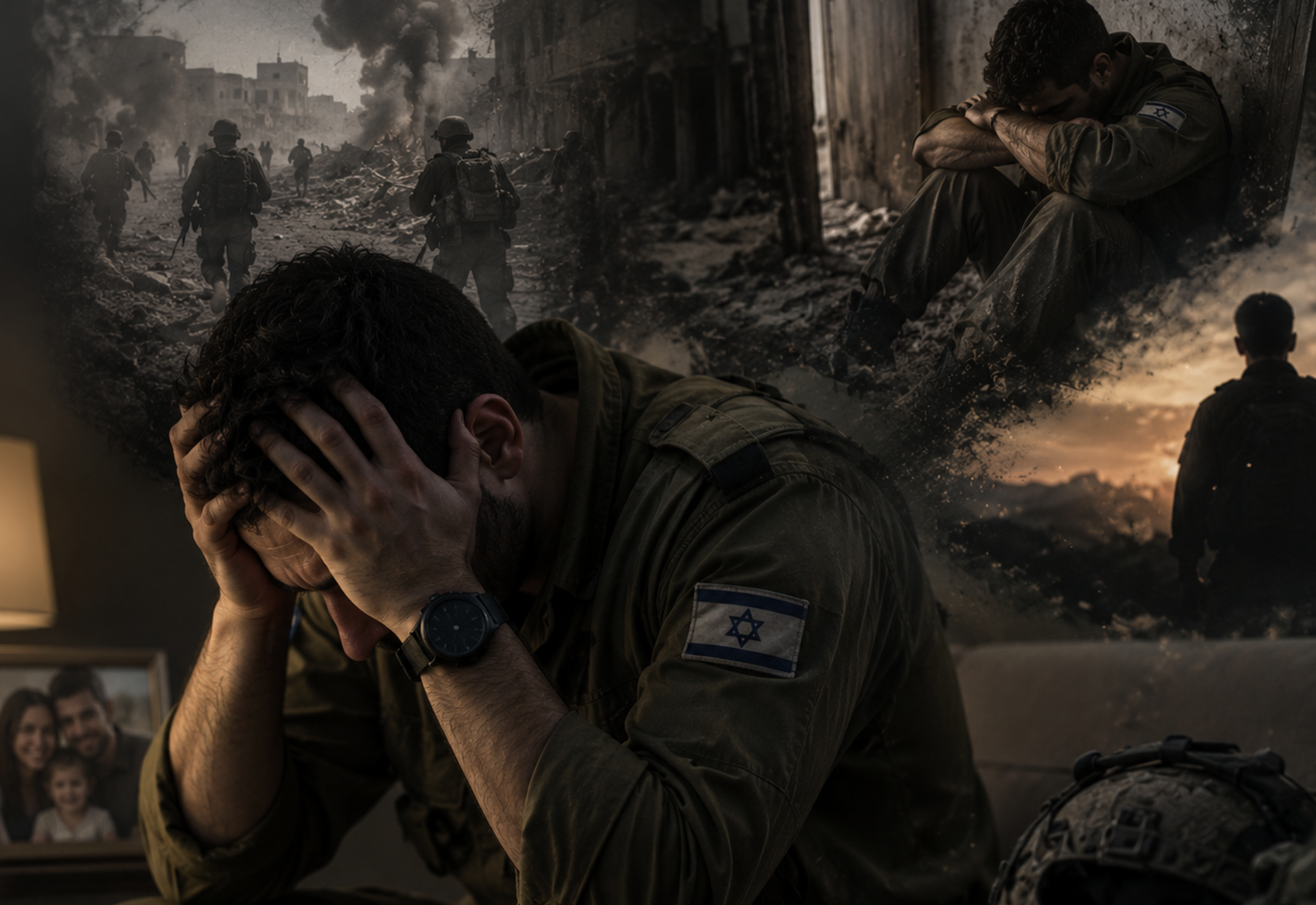
The immediate emergency may end before the stress does. Children may become clingy, adults may struggle to sleep, and people who have lived through prior trauma can be deeply affected by alarms, uncertainty, or graphic news coverage. A serious preparedness plan makes room for this reality.
Create a calm routine after an event: hydrate, eat, rest, check on relatives, and reduce repeated exposure to distressing images. Speak honestly with children in language they can understand, without making promises no one can keep. If fear, anger, numbness, nightmares, or hypervigilance continue, seek professional support promptly. Fast access to trauma-informed care is part of recovery, not an afterthought.
Communities also need to watch for people who may be isolated: older neighbors, new parents, people with disabilities, and anyone living alone. A five-minute check-in can identify an urgent need before it becomes a crisis.
Train, Practice, and Improve
Preparedness is not a shopping list. It is a habit of disciplined action. Practice your household plan twice a year. Run a short drill: turn off the lights, set a timer, and see whether everyone can reach the designated safe area, find the go-bag, and contact the out-of-area person.
Afterward, ask what failed. Was a flashlight missing? Did someone not know the meeting point? Was a medication overlooked? Fix the issue immediately. The purpose of a drill is not to prove that your family is ready. It is to expose gaps while the stakes are low.
The same principle applies at the community level. Schools, houses of worship, workplaces, and neighborhood groups should know who is responsible for communications, medical supplies, transportation assistance, and welfare checks. Clear roles reduce duplication and prevent the dangerous assumption that someone else is handling it.
Israel Friends has seen what happens when urgent needs meet decisive action: minutes matter, trusted equipment matters, and prepared people can protect others while professional responders move into place. Civilian readiness does not replace first responders or security professionals. It helps preserve capacity for those who need them most.
Preparedness is an act of care. Start with one conversation, one written plan, and one checked supply kit. Then make sure the people you love know where to find you, what to do, and that they are not facing the next hard moment alone.