A soldier without a properly stocked IFAK kit, a community without reliable surveillance, or a survivor waiting months for trauma treatment cannot afford a slow answer. Israel security donations matter most when they convert concern into equipment, care, and protection fast enough to meet the reality on the ground.
For supporters of Israel, giving should be more than a symbolic gesture. It should help close an urgent gap: a defender needs ballistic eyewear before the next mission, a civilian community needs thermal cameras before nightfall, or a family needs access to trauma care before a crisis deepens. The standard is clear. Define the need, source the right solution, and deliver it where it can save lives.
What Effective Israel Security Donations Fund
Security is not one item, one program, or one moment of emergency response. It is a connected system of preparedness, protection, and recovery. A donation can strengthen any of those areas, but the most effective support recognizes how they work together.
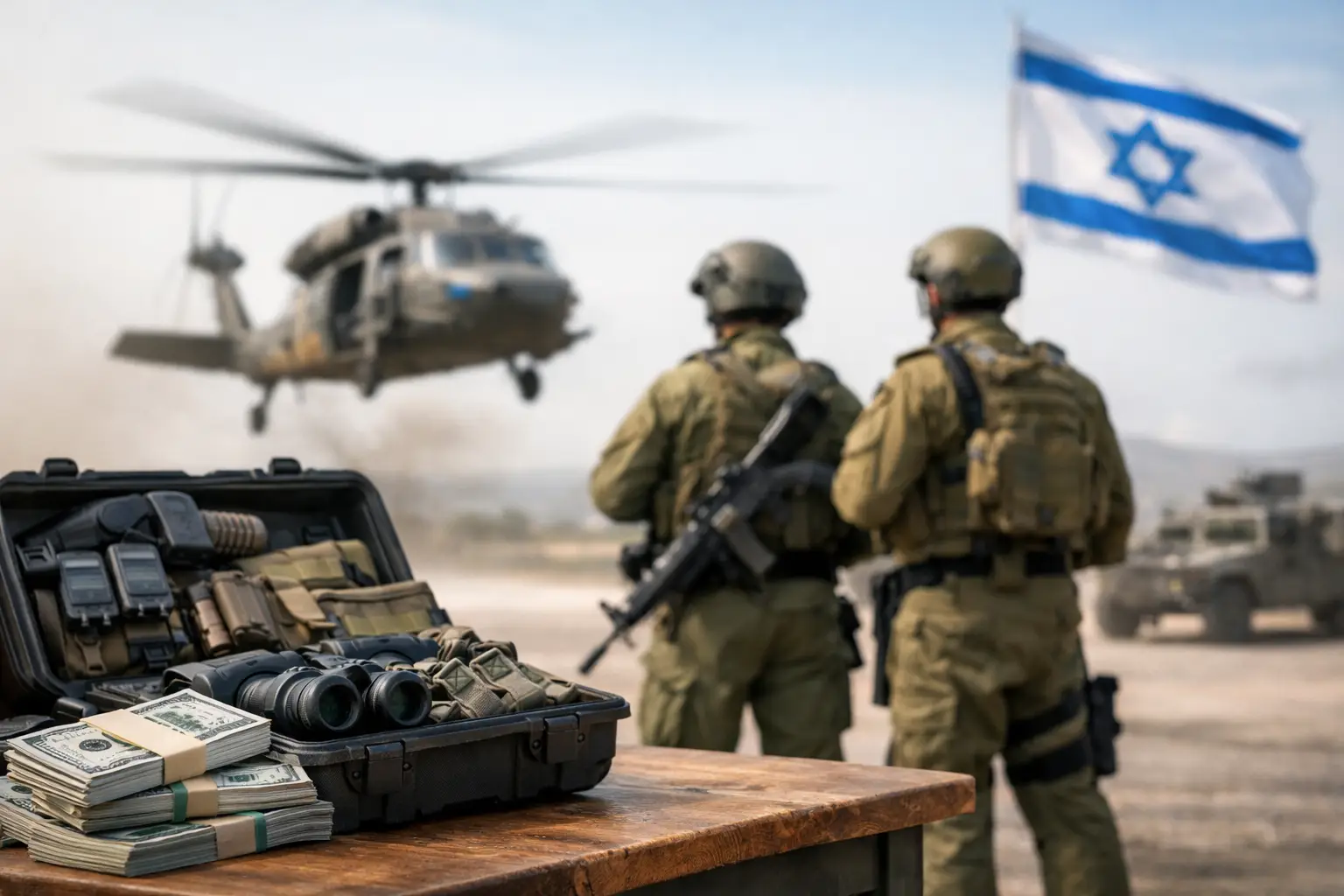
On the protective side, mission-critical equipment can include Individual First Aid Kits, ballistic eyewear, protective gear, drones, thermal cameras, and surveillance systems. These are not abstract line items. An IFAK can help control bleeding in the first critical minutes after an injury. Thermal and surveillance tools can help communities detect threats earlier. Drones can improve visibility and situational awareness where terrain, distance, or danger limit what people can see.
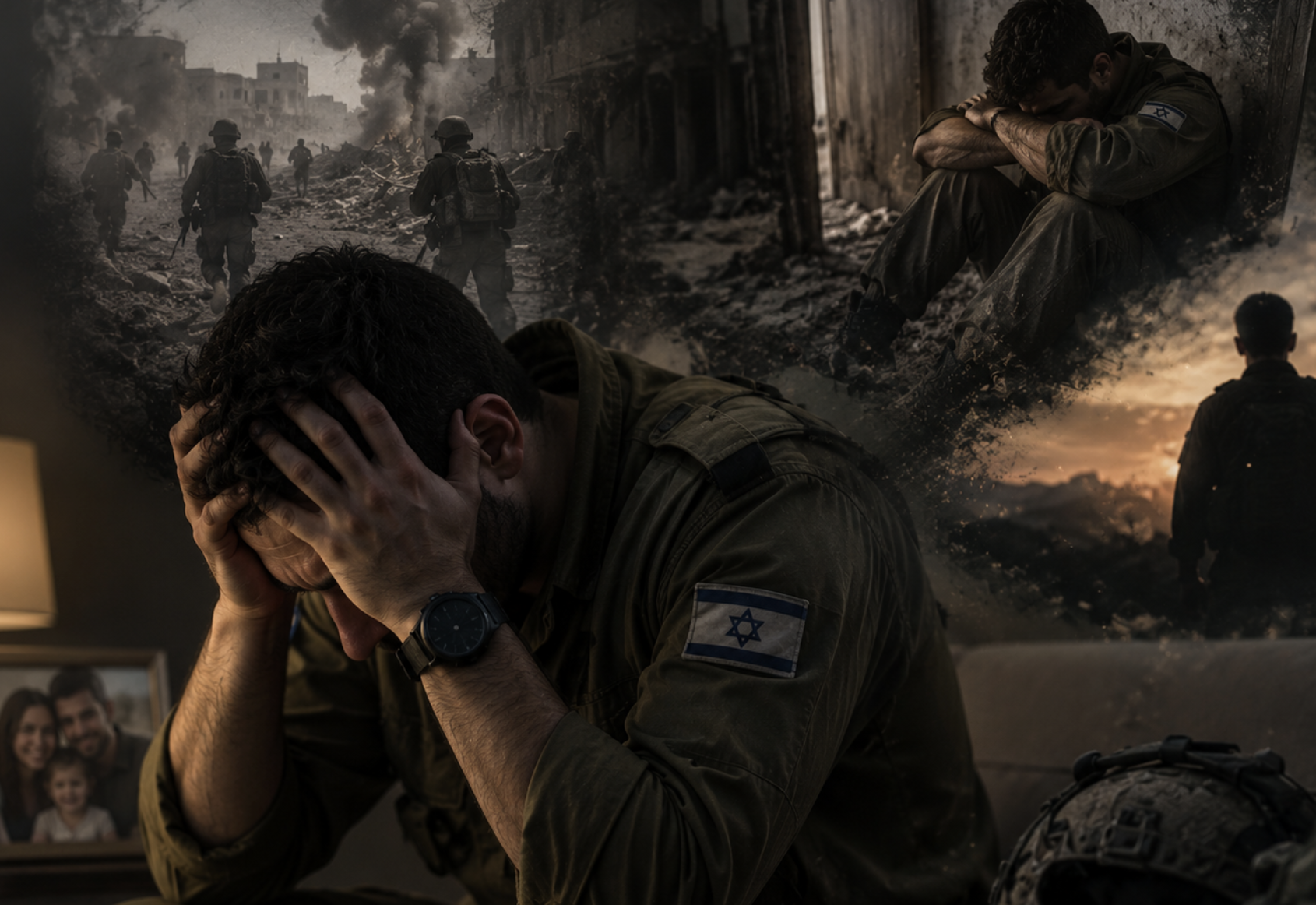
Then there is the human cost that does not end when an immediate threat passes. Defenders, first responders, displaced families, and survivors can carry trauma long after an attack. Fast-access PTSD support, telehealth psychiatric care, and resiliency programs give people a practical path back to stability. Security without recovery leaves communities exposed in a different way.
The strongest giving programs address both realities: the urgent need to protect life now and the sustained need to help people recover afterward.
Speed Is a Security Decision
Traditional charitable processes can be valuable, especially for long-term institution building. But emergencies create a different operating environment. Needs change by the hour. Procurement delays, layered approvals, and vague funding categories can leave frontline teams waiting for equipment that should already be in their hands.
That is why speed is not simply a logistical preference. It is part of the security outcome.
A rapid-response organization must be able to verify a need with trusted partners, identify a vetted vendor, secure the equipment, and move it to the people who need it. That requires discipline, not improvisation. Fast action without verification can waste resources. Verification without action can arrive too late. Effective operations hold both standards at once.
For donors, this is a useful lens. Ask whether an organization has direct visibility into evolving needs, established relationships with credible local partners, and the ability to source specialized tools without unnecessary delay. A campaign may use compelling language, but the real test is whether it can convert donated dollars into usable protection.
How to Evaluate a Security Giving Opportunity
Not every urgent appeal delivers the same level of impact. The right choice depends on the need, the organization’s access, and the clarity of its execution plan. A campaign focused on trauma care may be the right fit when local systems are overwhelmed. A targeted equipment drive may be more urgent when responders or communities lack a specific protective capability.
Look first for specificity. Donors should be able to understand what is being funded and why it matters. “Security” is broad. “Thermal cameras for vulnerable communities” or “trauma treatment access for survivors” describes an identifiable intervention with a clear purpose.
Next, look for operational credibility. Specialized equipment must be appropriate for the people using it and acquired through reliable channels. A well-intentioned donation is not enough if it funds the wrong product, duplicates a supply already in place, or cannot reach the intended recipient.
Finally, look for accountability that respects both transparency and security. In high-risk environments, not every operational detail should be public. Publishing locations, deployment patterns, or identifying information can create danger. Still, donors deserve evidence that a program has real deliverables, trusted partnerships, and a disciplined process for putting funds to work.
Why Flexible Funding Still Matters
Some donors prefer giving to a defined item because the impact feels immediate and visible. That instinct is understandable. Funding a medical kit, camera, or therapy session creates a tangible connection between the donor and the outcome.
But unrestricted or flexible support can be just as powerful during a fast-moving crisis. Conditions can shift after a campaign launches. A need for one type of equipment may be filled, while another gap becomes critical. Flexible funds allow experienced teams to redirect resources toward the most urgent verified requirement instead of waiting for a new campaign cycle.
There is a trade-off. Restricted gifts give donors precision. Flexible gifts give response teams agility. Many supporters choose a combination: contribute to a defined campaign while also providing support that can move where the next emergency demands it.
Protection Must Include the People Behind the Equipment
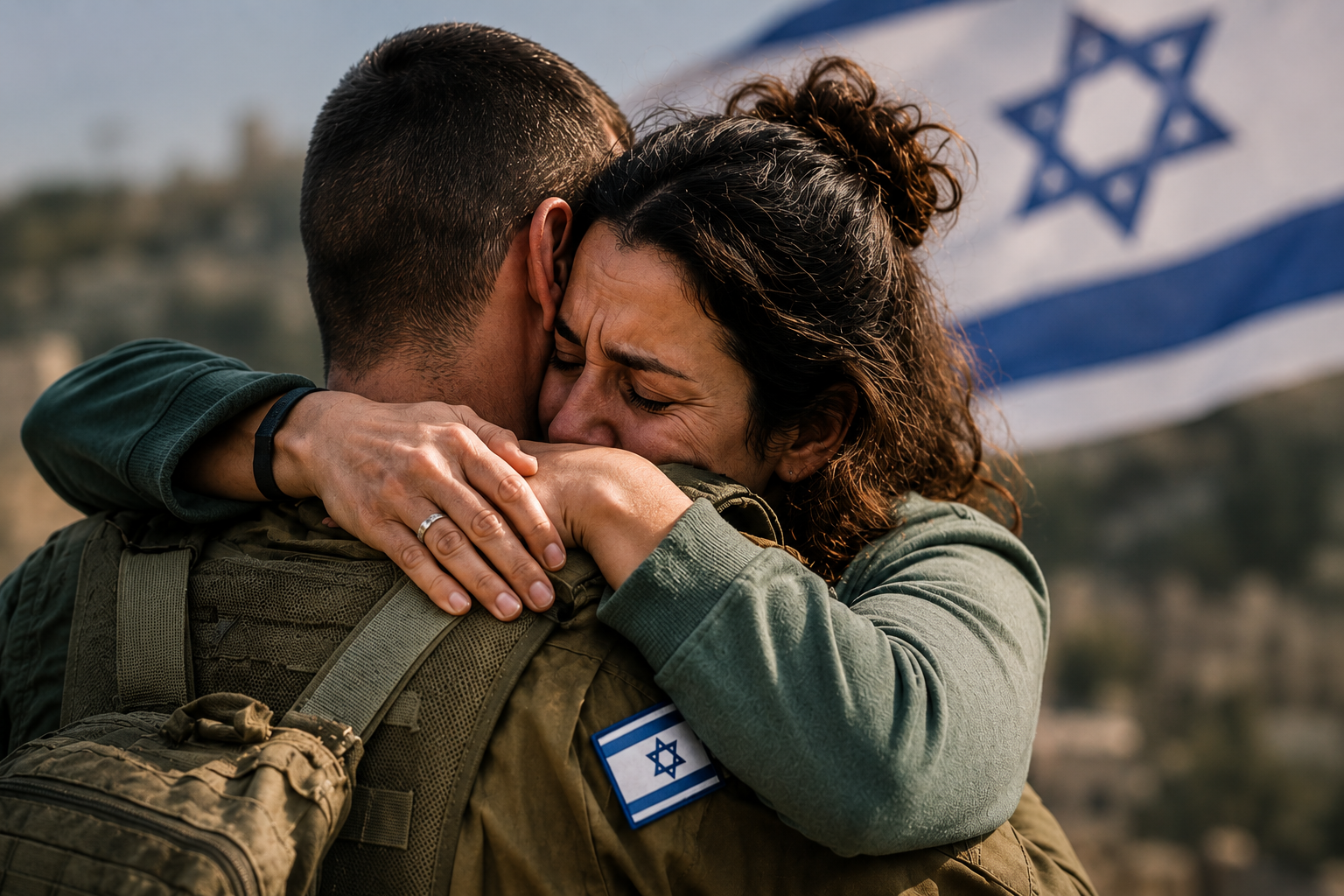
There is a temptation to measure security only by what can be delivered in a box. Equipment matters. It can be life-saving. Yet Israel’s long-term resilience also depends on the people carrying the equipment, operating the systems, treating the injured, and returning home after loss.
Trauma can affect sleep, work, family life, decision-making, and a person’s ability to feel safe. When care is delayed, the burden often spreads through households and communities. Rapid access to qualified mental health support is therefore not separate from security. It helps preserve the endurance of the people security depends on.
This is especially true when services can reach people quickly through telehealth and local resiliency partnerships. Someone living far from a major treatment center may still need immediate support. A parent managing fear after an attack may need a confidential appointment without navigating months of administrative barriers. Care that arrives early can prevent suffering from becoming more entrenched.
A Donor’s Role Is More Than Financial
A contribution is the operational fuel, but supporters can also help build the network that makes response faster. Share a focused campaign with people who care about Israel’s safety. Invite a family member, business colleague, synagogue group, or community organization to fund a specific need together. Volunteer time, host a fundraiser, or use a personal platform to explain why direct, accountable support matters.
The most useful advocacy is concrete. Rather than asking people to support a vague cause, show them what action can provide: first aid supplies for responders, protective technology for a community, or trauma care for people working through the aftermath of violence. Specific needs give people a reason to act and a way to see the purpose of their participation.
Israel Friends operates with that action-first standard: identify urgent needs, source vetted solutions, and deliver support directly to defenders and civilians without allowing bureaucracy to dictate the pace of response.
Give With Urgency and Discipline
Israel security donations should carry both moral clarity and operational expectations. The goal is not simply to give quickly. It is to give in a way that is verified, targeted, and capable of producing real protection for real people.
When a community is under pressure, every hour matters. Support the work that can place lifesaving tools in the field, strengthen early-warning capabilities, and help survivors access care before trauma hardens into isolation. The most meaningful gift is the one that reaches the point of need in time to change what happens next.