A medical emergency at a shelter, a fire near a community road, a missing person after dark, or a fast-moving security threat all create the same problem: seconds matter, information is incomplete, and ordinary systems may fail. The best emergency preparedness technologies do not simply add more equipment. They help trained people identify danger, communicate clearly, treat injuries, and make decisions before a crisis becomes a catastrophe.
For communities, families, first responders, and frontline teams, preparedness should be measured by usable capability. The right technology must work under stress, withstand harsh conditions, and reach the people who need it without bureaucratic delay. A device that looks impressive but cannot be charged, operated, or maintained is not preparedness. It is clutter.
1. Individual First Aid Kits Built for Trauma
An Individual First Aid Kit, commonly called an IFAK, is among the highest-impact tools a person can carry. A properly configured kit supports immediate treatment for severe bleeding, chest injuries, burns, and other trauma while professional medical help is still on the way.
The key is not owning a generic pouch. It is having mission-appropriate supplies, such as a tourniquet, pressure bandage, hemostatic gauze, chest seals, trauma shears, gloves, and a thermal blanket, packed in a layout that can be used under pressure. The kit should be paired with training. Even the best tourniquet cannot save a life if no one knows when and how to apply it.
For a home, vehicle, school, workplace, or volunteer team, trauma kits should be visible, accessible, and inspected regularly. Supplies expire, packaging can be damaged, and a kit used once must be replenished immediately.
2. Secure, Redundant Communications
During a crisis, cell service can become congested, power can fail, and rumors can spread faster than verified information. That makes redundant communication one of the most practical emergency investments a community can make.
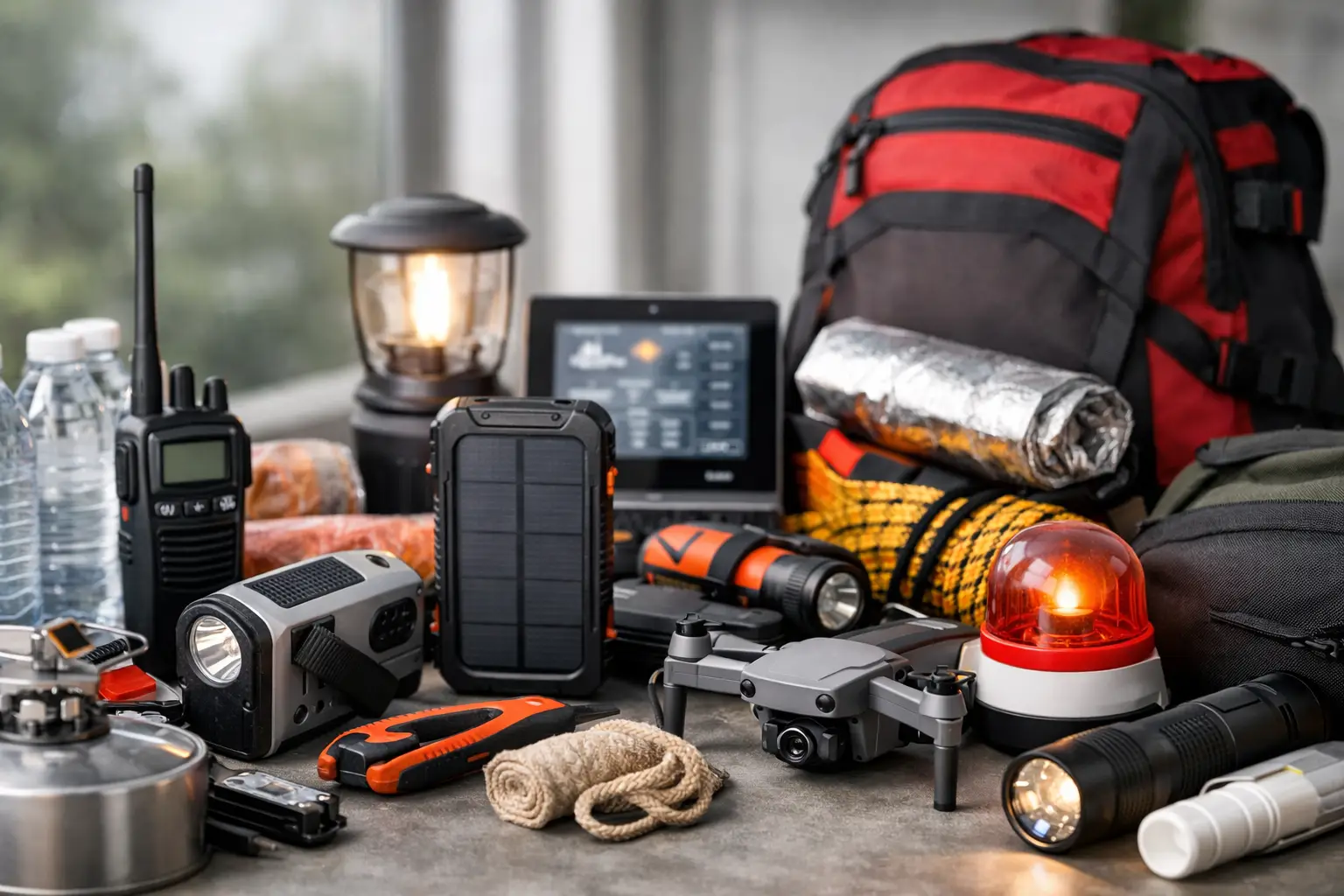
Two-way radios provide direct, local communication when mobile networks are unreliable. Satellite communicators can provide location sharing and messaging beyond normal cellular coverage. Mass notification platforms allow leaders to send verified instructions to large groups quickly, reducing confusion and preventing dangerous misinformation.
There is no one-size-fits-all solution. A family may need battery-powered radios and an agreed contact plan. A neighborhood security team may need encrypted radios, designated channels, spare batteries, and a communications lead. The technology matters, but so does protocol: who speaks, what information is confirmed, and when an issue is escalated.
3. Backup Power That Keeps Critical Systems Alive
A blackout is rarely just a blackout. It can disable lighting, refrigeration for medicine, communications, surveillance, medical devices, and water pumps. Backup power turns an outage from an immediate operational failure into a manageable challenge.
Portable power stations, solar charging systems, battery banks, and properly installed generators each serve different roles. Battery systems are quiet and useful indoors for communications, lighting, and small medical devices. Generators can support greater loads but require fuel management, ventilation, noise planning, and strict carbon monoxide safety measures.
The right question is not, “How large is the battery?” It is, “What must remain operational for the first 24 to 72 hours?” Start with a short list: radios, phones, lights, medical equipment, internet hardware, and refrigeration if required. Then test the system under realistic conditions. A backup power plan that has never been tested is only an assumption.
4. Thermal Cameras for Low-Light Awareness
Darkness gives threats, hazards, and missing persons an advantage. Thermal cameras help close that gap by detecting heat signatures rather than relying only on visible light. They can be used to scan perimeters, locate people in low visibility, support search-and-rescue work, and identify unusual activity near vulnerable locations.
Thermal imaging is particularly valuable when paired with trained observation. A camera may detect heat, but it cannot always explain what it sees. Weather, distance, terrain, and the operator’s experience affect accuracy. It should inform decisions, not replace judgment.
For communities protecting large areas, fixed thermal systems can provide persistent monitoring. Portable thermal monoculars are more flexible for responders and security personnel. The best choice depends on coverage needs, staffing, and whether the team can respond rapidly to an alert.
5. Drones for Rapid Assessment
A drone can provide a view that ground teams may not be able to obtain safely or quickly. After a fire, storm, security incident, or infrastructure failure, aerial imagery can help leaders assess routes, identify damaged areas, locate people, and direct resources where they are needed most.
The value is speed. Instead of sending people into an unknown environment, trained operators can gather visual intelligence from a safer position. Drones equipped with thermal capability can also support nighttime searches and identify heat sources or human presence in difficult terrain.
This technology comes with real responsibilities. Drone operations must follow applicable laws, airspace restrictions, privacy standards, and safety procedures. They also require trained pilots, clear mission objectives, spare batteries, and a process for sharing footage with the right decision-makers. A drone without an operating plan is a camera in the sky, not an emergency asset.
6. Smart Surveillance and Alert Systems
Modern surveillance systems can do more than record an event after it happens. Properly designed systems can provide live views, motion alerts, access-control records, perimeter awareness, and a coordinated picture of activity across a facility or community.
For high-risk locations, the strongest setup often combines visible cameras, monitored entry points, lighting, alarms, and trained human oversight. Automated alerts can help teams react faster, but they may also produce false alarms. That is why verification procedures are essential. Technology should accelerate a response, not send people rushing toward incomplete or inaccurate information.
Privacy and trust also matter. Community leaders should be clear about why a system exists, who can access it, how long information is retained, and what safeguards are in place. Security that erodes the trust of the people it is meant to protect is not sustainable security.
7. Emergency Medical Telehealth and Trauma Support
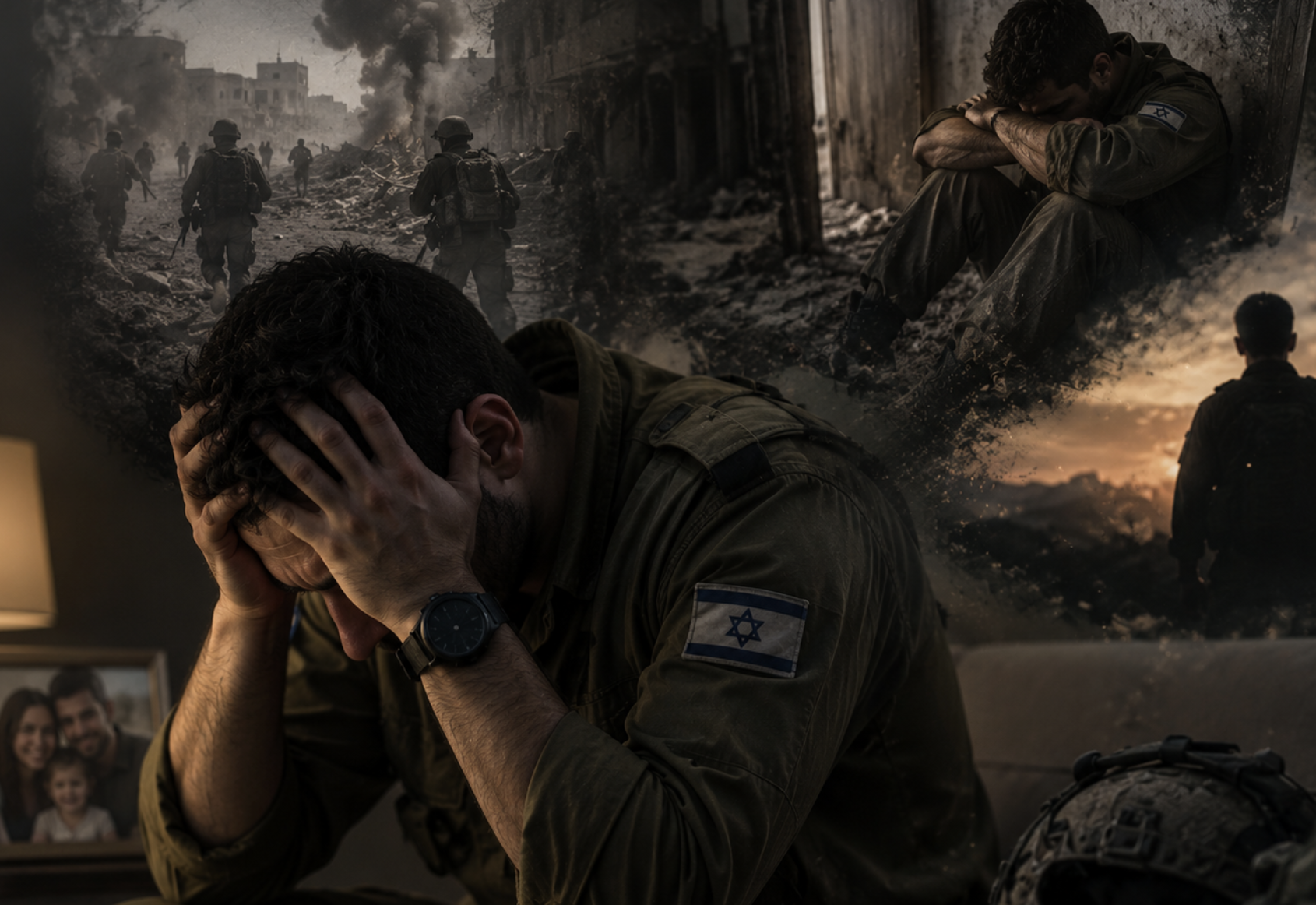
Preparedness does not end when immediate physical danger passes. Survivors, families, medics, and defenders can carry the psychological weight of an emergency long after the scene is cleared. Fast-access telehealth and trauma-care platforms can connect people with qualified mental health professionals when in-person care is unavailable, delayed, or difficult to reach.
These systems are especially useful for follow-up care, medication management, trauma counseling, and continuity of support for people in remote areas. They can reduce barriers, but they are not a substitute for emergency intervention when someone is at immediate risk of harming themselves or others. Every organization should establish clear escalation procedures alongside telehealth access.
Israel Friends recognizes that protection includes both immediate lifesaving equipment and access to trauma care. The goal is not simply to help people survive an event. It is to help them recover with dignity and support.
8. Water Purification and Environmental Monitoring
Clean water becomes a critical concern during infrastructure damage, displacement, or prolonged outages. Portable water filters, purification tablets, gravity-fed systems, and water-quality testing tools can protect people from preventable illness when normal supplies are disrupted.
Environmental monitors add another layer of awareness. Carbon monoxide detectors, smoke alarms, air-quality sensors, gas detectors, and flood sensors can warn people before an invisible hazard becomes fatal. These devices are not glamorous, yet they are often among the most cost-effective tools in an emergency plan.
Placement and maintenance determine whether they work. Detectors need fresh batteries or reliable power, clear alarm audibility, and routine testing. Water systems need clean storage containers and an understanding of what each treatment method can and cannot remove.
9. Digital Incident Management Platforms
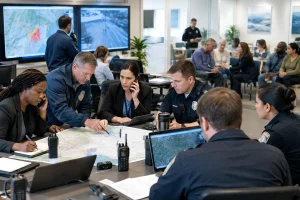
In a major emergency, scattered messages and handwritten notes can create delays that cost lives. Digital incident management platforms help teams track requests, assign tasks, log supplies, share verified updates, and maintain a common operating picture.
For a volunteer network or community response team, this can mean knowing which families need welfare checks, where medical equipment has been deployed, which roads are blocked, and who is responsible for the next action. It creates accountability at the moment it matters most.
The trade-off is that digital platforms depend on connectivity, user discipline, and data security. Keep offline alternatives in place. Printed contact lists, paper maps, radio procedures, and simple check-in forms remain essential backups when networks are down.
Choose Capability, Not Gadgets
The best emergency preparedness technologies are the ones your people can use immediately. Begin with the threats most likely to affect your home, organization, or community. Define the need, source vetted equipment, train the people responsible, and test the plan before the emergency arrives.
Preparedness is not fear-driven stockpiling. It is disciplined care for human life. Put reliable tools in capable hands, build redundancy before systems fail, and make sure that when help is needed, your response can move at the speed of the emergency.