When a rocket alert sounds, a medic reaches an injured civilian, or a family faces trauma after violence, good intentions are not enough. Community protection examples matter because they show what readiness looks like in real terms: equipment in the right hands, trained people nearby, and care available before a crisis becomes a lasting wound.
Protection is not one program or one piece of gear. It is a chain of decisions that begins with a defined need and ends with a person who is safer, better prepared, or able to recover. The strongest communities do not wait for a perfect plan. They identify the gap, source a vetted solution, and deliver it where it can save lives.
What Community Protection Actually Means
Community protection is the organized work of reducing harm to civilians and defenders before, during, and after an emergency. In Israel, that can mean strengthening frontline medical response, improving visibility for security teams, supporting vulnerable families, or making trauma treatment available without a long wait.
The difference between charity and protection is operational clarity. A broad donation may support a worthy cause, but a protection-focused response asks sharper questions: What is needed? Who needs it? How quickly can it reach them? How will we know it worked?
That approach does not reduce compassion. It gives compassion a mission plan.
9 Community Protection Examples With Real Impact
1. Individual first-aid kits for immediate trauma care
An Individual First Aid Kit, often called an IFAK, puts critical trauma supplies within reach when professional medical care is minutes away. In a severe injury, those minutes are decisive. Tourniquets, pressure dressings, chest seals, and other essential supplies can help trained responders control bleeding and stabilize a patient until evacuation or advanced treatment is available.
The value is not in handing out kits indiscriminately. It is in matching the right equipment to trained personnel and high-risk environments. A kit stored in a warehouse cannot help anyone. A kit carried by a prepared defender, medic, or emergency volunteer can.
2. Ballistic eyewear that protects vision and readiness
Vision is mission-critical. Ballistic eyewear can protect against debris, shrapnel, dust, and other hazards that threaten responders operating in dangerous conditions. It may seem like a smaller need beside vehicles or medical equipment, but preventing an eye injury can keep a trained person active and reduce a lifetime of medical consequences.
This is one of the clearest examples of a high-impact, practical intervention. Protective gear is often less visible than a major campaign, yet it directly supports the people standing between danger and their community.
3. Thermal cameras for stronger nighttime awareness
Communities facing security threats cannot rely only on what can be seen in daylight. Thermal cameras can help trained security personnel detect movement and assess conditions in darkness, smoke, or low-visibility terrain. Better awareness gives teams more time to make sound decisions and can reduce the risk of being caught unprepared.
Technology is not a replacement for trained human judgment. It is a force multiplier. The trade-off is that equipment requires responsible deployment, maintenance, and operators who understand how to interpret what they see. When those pieces are in place, thermal capability can strengthen a community’s protective posture significantly.
4. Drones that help responders see the larger picture
During an emergency, ground-level information is often incomplete. Drones can help authorized teams assess damaged areas, identify blocked routes, inspect remote locations, and gain situational awareness without putting additional people in harm’s way.
The benefit is speed. Aerial visibility can help responders prioritize where to go first and where resources are most urgently needed. As with any advanced tool, the purpose matters. The goal is not technology for its own sake. The goal is clearer information that supports faster, safer decisions.
5. Surveillance systems that extend local security capacity
A well-planned surveillance system can help a community monitor key access points, document suspicious activity, and alert trained security teams to developing concerns. For towns, neighborhoods, and vulnerable civilian areas, that added layer of awareness can make a meaningful difference.
The strongest systems are not simply installed and forgotten. They are designed around local needs, supported by dependable power and communications, and integrated with clear response procedures. Privacy, legal requirements, and local leadership must also be considered. Protection works best when it strengthens public trust rather than treating residents as an afterthought.
6. Fast-access PTSD and psychiatric care
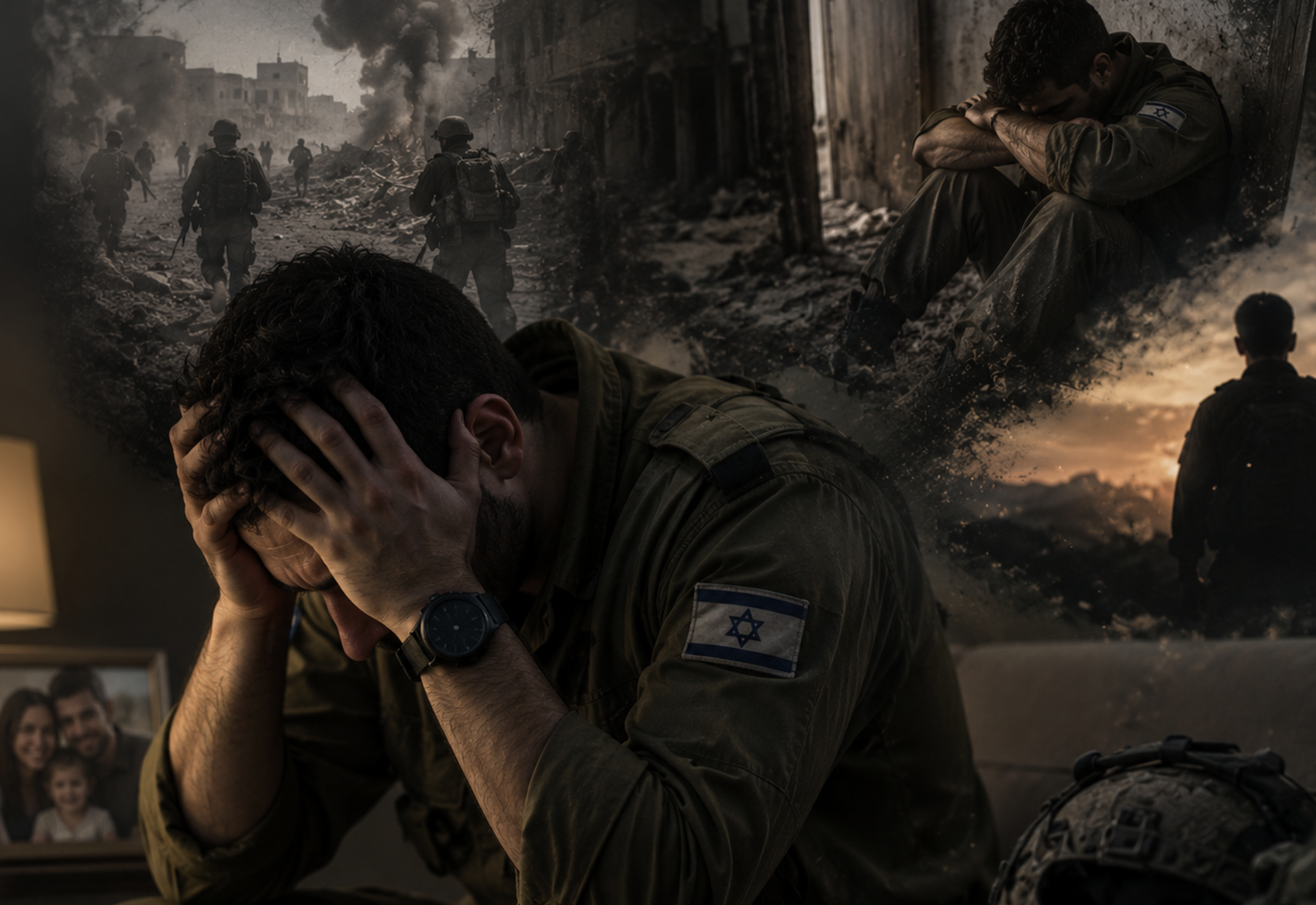
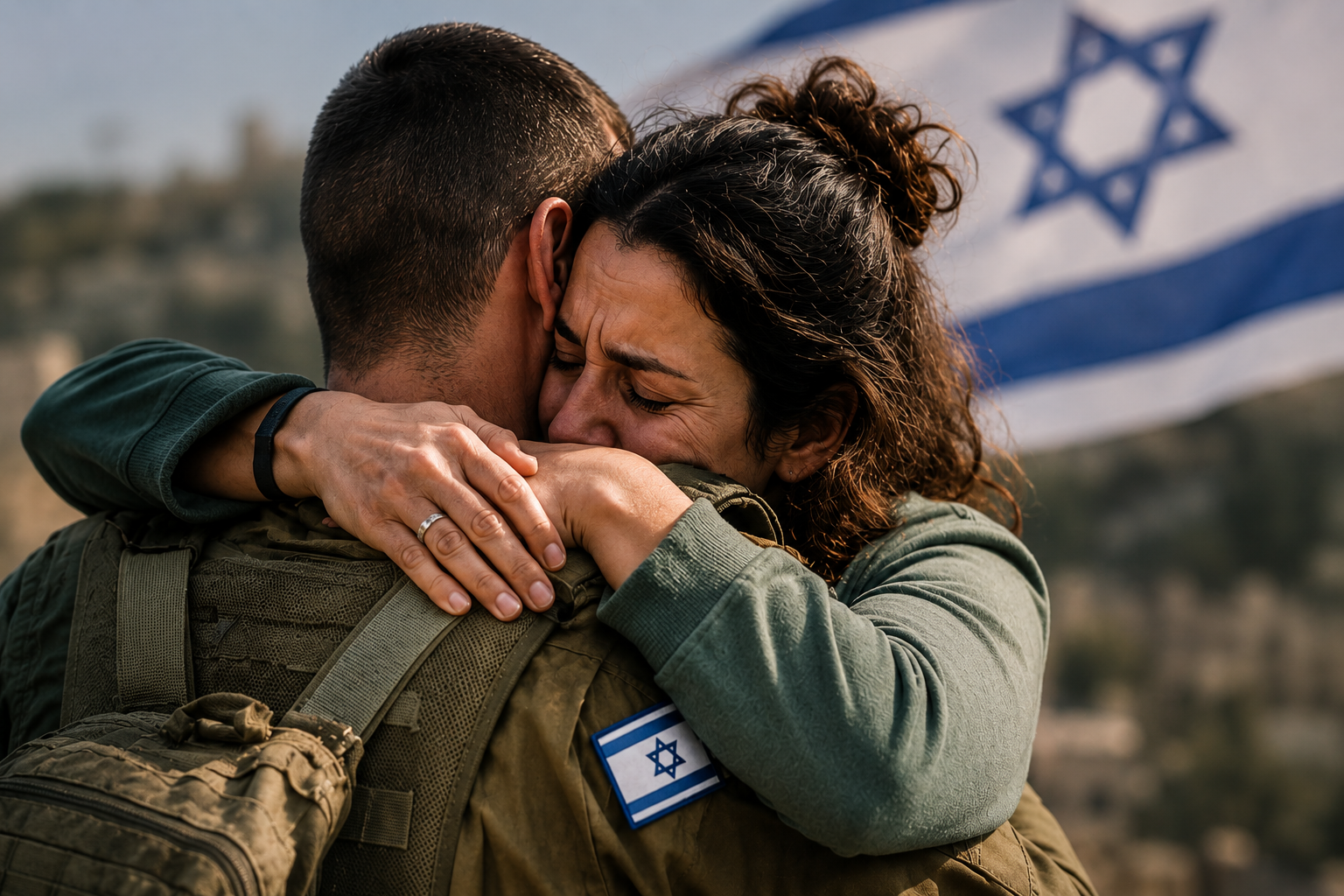
Not every injury is visible. Survivors, families, first responders, and defenders can carry the effects of terror, loss, and repeated alarms long after the immediate threat has passed. Delayed treatment can deepen suffering, strain families, and make it harder for people to return to work, school, service, and daily life.
Fast-access PTSD support and telehealth psychiatric care are community protection because recovery is part of readiness. A person should not have to navigate months of bureaucracy while dealing with panic, sleep disruption, grief, or trauma symptoms. Timely clinical support gives people a real path forward when they need it most.
7. Resiliency centers that keep care close to home
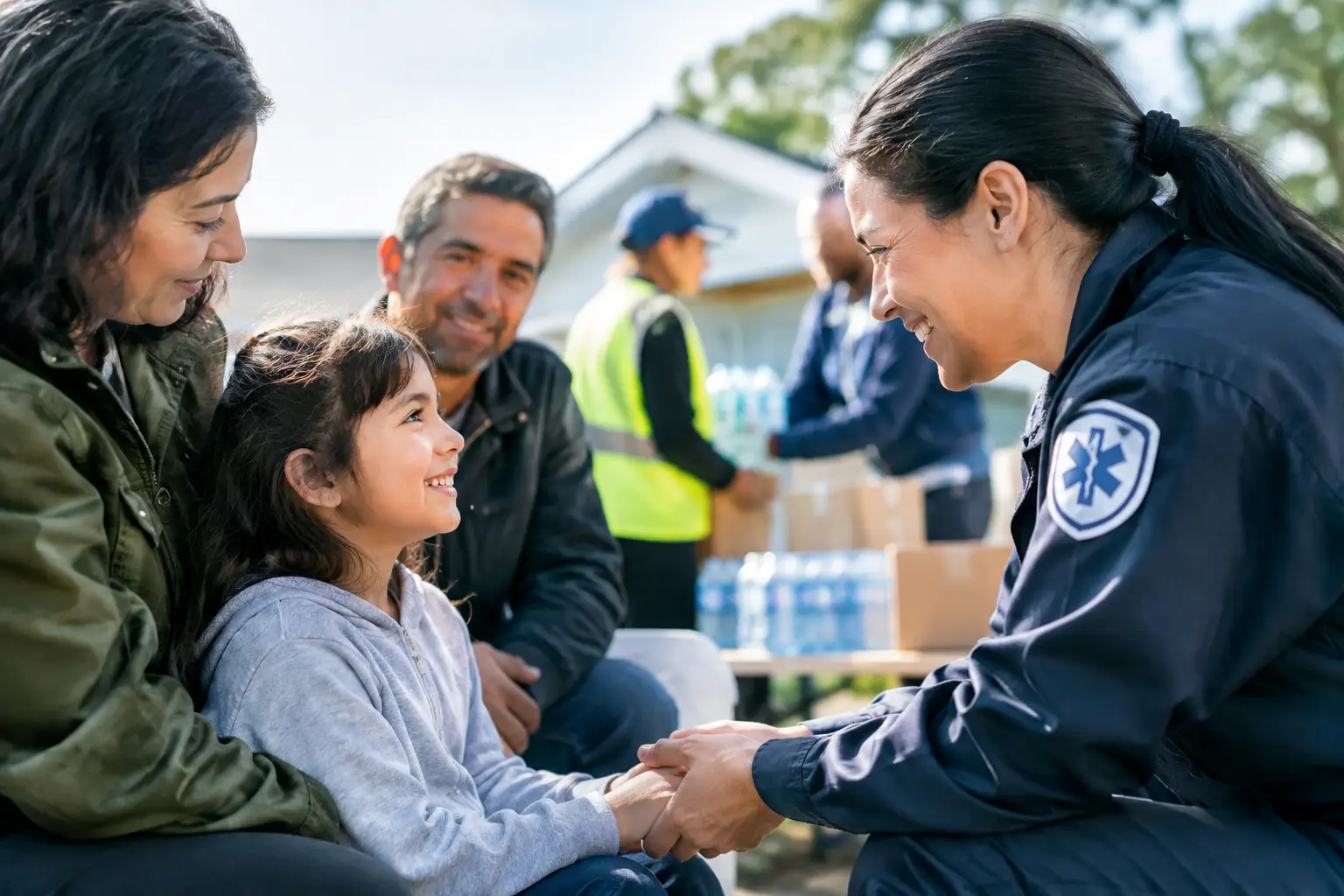
A resiliency center brings trauma-informed support into the communities living closest to recurring danger. These centers can provide counseling, group support, referrals, and practical recovery services for children, parents, survivors, and frontline personnel.
Local access matters. People are more likely to seek care when it is available through a trusted, familiar setting rather than a distant institution. The need may be acute after an attack, but recovery often takes time. Community-based care creates continuity when headlines have moved on and families are still rebuilding their sense of safety.
8. Emergency communications and coordinated response
Protection fails when information is delayed, fragmented, or unclear. Reliable emergency communications help local teams share alerts, direct resources, and coordinate action across medical, security, and civilian organizations. In a crisis, confusion costs time. Clear communication preserves it.
This work is less visible than delivering gear, but it is often what makes the gear effective. A medical kit, camera, or evacuation resource has greater value when the people responsible for using it know where to go, what is happening, and who is already responding.
9. Direct delivery of vetted protective equipment
The final example is not a single product. It is an execution model. Communities need partners that can define an urgent gap, source vetted equipment, and deliver it directly without letting administrative delays overtake the emergency.
Israel Friends operates with that urgency, supporting defenders and civilians through rapid-response aid, advanced protective technology, and trauma-care partnerships. The standard should always be measurable impact: supplies delivered, capabilities strengthened, and people reached with care when delay is not an option.
Why These Community Protection Examples Work
These interventions work because they address different points in the same protection system. Medical kits respond to injury. Protective gear reduces risk. Cameras and drones improve awareness. Communications support coordination. Trauma care helps people recover after the immediate danger has passed.
No single intervention can carry the full burden. A community with excellent equipment but no trained responders has a gap. A community with responders but no trauma support leaves another gap. A community with generous donors but no direct path from funding to delivery may lose the one resource it cannot replace: time.
That is why donors should look beyond broad promises. Ask whether a campaign identifies a specific need, works with trusted local partners, prioritizes speed, and can point to concrete deliverables. Accountability is not paperwork for its own sake. It is proof that support reached the people it was meant to protect.
Protection Is a Shared Responsibility
Not everyone will carry medical equipment, operate a thermal camera, or provide clinical care. But every person who gives, volunteers, organizes a campaign, or speaks clearly about urgent needs can strengthen the protective chain.
The most meaningful support is often the support that moves with purpose. Choose action that is specific enough to measure, urgent enough to matter, and compassionate enough to remain after the immediate crisis has passed. Lives are protected when a community decides that waiting is not an option.