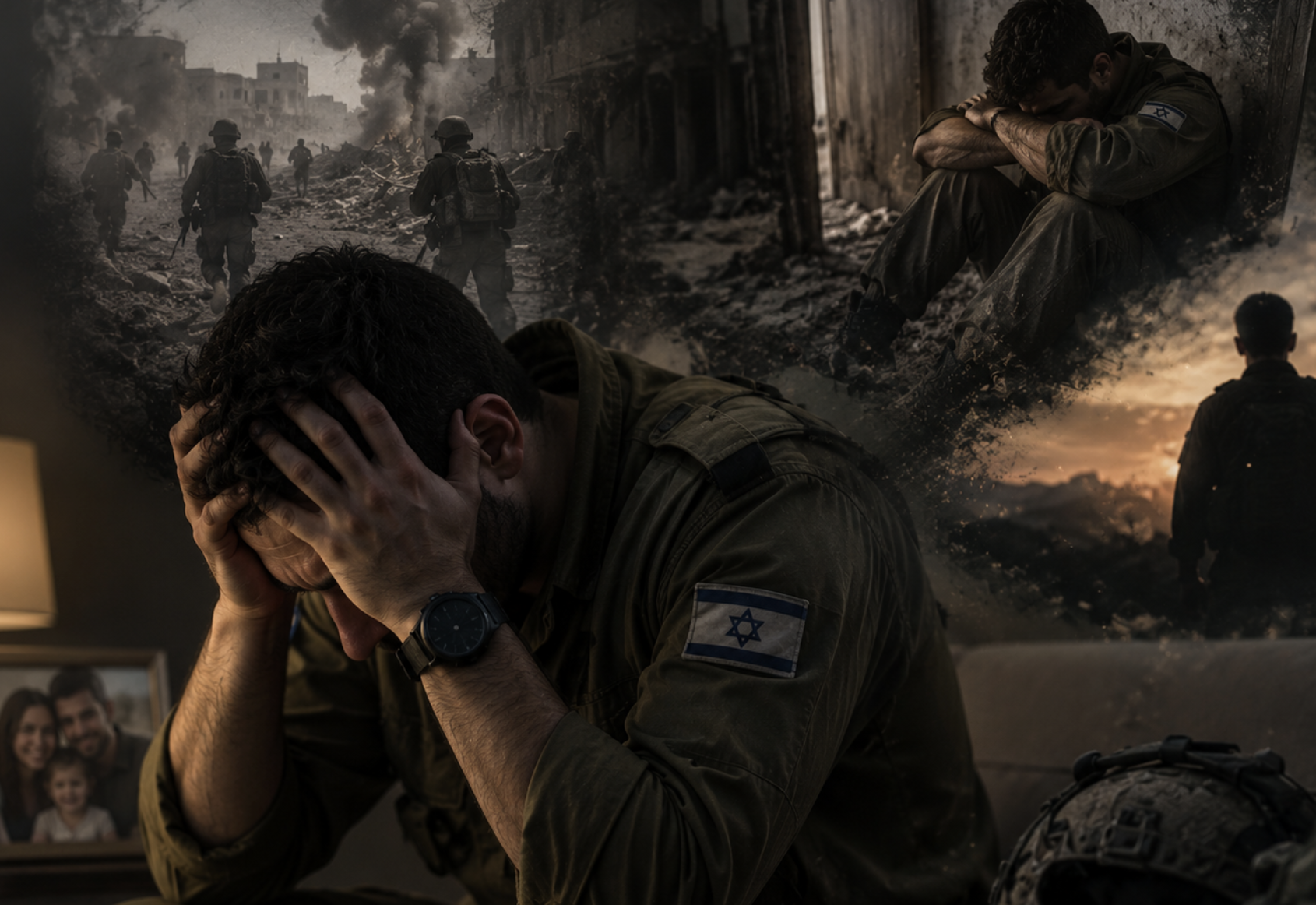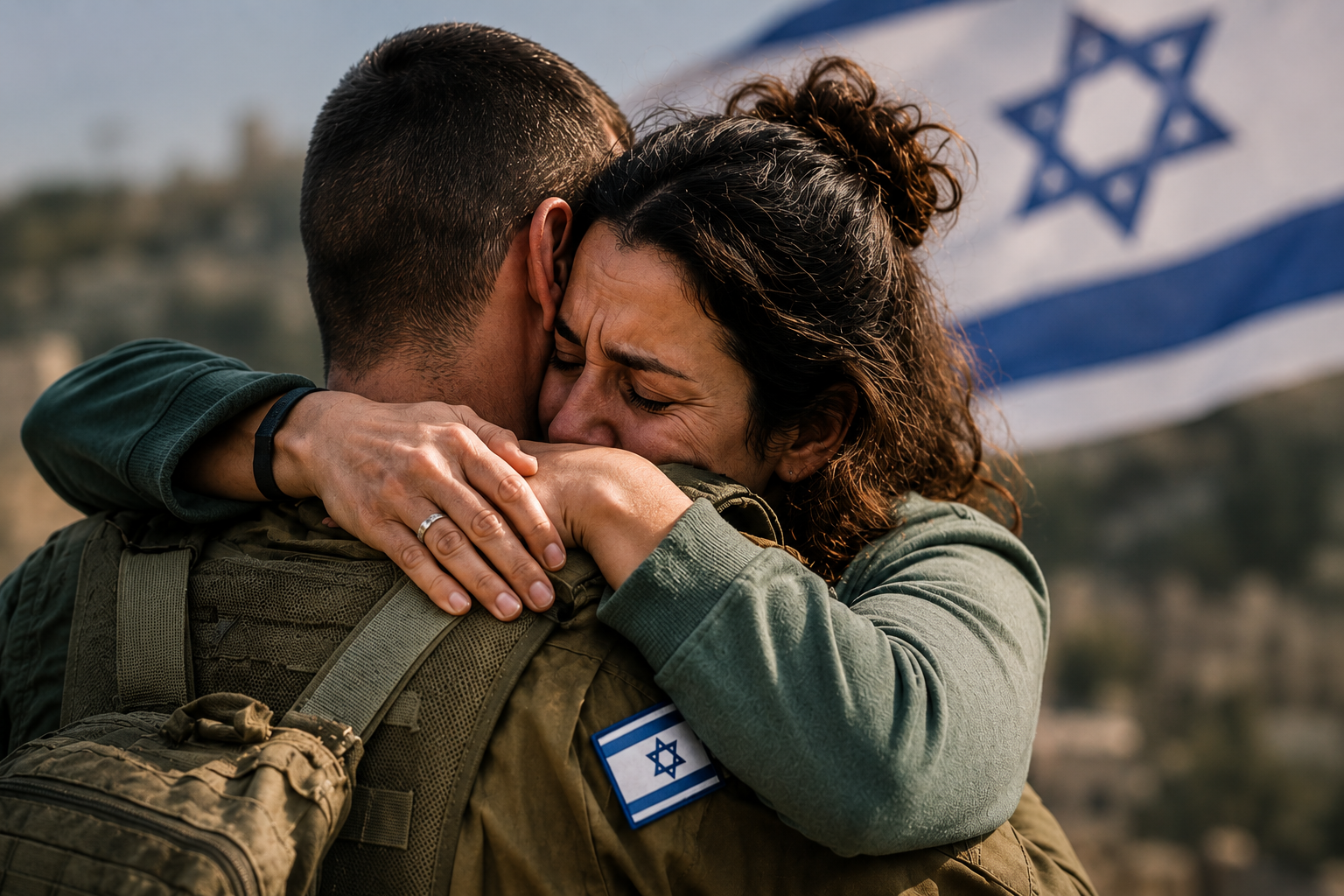
A siren may last seconds. The nervous system can carry its impact for months or years. For an Israeli child who has run to shelter, a parent displaced from home, or a defender returning from combat, the emergency does not always end when the immediate threat passes. This is how trauma recovery funds help: they turn donor support into fast, professional care when waiting can deepen the wound.
Trauma recovery is not a luxury item added after security needs are met. It is part of protecting life, restoring families, and helping communities remain strong under pressure. When support reaches the right person quickly, it can help interrupt the isolation, fear, sleep disruption, panic, and exhaustion that often follow terror, war, and displacement.
How Trauma Recovery Funds Help After Crisis
The first value of a dedicated recovery fund is speed. People experiencing acute stress often need a clear path to care before they have the capacity to navigate paperwork, provider shortages, transportation, or cost. Funds can remove those barriers by covering rapid intake, short-term counseling, psychiatric evaluation, telehealth appointments, and referrals to specialized treatment.
That speed matters because trauma does not affect everyone on the same timeline. One person may feel functional for weeks before nightmares, anger, or hypervigilance surface. Another may struggle immediately to sleep, work, parent, or leave the house. A flexible fund allows providers to respond to the person in front of them, rather than force every survivor into the same timetable or treatment model.
For civilians, early support can mean a clinician helping a parent regain enough stability to care for children, or a child receiving age-appropriate therapy before fear becomes their daily baseline. For defenders, it can mean confidential access to a trauma-informed professional who understands the realities of service, loss, moral injury, and the difficulty of returning to ordinary routines.
Funds Pay for Access, Not Just Appointments
A therapy session is essential, but it is not the only cost standing between a survivor and recovery. Effective trauma funds support the full path into care. That may include clinical assessments, psychiatric consultations, medication management, group support, family sessions, telehealth infrastructure, crisis hotlines, and transportation for people who cannot easily reach a treatment center.
They can also help resiliency centers expand capacity during periods of mass need. After a large-scale attack or sustained conflict, local professionals can face an immediate wave of patients. Funding may help add hours, bring in qualified clinicians, equip secure telehealth rooms, or build referral systems that prevent people from falling through the cracks.
This is where accountable execution matters. A broad promise to support mental health is not enough. Donors should look for a model that identifies an urgent gap, works with vetted providers, and directs resources toward defined services. The goal is not to create more process. It is to help a person get appropriate care with fewer delays.
Recovery Looks Different for Every Survivor
PTSD is not the only outcome of trauma, and not every survivor develops PTSD. Some people experience acute stress reactions that ease with time and support. Others develop depression, anxiety, grief complications, substance misuse, or physical symptoms tied to prolonged stress. Children may show distress through nightmares, withdrawal, behavioral changes, separation anxiety, or difficulty concentrating at school.
That is why one-size-fits-all funding can miss the mark. Some survivors need a few focused sessions and practical coping tools. Others need longer-term trauma therapy, psychiatric treatment, family support, or a higher level of care. Recovery funds give clinical partners room to match care to need while keeping financial access from becoming the deciding factor.
There are trade-offs. Fast-response programs must move urgently without sacrificing clinical quality, privacy, or proper follow-up. Telehealth can reach people in remote areas and reduce the burden of travel, but it may not be right for every patient or every stage of treatment. Group care can reduce isolation and expand reach, while individual therapy may be necessary for people carrying deeply personal experiences. Strong programs do not pretend there is one answer. They build options and deploy them responsibly.
They Strengthen Families and Communities
Trauma can spread through a household even when only one person was directly exposed to violence. A parent who cannot sleep may struggle to create calm for a child. A spouse may become the sole emotional and practical support for a returning defender. A community leader may continue serving others while quietly carrying grief and burnout.
Recovery funding supports the people around the survivor as well as the survivor. Family counseling can help loved ones understand trauma responses without mistaking them for indifference or failure. Parent guidance can give adults practical ways to respond when children are afraid. Community-based programming can reconnect people who have withdrawn and create a trusted place to ask for help.
This is not about asking communities to be endlessly resilient. It is about giving them the tools, time, and professional support to recover without abandoning the responsibilities they still carry. When families stabilize, children have a better chance to stabilize. When local care networks hold, communities are less likely to face the aftermath alone.
Donor Support Creates Measurable Readiness
The impact of trauma care is deeply human, but it should not be vague. Responsible recovery funds can track meaningful operational outcomes: how quickly people receive an initial appointment, how many therapy or psychiatric sessions are funded, whether telehealth reaches underserved areas, and whether clinical partners have capacity during surges in demand.
Numbers do not capture every part of healing. They cannot measure the full relief of a child sleeping through the night again or a family eating dinner without fear. But measurement keeps mission-driven aid honest. It helps donors understand whether resources are reaching care, whether bottlenecks remain, and where the next dollar can make the greatest difference.
The strongest funding model also recognizes that mental health response and physical protection belong in the same readiness conversation. Medical kits, protective equipment, communications tools, and trauma treatment address different moments of the same crisis. One protects people from immediate danger. The other helps them carry on after danger has left its mark.
Why Fast, Flexible Funding Matters
Traditional funding cycles can be too slow for an emergency. Needs change by the hour after an attack, evacuation, or extended period of rocket fire. A center may need to extend clinician hours immediately. A family may need confidential telehealth this week, not after a lengthy approval process. A defender may finally be ready to seek help and need an appointment while that window is open.
Flexible funds allow trusted partners to act at the pace of the crisis. They can allocate resources where demand is highest, support providers who already understand the local context, and adapt as needs shift from acute stabilization to long-term recovery. That does not mean spending without discipline. It means pairing urgency with clear standards, qualified care, and direct accountability.
For donors, this creates a concrete opportunity. A contribution is not simply a gesture of solidarity. It can help fund a clinical intake, a psychiatric consultation, a course of therapy, a telehealth connection, or expanded capacity at a resiliency center serving people under extraordinary strain.
Israel Friends supports this mission with the same operating principle it brings to urgent protective aid: identify the need, source a vetted response, and deliver support without bureaucratic drift. Trauma care deserves that level of focus because the cost of delay is real, and recovery should not depend on who can afford to wait.
The most helpful question is not whether trauma can be erased. It cannot. The question is whether a survivor will have skilled support, practical access, and a community that refuses to leave them alone with it. Recovery funds help make the answer yes – quickly, responsibly, and when it matters most.