When a medic needs an IFAK, a community security team needs thermal imaging, or a civilian trauma center needs equipment before the next wave of casualties, the real question is not whether donors care. It is how donor funded equipment reaches frontline teams fast enough to matter.
That question separates symbolic support from operational support. In high-risk environments, timing changes outcomes. A ballistic helmet delivered after an attack is a receipt. A helmet delivered before the next shift can protect a life. For donors who want direct impact, the path from contribution to field use matters just as much as the equipment itself.
How donor funded equipment reaches frontline units
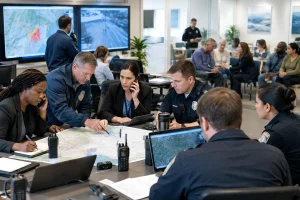
The process starts with a specific need, not a generic wish list. Frontline teams, local partners, medical personnel, community defense groups, and resilience centers identify what is missing now. The strongest aid models do not begin with warehouses full of random supplies. They begin with signal from the field.
That signal has to be validated quickly. Not every request is equally urgent, and not every urgent request is best solved with a purchase. Sometimes the right move is protective gear. Sometimes it is a drone, a thermal camera, trauma treatment support, or communications equipment. Sometimes the need is immediate replacement because existing gear was damaged, depleted, or redirected.
This is where discipline matters. A serious organization does not just ask, What can we send? It asks, What problem are we solving, who will use it, how soon is it needed, and what is the fastest credible path to deployment?
Step 1: Define the operational need clearly
Clear definition prevents waste. If a team asks for surveillance support, that can mean very different things depending on terrain, threat profile, training level, and existing infrastructure. A rural perimeter may need thermal detection. An urban area may need portable observation tools. A rapid response team may need drones with a specific flight profile rather than a cheaper off-the-shelf model that cannot hold up under real conditions.
Donors rarely see this stage, but it is where impact is won or lost. Precision at the front end means fewer delays, fewer bad purchases, and fewer well-meaning donations that never become useful capability.
Step 2: Vet the request and the recipient
Accountability is not bureaucracy for its own sake. It is how life-saving resources reach credible operators instead of disappearing into confusion. Vetting means confirming that the requesting unit, clinic, or local partner is legitimate, that the requested equipment fits a real mission, and that there is capacity to receive and use it.
This stage also protects donor intent. Supporters are not giving to fund inventory for inventory’s sake. They are giving to strengthen readiness, treatment, and response. Proper vetting keeps that promise intact.
Speed depends on sourcing, not just fundraising
Many people assume the hard part is raising the money. In reality, sourcing is often where missions stall. If a product is unavailable, overpriced, untested, export-restricted, or too slow to ship, the donation has not yet become impact.
The best operators build trusted vendor networks before the emergency peaks. They know which suppliers can deliver compliant ballistic eyewear, field medical kits, drones, and surveillance systems without inflated crisis pricing or questionable quality. They also know when not to buy the cheapest option, because frontline failure costs more than upfront savings.
This is one of the least glamorous parts of crisis response, but it is central to how donor funded equipment reaches frontline recipients in real time. Speed comes from preparation, relationships, and decision-making authority. If every purchase has to crawl through layers of approval, the field waits while paperwork moves.
Why vetted sourcing matters
In crisis conditions, bad sourcing creates three problems at once. It wastes money, delays deployment, and can place personnel at risk. Equipment that arrives late, arrives incomplete, or fails in use is not a minor inconvenience. It can leave medics exposed, volunteers blind to perimeter movement, or trauma teams under-equipped during mass casualty periods.
Vetted sourcing reduces those risks. It also helps standardize what gets delivered, which matters for training, maintenance, and replacement. A team that knows how to use a specific platform can put it to work faster than a team handed unfamiliar gear in the middle of pressure.
Delivery is where intent becomes protection
Once equipment is purchased, delivery has to match the urgency of the mission. This is not a standard retail supply chain. Conditions on the ground can change by the hour. Access points shift. Security risks rise. Priorities can change between purchase and handoff.
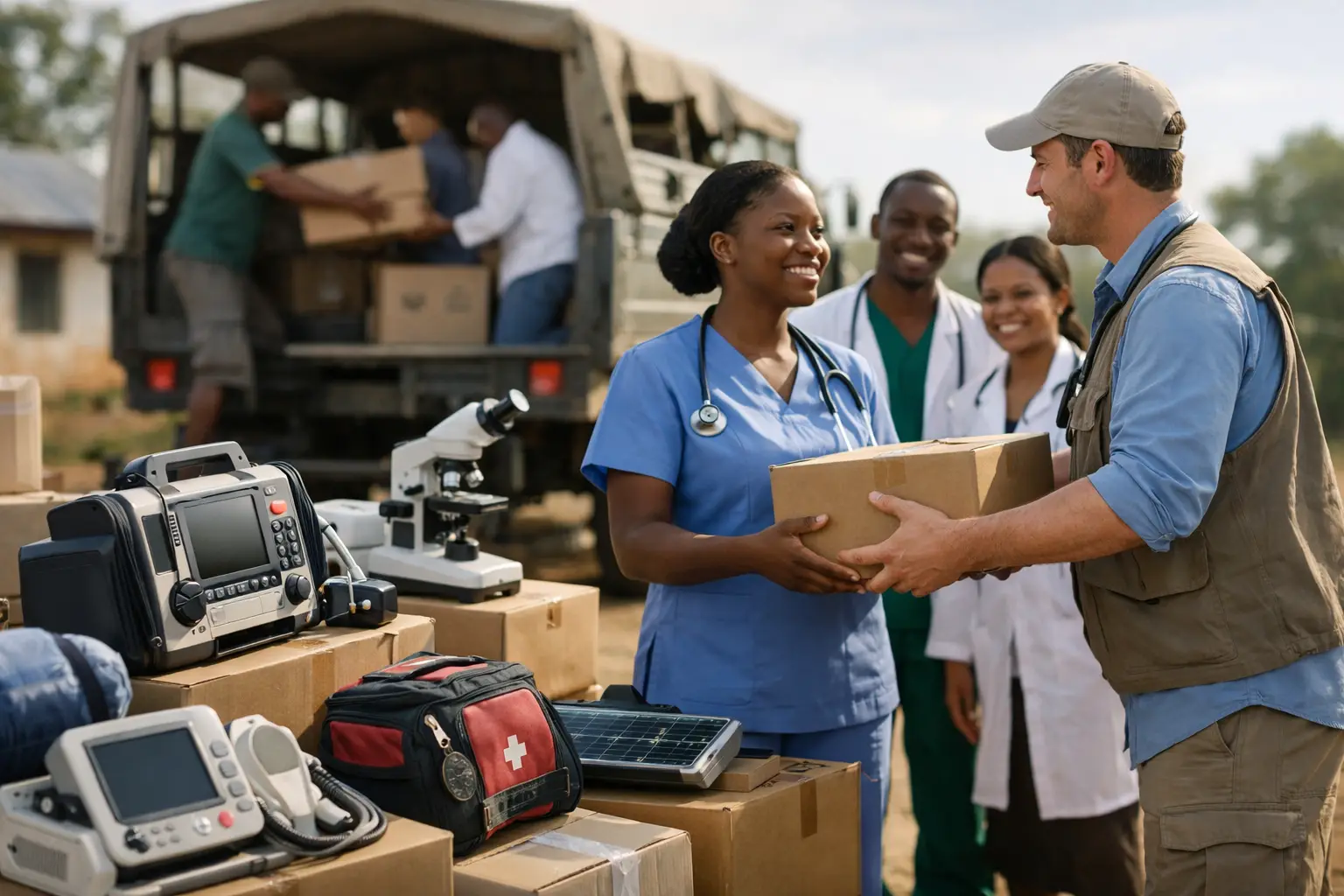
That is why direct delivery models matter. The shorter the chain between donor support and verified recipient, the less friction there is. Fewer handoffs usually mean fewer delays, less confusion, and stronger proof that equipment reached the people it was meant to serve.
In practice, delivery may involve coordination with local organizations, government entities, security teams, logistics partners, and health agencies. The exact route depends on the item and the operating environment. A trauma care shipment does not move the same way a surveillance system does. A small batch of urgently needed gear may move faster than a large coordinated deployment. It depends on threat level, location, approvals, and transport realities.
That complexity is exactly why execution matters so much. Good intentions do not move gear. Operators do.
How donor funded equipment reaches frontline use, not just storage
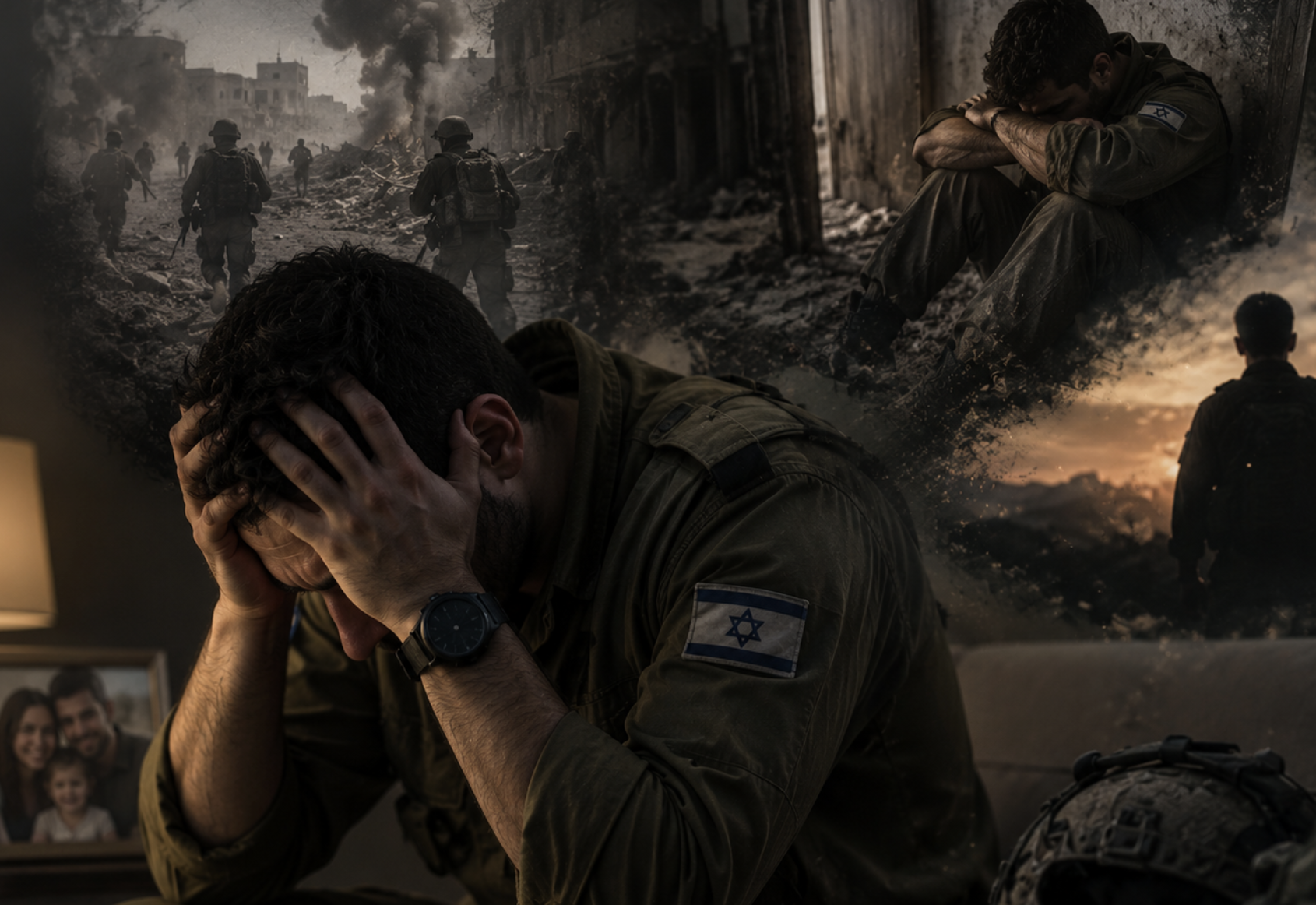
Delivery is not the finish line. The real goal is field use. An IFAK only matters if it is packed, issued, and accessible. A drone only matters if it is deployed by trained personnel. A telehealth psychiatric solution only matters if fast-access care reaches people dealing with trauma when they need it, not weeks later.
This is where many charitable models quietly break down. They can show procurement, but not readiness. They can count units purchased, but not capability added. Donors deserve a higher standard.
Frontline impact usually requires one more layer after handoff: setup, integration, and in some cases training. Some equipment can be issued immediately. Other systems require installation, calibration, operational instruction, or coordination with existing tools. The more specialized the equipment, the more important this phase becomes.
That does not mean every mission needs a long runway. In fact, the strongest response models are built to compress the timeline between funding and use. But compression only works when planning, vendor trust, recipient readiness, and delivery coordination are already in place.
What donors should look for
If you want to know whether your support is likely to create real frontline impact, look past broad promises. Ask whether the organization can explain its process clearly. Can it define the need, source vetted solutions, and deliver directly? Can it point to specific equipment categories, named outcomes, or operational partnerships? Can it show that speed and accountability work together rather than against each other?
The best answer is not a polished slogan, even though strong missions need strong messaging. The best answer is a disciplined system. Urgent need is identified. Solutions are vetted. Equipment is sourced through trusted channels. Delivery is coordinated with the right people. The result is not abstract awareness. It is capability where capability is needed most.
That is the standard organizations like Israel Friends are built to meet. The mission is not to move money around and hope it helps. The mission is to act fast, protect lives, and make sure donors can trust that what they fund reaches the people standing closest to danger.
There are trade-offs, of course. Moving fast can raise costs. Specialized gear can limit supplier options. High accountability can slow a transaction by a few hours or days. But the alternative is worse: wasted donations, mismatched equipment, or delays that drain the value from urgent support. Smart operators know when to accelerate and when to verify.
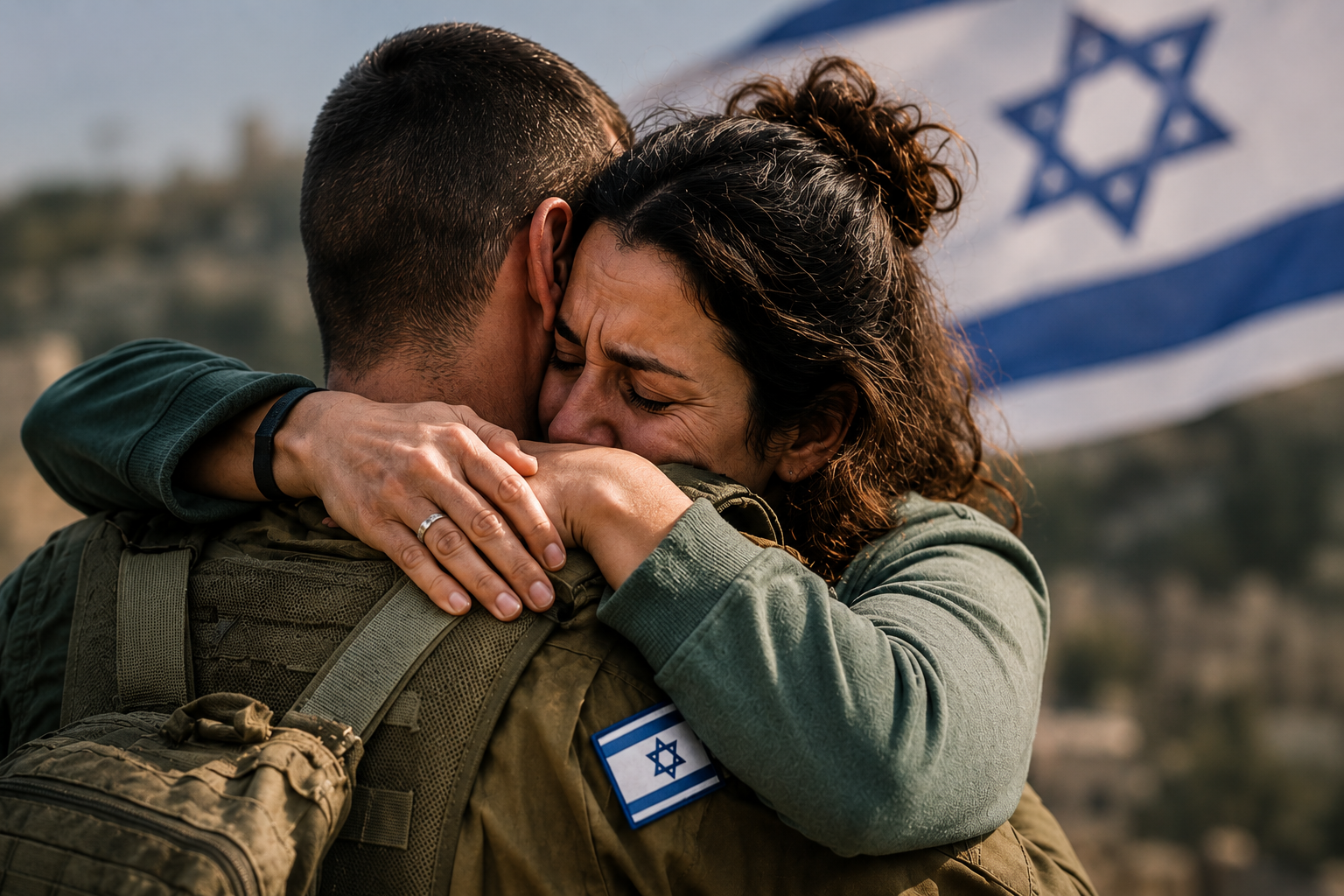
For supporters, that is the deeper point. Giving is not the final act. Giving starts a chain of responsibility. When that chain is built well, donor support becomes medical readiness, protective capability, situational awareness, and trauma response on the ground.
If you care about what happens after you give, keep asking the right question. Not just whether equipment was funded, but how fast it was defined, sourced, delivered, and put into use. That is where trust is earned, and where protection becomes real.