A trauma kit sitting in a warehouse cannot stop bleeding. A thermal camera delayed by paperwork cannot help identify a threat after dark. The aid delivery examples that matter most are not defined by how impressive they look in a report. They are defined by whether the right resource reaches the right person before a preventable loss becomes permanent.
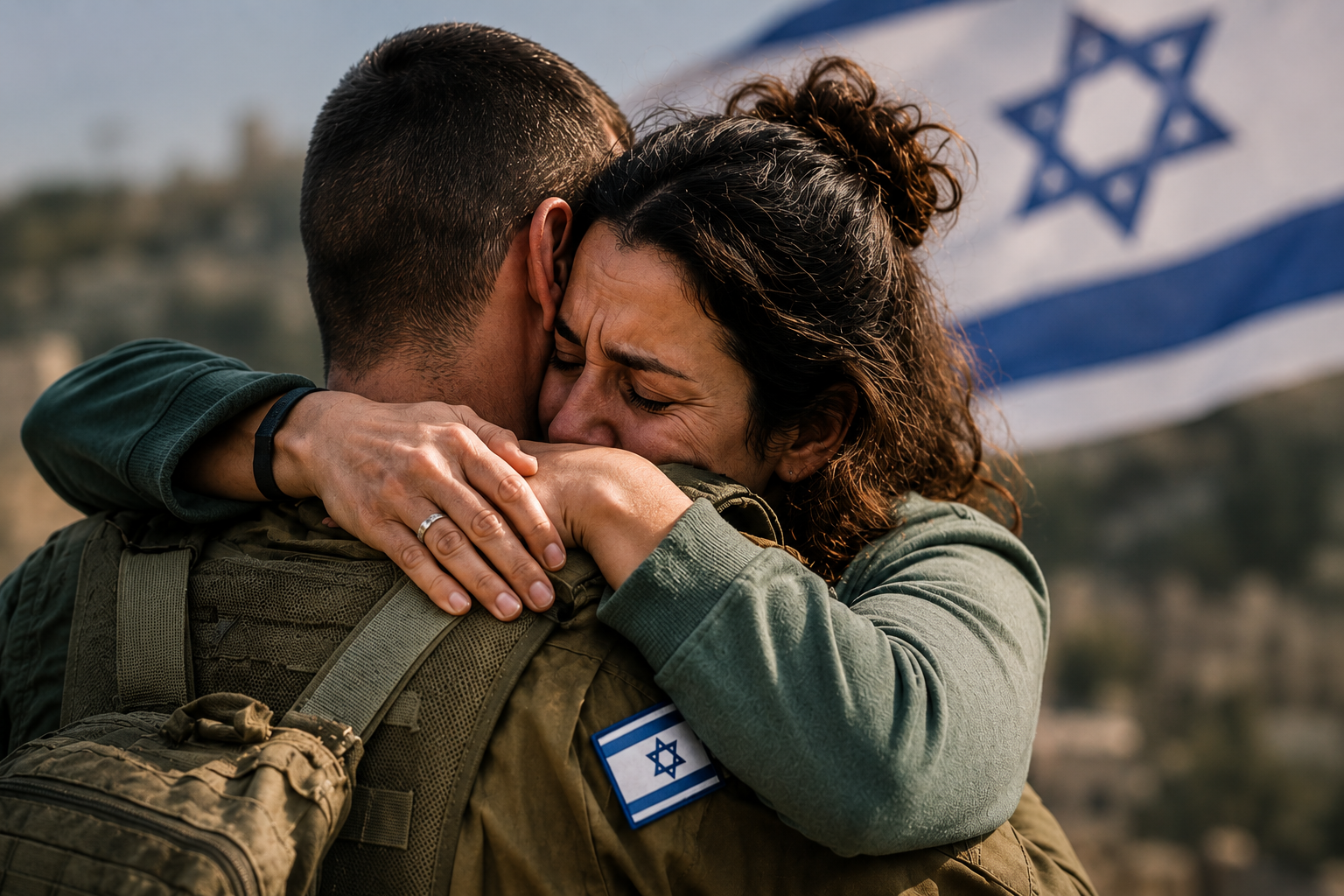
For supporters of Israel, that distinction is personal. Communities and defenders facing immediate danger do not have the luxury of waiting through long approval chains, vague procurement plans, or generic aid commitments. They need equipment, medical care, and recovery support delivered with urgency, discipline, and accountability.
What Effective Aid Delivery Looks Like
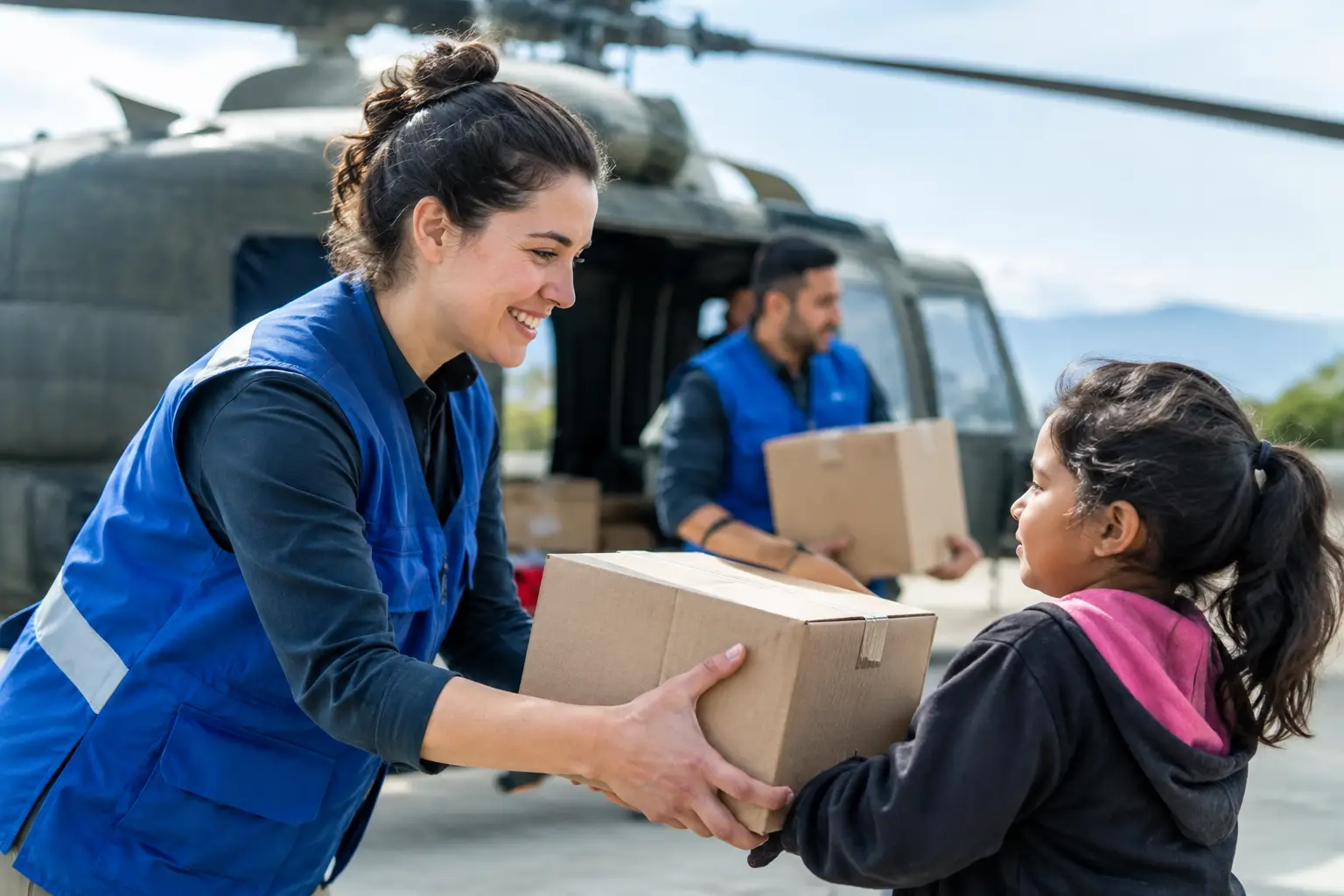
Effective aid delivery begins with a precise question: what is needed right now, by whom, and for what operational purpose? It then follows a clear path – define the need, source a vetted solution, and deliver it directly to the people who can use it.
That sounds simple, but each stage requires judgment. The fastest item is not always the right item. The newest technology is not useful if the recipient cannot operate it. And a delivery is not successful merely because it arrives. It must be usable, appropriate, and positioned where it can protect life.
The strongest programs combine speed with verification. They work with trusted local partners, frontline teams, health providers, and suppliers who understand conditions on the ground. They also make room for changing needs. A community under threat may first need emergency medical supplies, then protective systems, then long-term trauma care. Aid has to move at the speed of reality.
Aid Delivery Examples With Direct Impact
Individual first aid kits for frontline responders
An Individual First Aid Kit, often called an IFAK, is one of the clearest examples of life-saving aid. These kits can include tourniquets, pressure bandages, chest seals, hemostatic gauze, and other tools designed to control severe bleeding or stabilize injuries until advanced care is available.
The impact is immediate because the person carrying the kit can act in the first critical minutes after an injury. But distribution must be intentional. A box of medical supplies is not the same as a field-ready kit. Equipment needs to be organized, compatible with training, checked for expiration dates, and placed with those most likely to need it.
For donors, this is a tangible model of impact: a defined item, a known purpose, and a direct connection to emergency readiness. It also illustrates why speed matters. In trauma response, minutes can decide outcomes.
Ballistic eyewear and protective equipment
Protective gear is often less visible than emergency relief, but it can prevent injuries before they happen. Ballistic eyewear, helmets, protective vests, and other mission-specific equipment help defenders operate more safely in dangerous environments.
Consider ballistic eyewear. A small, durable piece of equipment may protect against fragments, dust, debris, and other hazards that can disable someone in the field. The goal is not simply to provide gear. It is to preserve a responder’s ability to see, communicate, move, and continue protecting others.
There are trade-offs. Protective equipment must meet recognized standards, fit the user, and match the operating environment. A poorly fitted helmet or low-quality eyewear can create a false sense of security. Responsible aid delivery means sourcing vetted products and making sure they reach the intended unit or individual, not just a storage room.
Drones, thermal cameras, and surveillance tools
Advanced protective technology can extend the eyes and awareness of teams responsible for civilian security. Drones can help assess terrain or inspect areas that may be unsafe to enter. Thermal cameras can support nighttime observation. Surveillance systems can help communities identify and respond to potential threats sooner.
These tools are not a replacement for trained personnel or sound decision-making. They are force multipliers. Their value depends on the situation, the legal and operational framework, the user’s training, and the ability to maintain them over time.
This is where entrepreneurial execution matters. Technology changes quickly, and needs vary by location. The right approach is not to send the same device everywhere. It is to identify the operational gap, confirm the technical requirement, source equipment from trusted vendors, and place it with teams that can put it to work immediately.
Rapid trauma care for civilians and defenders
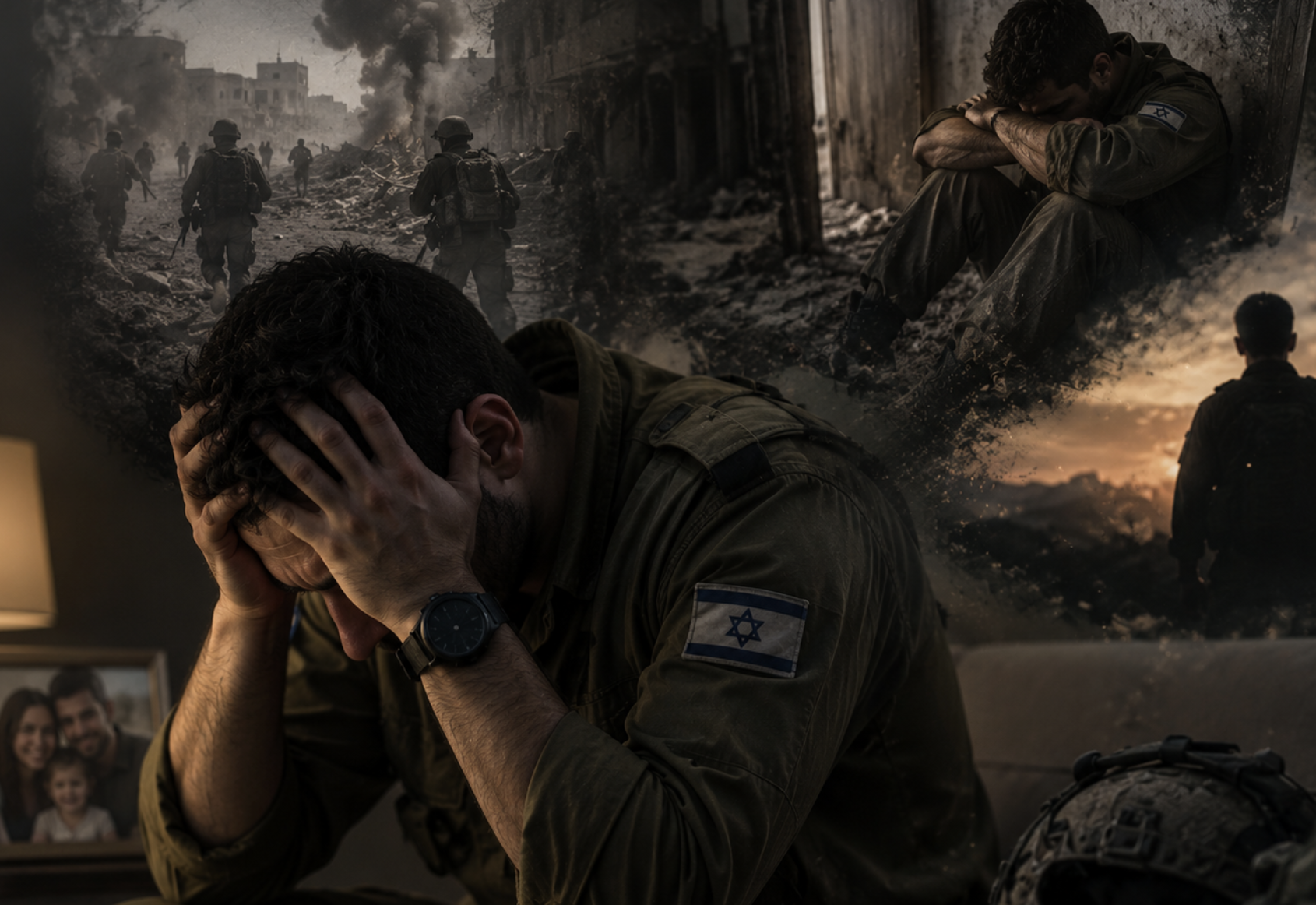
Not every injury is visible, and not every emergency ends when physical danger passes. Fast-access PTSD support, telehealth psychiatric care, and trauma-focused treatment are essential forms of aid for civilians, families, and defenders carrying the weight of crisis.
A person may need help days after an attack, months after a deployment, or years after repeated exposure to trauma. The barrier is often access: long wait times, uncertainty about where to turn, stigma, cost, or a lack of providers equipped to handle acute stress and post-traumatic symptoms.
Effective mental health aid reduces those barriers. It can fund direct treatment, expand access through resiliency centers, support telehealth options, and help connect people to qualified care quickly. This work requires confidentiality and care. Measurable impact may include appointments funded or treatment capacity expanded, but the deeper outcome is a person regaining stability, sleep, connection, and the ability to move forward.
Community security support during elevated risk
When a community faces heightened risk, aid may include communications equipment, emergency supplies, lighting, observation tools, or support for local response teams. The exact need depends on the location and threat environment. A rural community may need better perimeter awareness, while a densely populated area may need stronger coordination and rapid communication.
The common principle is preparedness. Communities should not have to begin sourcing essential resources only after an incident occurs. Pre-positioned, practical support gives local teams a better chance to respond quickly and protect civilians under pressure.
Why Delivery Speed Is a Donor Responsibility
Giving is not passive when lives are on the line. Donors have the right to ask what a contribution will fund, how quickly it can be deployed, and who will receive it. Those are not administrative questions. They are questions of impact.
The best aid organizations do not confuse overhead with effectiveness, nor do they treat speed as an excuse for weak controls. They build relationships before a crisis, maintain trusted sourcing channels, verify urgent requests, and communicate clearly about what was delivered. That preparation is what makes rapid action possible.
Israel Friends operates from this principle: urgent needs require direct action. By working with trusted partners and focusing on mission-critical equipment, protective technology, and trauma care, the goal is to help move support from donor intent to life-protecting action without bureaucratic delay.
How to Evaluate Aid Delivery Before You Give
Before supporting an aid campaign, look for specificity. A credible appeal can explain the need in concrete terms, whether that is medical kits for responders, protective equipment for a defined group, or treatment access for people affected by trauma.
Then look for operational clarity. Who identifies the need? How is the equipment sourced? How does it reach the recipient? What safeguards help prevent waste or diversion? Not every detail can be public in a sensitive security environment, but serious organizations should still demonstrate a disciplined process.
Finally, consider whether the intervention fits the moment. Immediate relief is critical after an emergency, but ongoing readiness and recovery matter too. The most effective support may be a tourniquet today, a surveillance system next month, and trauma treatment when the visible crisis has faded. It depends on what will protect and strengthen people most at that point in time.
The clearest measure of aid is not the size of a shipment or the scale of a campaign. It is whether a person is safer, a responder is better equipped, or a family can access care when they need it most. Support that moves with purpose can turn urgency into protection – and protection into lives preserved.