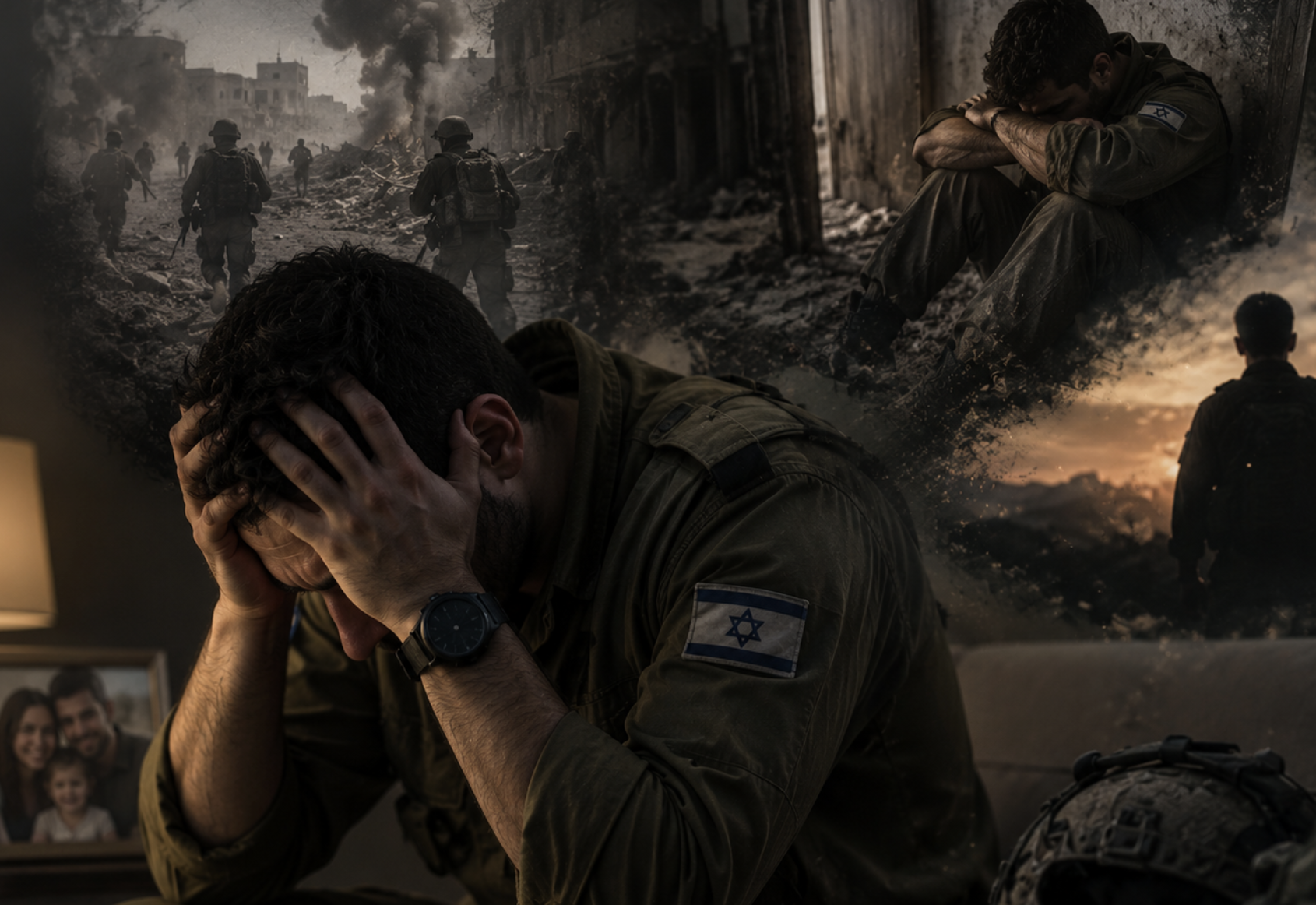

The emergency does not end when the sirens stop. For a child who cannot sleep, a parent who scans every room, or a defender returning from an impossible shift, the effects can continue for weeks, months, or longer. Trauma care is the bridge between surviving a crisis and regaining the ability to live, work, parent, serve, and connect.
Israel’s civilians and defenders have carried an extraordinary burden. They need more than words of solidarity. They need fast access to qualified support, discreet treatment options, and a system that recognizes that a delayed response can deepen suffering. Mental health care is not separate from security. It is part of national resilience.
Trauma Care Is a Readiness Issue
Trauma changes how the body and mind respond to danger. A person may be physically safe but still feel as if the threat is present. Sleep disruption, panic, numbness, anger, intrusive memories, isolation, and difficulty concentrating can all interfere with daily life. For some people, these reactions ease with time and support. For others, they become more severe without timely care.
That is why access matters. A person in distress should not have to navigate a maze of referrals, waitlists, paperwork, or uncertainty before speaking with a trained professional. In a country under sustained pressure, speed is not a luxury. It is a clinical and human priority.
For defenders, untreated trauma can affect focus, judgment, family relationships, and the ability to transition between operational demands and civilian life. For civilians, especially families displaced by violence or communities living under repeated threat, it can fracture routines that create stability. Effective care helps people regain agency when crisis has taken it away.
This is not about asking people to be invulnerable. It is about giving them the tools, treatment, and trusted support needed to recover without shame.
What Effective Trauma Care Looks Like
The strongest response is not one-size-fits-all. A brief intervention may be enough for one person, while another may need ongoing trauma-focused therapy, psychiatric support, medication management, group care, or specialized treatment for children and families. The right path depends on the person, the nature of the exposure, their existing support network, and how symptoms are affecting daily function.
The common denominator is a clear path to care. Effective programs remove friction at the moment a person is ready to ask for help. They offer confidential intake, qualified clinicians, culturally informed treatment, and follow-up that does not disappear after a first appointment.
Telehealth can be especially powerful when travel, work, security conditions, caregiving responsibilities, or geographic distance make in-person treatment difficult. It is not the right fit for every clinical need, but it can provide rapid access and continuity for people who might otherwise delay care. In-person resiliency centers remain equally vital, particularly when a patient needs a local therapeutic relationship, specialized services, or the grounding presence of a trusted community space.
Quality also means recognizing the needs of families. Trauma does not stay contained within one person. A spouse may be carrying the emotional load of a partner’s service. A child may absorb fear without having the language to explain it. Parents may need support to recognize behavioral changes and rebuild routines. Care that includes the family can prevent isolation from becoming the default response.
Speed Without Compromising Clinical Standards
Urgency should never mean cutting corners. Rapid access must still connect people with licensed, experienced professionals and evidence-informed treatment. The goal is not to rush someone through a session. The goal is to eliminate unnecessary delay between need and care.
That distinction matters to donors. Funding a mental health program is most effective when it supports real capacity: clinician time, early assessments, psychiatric access, telehealth infrastructure, crisis response, and sustained treatment for people who need it. A compelling story may inspire action, but reliable care requires operational discipline behind it.
Privacy Is Part of the Care
Many civilians and defenders hesitate to seek support because they fear judgment, professional consequences, or being seen as weak. Confidentiality and respectful intake practices are not administrative details. They are essential to getting people through the door.
Programs must make it clear that asking for help is a sign of responsibility. A person who receives care early is taking action to protect their health, their family, and their future. That message can change whether someone reaches out at all.
Why Early Support Changes the Outcome
There is no universal timetable for recovery. Some people need immediate clinical help; others may initially lean on family, faith, community, and routine before deciding they need professional treatment. But waiting should be a choice, not the result of unavailable services.
Early support can help identify escalating symptoms before they become entrenched. It can also give people practical strategies for sleep, emotional regulation, communication, and returning to manageable routines. For those experiencing acute distress or safety concerns, rapid connection to qualified clinical support is critical.
The work does not end after the first urgent moment. Recovery is often uneven. An anniversary, a news alert, a sound, or a familiar location can bring symptoms back with force. Reliable trauma care accounts for that reality by making follow-up accessible and by treating recovery as a process rather than a single event.
For Israel, this continuity has broader implications. Communities recover faster when people are not left alone with what they have endured. Families are more stable when caregivers can access support. Defenders are stronger when mental health is treated as an element of sustained readiness, not an afterthought.
Turning Donor Urgency Into Real Care
Supporters often ask a direct question: what does a donation actually make possible? In trauma response, the answer should be concrete. It can fund therapy sessions for someone who cannot afford them, expand appointment availability at a resiliency center, provide fast-access psychiatric consultations, or help maintain telehealth services for people unable to travel.
The best giving model is built for the pace of the crisis. Needs change quickly. A community hit by an attack may need immediate crisis intervention, while months later the same community may need long-term treatment for parents, teenagers, and responders. Funders and operators must be able to shift resources without losing accountability.
That requires close work with health agencies, clinicians, local organizations, and trusted community partners who understand conditions on the ground. It also requires the discipline to fund what is needed now, rather than what is easiest to explain from a distance.
Israel Friends approaches this work with a simple operating principle: define the need, source the right solution, and deliver support without bureaucratic delay. In trauma care, that means backing rapid, credible pathways to treatment for civilians and defenders who need help when the need is most urgent.
Donors should also value measurement without reducing people to numbers. Appointment access, time to intake, treatment continuity, and the ability to reach underserved communities are meaningful indicators. So are the quieter outcomes: a parent sleeping through the night, a child returning to school, a defender finally speaking to a professional, a family recovering its sense of safety.
A Stronger Response Starts With a Faster Yes
Trauma is not always visible, and recovery rarely follows a straight line. But the response can be clear: make care available, make it trustworthy, and make it fast enough to matter.
Every supporter can help build that response by funding treatment, amplifying the importance of mental health care, volunteering with purpose, and refusing to accept delay as inevitable. When a civilian or defender is ready to ask for help, the answer should be waiting for them: you are not alone, and care can begin now.