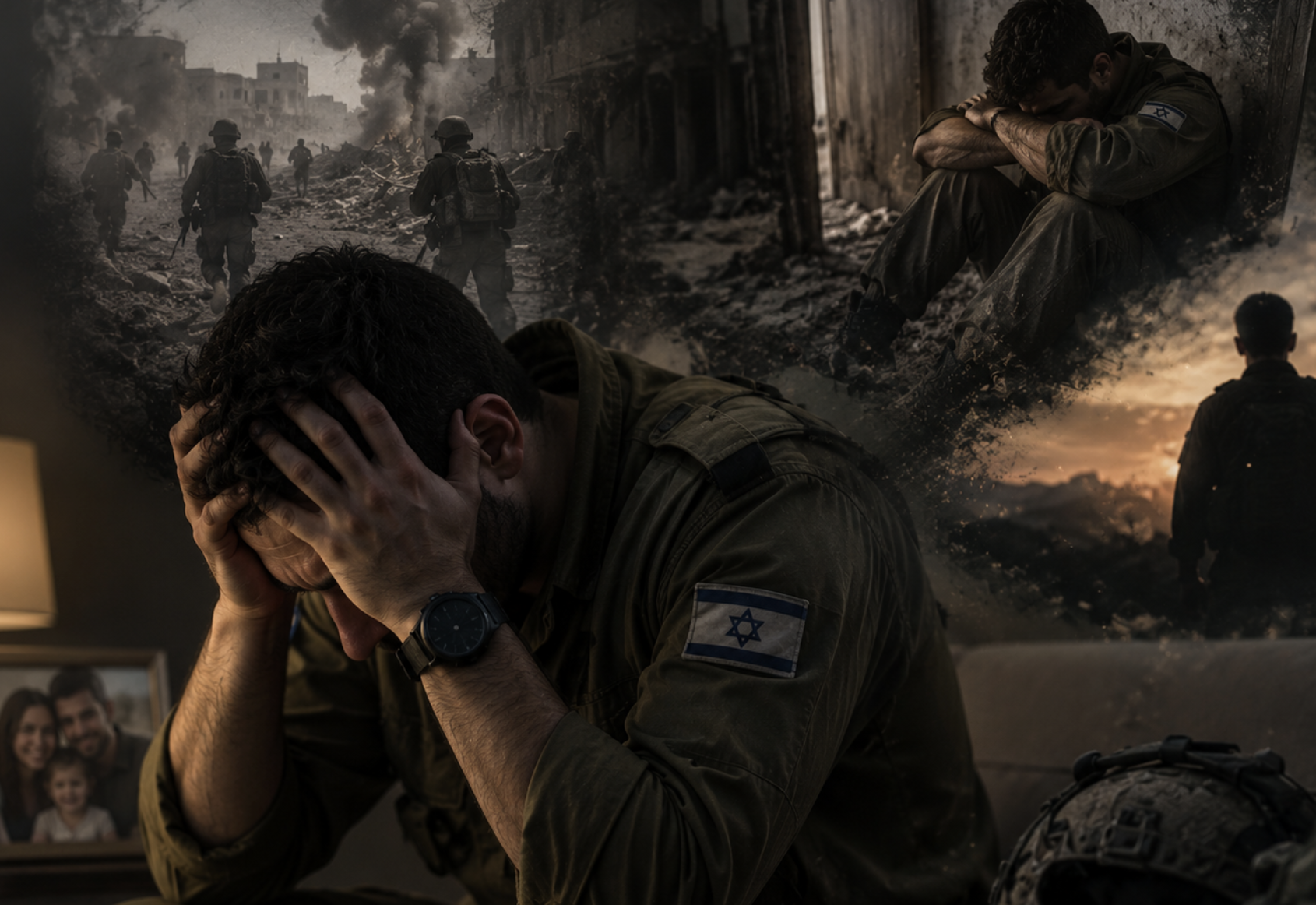

A family sheltering during a rocket alert does not need a committee meeting. A medic treating the wounded does not need a six-month purchasing cycle. They need working equipment in the right place before the next emergency. So, can charities purchase safety technology? Yes. When they are organized for action, charities can lawfully fund, buy, and deliver life-protecting tools that strengthen civilian security, frontline readiness, and trauma response.
The harder question is not whether a charity can make the purchase. It is whether it can do it with the speed, controls, and operational judgment that a high-stakes environment demands. A thermal camera that arrives too late does not protect a community. A donated IFAK kit that is not matched to the user or replenished after use may create a false sense of readiness. Impact comes from disciplined execution.
Can Charities Purchase Safety Technology for Urgent Needs?
For a mission-driven nonprofit, safety technology can be a legitimate charitable expense when it directly advances its stated charitable purpose. That can include protecting civilians, supporting emergency responders, strengthening medical preparedness, assisting trauma care, or helping communities recover from attacks and disasters.
The technology itself may be simple or advanced. Individual first-aid kits, ballistic eyewear, emergency communications devices, generators, drones, thermal cameras, surveillance systems, and protective equipment can all serve a charitable mission when there is a clear, documented connection between the equipment and the people it is meant to protect.
Purpose matters. A charity should not purchase equipment simply because it sounds useful or carries a compelling label. It should define the operational problem first: What threat or gap exists? Who will use the equipment? Where will it be deployed? What result should it produce? Those answers turn a purchase into a mission-aligned intervention.
For organizations supporting Israel during periods of active threat, the need can be immediate. Communities may require better visibility around vulnerable areas. Medics may need trauma supplies before a surge in casualties. Families may need rapid access to mental-health support after an attack. The charitable response must be fast, but fast does not mean careless.
The Standard Is More Than Good Intentions
A charity has a duty to use donor funds responsibly. That means creating a clear record of why an item was needed, how it was selected, what it cost, where it went, and how it was used. Accountability is not an administrative burden placed in opposition to urgency. It is what allows urgent work to earn and keep public trust.
Before purchasing, leaders should confirm that the expenditure fits the organization’s governing documents, budget, and charitable purpose. They should assess whether the vendor is legitimate, whether pricing is reasonable, and whether the equipment meets the actual field requirement. The least expensive option is not always the best value if it fails under pressure, lacks support, or cannot be deployed quickly.
A nonprofit also needs to consider the rules surrounding its specific transaction. International purchases, shipments to conflict-affected areas, dual-use technology, aerial systems, encrypted communications, and certain surveillance tools may involve export, import, sanctions, privacy, customs, or end-user requirements. The facts matter. Organizations should obtain qualified legal and compliance guidance when a purchase raises these issues, especially when equipment may be used by security personnel or transported across borders.
This is where weak charities slow down and strong operators prepare. They establish vetted vendor relationships before a crisis. They understand their shipping pathways. They maintain records. They know which needs can be funded immediately and which require further review. Preparation is what makes speed possible.
Define, Source, Deliver, Document
The most effective safety-technology programs follow a direct operational sequence: define the need, source the right solution, deliver it to the end user, and document the outcome.
Defining the need begins on the ground. A request should come with enough detail to make a sound decision: the location, the threat, the number of intended users, the required capabilities, and the urgency. “We need cameras” is not enough. “A rural community has three unmonitored access points and needs thermal detection coverage for its overnight security volunteers” is actionable.
Sourcing requires both speed and skepticism. Trusted vendors, product standards, availability, warranties, local support, and realistic delivery timelines all matter. A charity should also avoid purchasing technology based on marketing claims alone. Equipment must work in the environment where it will be used, whether that means low-light conditions, dust, heat, limited connectivity, or prolonged field use.
Delivery is a mission step, not a shipping receipt. The equipment has to reach the intended organization or community, be accepted by an authorized recipient, and be usable. Some purchases need installation, user training, maintenance plans, replacement parts, or follow-up support. A drone without a trained operator is not an aerial-response capability. A trauma kit without basic training may not be used effectively in the first critical minutes.
Documentation closes the loop. It can include invoices, vendor due diligence, recipient acknowledgments, shipment records, photographs when appropriate, serial numbers for higher-value equipment, and short deployment reports. Donors do not need every operational detail, particularly where disclosure could create a security risk. They do deserve evidence that their support produced a real, targeted outcome.
Choose Technology That Solves the Actual Problem
Safety technology is not automatically life-saving because it is expensive, advanced, or highly visible. The right purchase depends on the threat and on the capacity of the people receiving it.
For example, ballistic eyewear may be a high-impact purchase when responders face debris, shrapnel, and hostile conditions. IFAK kits can be essential when trained personnel need immediate access to hemorrhage-control supplies. Thermal cameras may be valuable where nighttime visibility is the primary security gap. Telehealth psychiatric care can be the right intervention for survivors and defenders who cannot wait weeks for trauma support.
Each choice carries trade-offs. Surveillance systems can strengthen early warning, but they may require connectivity, power, secure data handling, and ongoing monitoring. Drones can extend situational awareness, but they require trained operators and strict compliance with applicable rules. Medical supplies can be deployed rapidly, but they expire and need replenishment. The best programs budget for the full operating reality, not only the initial purchase.
That is why high-impact charities measure readiness, not just deliveries. How many kits reached trained users? How many sites gained functioning coverage? How quickly did trauma-care patients receive access to licensed support? Which equipment remains operational after 30, 60, or 90 days? These questions keep a program focused on protection rather than publicity.
Donor Funds Should Move With Purpose
Donors often ask whether a contribution can be used to purchase a specific piece of protective technology. In many cases, yes, provided the gift is accepted and used in accordance with the organization’s policies, charitable purpose, and applicable law. Some gifts may be restricted to a designated program, while others are unrestricted and can be directed toward the most urgent verified need.
Restricted support can give donors a tangible connection to an outcome. A campaign for trauma kits, protective eyewear, emergency communications, or mental-health treatment can mobilize a community quickly. Unrestricted support is equally vital in a fast-moving crisis because field needs change. What is urgent on Monday may be overtaken by a more immediate threat on Thursday.
The strongest donor relationship is built on clarity. Explain the need without exaggeration. State what funds will support. Report results without exposing sensitive operational details. Show that every dollar is treated as a responsibility, not a resource to be casually spent.
Israel Friends operates from that conviction: define the urgent need, source vetted solutions, and deliver practical protection without bureaucratic delay. Whether the need is medical readiness, protective technology, or access to trauma care, the goal is not activity. The goal is a safer person, a stronger community, and a faster path to recovery.
When danger moves quickly, generosity must be ready to move with it. The most meaningful support does not wait for the perfect moment. It equips the people protecting lives now.