
A trauma response can fail long after the immediate danger has passed. Survivor recovery case studies make that reality visible: survival is not the finish line. A civilian who makes it out of a rocket attack, a defender returning from combat, or a first responder leaving a mass-casualty scene may still face sleeplessness, panic, isolation, grief, and the inability to return to daily life.
The difference between a person spiraling and a person beginning to recover often comes down to one factor: how quickly the right support becomes available. Not a generic promise of help. Not a form that sits unanswered. Fast access to qualified trauma care, practical stability, and consistent follow-up.
What Survivor Recovery Case Studies Reveal
Recovery is rarely a straight line. It is also not one-size-fits-all. Two people can endure the same event and need very different forms of care. One may need immediate psychiatric support to manage acute symptoms. Another may be able to function at work but struggle with rage, numbness, or family relationships weeks later.
That is why responsible recovery work begins with assessment, not assumptions. It identifies the urgent need, connects the survivor to a vetted provider, and keeps the path to care clear when the survivor has little emotional bandwidth to navigate a complicated system.
The cases below are representative composite scenarios, not identifiable personal profiles. They reflect patterns commonly seen after conflict, terror, displacement, and frontline service. Protecting survivor privacy is not a communications preference. It is part of recovery itself.
Case Study: The Defender Who Could Not Come Down From Alert
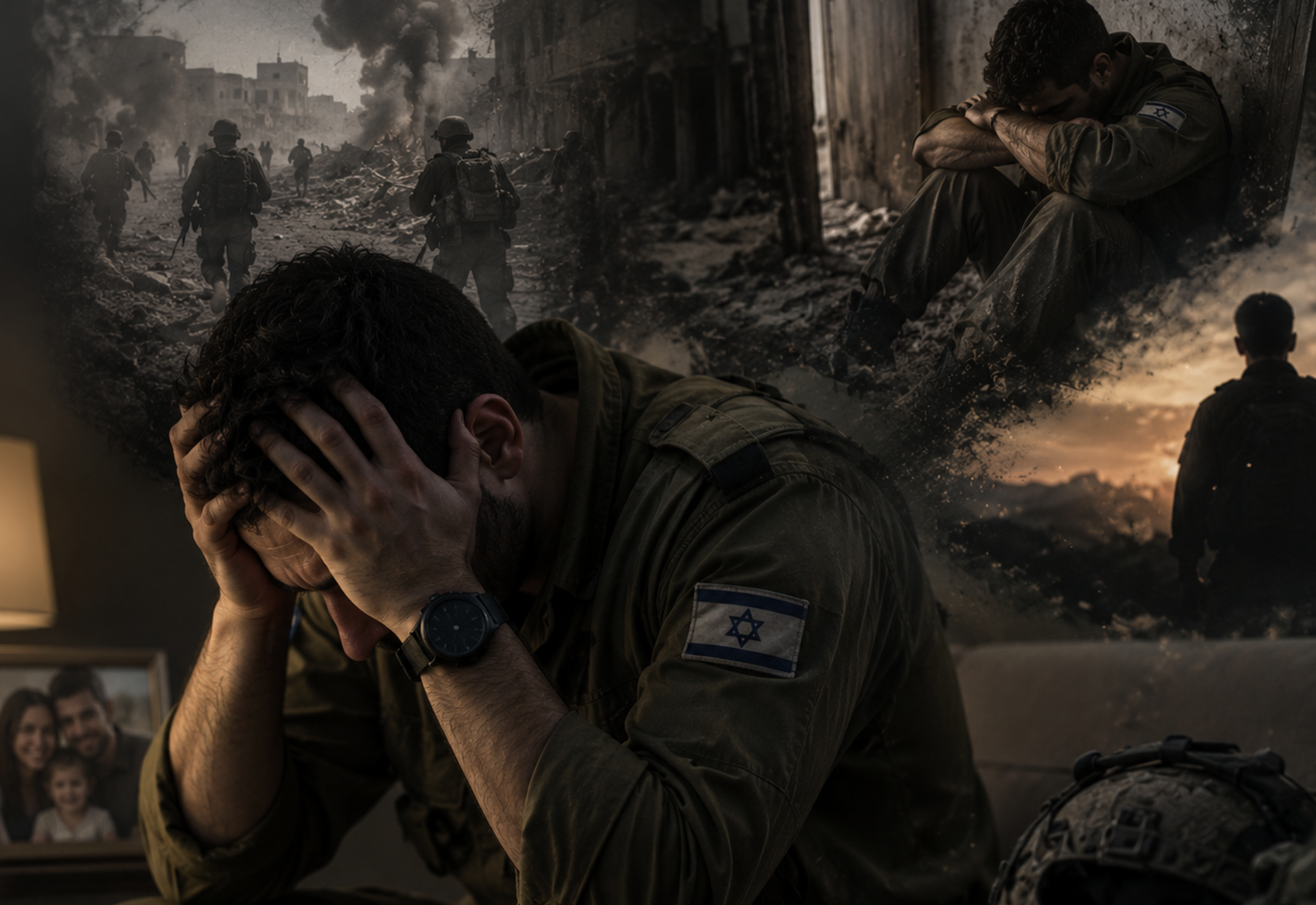
After an extended deployment, a reserve defender returned home physically intact but unable to settle. Sudden sounds triggered a full-body response. Sleep came in short bursts. Ordinary errands felt unsafe, and conversations with loved ones became tense because he was still operating as if every moment required a threat assessment.
The first need was not a lecture about resilience. It was rapid access to trauma-informed clinical care. A prompt evaluation created a clear picture of sleep disruption, hypervigilance, anxiety, and functional impairment. From there, the care plan combined regular therapy with psychiatric support where clinically appropriate.
What changed the trajectory was speed and continuity. The defender did not have to wait months for an appointment or explain the basics of military context to an unprepared provider. Care was accessible, trusted, and structured around returning to function without minimizing what he had experienced.
The lesson is direct: when trauma symptoms are treated early, survivors have a stronger chance to preserve relationships, maintain employment, and avoid deeper crisis. Early intervention does not erase what happened. It gives the survivor tools and clinical support before distress becomes the organizing force of daily life.
Case Study: The Displaced Parent Carrying the Whole Family
A parent forced from home by sustained attacks may appear composed because the family depends on them. They find temporary housing, manage children’s fear, answer relatives’ calls, and keep moving. But once the immediate logistics slow down, the nervous system often catches up.
In this scenario, the parent began experiencing panic symptoms, severe fatigue, and a sense of failure for not being emotionally available to their children. The family did not only need a single counseling appointment. They needed care that recognized the pressure of displacement: disrupted routines, uncertain income, crowded living conditions, and children who were also processing fear.
The most effective response paired accessible mental health support with practical coordination. Telehealth helped reduce barriers when travel and childcare made in-person appointments difficult. Consistent check-ins made it more likely that the parent would stay engaged, even during chaotic weeks. A provider able to work with trauma and family stress helped turn shame into a workable plan.
This case shows why mental health care cannot be treated as a luxury after crisis. A supported parent is better positioned to support children. The benefit reaches beyond one patient and into the stability of an entire household.
Case Study: The First Responder Who Said They Were Fine
First responders are trained to act under pressure. That strength can become a barrier when the emergency ends. A responder may keep serving, keep showing up, and insist that others had it worse. Meanwhile, intrusive memories, emotional detachment, and irritability build beneath the surface.
A strong recovery approach does not wait for total collapse. It creates confidential pathways to trauma care that respect the responder’s identity, schedule, and concern about being judged. When care is framed as readiness and long-term capacity, rather than weakness, people who would otherwise remain silent are more likely to seek help.
In this representative case, brief screening opened the door to more intensive support. The responder was connected with a clinician who understood repeated exposure to trauma and could tailor treatment around duty schedules. Follow-up mattered because initial willingness to talk does not always translate into sustained participation.
The operational lesson is clear: access is not enough. Care must be practical to use. If a survivor has to choose between treatment and fulfilling essential responsibilities, even excellent services may go unused.
What Fast, Effective Recovery Support Requires
These survivor recovery case studies point to a simple standard: define the need, source the right support, and deliver it without delay. In trauma recovery, bureaucracy is not neutral. Every unnecessary barrier can become another reason a survivor postpones care.
Fast access should still be responsible access. Quality matters. Survivors need licensed, trauma-informed professionals, clear clinical standards, confidentiality, and appropriate escalation when symptoms signal an urgent safety concern. The goal is not to rush someone through a process. It is to remove the obstacles standing between a survivor and qualified help.
Recovery also depends on follow-through. One referral is not the same as a functioning care pathway. Survivors may miss appointments because they are overwhelmed, displaced, ashamed, or simply exhausted. Programs that build in follow-up, flexible options, and trusted human contact are better equipped to keep care from slipping away at the moment it is most needed.
There is a trade-off worth acknowledging. Rapid-response organizations must move quickly, but they cannot treat people as numbers or turn trauma into a marketing tool. Measurable impact matters, yet privacy and dignity matter just as much. The right model tracks whether support reached people, whether care remained available, and whether the intervention improved stability, without exploiting personal pain for public attention.
Turning Donor Urgency Into Recovery Capacity
For donors, the question is not whether trauma care matters. It is whether support can reach survivors before avoidable suffering hardens into long-term damage. Funding rapid access to PTSD treatment, telehealth psychiatric care, and trusted resiliency services creates capacity when local systems are under strain.
This is where mission discipline matters. Israel Friends focuses on rapid-response support because crises do not pause while institutions deliberate. The same operating principle that delivers protective equipment to those facing immediate danger can help connect civilians and defenders to care when the visible emergency has ended but the internal one remains.
The strongest recovery efforts do not promise a quick fix. They provide a clear next step, a qualified professional, and enough continuity for survivors to begin rebuilding trust in their own lives. That is concrete impact: not simply helping someone endure the aftermath, but helping them reclaim the ability to live beyond it.
When a survivor is ready to reach for help, the system around them must be ready to respond. That readiness is something communities can build before the next call, the next attack, or the next family is left carrying more than anyone should carry alone.