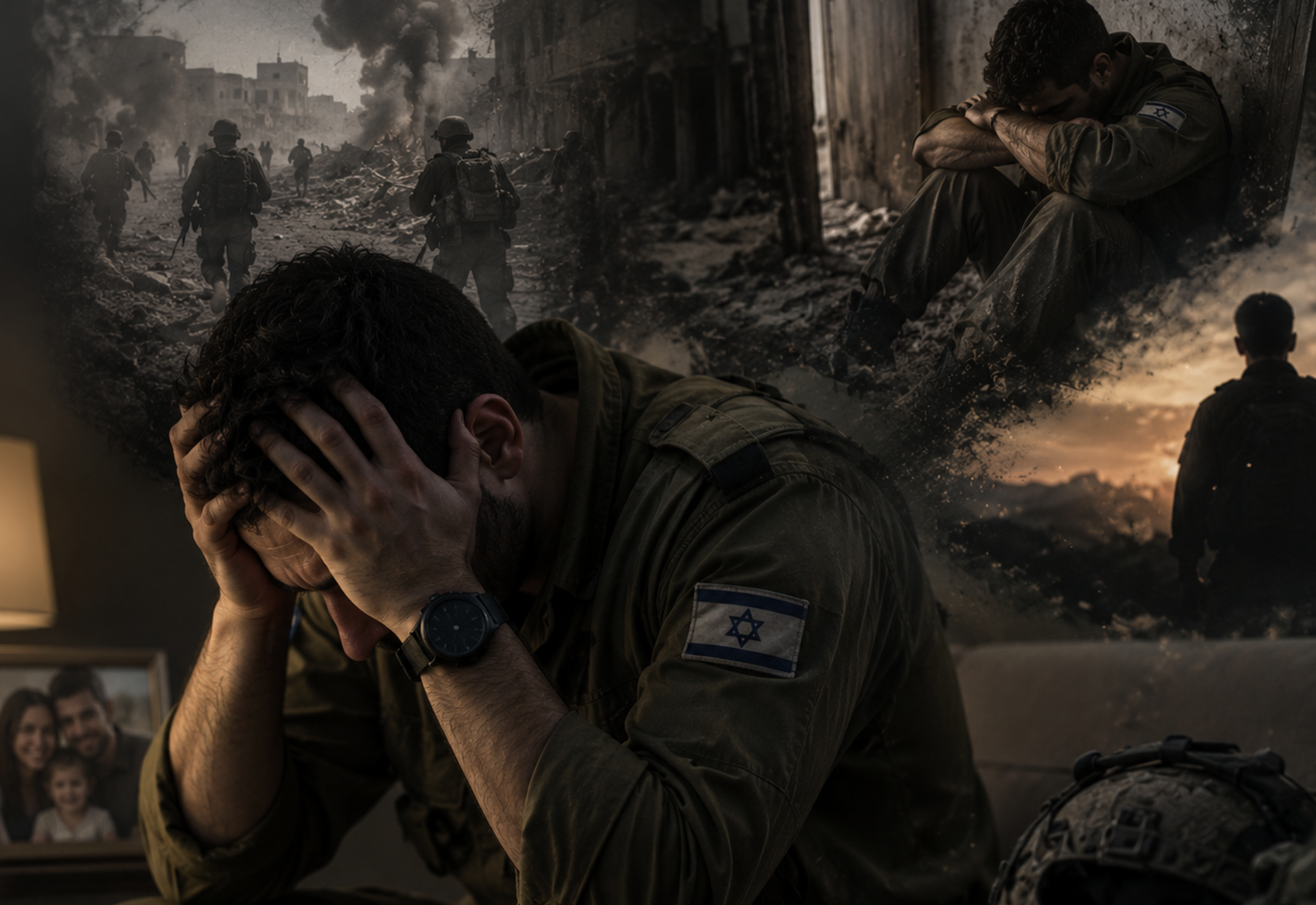

A panic response in a crowded room. A sleepless night after a siren. The inability to return to work, school, or family routines after violence. These are not failures of character. They are signs that the nervous system may still be responding to danger. When trauma therapies compared side by side, the central question is not which approach is universally best. It is which evidence-based support can help a specific person regain safety, function, and connection.
For defenders, survivors, families, and communities living under sustained threat, speed matters. So does clinical fit. Trauma care should not become another burden placed on someone already carrying too much. The right treatment begins with a qualified, trauma-informed clinician who can assess symptoms, medical needs, safety concerns, and readiness for focused therapy.
Trauma Therapies Compared: The Core Differences
Most effective trauma treatment is not about forcing a person to relive the worst day of their life. It is about helping the brain and body recognize that the danger is not happening now, while building practical skills for the moments when symptoms surge. Several approaches have strong evidence for post-traumatic stress disorder, but they work differently.
Trauma-focused cognitive behavioral therapy
Trauma-focused CBT is a broad category that helps people examine the thoughts, emotions, and behaviors connected to a traumatic event. A clinician may help a patient challenge beliefs such as “I should have prevented it,” “nowhere is safe,” or “I can never trust anyone again.” Treatment often includes carefully structured work with memories, triggers, and avoidance.
Two well-known forms are Cognitive Processing Therapy and Prolonged Exposure. Cognitive Processing Therapy focuses heavily on beliefs, guilt, shame, and meaning. Prolonged Exposure helps patients gradually approach trauma memories and safe situations they have been avoiding, rather than allowing fear to keep shrinking their lives.
This work can be highly effective, especially when avoidance, self-blame, or fear is driving daily impairment. It can also feel demanding. Someone dealing with unstable housing, active danger, severe sleep loss, substance dependence, or an immediate crisis may first need stabilization and practical support before starting intensive memory-focused treatment.
EMDR
Eye Movement Desensitization and Reprocessing, or EMDR, is a structured therapy in which a trained clinician helps a person process distressing memories while using bilateral stimulation, often guided eye movements, taps, or tones. The goal is not to erase what happened. It is to reduce the memory’s emotional charge and help the person connect it to a more accurate present-day understanding.
Many people are drawn to EMDR because it does not always require lengthy verbal descriptions of every detail. That can matter for someone who struggles to put an experience into words or feels overwhelmed by repeated retelling. Still, EMDR is not a shortcut and is not right for every moment. Strong dissociation, severe instability, or ongoing exposure to danger may require careful pacing and preparation.
Somatic and body-based therapies
Trauma lives in thoughts, but it can also show up as a racing heart, numbness, headaches, hypervigilance, startle responses, or the feeling of being trapped in one’s own body. Somatic approaches focus on these physical and nervous-system patterns. They may use breathing, grounding, movement, noticing body sensations, and gradual work with activation and calm.
Somatic Experiencing, sensorimotor psychotherapy, and trauma-sensitive movement practices are examples of body-centered care. For people whose symptoms are intensely physical, these tools can be valuable. They may help a survivor recognize early signs of overwhelm and return to the present before panic or shutdown takes over.
The trade-off is that evidence varies by specific method and condition. Body-based practices can be meaningful additions to treatment, but they should not be presented as a replacement for proven trauma-focused psychotherapy when PTSD symptoms are severe. A responsible provider explains what the method can and cannot do.
Medication and psychiatric care
Medication does not process a traumatic memory, but it can reduce symptoms that make therapy or daily life harder to manage. A psychiatrist or qualified medical provider may consider medication for depression, anxiety, insomnia, nightmares, or PTSD symptoms. The right plan depends on the person’s history, other medications, medical conditions, and current level of risk.
For some people, medication creates enough stability to engage in therapy, return to work, or sleep through the night. For others, it may not be necessary or may require adjustments because of side effects. It should be treated as one possible tool, not as a sign that someone is weak or permanently broken.
Group therapy, family care, and peer support
Trauma isolates. Group therapy and carefully facilitated peer support can counter that isolation by showing survivors they are not alone. For military families, first responders, displaced civilians, or people grieving a shared event, the experience of being understood without having to explain every cultural detail can be powerful.
Group support is not identical to individual trauma treatment. A peer group may provide connection and encouragement, while individual therapy addresses specific symptoms and personal history. Both can belong in a recovery plan. Family sessions can also help loved ones understand triggers, reduce conflict, and create routines that support healing rather than unintentionally reinforcing avoidance.
What Determines the Best Fit?
No responsible clinician can choose a therapy from a list alone. The best approach depends on the nature of the trauma, the symptoms, personal preferences, cultural and faith context, access to care, and whether danger is still ongoing.
Someone with intrusive memories and strong avoidance may benefit from Cognitive Processing Therapy, Prolonged Exposure, or EMDR. Someone who experiences panic, dissociation, or constant physical alarm may need grounding and stabilization skills before deeper processing begins. A person with depression, nightmares, or severe insomnia may need psychiatric care alongside therapy.
The relationship with the provider matters, too. A treatment model with strong research behind it will not work well if the patient does not feel respected, safe, or understood. Survivors should be able to ask direct questions: What training do you have in trauma treatment? How will we measure progress? What happens if symptoms get worse? How do you handle a crisis between sessions?
Telehealth Can Remove a Major Barrier
For many people, the obstacle is not willingness. It is distance, mobility, childcare, work schedules, stigma, or the shortage of specialized clinicians nearby. Telehealth can bring trauma-informed therapy and psychiatric follow-up into a person’s home or another private location.
Virtual care is not ideal for every case. Privacy can be difficult in crowded homes, internet access can fail, and some people feel safer building trust in person. But for others, telehealth means treatment starts sooner and continues more consistently. That is a meaningful operational advantage when untreated trauma is disrupting families and communities.
Fast access must never mean careless access. Quality trauma telehealth includes licensed providers, secure platforms, clear emergency procedures, and an honest assessment of whether virtual treatment is appropriate for the patient’s needs.
Recovery Needs More Than One Appointment
Effective trauma care is a coordinated response, not a one-time intervention. A person may need clinical treatment, sleep support, medical care, family education, safe housing, financial assistance, spiritual support, or help returning to work. When systems treat these needs as separate, survivors can fall through the gaps.
This is why rapid trauma-care funding matters. Israel Friends supports fast-access PTSD and telehealth psychiatric treatment through trusted health and resiliency partners because waiting lists and administrative delays have real human costs. Support that reaches people quickly can help turn a worsening crisis into a path toward stability.
There is no prize for enduring trauma alone. If symptoms are disrupting sleep, relationships, work, parenting, or the ability to feel safe, reaching out for qualified help is a practical act of strength. The next right step may be as simple as asking a licensed trauma clinician what kind of care fits the life, symptoms, and safety needs in front of you right now.