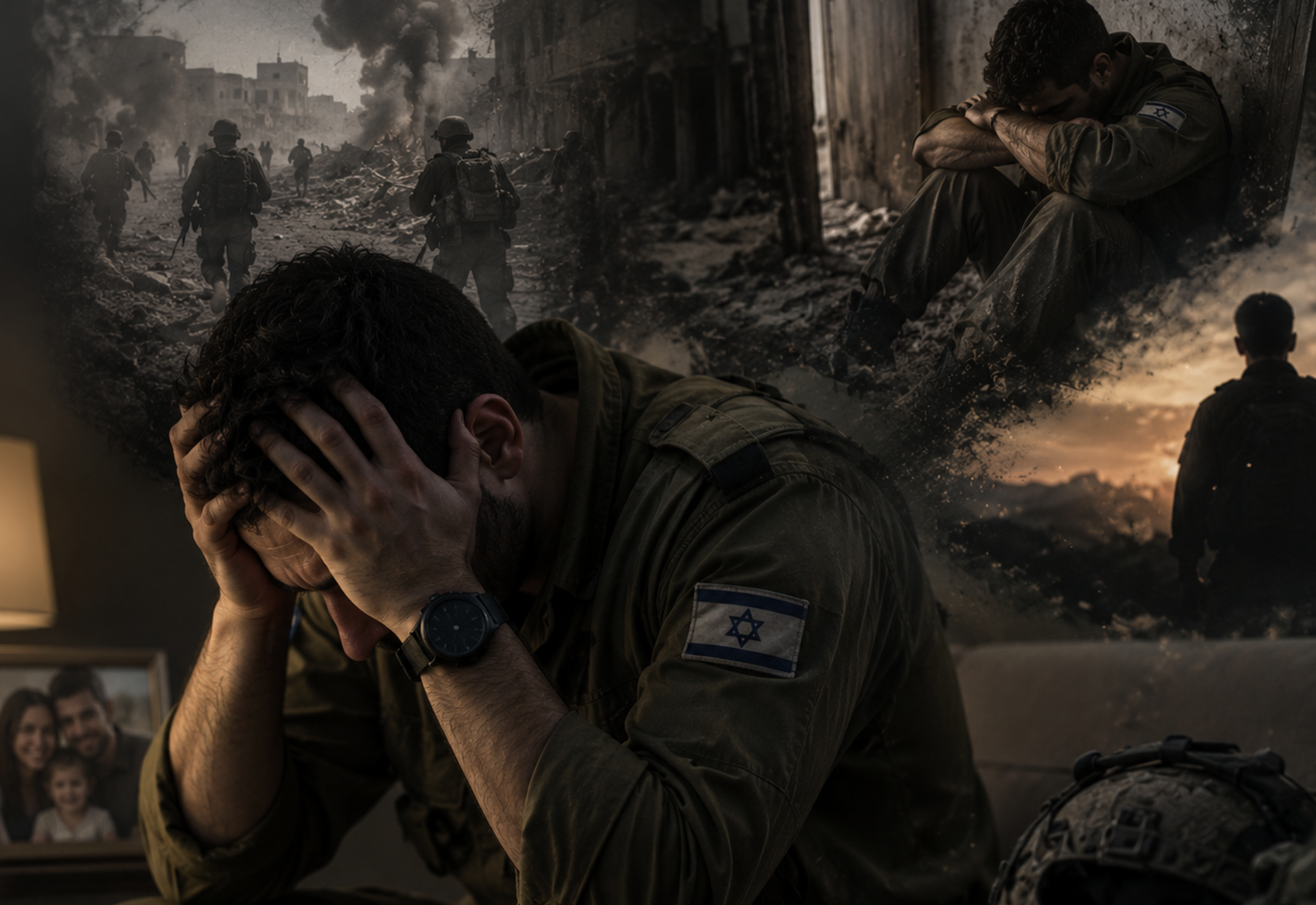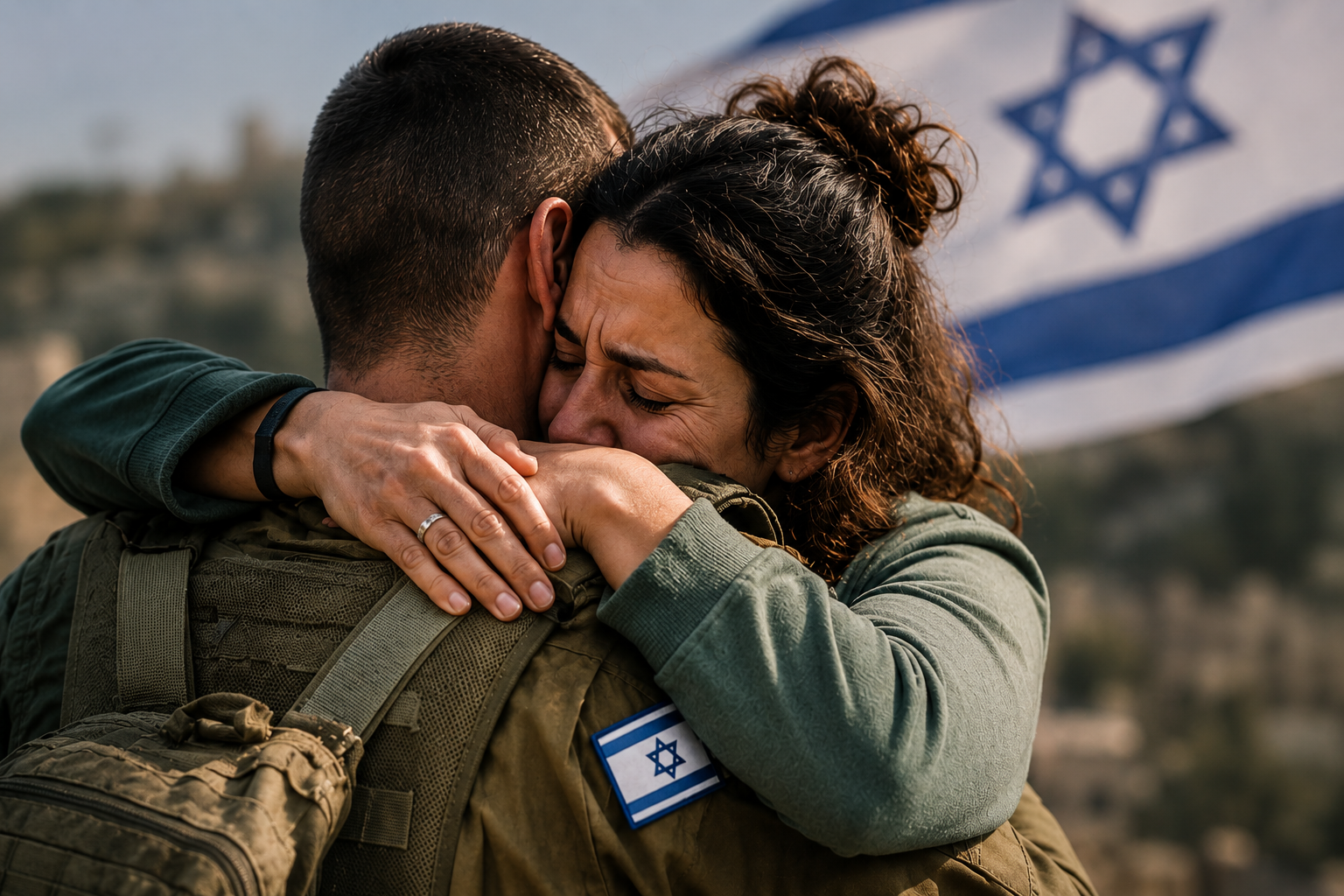

A threat can develop in minutes. A wounded responder may need an individual first aid kit before the next patrol. A family displaced by an attack may need immediate support. A trauma survivor may need access to a qualified clinician before fear hardens into isolation. Rapid response donation campaigns exist for this reality: they turn urgent support into equipment, care, and protection while the need is still urgent.
For donors who care deeply about Israel, speed is not a marketing claim. It is part of the mission. The difference between a delayed decision and decisive action can be measured in preparedness, resilience, and lives protected.
Urgency Must Lead to Useful Action
Not every emergency requires the same response. A unit operating near a high-risk area may need ballistic eyewear, thermal cameras, or drones that improve situational awareness. Civilian communities may need protective equipment, emergency supplies, or trauma support. Resiliency centers may need resources to expand access to PTSD treatment and telehealth psychiatric care.
The first discipline of an effective campaign is defining the need precisely. Broad appeals can create attention, but attention alone does not protect anyone. A campaign should identify what is needed, who needs it, why it matters now, and what the funding will make possible.
That clarity gives donors a real decision. They are not being asked to contribute to a vague emergency. They are being invited to help fund an IFAK kit, equip a defender with critical protective gear, strengthen surveillance capacity, or accelerate care for someone carrying the weight of trauma.
How Rapid Response Donation Campaigns Work
A credible rapid-response model follows a simple operating sequence: define, source, deliver. It sounds direct because it has to be.
First, teams on the ground identify an immediate operational or humanitarian gap. The information must come through trusted channels, with enough specificity to distinguish a pressing need from a general preference. In a crisis, bad information wastes more than money. It can cost time that people do not have.
Next comes sourcing. The goal is not merely to find an item quickly. It is to find vetted equipment or clinical support that fits the actual need, meets required standards, and can be acquired without unnecessary delay. A cheap product that fails under pressure is not a bargain. Neither is a well-intended donation held up by avoidable logistics.
Then comes delivery. Aid has value only when it reaches the people and places it was intended to serve. This requires coordination with trusted vendors, local organizations, relevant authorities, and frontline partners. It also requires practical discipline: confirming quantities, handling transport, documenting distribution, and adjusting as conditions change.
That is why speed and accountability are not competing goals. Done properly, accountability makes speed possible. Trusted relationships, verified vendors, and direct communication reduce the time lost to uncertainty.
Fast Does Not Mean Careless
Donors should expect urgency, but they should never be asked to abandon discernment. The strongest campaigns avoid two failures that often appear during a crisis: bureaucracy that paralyzes action and emotion that bypasses verification.
A responsible organization moves with purpose while maintaining controls. It validates requests, prioritizes life-saving needs, selects reliable sourcing channels, and tracks what was delivered. There will always be trade-offs. Some equipment may be available faster from one supplier but require a higher cost. A local request may be urgent, while another may protect more people over a longer period. These are difficult choices, not reasons to wait.
The question is not whether every crisis decision can be perfect. It cannot. The question is whether the people making decisions have the proximity, experience, and operational discipline to act intelligently under pressure.
For Israel Friends, that means treating donations as mission resources, not abstract dollars. Every contribution should move toward a defined outcome: a defender better equipped, a community more prepared, or a survivor connected to care.
What Donors Should Look For
A rapid campaign earns trust by being concrete. Strong messaging names the problem without exploiting it, explains the proposed intervention, and gives supporters a reason to believe the response can happen quickly.
Look for a clear connection between the donation and the outcome. If a campaign supports protective technology, it should explain the capability being strengthened. If it funds trauma care, it should show why fast access to treatment matters. If it provides emergency equipment, it should communicate who will receive it and how the equipment supports readiness or survival.
Donors should also value updates that reflect operational reality. In some situations, security concerns limit what can be shared publicly and when. That is reasonable. Transparency does not mean revealing details that could endanger defenders or communities. It means communicating honestly about the need, the work underway, and the impact achieved whenever doing so is safe.
A campaign should make supporters feel the seriousness of the moment, but never manipulate them. Moral clarity is stronger than spectacle. The most compelling appeal is often the simplest one: a real need has been identified, a practical solution is ready, and your gift can help put it in place now.
Beyond Equipment: Funding Recovery and Resilience
Protecting lives is not limited to the moment of attack. The effects of violence, displacement, and repeated alerts can continue long after an immediate threat passes. That is why rapid response must also include trauma care.
Fast-access mental health support is a form of protection. PTSD treatment, telehealth psychiatric services, and resiliency programs can help civilians and defenders regain stability before symptoms deepen. The need is often invisible from a distance, but it is no less urgent.
This work requires a different kind of operational speed. Equipment can be sourced and delivered. Care must be accessible, trusted, and appropriate to the individual. Effective campaigns therefore support qualified treatment channels and partners capable of responding without placing unnecessary barriers in front of people seeking help.
The strongest response efforts recognize that security and recovery are connected. A community cannot sustain readiness if its people are left alone with trauma. A defender cannot carry an endless burden without access to care. Donors who fund both immediate protection and recovery are helping Israel remain strong through the full arc of a crisis.
Turning Support Into a Force Multiplier
A donation campaign becomes more powerful when supporters do more than give once. Families can share a specific campaign within their circles. Business leaders can rally teams around a defined need. Community members can organize fundraising efforts tied to measurable outcomes. Volunteers and ambassadors can carry the message with accuracy and conviction.
The goal is not noise. It is focused momentum.
When people understand exactly what their support can accomplish, they can advocate with confidence. They can tell others that the campaign is not waiting for a distant process to unfold. It is mobilizing resources for needs that are active now.
That momentum matters because crises do not operate on convenient schedules. Needs can change overnight. The ability to raise funds, source solutions, and deliver direct support quickly gives frontline communities greater room to respond, adapt, and endure.
Give With Purpose When Time Is the Constraint
The most meaningful gift is often the one that arrives before the window closes. Whether the need is protective gear, advanced surveillance capability, emergency medical supplies, or trauma treatment, rapid support gives people more than resources. It gives them time, readiness, and the knowledge that they are not facing danger alone.
When the next urgent need emerges, ask one clear question: what can be put in the hands of those protecting lives right now? Support that answer with conviction. We do not wait. We act. We protect.