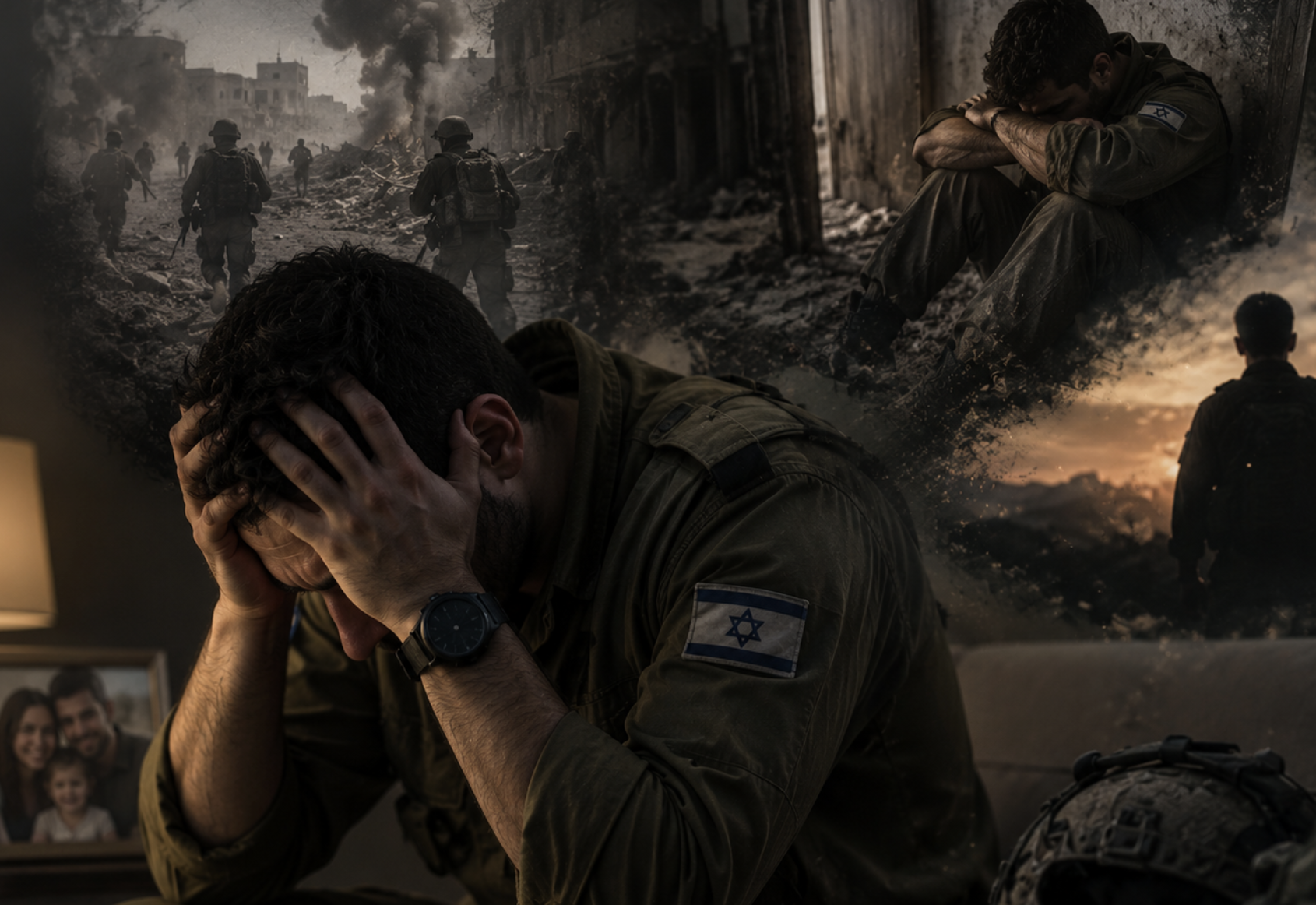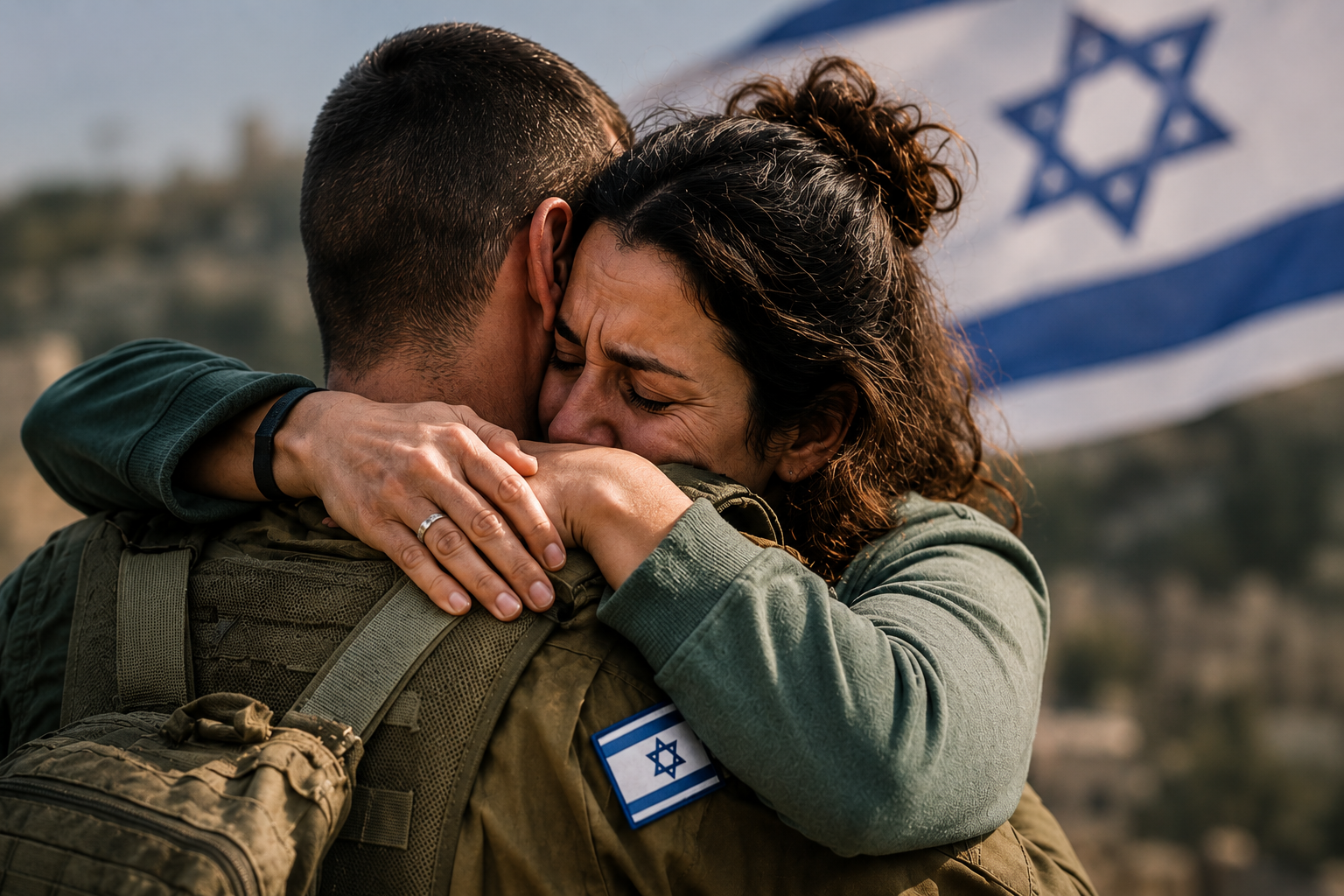

When a family has just left a shelter, a soldier has returned from a devastating deployment, or a community has endured an attack, the need is immediate. But immediate support and long-term healing are not the same service. Understanding trauma therapy versus crisis counseling helps supporters recognize why both must be available, fast, and connected to real people on the ground.
A person in acute distress may need safety, calm, practical direction, and someone who can help them get through the next hour. Months later, that same person may need structured treatment for nightmares, panic, avoidance, grief, or the constant sense that danger is about to return. Treating these needs as interchangeable can leave gaps at the exact moment care matters most.
What separates crisis counseling from trauma therapy?
The clearest difference is purpose. Crisis counseling stabilizes a person during or shortly after an overwhelming event. Trauma therapy addresses the lasting effects that can remain after the immediate emergency has passed.
Neither is a lesser form of care. They operate on different timelines and solve different problems. In a high-threat environment, a strong mental-health response does not force a choice between them. It makes room for both.
Crisis counseling focuses on the immediate moment
Crisis counseling is short-term, practical, and centered on stabilization. A trained professional may help someone regulate intense emotions, identify immediate safety concerns, reconnect with family or community support, and make a plan for the next several hours or days.
The goal is not to process every detail of what happened. Asking a person to relive a traumatic event before they are safe, rested, or ready can be counterproductive. Early support should reduce isolation and confusion without pressuring anyone to tell their story on demand.
For civilians displaced by violence, crisis counseling may happen in a community center, hospital, school, resiliency center, or temporary housing setting. For defenders, it may be offered through an operational support system after an incident or deployment. The format varies, but the mission is consistent: help people regain enough footing to make sound next-step decisions.
Crisis support can also identify when a higher level of care is needed. Someone who cannot sleep for days, is overwhelmed by panic, is using substances to cope, feels detached from reality, or talks about harming themselves needs urgent clinical assessment. If someone is in immediate danger, emergency services or a local crisis response should be contacted without delay.
Trauma therapy treats what persists
Trauma therapy is a clinical process delivered over time by licensed and appropriately trained mental-health professionals. It is designed for people whose nervous systems, relationships, sleep, behavior, or ability to function remain affected after traumatic exposure.
Post-traumatic stress does not always look dramatic. It can show up as irritability with children, numbness at work, avoidance of familiar places, persistent physical tension, intrusive memories, survivor guilt, or a need to control every detail of daily life. Some people struggle right away. Others appear steady during the emergency and begin to feel symptoms weeks or months later.
Effective trauma treatment is not one-size-fits-all. Depending on the person’s needs, a clinician may use trauma-focused cognitive behavioral therapy, EMDR, medication management, group treatment, or another evidence-based approach. The right path depends on symptoms, history, current safety, access to care, and personal preference.
That is why fast access matters. A referral that takes months to become an appointment is not a meaningful response for someone whose life is narrowing under untreated trauma. Telehealth psychiatric care and local treatment partnerships can shorten the distance between asking for help and receiving it.
Trauma therapy versus crisis counseling: choosing the right response
The question is not which service is better. The question is what a person needs now.
In the first hours after a rocket attack or violent incident, crisis counseling may be the appropriate response. The person may need a calm, capable professional who can help them orient themselves, contact loved ones, understand normal stress reactions, and find a safe place to sleep. They may not be ready for intensive treatment, and they do not need to prove that they are suffering enough to receive support.
If symptoms continue, worsen, or disrupt daily life, trauma therapy becomes increasingly critical. A parent who remains unable to enter a grocery store, a first responder who cannot stop replaying a scene, or a defender whose sleep and relationships have collapsed needs more than reassurance. They need sustained, specialized care.
There is also overlap. A crisis counselor can offer grounding techniques and make a referral. A trauma therapist can help a patient manage a fresh trigger or a new emergency. Real life rarely fits clean categories. The distinction matters because it prevents short-term intervention from being presented as a complete answer to long-term trauma.
Speed must be matched with continuity
In a crisis, delay has consequences. Yet speed alone is not enough. A phone line, a single session, or a well-meaning check-in cannot carry someone through complex trauma without a plan for continuity.
The strongest trauma-care systems work in layers. They provide immediate access when fear and confusion are highest, then create a clear path to qualified treatment for those who need ongoing care. They also reduce the barriers that often stop people from seeking help: cost, transportation, stigma, long waitlists, and the belief that others have it worse.
This is especially important in communities facing repeated threats. Trauma is not always one event with a clean ending. Families may endure alarms, displacement, loss, uncertainty, and the strain of caring for children while trying to keep daily life moving. Defenders may return home carrying experiences they cannot easily explain. Care must be available before distress becomes a private battle.
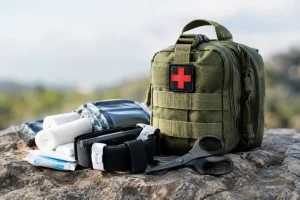
Israel Friends supports rapid-access PTSD and telehealth psychiatric treatment because protective action includes more than physical equipment. Ballistic eyewear, medical kits, surveillance tools, and emergency technology can help save lives in the moment. Trauma care helps protect what comes after: a person’s ability to sleep, work, parent, serve, connect, and rebuild.
What meaningful support looks like
For donors and community partners, the practical takeaway is clear: fund care that reaches people quickly and remains available beyond the first news cycle. A trauma response should have trained providers, trusted referral pathways, privacy safeguards, and the capacity to meet people where they are, including through telehealth when travel or security conditions make in-person care difficult.
Accountability matters here, too. Good programs do not measure success only by the number of calls answered or initial appointments scheduled. They look at whether people can access appropriate follow-up care, whether providers are equipped for trauma, and whether the system can keep functioning when demand rises.
Compassion without operational readiness can become another promise that arrives too late. Operational readiness without compassion can miss the human reality of recovery. The work requires both: urgent response for the person trying to get through tonight, and sustained treatment for the person still carrying the impact months from now.
The most useful question to ask is simple: what would help this person feel safer and more able to live their life tomorrow, next month, and next year? When aid is built around that question, crisis counseling can open the door and trauma therapy can help carry recovery forward.