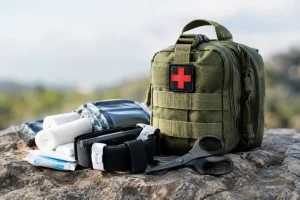

A crisis does not wait for a grant cycle, a committee meeting, or a perfect plan. When defenders need protective equipment, families have been displaced, or a survivor needs trauma care tonight, every dollar must have a clear job. This guide to emergency fund allocation explains how mission-driven organizations can direct emergency support with speed, discipline, and accountability.
For donors, the question is not simply, “How much is being raised?” It is, “What will this funding make possible when time is the difference between vulnerability and protection?” Strong emergency allocation turns generosity into operational capacity: an IFAK kit in the right hands, a thermal camera covering a dangerous gap, or rapid access to care for someone carrying the invisible wounds of war.
Emergency Fund Allocation Starts With Mission-Critical Needs
Emergency funds should not be treated as a general reserve with a vague purpose. They are a readiness tool. Their role is to close urgent gaps before those gaps cost lives, compromise security, or deepen trauma.
The first allocation decision is therefore practical: identify what is needed now, where it is needed, and what outcome the funding can produce. In a high-pressure environment, that may mean protective gear for a specific unit, surveillance technology for an exposed community, or immediate psychiatric support for civilians and defenders who cannot wait weeks for an appointment.
A disciplined organization separates true emergency needs from worthwhile but non-urgent projects. Both may deserve support. But they should not compete for the same rapid-response dollars. Emergency funding is for the moment when delay creates unacceptable risk.
This requires close coordination with trusted partners on the ground. Government agencies, local organizations, medical professionals, security teams, and vetted vendors often see changing needs before they are visible to the public. Good allocation begins by listening to those closest to the threat, then acting on verified information.
Build an Allocation Framework Before the Crisis Expands
The most effective emergency response is prepared before the alarm sounds. A clear framework helps leaders move quickly without allowing urgency to become guesswork.
Start by defining the categories an emergency fund is designed to support. For an organization serving Israel’s defenders and civilians, those categories may include immediate protection, medical and trauma care, intelligence and surveillance capabilities, logistics, and support for displaced families. The exact mix depends on the mission, but the categories should be narrow enough to guide decisions and flexible enough to meet real conditions.
Next, establish a decision standard. A useful question is: will this expenditure materially improve safety, readiness, recovery, or the ability to respond within the required window? If the answer is unclear, it may belong in a longer-term program budget rather than the emergency fund.
Speed matters, but speed without controls can create waste. The answer is not bureaucracy. It is pre-vetting. Build relationships with reliable suppliers before a crisis. Understand pricing, delivery timelines, import requirements, and field usability. Confirm which partners can receive, distribute, and account for equipment. When the need becomes urgent, the organization can define, source, and deliver rather than begin a slow search from zero.
Prioritize by Consequence, Not by Visibility
The most visible need is not always the most urgent one. A compelling public story can generate immediate attention, while a less visible security gap may carry greater risk. Responsible allocation requires leaders to prioritize consequence over headlines.
One way to make this decision is to weigh three factors: immediacy, impact, and feasibility. Immediacy asks whether people face danger or harm right now. Impact asks how many people, locations, or operations could be protected or strengthened. Feasibility asks whether the organization can realistically procure and deliver the solution in time.
For example, ballistic eyewear may be a straightforward, immediate purchase when a unit faces an equipment shortage. A drone or advanced surveillance system may require more coordination, training, and deployment planning, yet could protect a wider area over a longer period. Neither is automatically the better allocation. The right decision depends on the operational need, the delivery timeline, and the consequences of doing nothing.
Trauma care deserves the same urgency as physical protection. An injury that receives prompt medical attention is more likely to heal. The same principle applies to psychological injury. Rapid access to PTSD treatment, telehealth psychiatric care, and resiliency services can prevent a crisis from becoming a lifelong burden. Emergency fund allocation should account for both visible injuries and invisible ones.
Keep Reserves Without Letting Funds Sit Idle
There is a real trade-off in emergency funding: spend too aggressively, and an organization may have no capacity for the next urgent need. Hold too much back, and donors may rightly ask why life-saving resources were not deployed when they were needed.
The solution is a defined reserve policy. Leaders should determine what level of funding is necessary to respond to a credible surge in demand, then establish when reserves can be released. Triggers might include a verified mass-casualty event, evacuation needs, a documented equipment shortfall, or a sudden increase in trauma-care referrals.
A reserve is not a sign of hesitation. It is a commitment to readiness. But it should be reviewed regularly against changing conditions. When threats intensify, the appropriate reserve level may rise. When a campaign brings in restricted support for a specific need, unrestricted emergency funds can remain available for the gaps no one anticipated.
Donors can help by understanding this distinction. Restricted gifts can deliver powerful, tangible outcomes when a need is clearly defined. Flexible support gives rapid-response organizations room to address urgent needs that emerge after the headlines move on. Both forms of giving matter. The strongest emergency posture usually includes both.
Make Accountability Part of the Response
Emergency conditions do not excuse unclear reporting. If anything, urgency raises the standard. Supporters deserve to know how decisions were made, what was delivered, and what their contributions helped accomplish.
Accountability should be operational, not performative. That means documenting verified needs, confirming procurement, tracking delivery, and reporting meaningful outcomes. It does not mean exposing sensitive locations, identities, or security details that could endanger the people being protected. Transparency and operational security must work together.
A useful report answers practical questions: What was the need? What solution was selected? Why was it the right use of emergency funds? When was it delivered? What capability or care did it make possible? Specificity builds trust because it shows that funding followed a clear chain from donor intent to field impact.
At Israel Friends, the standard is direct action: identify urgent needs, source vetted solutions, and get them to the people who need them without bureaucratic delay. That approach does not mean every decision is simple. It means the mission stays clear when conditions are not.
A Guide to Emergency Fund Allocation for Donors
Donors do not need to become logistics experts to give effectively, but they should ask disciplined questions. Look for organizations that can explain their emergency priorities in concrete terms. Ask whether they work through trusted field partners, how they verify needs, and how they balance rapid delivery with responsible oversight.
Be cautious of messaging that relies only on urgency without identifying an intervention. “Emergency” should describe a real operational condition, not a permanent fundraising tactic. A credible organization can communicate urgency while still showing what the funds will do: equip a responder, support a trauma-care pathway, strengthen a community’s security, or provide immediate relief to people under threat.
The most valuable support is often the support that allows an organization to act before a need becomes catastrophic. That is why recurring giving, emergency reserves, and flexible donor support can be so powerful. They turn compassion from a reaction into readiness.
When the next call comes, the goal is not to have the perfect statement. It is to have the right resources moving toward the right people. Give with that standard in mind: clear need, verified solution, fast delivery, and protection that reaches people when it matters most.