A family in a border community should not have to choose between staying connected to home and staying alive. Yet the emerging threats to Israel border communities are forcing civilians, local security teams, and first responders to operate under a new reality: danger can arrive quickly, from multiple directions, and leave damage that continues long after an alert ends.
This is not only a question of fences, patrols, or emergency response. It is a question of whether a community has the tools to detect risk early, protect people in the first critical minutes, and recover with the strength to remain rooted where it belongs.
Emerging Threats to Israel Border Communities Are Changing
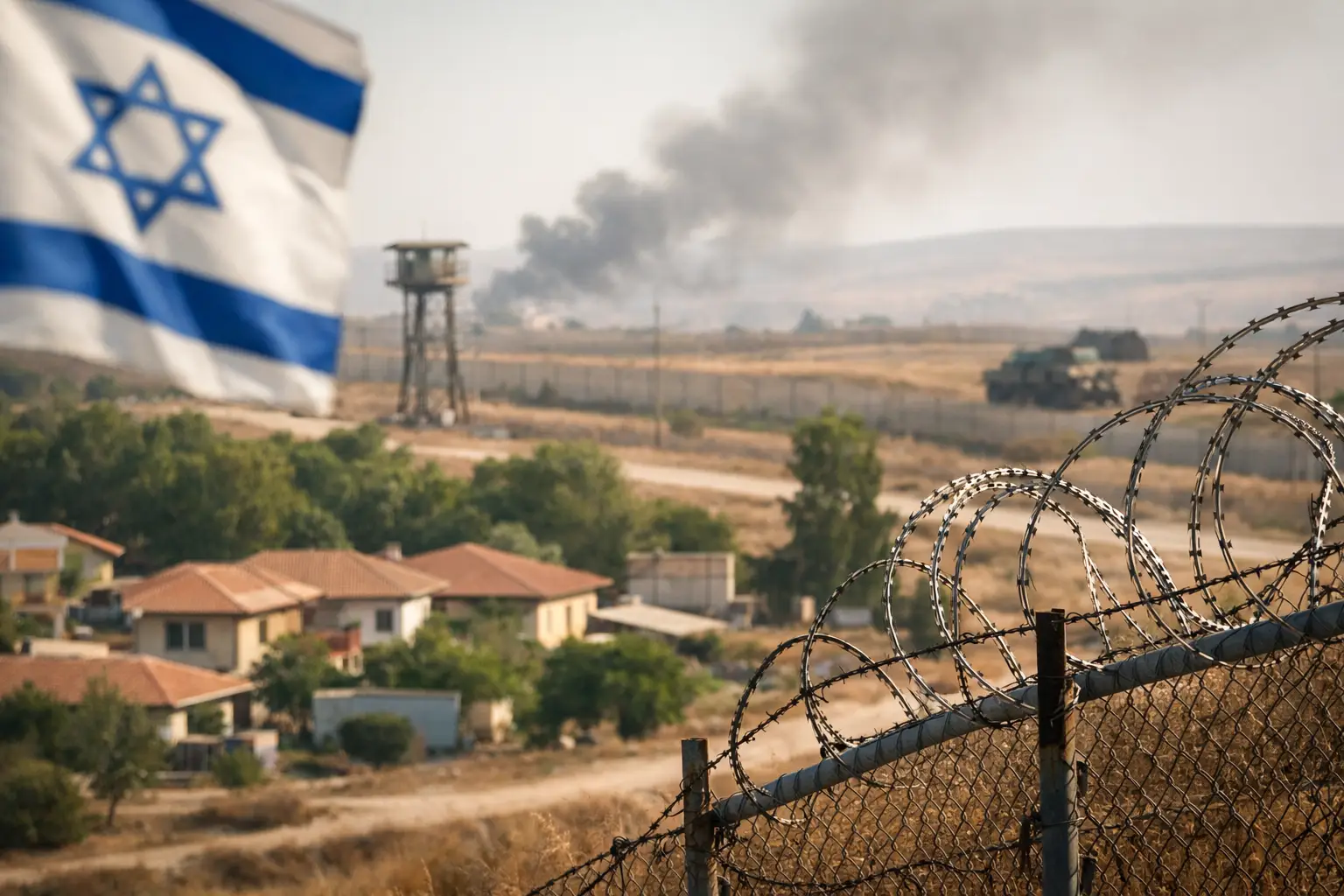
The threat environment facing Israel’s border regions is no longer defined by a single scenario. Communities near Gaza, Lebanon, Syria, and the West Bank face different conditions, but they share a hard operational truth: threats are becoming more adaptive, more technologically enabled, and more psychologically disruptive.
Armed infiltration remains a central concern. It can take advantage of confusion, gaps in situational awareness, or the simple fact that rural communities are spread across roads, fields, schools, and homes. The goal is not always a prolonged engagement. A short, violent breach can overwhelm an unprepared community and create lasting trauma.
Drones have also changed the equation. Small unmanned aircraft can be used for observation, targeting, disruption, or direct attack. Their low cost and accessibility mean that communities need layered awareness, not the assumption that danger will be obvious from the ground. Thermal cameras, surveillance systems, trained observers, and responsible drone capabilities can help local teams see more clearly when visibility is poor or seconds matter.
Then there is the continued threat of rockets, missiles, and mortar fire. Warning systems and shelters save lives, but repeated alerts create their own burden. Parents learn to calculate the distance to a protected room. Children become sensitive to sounds that should be ordinary. Businesses, schools, farms, and community life absorb the disruption day after day.
The most serious challenge is the combination of these risks. A community may need to respond to an alert, a communications outage, a suspected drone, and a medical emergency at nearly the same time. Preparation cannot be built around one perfect script. It must be flexible enough to work when conditions are chaotic.
Security Starts Before the Emergency
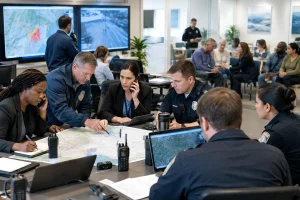
The first minutes of a crisis are not the time to discover that medical kits are incomplete, radios are not charged, cameras have blind spots, or volunteers have not trained together. The practical work of protection happens beforehand, through planning that is local, tested, and continuously updated.
For border communities, readiness begins with a clear picture of the specific risks they face. A town near an open agricultural area has different exposure than a dense neighborhood near a major road. A school, an elder-care facility, and a volunteer medical team each require different contingency plans. There is no one-size-fits-all security package, and anyone promising one is not taking the mission seriously.
What does translate across settings is the need for layered capability: early warning, reliable communication, protected spaces, trained local responders, medical supplies, and a way to coordinate with regional authorities. Each layer compensates when another layer is strained. That redundancy can turn confusion into action.
The Equipment Gap Is a Human Gap
Protective equipment is often discussed as inventory. On the ground, it is time, confidence, and survival. An individual first aid kit can give a trained responder the ability to control bleeding before an ambulance arrives. Ballistic eyewear can protect the vision of someone moving through debris or hostile conditions. A thermal camera can help identify movement where darkness would otherwise conceal it.
These tools are not substitutes for professional security forces. They are force multipliers for the civilians, emergency personnel, and local teams who may have to hold the line until additional support arrives. The right equipment, placed with the right people and backed by training, closes a gap that cannot be closed with good intentions alone.
The trade-off is real. Technology without maintenance becomes dead weight. Equipment without training can create false confidence. Systems that are too complex may fail under stress. That is why the strongest approach is not simply buying more. It is defining the need, sourcing vetted solutions, delivering them to the people who will use them, and ensuring they fit the actual operating environment.
Trauma Is an Active Security Challenge
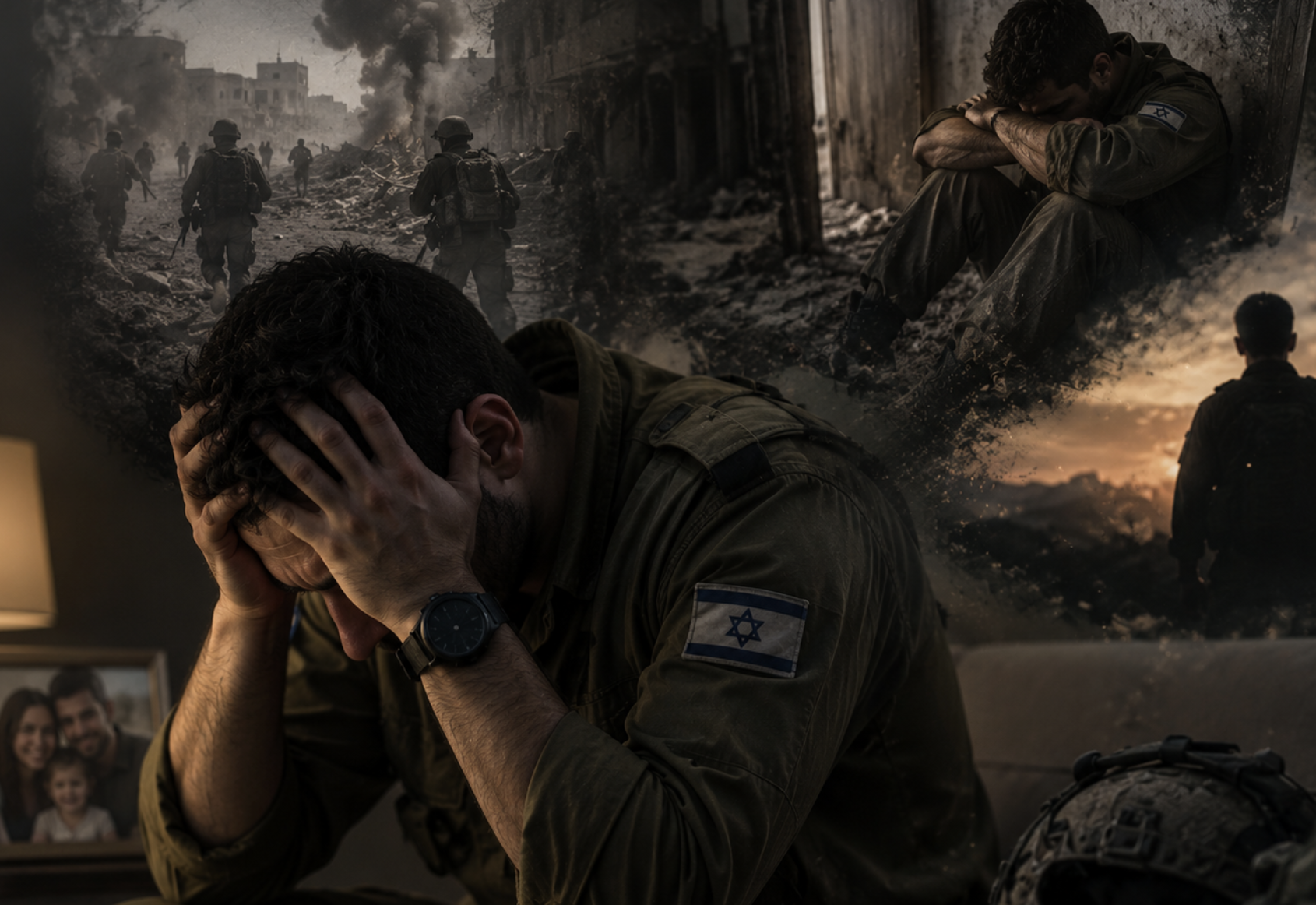
A community can appear intact after an attack while carrying deep injuries that do not show in photographs. Trauma affects sleep, concentration, family relationships, work, decision-making, and the willingness to remain in a place that feels unsafe. Left untreated, it can hollow out a community from within.
For children, the effects can be especially acute. A child who has experienced repeated alarms, displacement, or violence may struggle long after physical danger has passed. Parents and teachers need support too. They are expected to create calm while managing their own fear, grief, and exhaustion.
This is why trauma care belongs in the same conversation as cameras, medical kits, and protective gear. Fast-access PTSD treatment, telehealth psychiatric care, and community-based resiliency programs can help people regain stability without waiting months for help. The goal is not to ask people to be unaffected by the unbearable. It is to give them practical pathways to heal, function, and stay connected to one another.
Speed matters here as much as it does in a medical response. Early care can reduce the likelihood that acute stress becomes a longer-term crisis. But the right model depends on the person. Some need confidential one-on-one clinical care. Others benefit from family support, group programs, or services delivered through schools and local resiliency centers. Effective aid respects that difference.
Civilian Readiness Must Be Built With Communities
Border residents are not passive recipients of security decisions. They know the roads, routines, vulnerabilities, and needs of their own communities. Their experience should shape planning, procurement, and response.
That means listening to local emergency squads, medical volunteers, school leaders, municipal officials, farmers, and families. It means recognizing that a request for a radio, a trauma counselor, or a surveillance upgrade may reflect a hard-earned understanding of what has failed before. The people closest to the threat often identify the need first.
A serious support model acts on that intelligence quickly. Bureaucratic delay is not neutral when a community is exposed. Funds that sit idle, equipment that arrives months late, or programs designed far from the field can leave avoidable gaps. Accountability still matters. Every solution should be vetted, targeted, and measurable. But urgency and discipline are not opposites. They are the standard.
Israel Friends operates with that standard: identify urgent needs, source practical solutions, and deliver support directly to defenders and civilians facing real risk. Whether the need is life-saving medical equipment, advanced protective technology, or trauma care, the measure of success is concrete impact where it is needed most.
What Meaningful Support Looks Like
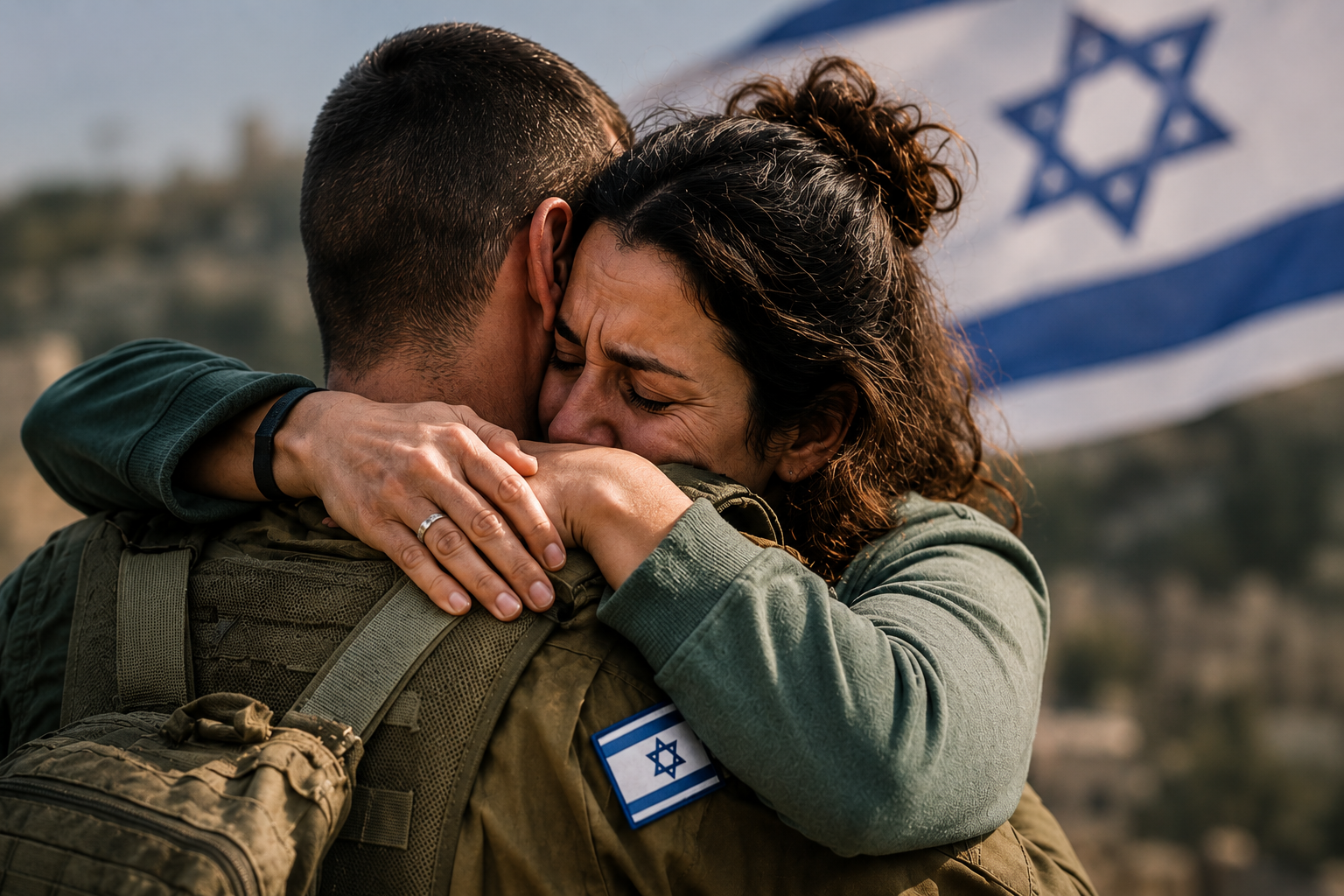
For supporters in the United States and across the global Jewish community, the distance can feel overwhelming. The most meaningful response is not helpless concern. It is focused action that strengthens the people living on the front line.
Effective support prioritizes capabilities that can be used now: medical readiness for the first response, protective tools that improve awareness, and mental-health care that reaches people before suffering hardens into isolation. It also supports the local networks that make equipment and treatment effective – the volunteers, clinicians, municipal teams, and community leaders who keep showing up.
Donors should expect clarity. What problem is being addressed? Who will receive the support? How quickly can it be deployed? What changes when it arrives? Those are not administrative questions. They are the questions that keep generosity tied to outcomes.
The threats may evolve, but the responsibility is clear. Border communities need more than promises that they will not be forgotten. They need practical protection, trusted care, and partners willing to move at the speed of the emergency. Every prepared responder, supplied medical kit, functioning camera, and supported family helps make one message unmistakable: these communities are not standing alone.