When a community is under attack, the distance between a donor’s decision and an item reaching the field can determine whether help arrives in time. This guide to conflict zone philanthropy is for people who refuse to let urgency become an excuse for waste, vague promises, or unverified claims. Effective giving in a war zone demands both moral clarity and operational discipline.
The need is immediate: civilians require trauma care, families need basic support, and defenders may need protective equipment that helps them complete life-saving missions. But urgency does not eliminate the donor’s responsibility to ask hard questions. It raises the standard. The goal is not simply to give quickly. It is to fund work that can define the need, source the right solution, and deliver it where it is needed most.
Conflict Zone Philanthropy Is Different
Conflict-zone giving is not traditional charitable giving with a more urgent headline. Conditions shift by the hour. Supply routes can close. Communications can fail. A need identified in the morning may change before nightfall. In that environment, the organizations that create real impact are not those with the most polished language. They are the ones with trusted field relationships, active procurement capabilities, and the authority to move.
That creates a difficult but necessary balance. Donors should expect speed, but not recklessness. They should expect transparency, but understand that publishing precise locations, routes, names, or inventory details can endanger recipients and compromise operations. The strongest organizations explain their decisions clearly while protecting information that must remain secure.
A blanket, unrestricted donation can be valuable when an organization has earned trust and can redirect resources as conditions evolve. Designated giving can also be powerful when a specific need is urgent and verifiable, such as trauma kits, ballistic eyewear, thermal equipment, emergency food, or fast-access mental health care. Neither model is automatically better. It depends on whether the organization has demonstrated that it can turn funding into verified, mission-critical results.
Start With the Need, Not the Emotion
Emotion belongs in philanthropy. It is often what moves a person from concern to action. But it cannot be the only decision-maker. Images of destruction and accounts of loss should lead to a sharper question: what will this contribution actually do in the next days, weeks, or months?
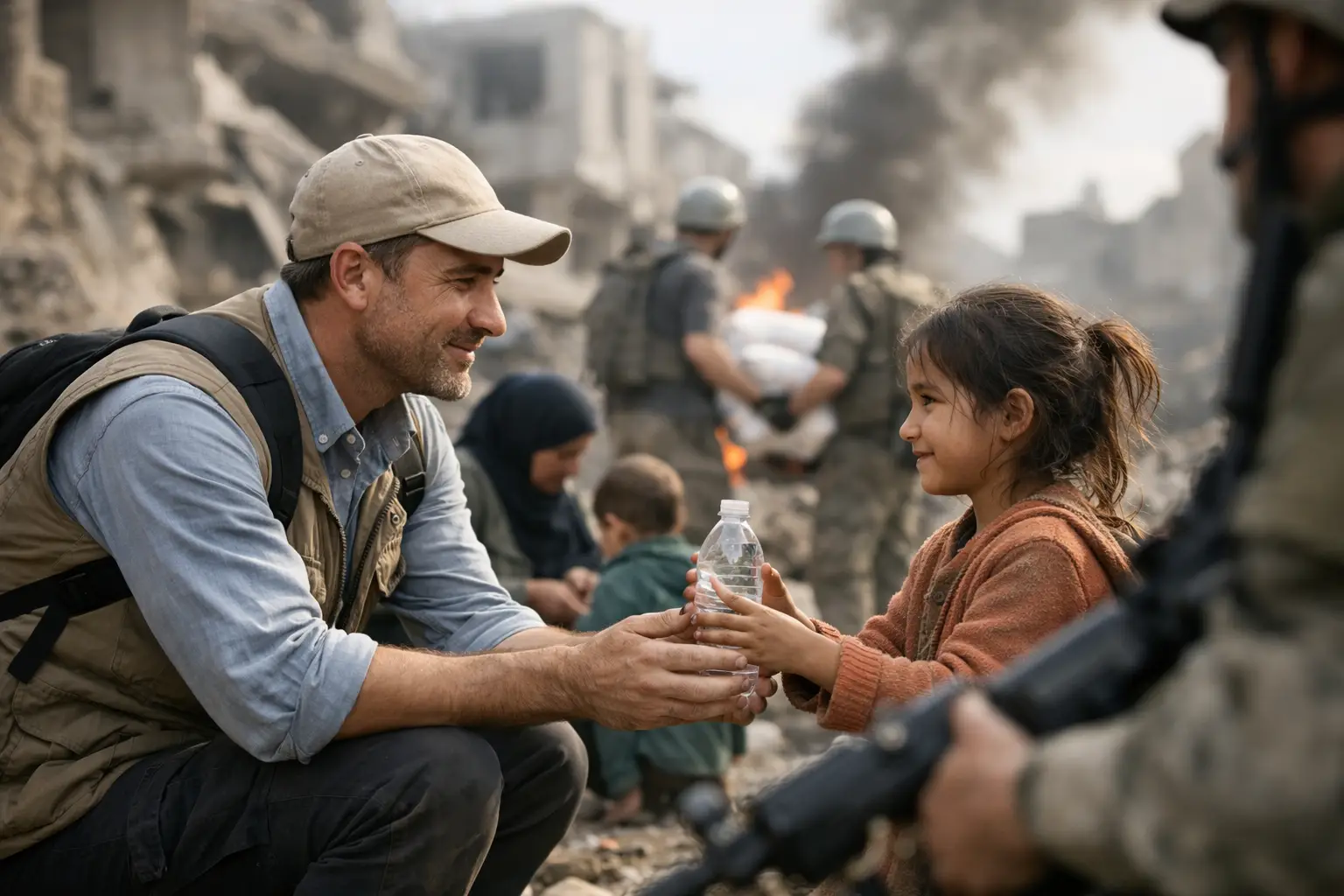
In a conflict zone, needs generally fall into three connected categories: immediate protection, emergency stabilization, and long-term recovery. Protection can include medical supplies, protective gear, surveillance tools, communications equipment, or other resources that reduce risk for civilians and frontline personnel. Stabilization may include food, shelter, transport, evacuation support, and emergency family assistance. Recovery includes trauma treatment, psychiatric telehealth, community resiliency programs, and support for people whose lives have been disrupted long after the first emergency response.
The best giving strategy does not treat these categories as competitors. A trauma kit may save a life in minutes. A PTSD treatment program may help someone reclaim daily life months later. Protective technology can prevent an attack, while emergency relief helps a family endure its immediate consequences. Strong conflict-zone philanthropy funds the full chain of survival and recovery.
How to Vet a Conflict-Zone Organization
A trustworthy organization should welcome serious questions. You do not need to become a logistics expert before giving, but you should be able to understand how money moves from donation to outcome.
Ask how the organization identifies needs. Is it working through direct relationships with local communities, medical partners, government agencies, security professionals, or vetted nonprofit networks? Is there a clear process for determining what is truly urgent, rather than simply responding to the loudest request?
Then ask how it sources and delivers aid. A promise to provide equipment means little without procurement capacity, quality control, and a delivery plan. In high-risk environments, the wrong product can be ineffective or dangerous. A credible organization knows the difference between generic supplies and field-ready tools, and it has systems for getting those tools into the right hands.
Finally, ask what proof it can provide after delivery. Proof may include documented handoffs, recipient confirmation, operational reports, photographs that do not compromise security, or updates tied to a defined campaign. No organization can share every detail in a live conflict environment. Still, donors should see evidence that resources were deployed, not merely announced.
Here are four signals worth looking for:
- Clear descriptions of the need, the intervention, and the intended recipient group.
- Established local partnerships and procurement relationships, rather than improvised claims of access.
- Financial accountability that explains how funds are allocated and how priorities change.
- Outcome reporting that connects donations to delivered equipment, care provided, or people served.
Fund What Can Move at the Speed of the Crisis
A donation is only as effective as the organization’s ability to act on it. In a conflict zone, logistics is not back-office administration. It is part of the humanitarian mission.
That means operational overhead should be understood with nuance. Low overhead can be a sign of efficiency, but an organization with no investment in sourcing, verification, warehousing, field coordination, cybersecurity, and reporting may not be prepared to deliver at scale. The right question is not whether every dollar bypasses operations. The right question is whether operations make every mission dollar more effective.
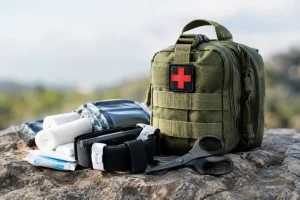
Direct procurement is often one of the clearest examples. If a field partner identifies a shortage of individual first aid kits, the organization must confirm specifications, locate qualified vendors, purchase quickly, transport securely, and document delivery. Each step requires expertise. The donor is not funding bureaucracy for its own sake. The donor is funding the capability to act before the window closes.
Israel Friends approaches this work with a direct operating model: identify urgent needs, source vetted solutions, and deliver them without unnecessary delay. That mindset matters because in a crisis, a well-intended pledge does not protect anyone. Delivered capability does.
Do Not Treat Trauma Care as an Afterthought
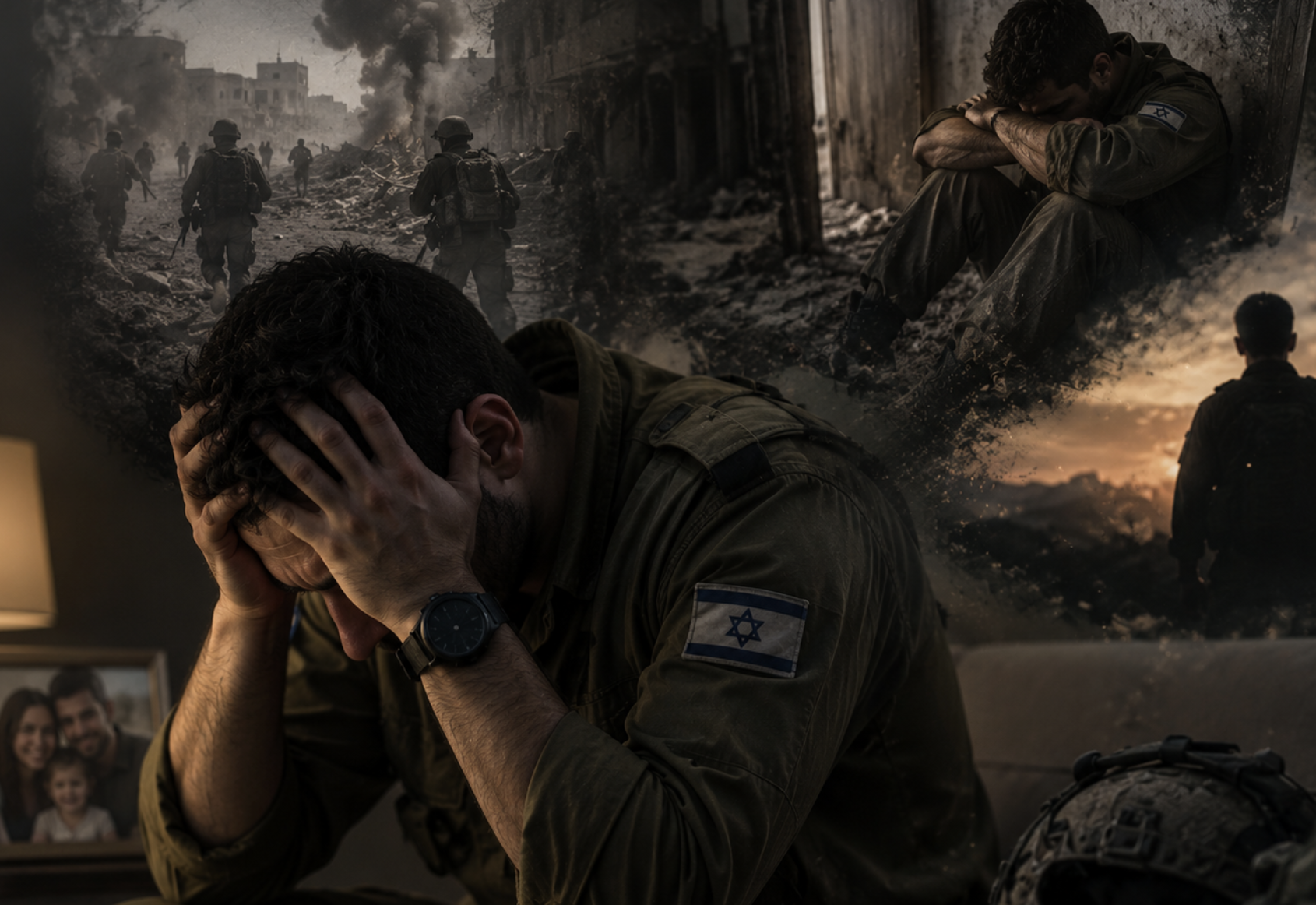
Many supporters instinctively give to visible emergency needs first. That instinct is understandable. Protective equipment, ambulances, and medical supplies are concrete and urgent. Yet the psychological injuries of conflict can be just as destabilizing, especially when civilians, first responders, and defenders have endured repeated attacks, displacement, loss, and uncertainty.
Trauma care should be practical, accessible, and fast. Waiting months for an appointment is not an adequate response for someone experiencing acute stress, panic, grief, insomnia, or post-traumatic symptoms. Programs that connect people to licensed care, telehealth psychiatric support, community resiliency centers, and rapid intervention can prevent suffering from becoming more deeply entrenched.
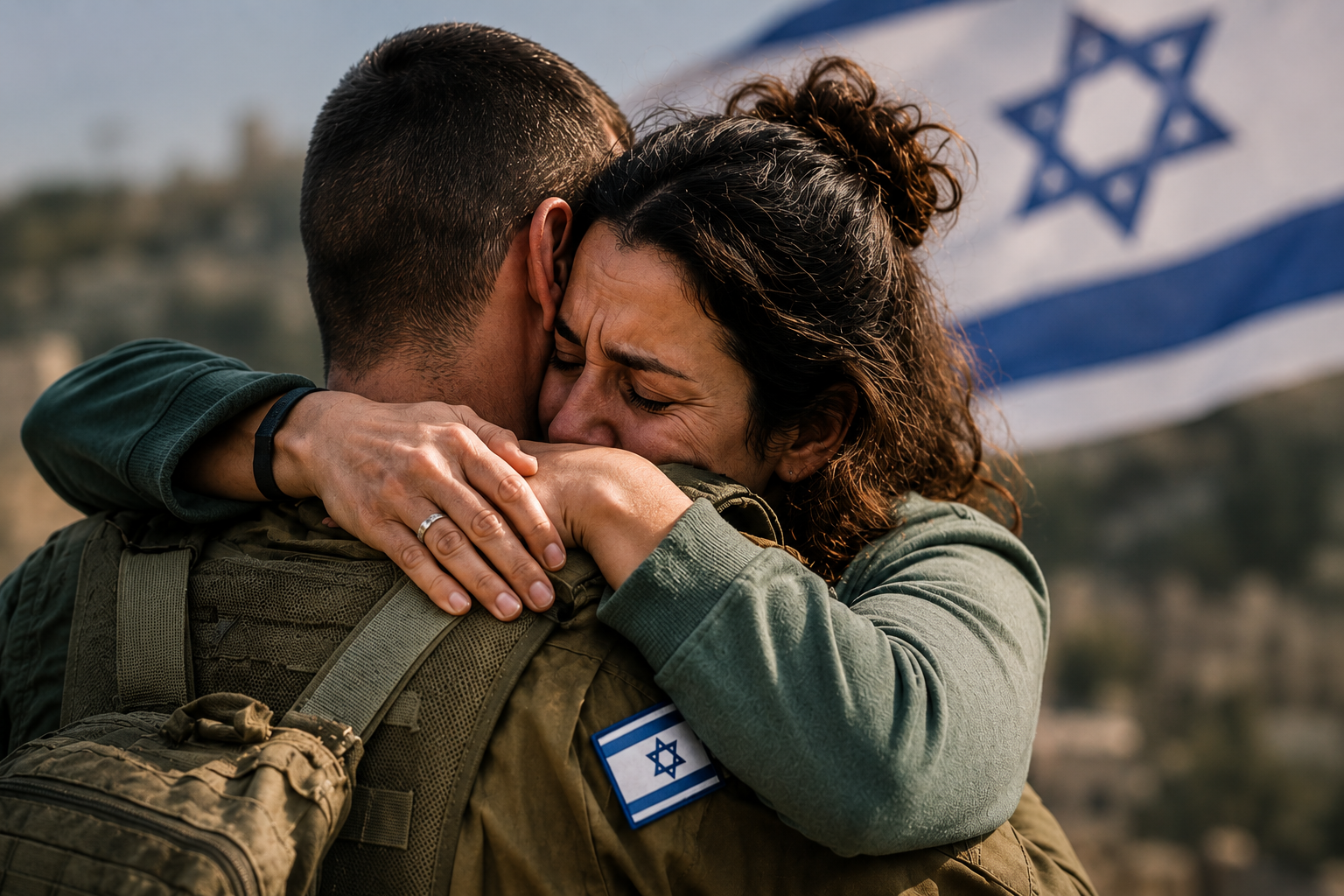
Donors should look for mental health programs that respect privacy and measure access. The number of sessions funded matters. So does the time between a request for help and a clinical response. A person who receives care quickly is not a statistic. They are a parent, soldier, medic, teacher, or survivor with a real chance to stabilize and continue forward.
Give With Purpose, Then Stay Engaged
One-time emergency donations matter. Recurring support matters even more when a conflict stretches beyond the first weeks of public attention. Needs do not disappear when headlines move on. Equipment must be replenished. Families continue rebuilding. Trauma treatment continues. Security threats evolve.
If you are able, build a giving plan that combines immediate action with sustained support. You might direct one contribution toward a defined emergency need and commit ongoing support to flexible response capacity or trauma recovery. Families, businesses, synagogues, community groups, and mission-aligned entrepreneurs can also amplify their impact by organizing campaigns around a concrete, verifiable objective.
Engagement is more than a transaction. Share credible updates. Invite others to support a specific mission. Volunteer skills that strengthen fundraising, communications, procurement, or community outreach. The strongest donor networks do not wait for someone else to respond. They create momentum when it is needed.
The next time a crisis demands your attention, do not settle for symbolic concern. Choose an organization that can show you the need, explain the plan, protect the people it serves, and move with purpose. In conflict zones, disciplined generosity is not passive support. It is a way to put protection, care, and hope into motion.