A family forced from home does not experience displacement as a headline. It is a child sleeping in an unfamiliar room, a parent trying to replace medication, an elderly neighbor separated from a support network, and a household making impossible decisions with limited information. Knowing how to support displaced families begins with seeing the full emergency: immediate safety matters, but so do stability, dignity, and the ability to rebuild.
When communities face conflict, terror, or sudden evacuation, the most effective response is not vague concern. It is disciplined action. Define the need, source what works, and deliver help through trusted people who are already on the ground.
Start with what families need right now
The first days of displacement are about reducing danger and restoring basic control. Families may arrive with only a bag, no access to their usual pharmacy, no reliable transportation, and no certainty about when they can return. Aid that is fast but poorly matched can create clutter instead of relief. Aid that is targeted can steady a family at its most vulnerable moment.
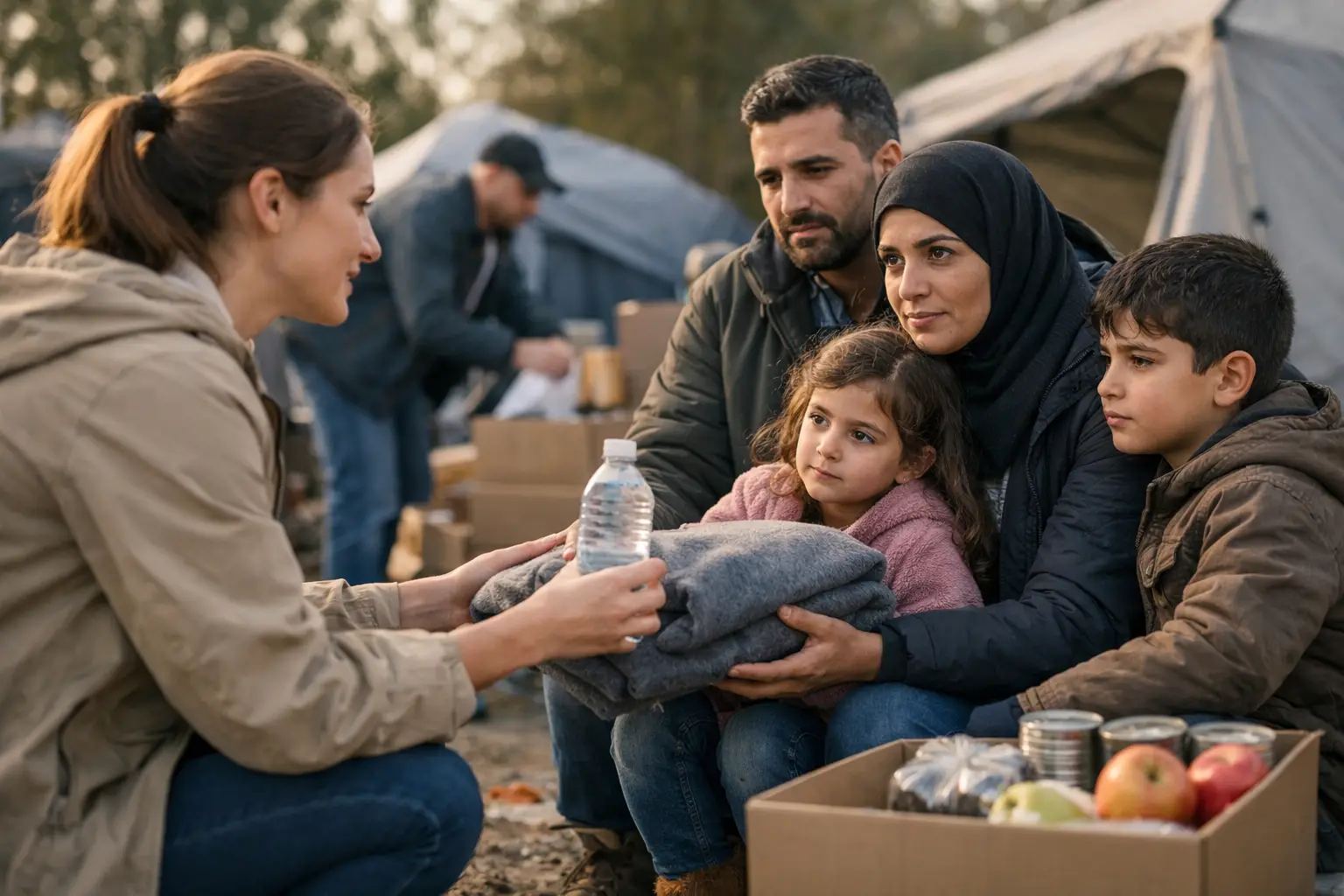
The priority is safe shelter, food, clean water, hygiene supplies, medication access, infant essentials, and reliable information. These needs sound simple, but they must be delivered in ways that fit the setting. A family in a hotel may need transportation, school supplies, and meal support. A family in temporary housing may need bedding, cooking equipment, power banks, and access to laundry. A community near an active threat zone may also need protective equipment, communication tools, and security resources.
Cash support can be powerful when local markets are functioning and families can safely shop. It gives parents choice and preserves agency. But where supplies are scarce, roads are closed, or prices are volatile, direct delivery of vetted essentials may be the faster and safer option. The right answer depends on conditions on the ground, not on what is easiest to fund from far away.
How to support displaced families without creating more burden
Good intentions can unintentionally add pressure. Families who have lost routine should not have to navigate a maze of forms, repeat traumatic details to multiple organizations, or sort through donations they cannot use. Support should lower the number of decisions a family must make.
That means backing organizations with direct local coordination, clear distribution plans, and the ability to adapt daily. Ask practical questions before giving: Who identifies the need? How quickly can resources reach families? What happens if the need changes tomorrow? How is duplication prevented? Can the organization show what was delivered and why it mattered?
Accountability is not a distraction from compassion. It is compassion with a plan. Donors deserve to know that resources are being converted into food, protective equipment, transport, trauma care, or emergency housing support with as little delay and waste as possible.
Material aid should also protect dignity. New underwear, hygiene products, culturally appropriate food, baby supplies, and private access to showers may not look dramatic in a campaign image, but they matter deeply. Displaced people are not passive recipients of rescue. They are parents, workers, students, caregivers, and community members trying to hold their lives together.
Treat trauma care as emergency care
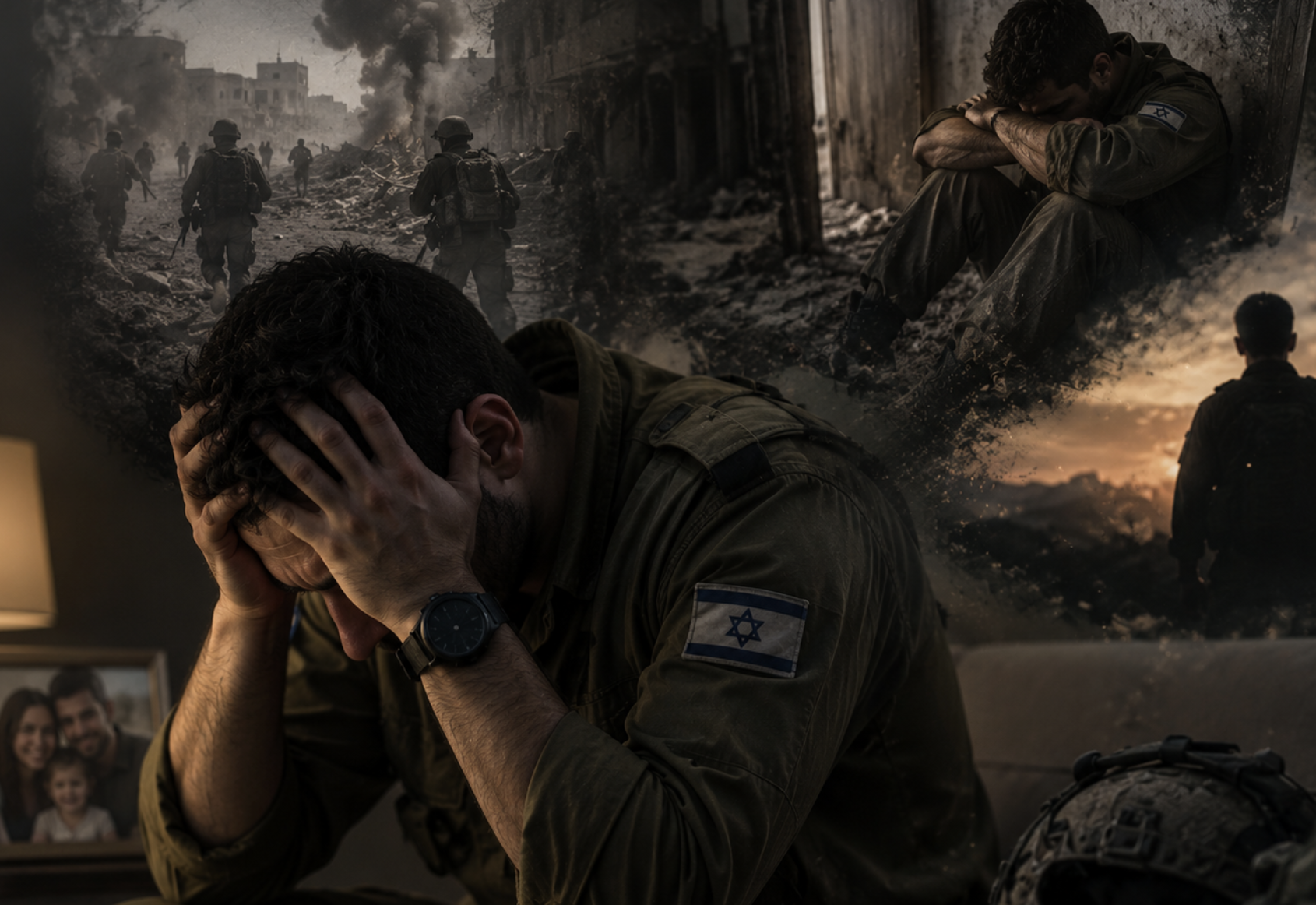
A safe room does not automatically create safety in the mind. Displacement after violence or prolonged threat can bring panic, grief, insomnia, anger, withdrawal, and a constant sense of alertness. Children may regress, struggle in school, or become unusually quiet. Parents may focus so intensely on practical survival that their own distress goes untreated.
Trauma care belongs in the early response, not months later when a crisis has faded from public attention. Fast access to qualified mental health professionals, telehealth psychiatric support, group resiliency programs, and culturally informed care can help families regain stability before symptoms become more entrenched.
This work requires care and discretion. Not every family will want the same kind of support, and no one should be forced to publicly share their trauma to receive help. The best programs offer choices: private counseling, family support, child-centered services, peer groups, and referrals for more intensive treatment when needed.
Practical assistance and mental health support reinforce each other. A parent cannot easily attend therapy without childcare or transportation. A child cannot focus in counseling when the family lacks food or a stable place to sleep. Effective response teams coordinate both needs instead of treating them as separate missions.
Support the systems that help communities recover
Displaced families need more than a one-time delivery. They need the local systems around them to keep functioning under pressure. Schools need resources to absorb new students. Community centers need staff and supplies. Clinics need capacity. Local leaders need real-time visibility into where needs are growing.
This is where operational support has outsized impact. Communication devices, surveillance tools, emergency vehicles, medical supplies, thermal cameras, and other protective technology can help communities detect threats, coordinate response, and protect civilian areas. The goal is not simply to react after harm has occurred. It is to reduce the likelihood that families are placed in danger again.
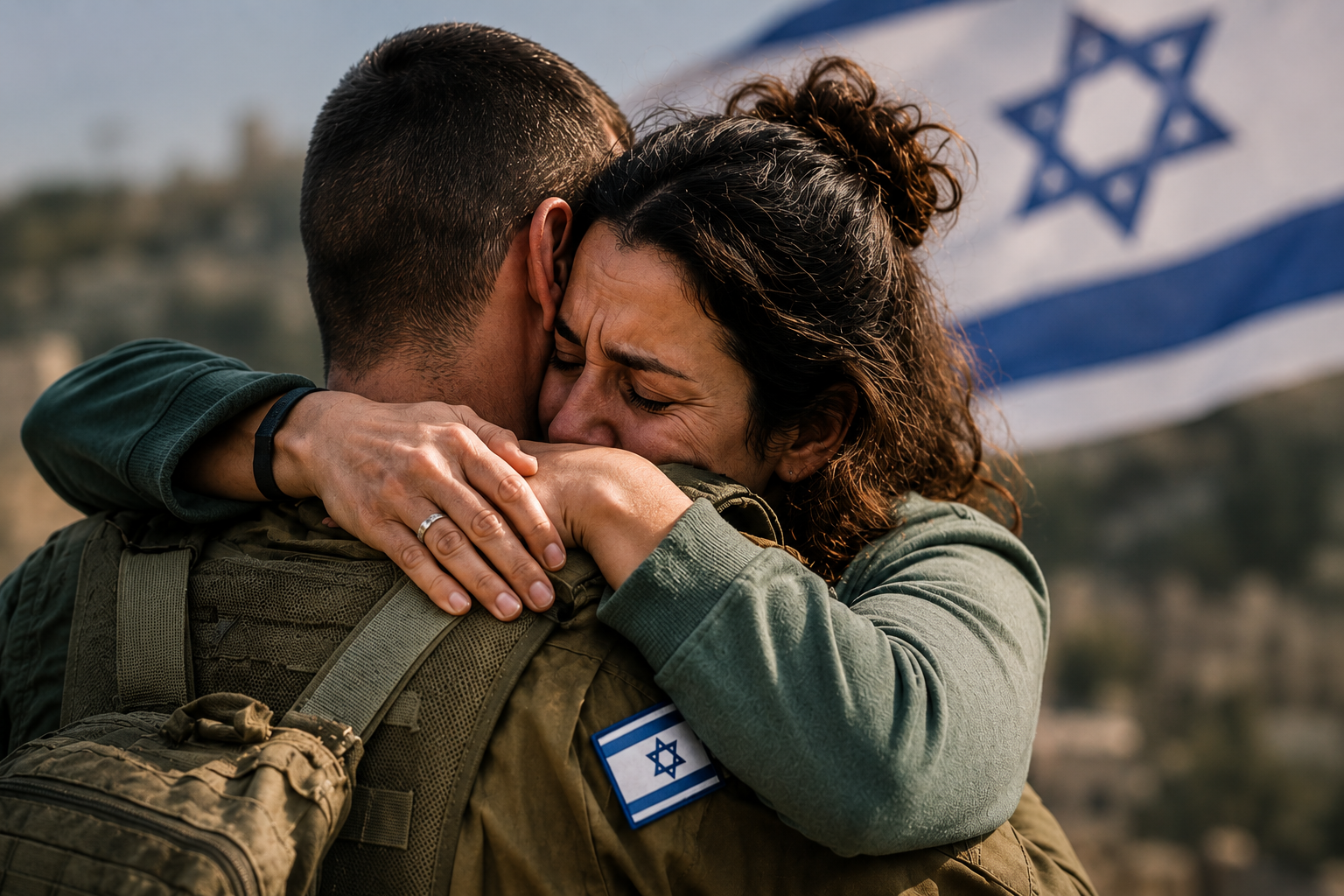
For supporters of Israel, this means recognizing that civilian resilience and frontline readiness are connected. When defenders have mission-critical equipment and communities have reliable emergency infrastructure, families have a stronger chance to shelter safely, receive help quickly, and return to stability. Israel Friends works in this space by moving from urgent need to vetted solution to direct delivery, without treating bureaucracy as an acceptable substitute for action.
Give in a way that can move at the speed of the emergency
A useful donation is not defined only by its size. It is defined by whether it can be deployed where the need is most acute. Recurring support is especially valuable because displacement rarely ends when media attention shifts. Families may need help for weeks or months as they relocate, return home, replace belongings, or continue trauma treatment.
If you are organizing a campaign through a synagogue, business, school, or community network, keep the message specific. Fund a defined need rather than asking people to give to a broad idea. A campaign tied to emergency medical kits, temporary housing essentials, trauma counseling sessions, or protective technology gives supporters a clearer view of what their contribution can accomplish.
Volunteer support can also matter when it fills a verified gap. Packing supplies, providing professional services, coordinating logistics, hosting displaced families, or helping children stay connected to education can strengthen a response. But volunteers should work through local coordinators and respect security protocols. In an active crisis, unplanned arrivals and unsolicited goods can strain the very teams trying to help.
Stay present after the first emergency passes
The hardest phase of displacement is often the one the public sees least. Families may return to damaged homes, face lost income, struggle with ongoing anxiety, or discover that their children no longer feel safe in ordinary routines. Recovery is not linear, and it cannot be measured only by whether someone has a roof overhead.
Long-term support may include job assistance, school integration, home repairs, accessible mental health care, community programming, and security improvements. It also means listening to displaced families as they define recovery for themselves. Some will want to return quickly. Others may need time, different housing, or help creating a new routine elsewhere.
The most meaningful help says: you do not have to carry this alone, and you will not be forgotten when the urgent moment passes. Choose action that is fast enough for the crisis, accountable enough for the mission, and durable enough to help families move from survival toward a future they can recognize as their own.