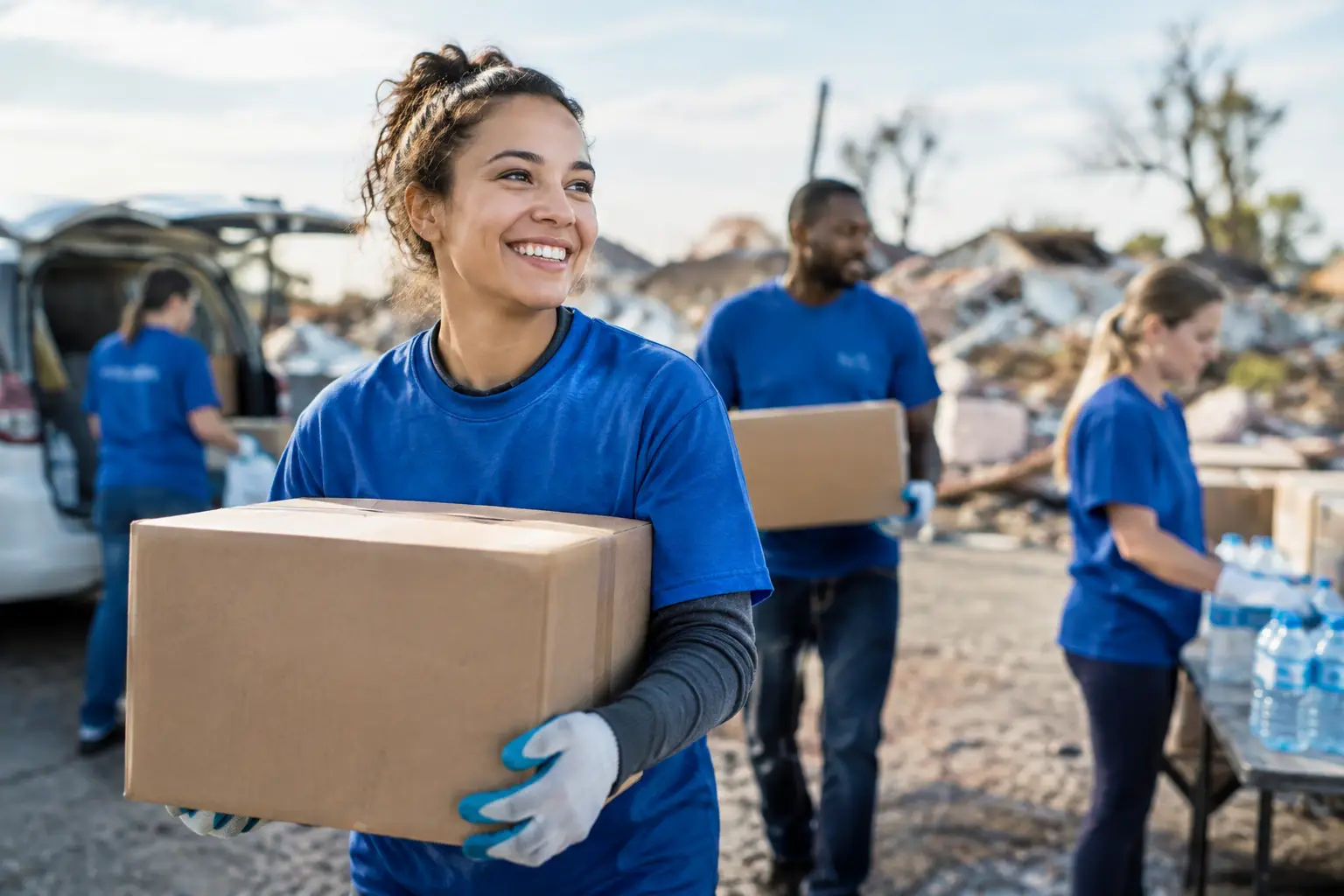
A crisis can produce an immediate, overwhelming response: phones ringing, inboxes filling, and people asking one urgent question: “What can I do?” That willingness matters. But mobilizing volunteers after crisis is not about gathering the largest possible crowd. It is about turning moral urgency into disciplined action that protects people, supports responders, and does not create a second layer of chaos.
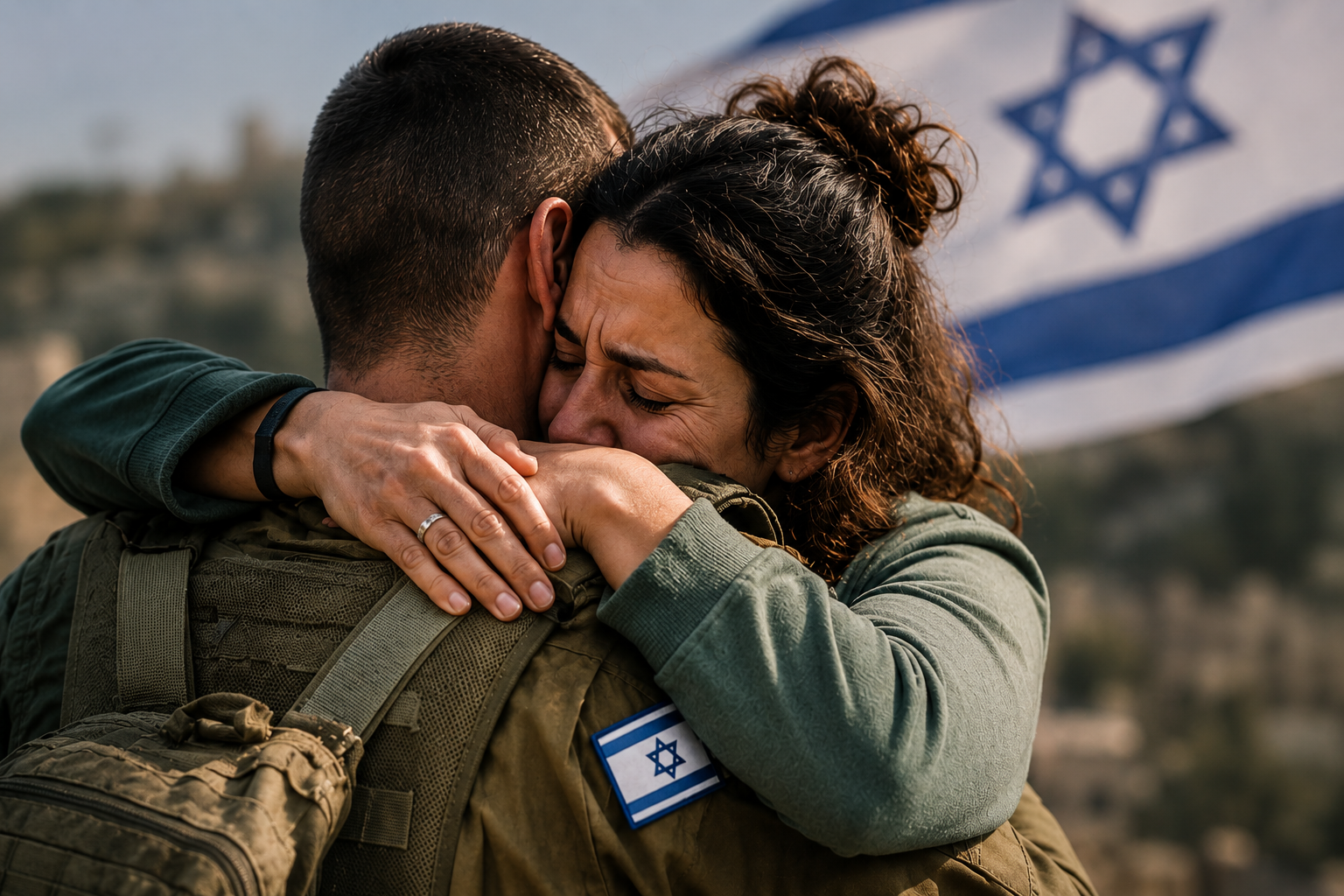
For communities standing with Israel, the stakes are especially high. A volunteer may be packing critical medical supplies, supporting displaced families, helping manage a donation drive, or sharing verified updates with a wider network. Every role can matter. Yet good intentions alone do not move aid safely or effectively. Clear leadership, vetted needs, and defined assignments do.
Start With the Need, Not the Crowd
The first mistake after a crisis is recruiting people before defining the mission. A large volunteer list can look like momentum, but it becomes a liability when nobody knows what is actually needed, where help is safe, or who is accountable for the outcome.
Start by asking practical questions. What is the immediate need? Who has verified it? What resources are already on the ground? Which tasks require training, security clearance, transportation, language skills, medical credentials, or local coordination? A need for trauma-care support requires a very different volunteer structure than a need for sorting donated equipment or staffing a community fundraiser.
This is where speed and discipline must work together. Do not wait for a perfect plan while needs grow. But do not send people into an active situation because a message felt urgent. Define the need, source the right support, and deliver it through trusted channels.
For Israel Friends, this approach reflects a simple operational truth: the mission is not to appear busy. The mission is to protect lives and strengthen readiness. Volunteers should extend the capacity of trained teams, not replace them or compete with them.
Mobilizing Volunteers After Crisis Means Matching Skills to Tasks
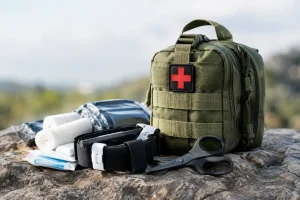
Not every volunteer needs to be on the front line. In fact, many of the highest-value roles happen far from the affected area. An entrepreneur with logistics experience may help coordinate vendors. A clinician may assist with trauma-resource outreach. A community organizer may build a local collection effort. A social media volunteer may help distribute accurate, approved information when misinformation is spreading fast.
The strongest volunteer operation sorts people by capability, availability, location, and risk tolerance. It does not treat every offer of help as interchangeable.
A short intake process can make this possible. Ask what skills a volunteer brings, how much time they can commit, whether they can work remotely or locally, and whether they have experience in crisis response, medical support, logistics, fundraising, translation, or community care. Then assign a defined task with a direct point of contact.
Vague requests such as “help however you can” often create confusion. Specific assignments build confidence: confirm inventory, call donors, assemble approved kits, coordinate a community briefing, organize a packing shift, or translate verified materials. People are more likely to show up, stay engaged, and perform well when they understand the assignment and the result it is meant to achieve.
Build a Command Structure Before Work Begins
Volunteer energy needs a center of gravity. Without one, communication fragments quickly. Two people make the same request, supplies go to the wrong location, sensitive information spreads too widely, and volunteers receive conflicting instructions.
Every response should have a designated operations lead, even if the team is small. That person does not need to do every task. Their job is to maintain the picture: current needs, approved projects, team assignments, risks, and progress. Supporting leads can own volunteer intake, communications, logistics, donor coordination, or on-site operations.
Create one source of truth for the team. It may be a scheduled briefing, a centralized message channel, or a daily assignment sheet. The format matters less than consistency. Volunteers need to know where instructions come from, how to report problems, and when to stop work if circumstances change.
Crisis conditions evolve by the hour. A task that was useful in the morning may become unnecessary, unsafe, or duplicated by evening. Strong leaders tell volunteers when to pivot. They also tell them when not to act. That is not bureaucracy. It is responsibility.
Put Safety and Dignity Ahead of Visibility
In emotionally charged moments, people often want to go where the crisis is. They want to witness, serve, document, and show solidarity in person. That instinct is understandable. It can also put volunteers, responders, and civilians at risk.
No volunteer should enter an active security area, medical setting, evacuation route, or disaster zone without authorization, training, and coordination with responsible authorities. Unscheduled arrivals can obstruct emergency access, consume scarce transportation, or expose people to danger. The most courageous choice is sometimes to serve from where you are most useful, not where the crisis is most visible.
Dignity matters just as much. Families experiencing trauma are not content opportunities. Do not pressure survivors to share their stories. Do not post identifiable images of injured people, children, military personnel, or vulnerable communities without clear permission and an understanding of the security implications.
Give volunteers plain guidance: protect private information, share only verified updates, and never make promises about aid, timelines, or outcomes that the organization cannot keep. Trust is built in the details.
Give People a Fast On-Ramp and Real Boundaries
A volunteer who offers help today may be unavailable tomorrow. The onboarding process must be quick enough to capture genuine momentum, yet strong enough to prevent avoidable mistakes.
Provide a concise orientation that explains the mission, the current priorities, conduct expectations, safety rules, communication process, and the limits of the role. A volunteer packing medical kits needs to know why accuracy matters. A person answering donor questions needs approved language. A team lead needs to know when an issue must be escalated.
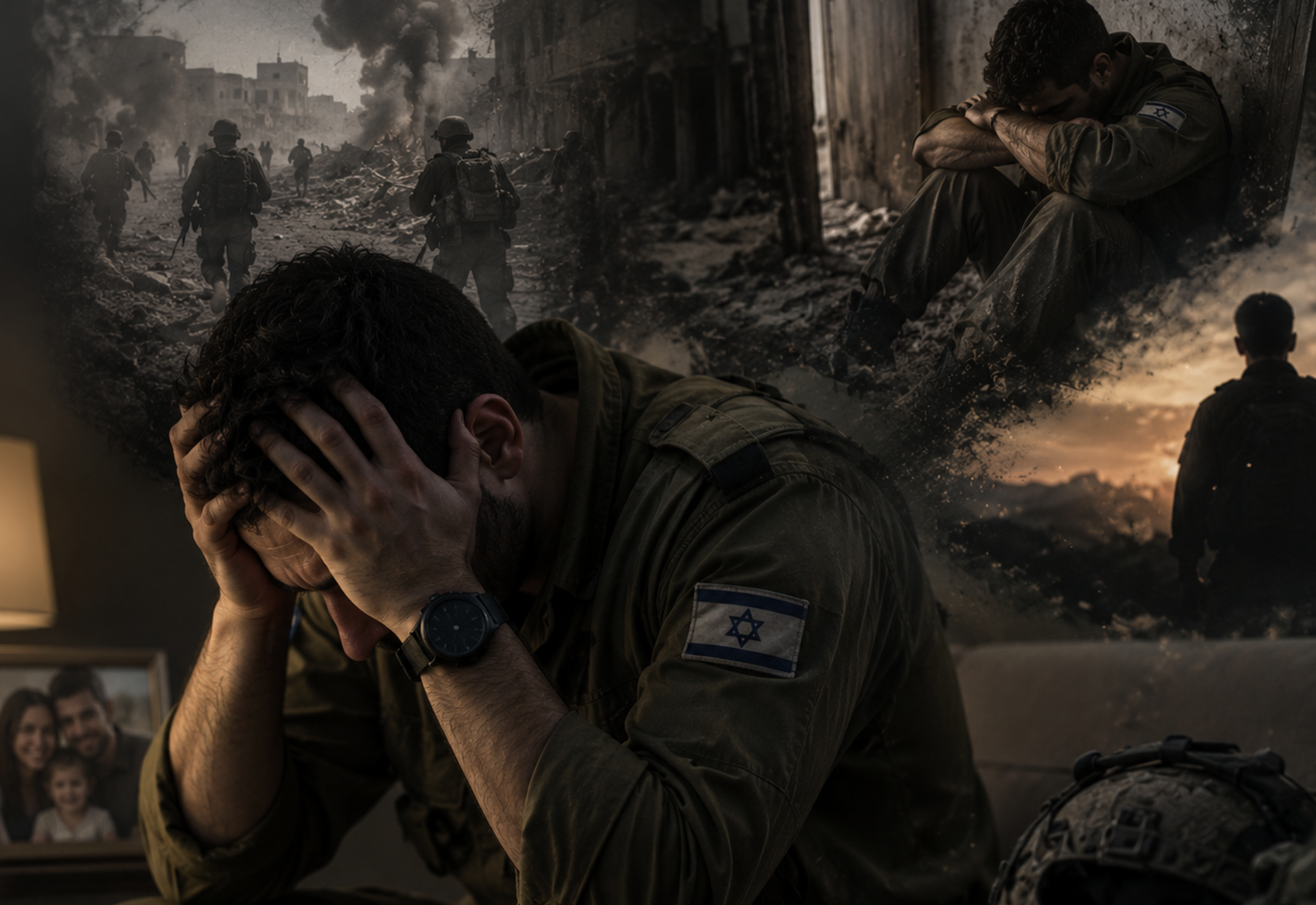
Boundaries also prevent burnout. After a crisis, many people feel they must do everything. They work late, absorb painful stories, and take on responsibilities beyond their training. That pace is rarely sustainable. Use defined shifts, reasonable task loads, and check-ins. Encourage volunteers to step back when they are overwhelmed.
This is particularly relevant when a crisis involves mass trauma. Compassion fatigue is not a failure of commitment. It is a human response to sustained stress. Teams that protect their people can keep serving longer and more effectively.
Measure What Moved, Not Just Who Showed Up
Volunteer activity is not the same as impact. A room full of committed people is valuable, but leaders should still ask: What changed because they were there?
Track outcomes that connect directly to the mission. That could mean the number of vetted kits assembled and delivered, families contacted, funds raised for urgent equipment, donor follow-ups completed, qualified volunteers placed, or hours saved for frontline professionals. The right measure depends on the operation.
Avoid measuring only attendance, impressions, or social posts. Those numbers may have a place, but they do not tell a donor, a volunteer, or a community whether the response met a real need. Concrete reporting strengthens accountability and helps everyone see the distance between effort and outcome.
It also creates a better next response. When leaders document what worked, where delays occurred, and which roles were hardest to fill, they can build a ready network instead of starting from zero during the next emergency.
Keep Volunteers Connected After the Immediate Emergency
The first wave of public attention may fade quickly. The needs often do not. Recovery can include trauma treatment, replacement equipment, long-term family support, rehabilitation, and renewed community preparedness. Volunteers who were activated during the emergency can become a durable force for that work if they are treated as partners rather than temporary labor.
Follow up with honesty. Tell people what their work accomplished, what remains urgent, and where help is still needed. Thank them specifically. “Your efforts mattered” is welcome. “Your team prepared 300 verified medical kits for delivery” is more powerful because it connects service to lives protected.
Then offer a next step that fits their capacity. Some will want to volunteer regularly. Some can host a fundraiser, introduce mission-aligned partners, advocate in their communities, or support a specific protective or trauma-care initiative. Others may need time before they return. Respect that too.
The goal is not to keep people busy. It is to build a community that can respond with clarity when lives are on the line. When the next call comes, the strongest volunteers will not be asking where the crisis is. They will already know their role, their leader, and the standard: act fast, act responsibly, and make every hour count.