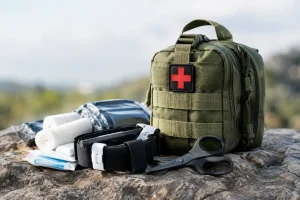

A supply drive can fill a room and still fail the people it was meant to help. The difference is not enthusiasm. It is whether the right items reach the right hands, in usable condition, before the urgent need changes. Organizing emergency supply drives requires more than collecting donations. It requires operational discipline: define the need, source what is approved, and deliver with accountability.
For supporters of Israel, that discipline carries real weight. A medic without a replenished trauma kit, a displaced family without basic essentials, or a security team lacking critical protective equipment cannot afford a well-intended but poorly coordinated response. We do not wait for perfect conditions. We act with purpose, protect resources, and keep the mission focused on lives.
Start With a Verified Need, Not a General Appeal
The fastest way to waste donor generosity is to begin with a broad call for “anything helpful.” Emergency environments are fluid. Storage space may be limited, transportation routes may be disrupted, and a requested item may become available through another channel before your drive even ends.
Begin with a direct, current needs assessment from a trusted organization, field partner, municipal authority, medical team, or logistics lead. Ask what is needed now, in what quantity, where it must go, and whether the recipient can receive it. A need that cannot be accepted, stored, or distributed is not a need your drive should fill.
Specificity earns trust. Rather than asking for “medical supplies,” identify the approved category and purpose: first-aid replenishment for volunteer responders, hygiene supplies for displaced civilians, or cold-weather essentials for families in temporary housing. For specialized gear such as IFAK kits, ballistic eyewear, drones, thermal cameras, or communications equipment, monetary support is often the safer and more effective route. Technical equipment must meet exact standards, be sourced from vetted vendors, and be deployed by trained personnel.
There is a hard but necessary trade-off here: a broad drive can feel more inclusive, while a narrow drive is usually more useful. In a crisis, usefulness wins.
Build the Drive Around a Clear Delivery Plan
A supply drive is a logistics operation, even when it is run by volunteers from a synagogue, school, business, or neighborhood. Before announcing it, decide how goods will move from collection point to recipient. Identify the collection location, intake hours, sorting team, storage limit, transport method, receiving contact, and final destination.
Do not treat shipping as an afterthought. International delivery can involve customs requirements, restricted items, fees, documentation, and delays. Some items that seem practical may be prohibited, difficult to clear, or unsuitable for the conditions on the ground. When a trusted response organization already has established procurement and delivery channels, funds may move faster than boxes.
That does not make physical supply drives less valuable. It means they must be designed for the mission. A local drive may be ideal when goods are being distributed locally or when a confirmed partner has the capacity to receive a defined shipment. A donation campaign may be the stronger choice when needs are urgent, technical, or overseas.
Assign Decision-Makers Before the First Donation Arrives
Good intentions create confusion when no one owns the next decision. Assign one person to lead operations, one to manage donor communication, one to oversee inventory, and one to confirm delivery. In a small team, people may hold more than one role, but every responsibility needs a name next to it.
Set an approval process as well. If someone offers an item that was not requested, who decides whether to accept it? If storage fills up, who can pause intake? If the field partner changes priorities, who updates public messaging? These are not administrative details. They protect the drive from becoming an unmanaged pile of supplies.
Set Standards That Protect Recipients and Donors
Every donated item carries a handling cost. Volunteers must inspect it, sort it, store it, pack it, and transport it. Recipients may need to distribute, maintain, or dispose of it. That is why acceptance standards are an act of respect, not a barrier to participation.
State clearly that all donated goods must be new, unopened where applicable, unexpired, clean, and from the approved needs list. Decline used medical supplies, expired food, opened personal-care products, damaged goods, and unapproved tactical items. For safety and legal reasons, never solicit or accept weapons, ammunition, controlled medical products, or sensitive equipment unless an authorized entity has established a lawful, documented process.
Your public instructions should answer five questions:
- What exact items are being collected?
- What condition and packaging requirements apply?
- Where and when can people donate?
- What items should people not bring?
- How will donations reach the intended recipients?
This level of clarity reduces volunteer workload and helps donors feel confident that their contribution will not be wasted. It also gives your team permission to say no when a donation falls outside the mission.
Communicate Urgency Without Creating Noise
People respond to a clear mission, not a flood of vague updates. Explain the urgent need in human terms, then show the operational answer. If a drive supports trauma care, explain that replenished supplies help responders treat injuries quickly. If it supports displaced families, explain what a hygiene kit or essential household item makes possible during displacement.
Avoid graphic imagery, inflated claims, or promises you cannot verify. Credibility is one of the most valuable assets in emergency response. Say what you know, distinguish confirmed information from evolving conditions, and avoid naming precise locations or movements when doing so could create security risks.
Use a simple campaign message that donors can repeat: what is needed, who it supports, the deadline, and how it will be delivered. Then give people more than one way to participate. Some can donate approved goods. Others can cover transport, volunteer at sorting sessions, host a collection point, or share the drive with their community.
Israel Friends operates on this same principle: rapid action only creates impact when it is paired with vetted sourcing and direct delivery. Supporters deserve to see that the mission has a plan beyond the first emotional moment.
Track Every Item and Every Dollar
Accountability should be built into the drive from day one. Maintain a live inventory that records item type, quantity, date received, condition, and destination. For financial gifts, track the amount received, designated purpose, procurement cost, delivery cost, and remaining balance.
You do not need a complicated system to do this well. A controlled spreadsheet, numbered collection bins, labeled cartons, intake forms, and a designated inventory lead can create a reliable record. What matters is consistency. Count supplies when they arrive, recount them when they leave, and document who accepted the delivery.
Photographs of properly packed supplies, receipts for procurement, and confirmation from receiving partners can help close the loop with supporters. Share impact without compromising privacy or operational security. Do not publish names, addresses, medical details, unit information, or other data that could put civilians or defenders at risk.
Transparency also means being honest when plans change. If an item category is no longer needed, say so quickly. If shipping becomes impractical, explain why you are redirecting support to vetted local procurement. Donors are far more likely to remain committed when they see responsible judgment rather than a rigid attempt to follow an outdated plan.
Finish Strong: Deliver, Report, Improve
The collection deadline is not the finish line. It is the point when the operational work intensifies. Sort and inspect every item, remove anything that does not meet standards, pack by category and destination, label cartons clearly, and confirm the handoff before transport begins.
After delivery, report back promptly. Tell supporters what was collected, what was purchased if funds were used, where aid was delivered in general terms, and what the response achieved. Keep the report factual. A drive that provides 200 hygiene kits or restocks 40 trauma bags does not need exaggeration. Concrete results speak for themselves.
Then conduct a short after-action review with your team. Which requests brought the right items? Where did bottlenecks form? Did you collect too much of one category? Did donor instructions need to be clearer? The goal is not to criticize volunteers. It is to make the next response faster, cleaner, and more capable.
The best emergency supply drive does not measure success by how many boxes it collects. It measures success by what arrives ready for use when someone needs it most. Set the need, protect the process, and turn generosity into help that can move at the speed of the emergency.