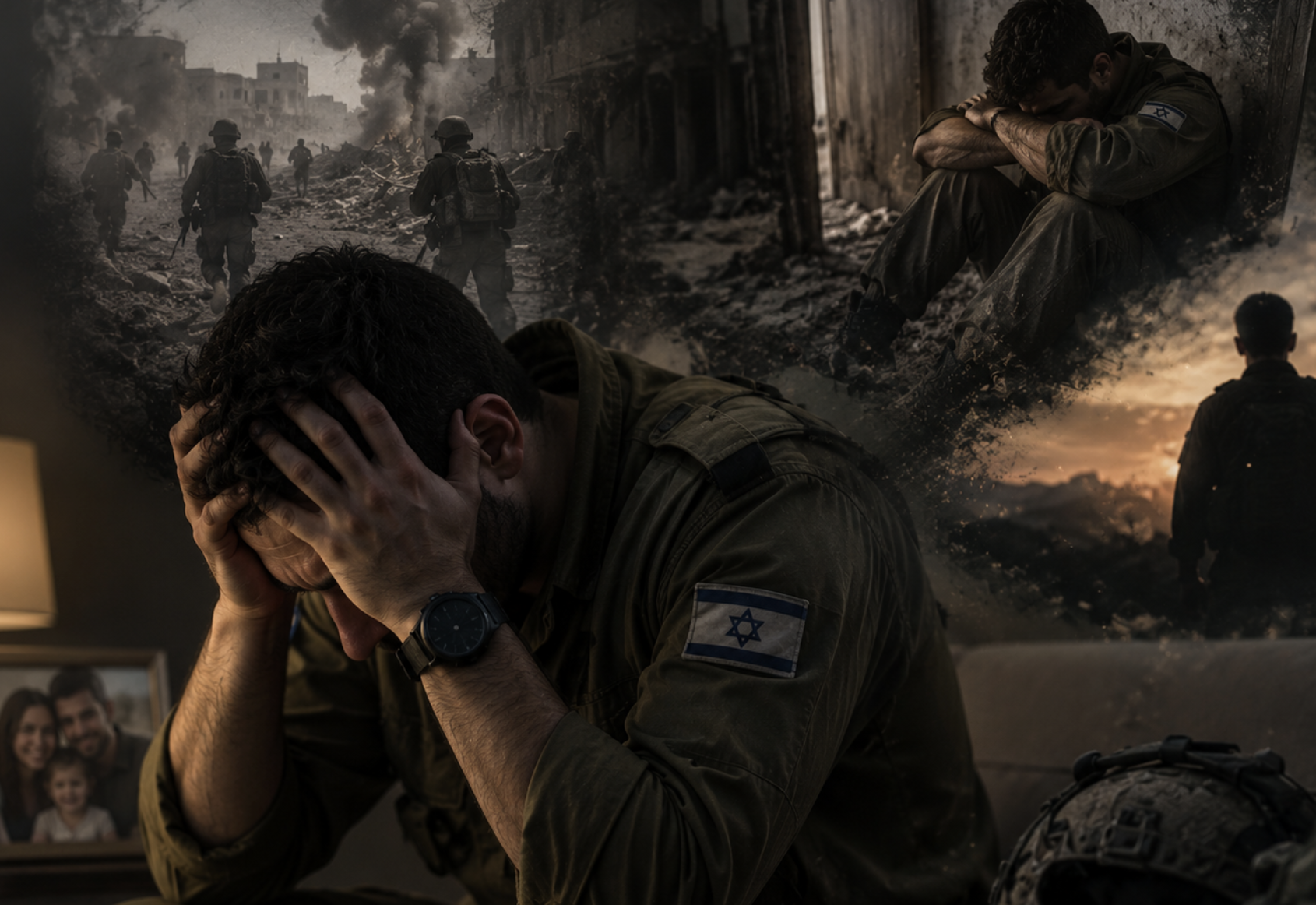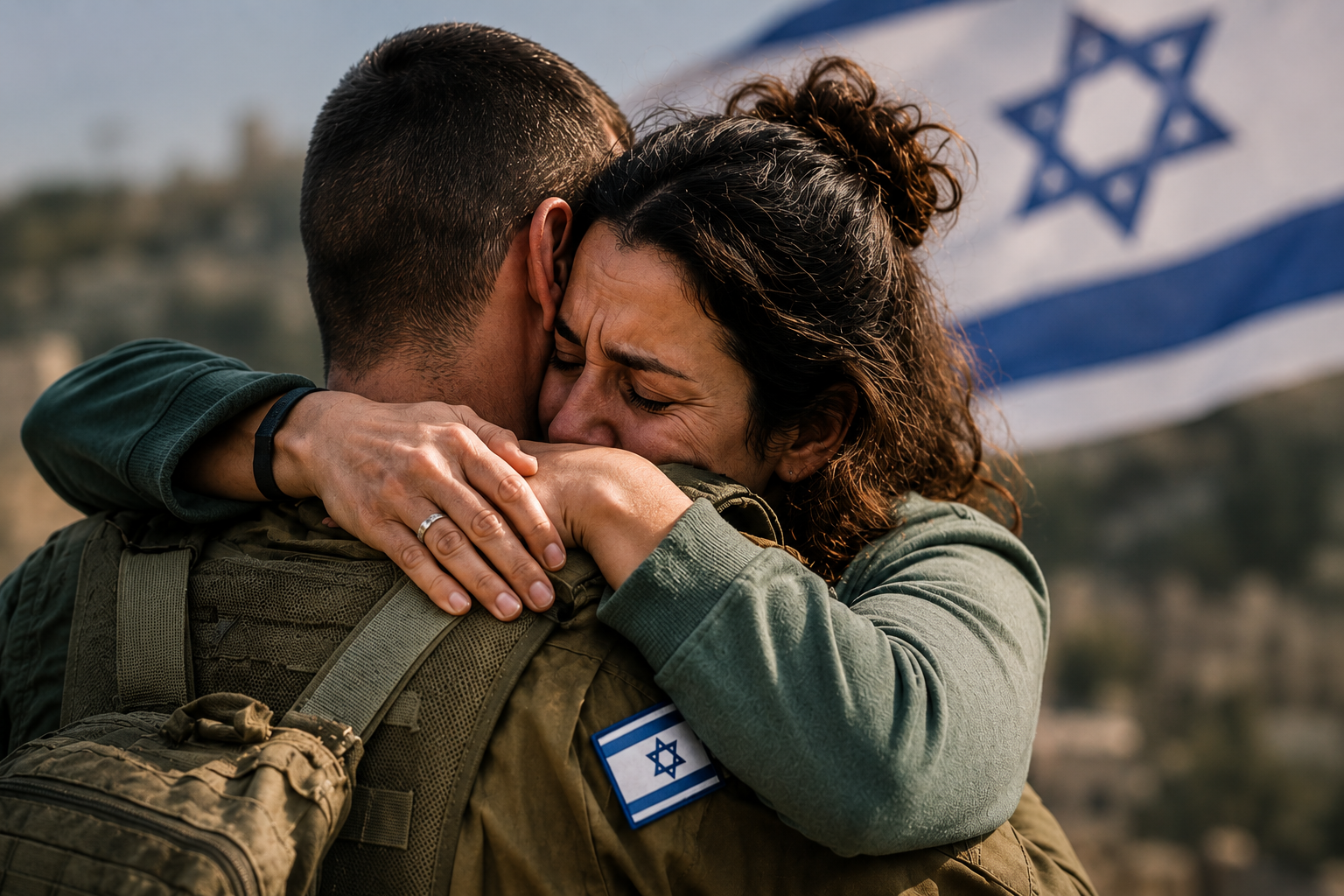
A defender can carry the right protective equipment, receive the right intelligence, and still reach a breaking point after too many nights without sleep, too many losses, or one traumatic moment that will not let go. Soldier wellness programs exist because readiness is not only physical. It is psychological, relational, and deeply human.
For Israel’s defenders, wellness support is not a soft add-on to security. It is part of security. Fast access to trauma care, trusted clinicians, and practical family support can help a soldier remain grounded during service and recover with dignity afterward. The cost of delay is measured in more than missed appointments. It can mean worsening trauma symptoms, fractured families, isolation, and a force asked to carry more than any person should carry alone.
The most effective response is clear: identify the need early, remove barriers to care, and deliver support before a crisis becomes harder to treat.
What Soldier Wellness Programs Must Deliver
A meaningful wellness program does not stop at awareness campaigns or a phone number that is difficult to reach. It creates a reliable path from distress to qualified help. That path must work for the reservist returning home, the active-duty soldier under sustained pressure, the veteran struggling months later, and the family member who sees the change before anyone else does.
First, care must be fast. Trauma does not wait for paperwork, committee reviews, or a convenient opening on a calendar. Early intervention can give people tools to manage acute stress, sleep disruption, panic, grief, and emotional numbness before those struggles harden into patterns that affect daily life. Speed also sends an essential message: asking for help will not leave you stranded.
Second, care must be confidential and trustworthy. Many soldiers worry that speaking honestly could affect how they are perceived by peers or commanders. Programs need clear privacy practices, qualified providers, and a culture that treats treatment as responsible action, not weakness. Command support matters, but clinical conversations must remain protected within appropriate ethical and legal boundaries.
Third, care must fit real life. A soldier on duty, a reservist balancing civilian work, and a parent managing a household cannot always travel repeatedly for an appointment. Telehealth psychiatric care can expand access when it is secure, clinically appropriate, and coordinated with in-person options. It is not a replacement for every form of care. In acute emergencies or complex cases, direct clinical support may be necessary. But for many people, remote access can remove the distance, scheduling, and stigma that keep treatment out of reach.
Finally, programs must remain available after the immediate crisis fades from public attention. Recovery is rarely linear. Anniversaries, a sudden sound, a return to civilian routine, or the loss of a friend can bring distress back to the surface. Sustained care gives soldiers permission to seek help again without having to prove that they are struggling enough.
Readiness Is Built Before the Breaking Point
Wellness is often discussed after visible harm has occurred. That is too late to be the entire strategy. The stronger approach prepares soldiers before deployment, supports them during high-pressure periods, and stays present after they return.
Before service, preparation can include practical stress-management skills, education about normal trauma responses, clear referral pathways, and leadership training. The aim is not to convince soldiers that combat stress is easy. It is to equip them to recognize when they or a teammate need support and to know exactly what happens next.
During service, small interventions can make a real difference. Rest cycles, peer check-ins, access to chaplains or mental health professionals, and leadership that notices behavioral changes all help protect the force. These measures cannot erase the reality of war. They can reduce preventable isolation and make help available while it can still be used.
After service, the mission shifts toward reintegration. A soldier may return to a workplace, a spouse, children, school, or an aging parent while still mentally operating in a threat environment. Irritability, withdrawal, sleep problems, hypervigilance, and grief can strain every part of life. A program that recognizes this transition can connect soldiers to trauma-informed therapy, psychiatric evaluation when needed, peer support, and practical resources for families.
This is also where moral injury deserves attention. Not every wound comes from fear. Some arise from impossible decisions, survivor’s guilt, or the gap between what a person believes and what they witnessed. These experiences require care that makes room for grief, responsibility, faith, identity, and meaning. There is no one-size-fits-all treatment plan, which is why programs need a range of qualified options rather than a single scripted solution.
Families Are Part of the Protective System
The people closest to a soldier often carry the first signs of strain. A spouse may notice sleeplessness. A parent may hear a change in tone. A child may not understand why a loving family member is suddenly distant or easily startled. Supporting families is not separate from supporting defenders. It is one of the most practical ways to strengthen long-term recovery.
Family-focused services can offer education, counseling, and guidance on how to raise concerns without shame or confrontation. They can help loved ones distinguish between a difficult adjustment and a situation that needs urgent clinical attention. Just as importantly, they acknowledge that families also live with fear, uncertainty, and loss.
Programs should not place families in the role of therapists or crisis managers. Their job is to be family. The system’s job is to ensure they have somewhere credible to turn when they need help.
Measure Impact, Not Activity
Donors should expect more than compassionate language. They should ask whether a program reduces the time between referral and treatment, reaches people outside major population centers, offers qualified trauma-informed care, and maintains follow-up over time. The number of brochures printed or events held does not tell us whether a struggling defender received care.
Useful measures include appointment access, treatment continuity, utilization of telehealth, patient-reported improvements, and referrals completed successfully. Numbers never capture every human outcome, and privacy must be protected. Still, accountability matters. When resources are limited and needs are urgent, funding should go where it creates direct, measurable relief.
That is why flexible, rapid-response funding is so valuable. It can help resiliency centers expand clinical hours, cover fast-access psychiatric consultations, equip providers with secure tools, or close gaps that formal systems cannot address quickly enough. The right response depends on the need on the ground, but the operating principle remains the same: define the need, source the solution, and deliver it without delay.
Israel Friends supports that kind of action by helping move resources toward trauma care and practical protection for those carrying Israel’s defense. The goal is not charity at a distance. It is timely support that reaches real people when timing can change an outcome.
Support That Treats Strength Honestly
There is no contradiction between honoring a soldier’s strength and recognizing the weight they carry. In fact, denying that weight weakens the very people we claim to support. Strong forces train, prepare, adapt, and seek the tools required to complete the mission. Mental health care belongs in that same category.
For supporters, the most meaningful question is not simply whether wellness programs sound worthwhile. It is whether they are accessible fast enough, delivered professionally enough, and funded consistently enough to reach a defender before isolation takes hold. That is the standard worth demanding.
When a soldier asks for help, the answer should be immediate, capable, and human. Protecting those who protect others means staying ready to act long after the headlines move on.