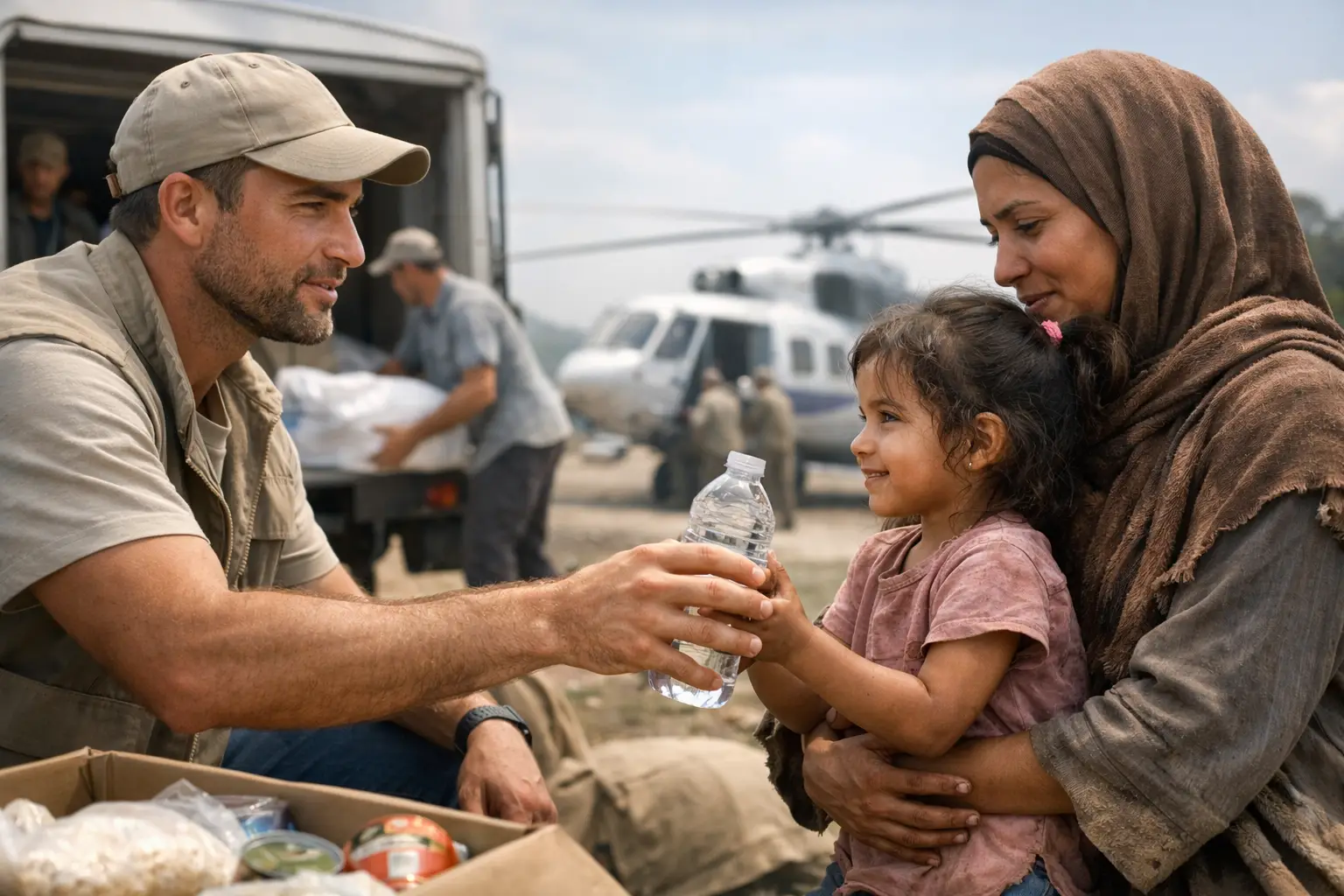
A charity delivering aid fast is not defined by how quickly it can issue a statement. It is defined by what reaches a defender, family, medic, or trauma survivor before the next critical hour passes. When communities face active threats, delayed funding cycles and vague promises do not protect lives. Equipment does. Care does. Action does.
For Israel’s defenders and civilians, urgent needs can change overnight. A unit may need medical kits before a deployment. A community may need thermal cameras after a security breach. A survivor may need trauma treatment before shock hardens into a deeper wound. The organizations that make a real difference are built to identify the need, source the right solution, and deliver it directly.
Why Speed Is a Life-Saving Capability
In a crisis, time is not an administrative detail. It is part of the intervention.
An individual first aid kit, known as an IFAK, matters most when it is within reach at the moment of injury. Ballistic eyewear matters before exposure, not after. A drone or surveillance system creates value when it gives a team earlier awareness of a threat. Fast-access psychiatric care matters when a civilian or defender is ready to ask for help, not weeks later when an appointment finally opens.
That is why rapid response must be more than a slogan. It requires a working operational model: trusted relationships on the ground, clear approval processes, vetted suppliers, logistics capacity, and donors who understand that targeted action can save lives.
Speed also protects dignity. Families and frontline teams should not have to repeat their need to multiple agencies, navigate a maze of forms, or wait while funds sit in review. The right response meets people where the urgency is and treats them as partners, not case numbers.
What Fast Aid Actually Looks Like
Fast aid is often misunderstood as rushing without discipline. It is the opposite. Moving quickly under pressure requires preparation, judgment, and accountability.
First, a credible organization defines the exact need. “Support the front lines” is too broad to guide a life-saving purchase. Is the need trauma supplies for a specific team? Protective eyewear for a group exposed to debris and shrapnel? Thermal imaging to strengthen perimeter awareness? Telehealth psychiatric treatment for people unable to travel to a clinic? Precision prevents waste.
Next comes sourcing. The fastest option is not always the best option. Equipment must be appropriate for the mission, durable enough for real conditions, and obtained through vendors who can meet quality and delivery requirements. A low-cost item that fails in the field is not efficient. It is a liability.
Then comes direct delivery. This is where many charitable efforts lose momentum. Aid can be delayed by unnecessary layers, unclear ownership, or distribution systems disconnected from the people who requested it. Direct delivery means confirming who needs the resource, getting it to the right place, and documenting that the need was met.
Finally, responsible rapid response closes the loop. Donors deserve to know what their support made possible. That does not always mean publicizing sensitive operational details. It does mean being able to report on the category of aid delivered, the purpose it served, and the impact it was designed to create.
The Difference Between Urgency and Panic
Not every need should be handled in the same way. A charity delivering aid fast must know when immediate action is essential and when a more deliberate approach will create greater long-term impact.
A sudden shortage of medical supplies, protective gear, or emergency communications tools may demand immediate procurement. Trauma care also calls for speed, particularly when people are confronting acute stress after violence, displacement, or loss. Early access to qualified mental health support can help prevent isolation and support recovery.
Other needs require careful coordination. Advanced surveillance systems may involve installation, training, maintenance, and alignment with local security protocols. Larger technology purchases can be transformative, but only when the receiving team has the capacity to use and sustain them. Fast does not mean bypassing expertise. It means removing delays that do not improve safety or outcomes.
This distinction matters to donors. High-impact giving is not about funding the most dramatic request. It is about funding the right intervention at the right moment, with a clear path from contribution to deployment.
Aid That Protects Both Body and Mind
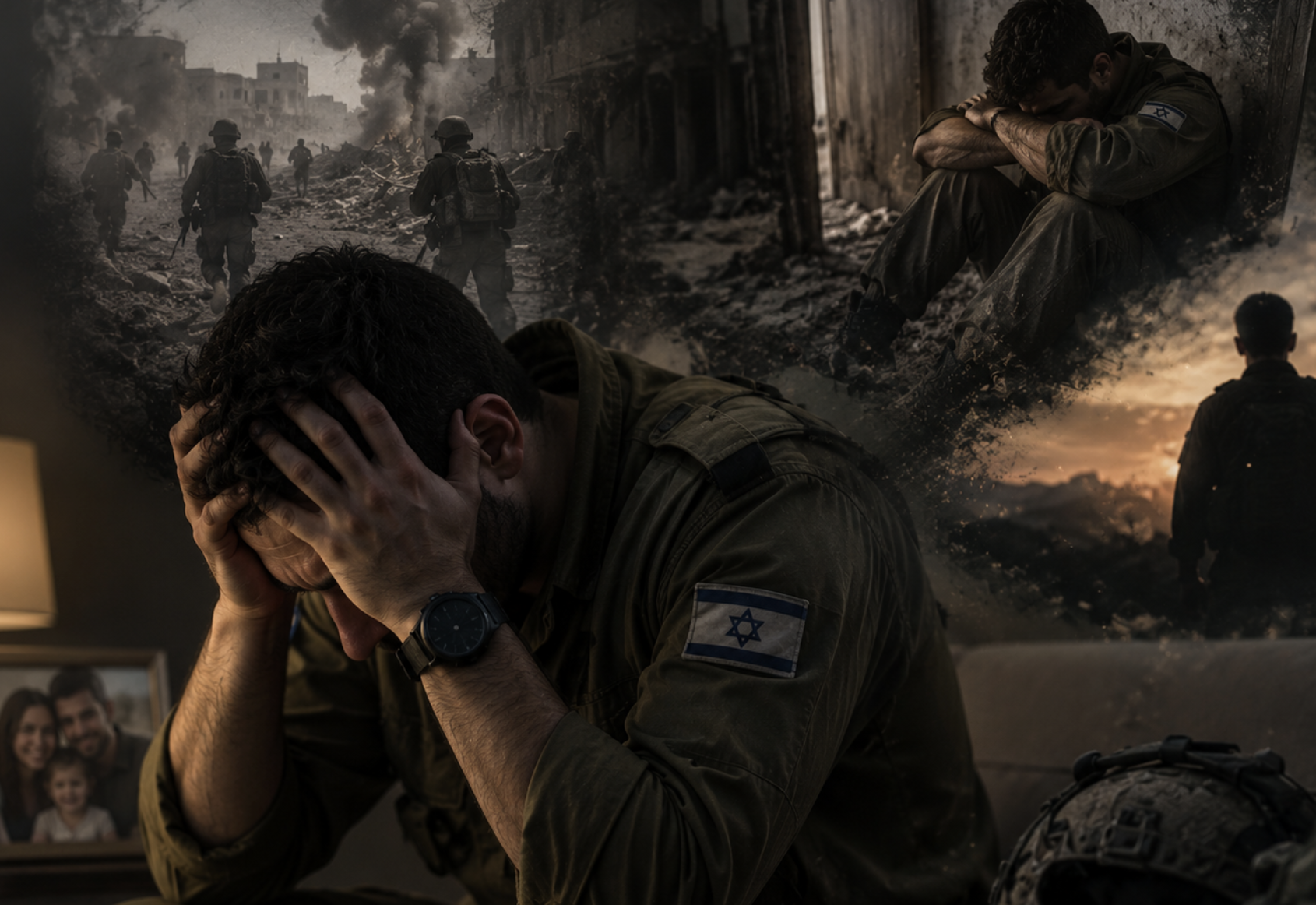
Security and recovery cannot be separated. A community can receive physical protection and still carry deep trauma. A defender can have the equipment needed to operate while silently struggling with the psychological cost of sustained threat and loss.
That is why rapid aid should include both mission-critical equipment and accessible trauma care. Protective technology can improve readiness and awareness. IFAK kits can support immediate medical response. Drones, thermal cameras, and surveillance systems can help teams see danger sooner. But mental health support provides another form of protection: a path back to stability, connection, and functioning.
Fast-access PTSD treatment and telehealth psychiatric care are especially important when geography, stigma, schedules, or security conditions make traditional care difficult to reach. The goal is not simply to offer a referral. It is to reduce the distance between asking for help and receiving qualified support.
Israel Friends operates with this full picture in mind: protect people in the moment, strengthen readiness for what may come next, and support recovery after the immediate danger has passed.
What Donors Should Look for Before They Give
Donors who care about Israel’s security and resilience should expect more than emotional appeals. Urgency is real, but trust must be earned through execution.
Look for a clear connection between donations and specific outcomes. A strong organization can explain what it is funding, why that resource is needed, and who is positioned to receive it. Broad support can be valuable, but it should not become an excuse for ambiguity.
Look for operational proximity. Organizations working closely with local partners, health agencies, security teams, trusted vendors, and community leaders are better positioned to distinguish urgent needs from assumptions. The people closest to the threat often have the clearest view of what will help.
Look for efficiency without simplistic overhead claims. Good administration, due diligence, secure procurement, and impact reporting all require resources. The question is whether the organization keeps bureaucracy in service of the mission or allows bureaucracy to become the mission.
Look for evidence of follow-through. When needs shift, can the organization adapt? When equipment is delivered, can it verify receipt? When trauma care is funded, can it help make access practical? Accountability is not a polished annual report alone. It is a pattern of doing what was promised.
Fast Response Depends on Prepared Support
The strongest rapid-response organizations do not begin preparing after the emergency is announced. They build relationships, supplier networks, field awareness, and donor readiness before the next urgent request arrives.
That is also where supporters have a role beyond a single gift. Donating when a specific campaign is active is vital. So is staying informed, volunteering when practical, bringing trusted friends into the mission, and supporting initiatives that keep response capacity ready. A network of prepared people can turn concern into action faster than an organization working alone.
For philanthropic families and mission-driven entrepreneurs, this is a particularly meaningful opportunity. Your support can function like readiness capital: available when the need is confirmed, directed toward vetted solutions, and deployed without waiting for a long institutional cycle to catch up.
The most valuable question is not, “How can we sound supportive?” It is, “What will protect someone this week?” Ask that question, demand a clear answer, and stand behind the organizations prepared to act on it.