
A thermal camera can turn a dark approach into an early warning. An IFAK can put life-saving care in reach during the minutes that decide an outcome. Ballistic eyewear can protect a defender’s vision before the mission is over. The best ways to sponsor protective technology begin with that reality: the right tool, delivered to the right people at the right time, can protect a life.
For supporters of Israel, giving should not disappear into a vague category called “security.” It should move with purpose. Effective sponsorship connects a defined operational need to vetted equipment, trained users, direct delivery, and clear reporting. That is how generosity becomes readiness.
Best Ways to Sponsor Protective Technology With Purpose
The strongest sponsorship is not simply the largest gift. It is the gift aligned with an urgent, verified need. Protective technology is a broad category, and each item serves a different mission: immediate medical response, situational awareness, perimeter security, field mobility, or trauma recovery after an attack.
Start by asking what problem the technology solves. A drone may help teams assess terrain or identify risks without sending people into unnecessary danger. Thermal cameras can improve visibility at night or in low-light conditions. Surveillance systems may strengthen protection around vulnerable communities. Individual trauma kits and protective eyewear support defenders at the point of need.
This matters because not every crisis calls for the same equipment. Funding the wrong item, even with the best intentions, can tie up resources that should be moving toward a more immediate need. Sponsorship should follow operational input from those closest to the field, not assumptions made far away.
Sponsor Specific, Mission-Ready Equipment
A named, tangible sponsorship gives donors a direct line of sight to impact. Instead of giving only to a general fund, supporters can back a defined equipment category or a time-sensitive protective package. The goal is not to reduce a complex security need to a marketing label. It is to make the purpose of each contribution clear.
A practical approach is to sponsor equipment at the unit, community, or response-team level. One donor may fund a set of IFAK kits for immediate trauma care. A family may underwrite thermal imaging equipment for a local security initiative. A business can bring employees together around a surveillance or drone campaign with a defined fundraising target.
Specificity creates accountability. It also helps communities understand what their support is making possible. When people can say, “We funded emergency medical kits,” or “Our campaign supplied night-visibility equipment,” the connection between generosity and protection becomes real.
There is a trade-off. Restricted gifts can be powerful, but an organization also needs the flexibility to respond when conditions shift quickly. The best model often combines both: direct a meaningful portion of a gift to a defined technology need while allowing mission leaders to move funds when a higher-priority emergency emerges.
Build Protective Packages, Not Isolated Purchases
Technology works best as part of a complete capability. A camera without the supporting infrastructure, a drone without a trained operator, or a medical kit without replenishment planning may have less impact than expected.
Sponsors should look for packages that account for deployment, not merely acquisition. That can include compatible accessories, secure communications, batteries, storage, installation, field testing, and replacement supplies. The exact package depends on the equipment and intended user, but the principle is consistent: fund the operational outcome, not just the object.
For instance, an emergency trauma initiative may require individual kits, restocking supplies, and a reliable route for rapid distribution. A community surveillance effort may require cameras, mounting hardware, monitoring capacity, and technical support. Asking how equipment will be used and sustained is not bureaucracy. It is responsible stewardship.
Fund Speed Without Sacrificing Verification
Protective technology is often needed during moments when delay carries a human cost. Yet urgency should never become an excuse for careless sourcing. The organizations worth supporting move quickly because they already maintain trusted relationships, understand real needs on the ground, and know how to vet vendors before a crisis intensifies.
Look for a clear define, source, deliver process. First, the need should be identified by qualified partners or field leaders. Next, equipment should be sourced from reliable vendors with attention to quality, compatibility, and delivery timelines. Finally, it must reach the intended recipients through a distribution process built for speed and accountability.
This is where a responsive organization can outperform a slow, generalized aid model. Israel Friends operates with the conviction that urgent needs deserve urgent action, connecting supporters to mission-critical equipment and rapid-response aid without waiting for layers of unnecessary delay.
Donors can help preserve that speed by supporting readiness before a crisis peaks. Recurring gifts, designated emergency reserves, and pre-approved corporate matching campaigns give response teams the ability to act when minutes and hours matter. Waiting until a need is already public and widespread can mean competing for scarce equipment, higher costs, and longer delivery windows.
Use Your Network to Multiply a Sponsorship
Individual giving is vital, but protective technology campaigns become stronger when supporters organize others around a concrete mission. A synagogue, school, business, family foundation, or advocacy group can adopt a specific protective need and build a campaign around it.
The most effective campaigns lead with a clear objective, not generic appeals. State what is needed, why it matters, who it is designed to protect, and what level of funding will put the equipment into action. Keep the language honest. Do not promise outcomes that no technology can guarantee. Protective tools reduce risk, improve readiness, and expand response capacity. They do not eliminate the danger defenders and civilians face.
A strong community campaign can include four practical elements:
- A defined equipment goal with a realistic funding target.
- A deadline connected to an active operational need or preparedness window.
- A trusted point of contact who can answer donor questions.
- A follow-up report explaining what was funded and delivered.
This approach respects supporters. People are more likely to give, share, and return when they know exactly what their participation is moving forward.
Invite Businesses to Give More Than a Check
Mission-aligned companies can sponsor protective technology through direct contributions, customer campaigns, employee giving, or a percentage of sales. Entrepreneurs may also contribute professional skills that strengthen a campaign, including logistics, creative services, technology expertise, event production, or donor outreach.
The best corporate partnerships avoid turning a security need into a branding exercise. The mission comes first. A business should be able to communicate its support with pride while keeping attention on the people who need protection. Clear goals, accurate impact updates, and sensible approval processes protect both the donor and the mission.
For philanthropic families, multi-year commitments can be especially valuable. Some technologies require maintenance, upgrades, replacement cycles, or ongoing training. A one-time purchase may address an immediate gap, while sustained support helps preserve capability long after the first delivery.
Ask the Questions That Protect Your Gift
Before sponsoring protective technology, donors should expect direct answers. What specific need has been identified? Who requested the equipment? How was the vendor selected? What is the expected delivery timeline? Who will receive and use it? How will the organization confirm deployment or use?
Not every operational detail can be shared publicly, especially where security is involved. That is reasonable. Responsible organizations must protect sensitive information. But security concerns should not be used to avoid basic accountability. Donors can still receive meaningful confirmation of categories funded, resources delivered, program progress, and the process used to manage funds.
Also ask whether the organization can pivot when conditions change. A shipment delay, a revised field request, or a sudden emergency can alter the best use of funds. The answer should show disciplined judgment: stay faithful to donor intent while ensuring that resources protect the greatest number of lives in the most urgent circumstances.
Protection Includes the Wounds You Cannot See
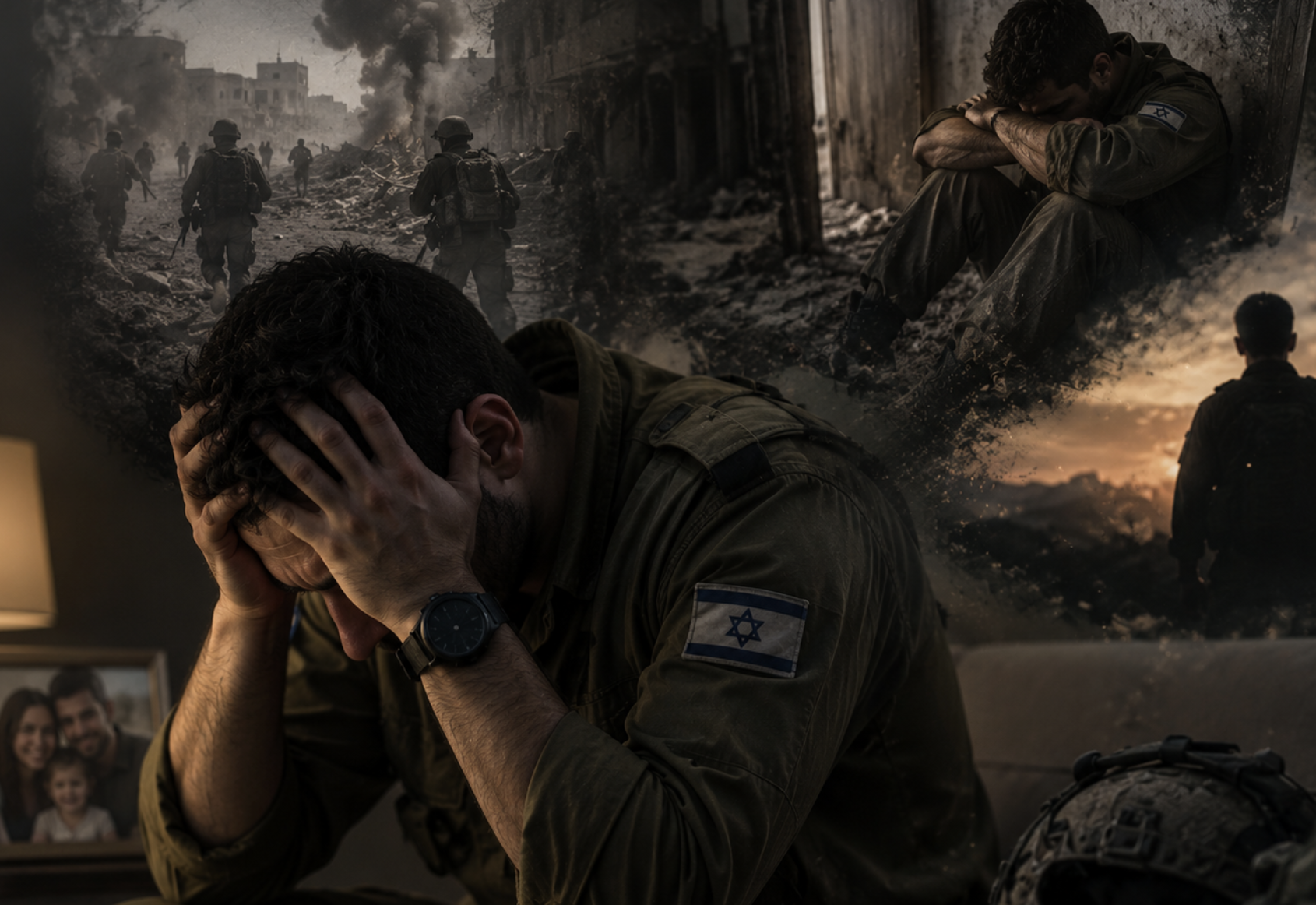
Advanced protective technology is essential, but security does not end when immediate danger passes. Defenders, families, first responders, and survivors can carry trauma long after an incident. Sponsoring rapid-access PTSD care, telehealth psychiatric services, and resiliency programs is part of a serious protection strategy.
This is not separate from readiness. Trauma support helps people recover, stay connected to care, and regain stability after crisis. The strongest donor approach recognizes both needs: equipment that can prevent or reduce harm, and treatment that helps people heal when harm has occurred.
A thoughtful sponsor does not need to choose between physical protection and trauma care forever. Priorities may shift based on immediate conditions. What matters is supporting an organization capable of seeing the full picture and acting decisively across both.
The most meaningful gift is not the one that sounds impressive. It is the one that reaches a real need before that need becomes a tragedy. Ask for clarity, fund what is mission-ready, and stand behind the people protecting Israel’s communities when action cannot wait.