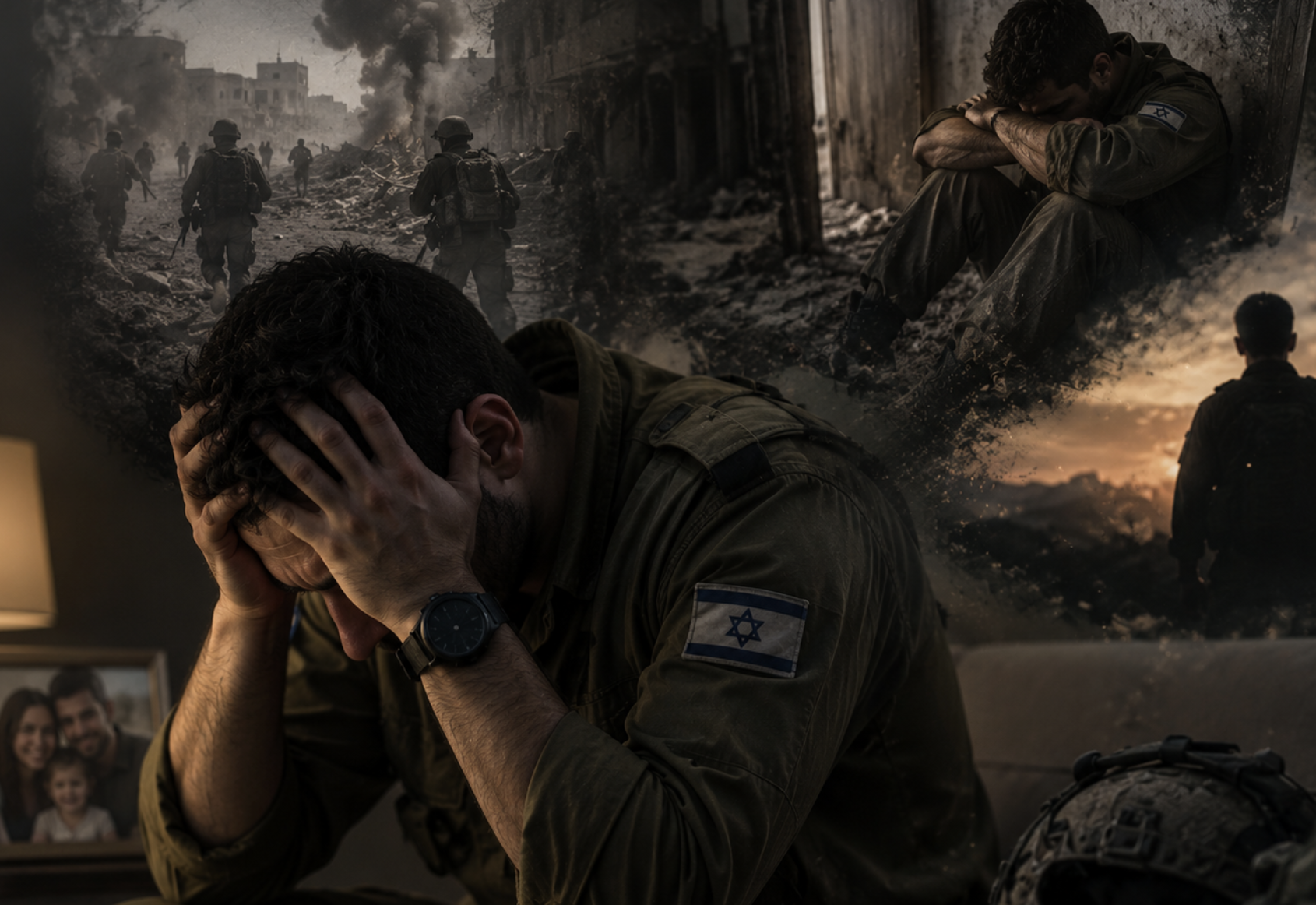

A Jewish student removes a Star of David before walking across campus. A family thinks twice before attending synagogue. A business owner wakes to graffiti on the storefront. These are not abstract headlines. Antisemitism trends are changing the daily calculations Jewish people make about visibility, safety, identity, and belonging.
The danger is not limited to one political camp, one country, or one social platform. It appears in threats against schools and houses of worship, harassment at public gatherings, conspiracy theories dressed up as commentary, and efforts to hold Jewish people collectively responsible for actions of the Israeli government. The pattern is clear: rhetoric can create permission structures for real-world intimidation.
For communities that care about Israel and Jewish safety, awareness is necessary but insufficient. The question is not only what is happening. It is what we do when warning signs become operational risks.
Antisemitism Trends Are Becoming More Visible and More Personal
Antisemitism has always adapted to its environment. It borrows the language of the moment, whether that language is religious prejudice, racial pseudoscience, economic conspiracy, nationalist grievance, or political activism. That adaptability is one reason it survives. It does not need consistency to spread. It needs an audience willing to accept a scapegoat.
One of the most concerning current trends is the collapse of the line between criticism of Israeli policy and hostility toward Jewish people. Governments can be criticized. Democracies should withstand disagreement. But blaming Jewish neighbors for events overseas, targeting Jewish institutions, or demanding that individual Jews prove their political loyalties is not policy debate. It is collective punishment.
This distinction matters because bad actors deliberately blur it. They use the language of human rights while excusing harassment of Jewish students. They claim to oppose a state while vandalizing a synagogue. They portray Jewish fear as manipulation, even after threats, assaults, and intimidation. A community cannot respond effectively if it refuses to name the threat accurately.
The risk also becomes more personal when hostility is directed at people who are visibly Jewish, Israelis living abroad, Jewish-owned businesses, community centers, schools, and religious institutions. These targets are chosen because they are accessible. They are meant to send a message beyond the immediate victim: stay quiet, stay hidden, stay away.
The Digital Pipeline Has Real-World Consequences
Social media has made antisemitic content faster to produce, easier to disguise, and harder to contain. A conspiracy theory can be clipped into a video, paired with dramatic music, and delivered to millions before a school administrator, faith leader, or parent even knows it is circulating.
Not every offensive post produces violence. But repeated exposure changes the environment. It normalizes slurs. It rewards outrage. It teaches people that Jews are a legitimate target for collective suspicion. When that narrative moves from anonymous accounts to classrooms, workplaces, rallies, and neighborhood conversations, the threat is no longer confined to a screen.
Artificial intelligence adds another complication. Fabricated images, altered videos, impersonated accounts, and manufactured documents can make false claims appear credible long enough to cause harm. The answer is not panic or censorship of legitimate discussion. It is disciplined verification, responsible reporting, and a refusal to share emotionally explosive material before it is confirmed.
Communities should also recognize that online extremism is not always loud. Some of it arrives as coded language, selective history, recycled myths about Jewish power, or calls to exclude Jewish people from public life. The message may be polished. The underlying hostility is not.
Institutions Are Being Tested
Schools, universities, employers, media organizations, and civic leaders face a difficult but basic responsibility: protect people from discrimination and threats without requiring them to pass an ideological test first. Too often, Jewish students and employees are told that harassment is merely political expression, even when they are singled out because they are Jewish or Israeli.
A serious response starts with clear standards. Threats, stalking, doxxing, vandalism, exclusion, and discriminatory conduct require prompt action. Administrators should not hide behind vague statements when a specific community is at risk. Delay has a cost. It tells victims they are on their own and tells perpetrators that boundaries are negotiable.
Security is part of that responsibility, but it is not the whole response. A guard at the door can help deter an attack. It cannot repair the isolation felt by a student afraid to speak in class or a family wondering whether a religious holiday gathering is safe. Communities need both protective measures and moral leadership.
That means training staff to recognize antisemitic conduct, creating clear incident-reporting channels, coordinating with law enforcement when credible threats emerge, and communicating directly with those affected. It also means making sure the burden does not fall on Jewish communities alone to document, explain, and defend their right to safety.
Preparedness Is Not Fear. It Is Responsibility.
There is a temptation to treat preparation as overreaction. That is a mistake. Emergency planning is not a prediction of catastrophe. It is a decision that lives are worth protecting before a crisis forces the issue.
For a synagogue, school, community center, or public event, preparedness can include practical steps such as reviewing entry procedures, improving lighting and communications, identifying medical-response resources, training volunteers, and establishing a plan for credible threats. The right approach depends on the location, the size of the gathering, local threat conditions, and guidance from qualified security professionals.
The trade-off is real. Security measures can make an open community feel guarded. But false openness can leave people exposed. The goal is not to turn Jewish life into a fortress. The goal is to protect the freedom to live Jewish life openly, proudly, and without apology.
This is where fast, direct action matters. When an urgent need is identified, lengthy layers of process can become their own form of failure. Israel Friends operates with a simple urgency: identify the need, source vetted solutions, and deliver support where it can protect lives and strengthen resilience. The same mindset applies to antisemitism at home. Know the risk. Prepare responsibly. Act before the next incident dictates the terms.
What Allies Can Do Right Now
Jewish communities should not have to earn solidarity through perfect politics or public trauma. Allies can make a meaningful difference by refusing to look away when antisemitism appears in their own circles.
Start with precision. Reject antisemitic claims directly instead of responding with vague calls for civility. When someone blames Jews collectively, repeats conspiracy theories, excuses threats, or targets Jewish institutions, say what it is. Silence is often interpreted as permission.
Then move from sentiment to support. Check on Jewish friends and colleagues after an incident. Attend community events when appropriate. Ask local institutions what practical support they need. If a school, synagogue, or community organization is raising funds for trauma care, emergency equipment, security improvements, or victim assistance, contribute if you can.
Support also requires discipline. Do not amplify unverified claims, graphic material, or inflammatory rumors. Do not turn Jewish pain into a social media performance. Listen to people closest to the threat, respect their assessment of what is needed, and follow through after the headlines move on.
The Goal Is Not Only Survival
The strongest answer to antisemitism is not retreat. It is a Jewish community that can gather, worship, learn, build, volunteer, celebrate, and stand with Israel without being intimidated into invisibility. Safety makes that possible. So does solidarity rooted in action rather than slogans.
Antisemitism thrives when people believe no one will intervene. Every prepared institution, every credible response to a threat, every donor who helps provide care or protection, and every ally who speaks with moral clarity weakens that assumption. Choose one concrete way to strengthen Jewish safety this week, then make it real.