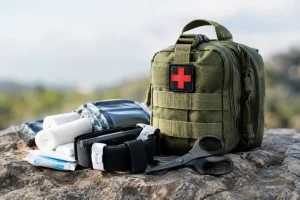

A trauma kit held up in a queue is not merely a delayed purchase. A thermal camera waiting on five approvals is not merely an administrative inconvenience. In a security emergency, nonprofit speed versus bureaucracy can shape what reaches a defender, a family, or a treatment provider before the next critical moment arrives.
For supporters of Israel, urgency is not a marketing message. It is a practical responsibility. The question is not whether accountability matters. It does. The question is whether a nonprofit has built the operational discipline to stay accountable while moving at the speed a crisis demands.
Why Nonprofit Speed Versus Bureaucracy Matters
Bureaucracy begins with reasonable intentions. Donors deserve stewardship. Equipment must be vetted. Partners must be credible. Funds must be tracked. No serious organization should skip those obligations.
But systems designed to prevent every possible mistake can create a different risk: paralysis. When frontline needs change by the hour, a process that takes weeks may protect a spreadsheet while failing the people the spreadsheet was meant to serve.
That is the central tension. The right model is not reckless speed or slow institutional caution. It is prepared, disciplined action. It is knowing who can validate a need, which vendors have already been screened, how funds can be deployed, and how delivery can be confirmed without building a new process after the emergency has already started.
In practical terms, speed can mean moving an Individual First Aid Kit toward the person who may need it. It can mean getting ballistic eyewear, drones, thermal cameras, or surveillance capabilities into the hands of trusted operational partners. It can also mean fast access to trauma support, telehealth psychiatric care, and resiliency services for civilians and defenders carrying the invisible weight of conflict.
The need is not abstract. Delays have consequences, even when they are well-intentioned.
Speed Is Built Before the Emergency
Organizations do not become agile because a crisis forces them to be. They become agile by doing the unglamorous work before the crisis: building trusted relationships, understanding the field, validating vendors, organizing logistics, and setting clear decision rights.
A rapid-response nonprofit needs a tight operating rhythm. First, it defines the need with people close enough to the situation to understand what is urgent and what is merely desirable. Then it sources a vetted solution, rather than searching from zero under pressure. Finally, it delivers through partners who can receive, distribute, and confirm the impact.
That define, source, deliver discipline is more than a slogan. It protects both speed and donor trust. If a request cannot be verified, it should not be funded simply because it is emotionally compelling. If equipment cannot be delivered responsibly, purchasing it may create the appearance of action without the reality of impact.
Preparedness also prevents the common failure of sending what donors recognize instead of what the field needs. A warehouse full of generic supplies may look impressive. A specific piece of protective equipment, sourced after a verified request and placed where it can be used immediately, may save more lives.
The Bureaucracy That Protects and the Bureaucracy That Delays
Not all bureaucracy is the enemy. Financial controls, procurement records, partner due diligence, delivery documentation, and post-action reporting are signs of respect for every dollar entrusted to a mission. Donors should expect them.
The problem appears when controls are repetitive, detached from real risk, or controlled by people too far from the mission to judge urgency. Requiring three teams to approve a previously vetted item from a previously vetted vendor is not necessarily accountability. It may be an institutional habit that consumes time without improving the decision.
The test is simple: does this step materially reduce risk, improve the outcome, or protect the people being served? If the answer is no, it deserves to be challenged.
There is also no single timeline that fits every need. A large infrastructure project should receive deliberate review. A new medical partnership should be assessed carefully. But replacing urgently needed protective gear, funding a verified trauma-care gap, or responding to an immediate field request requires a different decision lane.
High-performing nonprofits separate these lanes before pressure arrives. They establish spending thresholds, preapprove categories of essential aid, and designate accountable leaders who can act. Speed becomes a controlled capability, not an exception granted after a dozen emails.
What Donors Should Look For
Donors who care about Israel’s security and resilience do not have to choose between urgency and responsible stewardship. They should demand both.
Start with specificity. Does the organization explain what it is funding, who needs it, and why it matters now? Broad promises about supporting a cause can stir emotion, but concrete needs create accountability. Protective gear, medical response, surveillance technology, and trauma treatment are not interchangeable categories. Each calls for different partners, timelines, and measures of success.
Next, look for operational proximity. A nonprofit does not need to do every task itself, but it should have trusted working relationships with the agencies, local organizations, health providers, and vendors that can turn funding into real-world support. Distance from the field often becomes delay in the field.
Then ask how outcomes are verified. A credible organization can communicate more than dollars raised. It can show that an identified need was met, equipment was delivered, a program was funded, or care became accessible. Privacy and security may limit what can be publicly shared, especially during active conflict, but confidentiality is not an excuse for vagueness.
Finally, pay attention to overhead in context. Low overhead matters when it reflects smart operations. Yet the lowest administrative number is not automatically the highest impact. A nonprofit that invests appropriately in logistics, verification, and secure delivery may move aid more effectively than one that cuts every operational function and leaves execution to chance.
The Cost of Waiting Is Human
It is easy to discuss nonprofit operations in the language of workflows, approvals, and budgets. But behind every operational decision is a person facing danger, loss, or trauma.
A defender may need better visibility at night. A community may need surveillance support after a threat changes. A civilian living with the aftermath of violence may need psychiatric care before trauma hardens into isolation. In those moments, “we are reviewing the request” is not a neutral statement. It is time passing.
This does not mean every request should be approved. Strong leadership says no when a need is unverified, a product is unsuitable, or a partner cannot deliver responsibly. The discipline is in reaching that answer quickly and clearly, then redirecting resources toward what will work.
Israel Friends operates from that conviction: mission-critical aid should not be trapped in institutional delay when trusted partners identify an urgent, verifiable need. The work requires compassion, but it also requires the mindset of an operator: assess the situation, make the call, move the resource, confirm the result.
Action Is a Donor Standard
Giving is not passive when it is directed toward an organization built for execution. Every donor, volunteer, ambassador, and campaign partner can raise the standard by asking better questions before contributing.
Ask what need is being addressed. Ask how the solution was selected. Ask who receives it and how delivery is confirmed. Ask whether trauma care is available quickly enough to help people when they are ready to seek it. These are not cynical questions. They are the questions of someone determined to make their support count.
There will always be trade-offs. Rapid procurement may cost more than a bulk order scheduled months ahead. Security conditions may prevent detailed public reporting. The urgent need on Tuesday may change by Thursday. That is exactly why capable leadership, trusted field relationships, and prebuilt systems matter.
When lives and recovery are on the line, donors should not reward motion that looks impressive from a distance. Support the teams that can identify a real need, put the right solution in motion, and remain accountable for where it lands. The most meaningful question is not how long a process looks on paper. It is whether help arrives in time to matter.