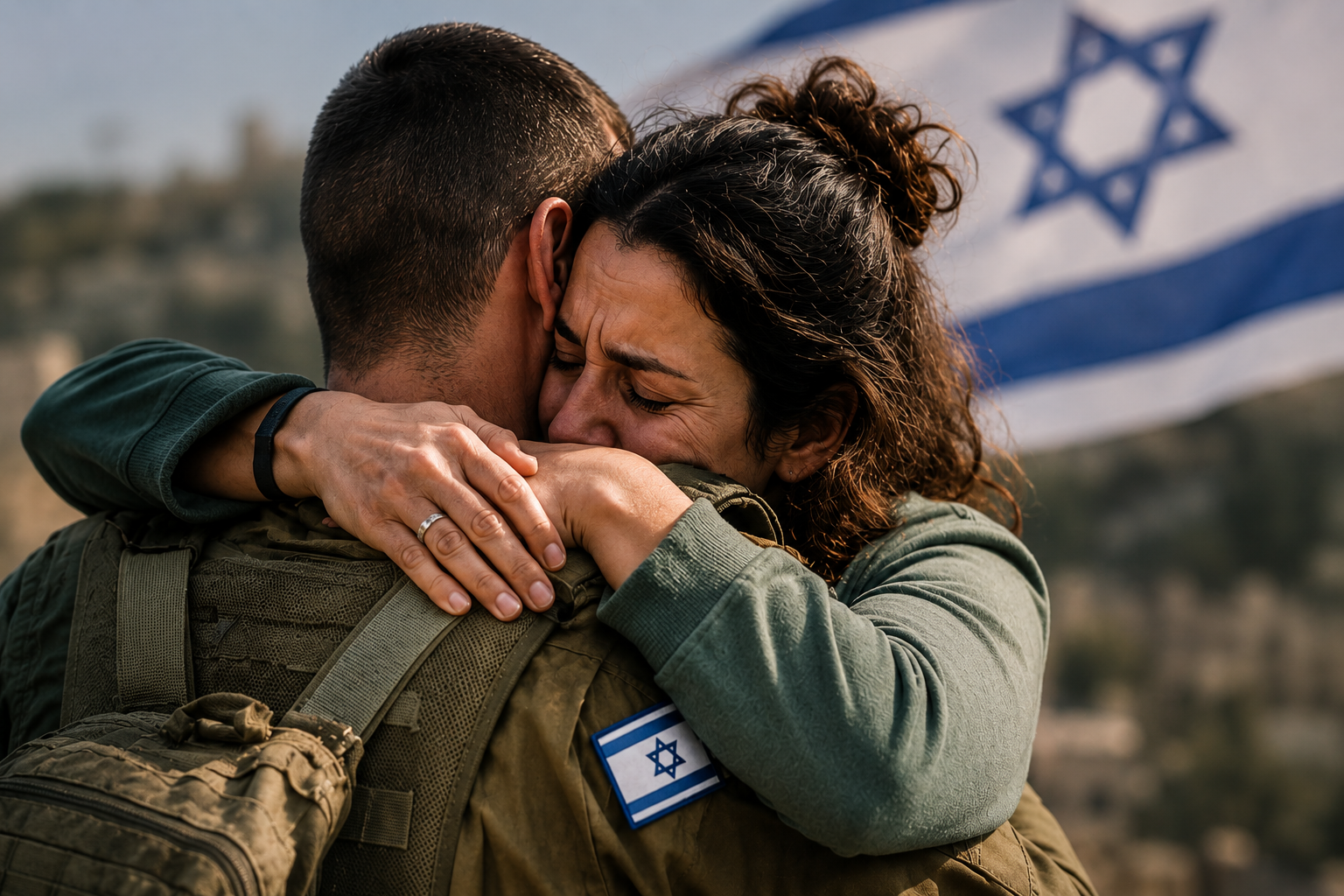
A community under threat cannot afford security plans that look good in a binder but fail after dark, during a communications outage, or in the first minutes of a medical emergency. The best security innovations communities can field are not defined by flashy equipment. They are defined by whether they help protect a family, guide a responder, identify a threat, or keep a traumatized survivor connected to care when seconds matter.
For communities in Israel and supporters committed to their safety, the question is not whether innovation matters. It is whether critical tools can be identified, vetted, delivered, and put to work before a preventable loss occurs. Security is not one product. It is a disciplined system of visibility, communication, medical readiness, and human resilience.
Best Security Innovations Communities Need Most
The strongest community protection plans begin with a clear operating reality: threats move quickly, resources are finite, and first responders may be dealing with multiple incidents at once. Technology should reduce uncertainty and give trained people more time to make the right decision.
That means prioritizing solutions that serve a real operational purpose. A thermal camera that helps a security team monitor a dark perimeter has a purpose. A drone that can quickly assess a blocked route or suspicious movement has a purpose. An individual first aid kit that enables immediate bleeding control before an ambulance arrives has a purpose.
The right innovation is not always the most expensive one. A small community may gain more from reliable radios, properly placed lighting, trauma kits, and trained volunteers than from a sophisticated system it cannot maintain. A larger municipality with professional command staff may need integrated surveillance, remote monitoring, and backup power. The standard should be practical impact, not prestige.
Visibility Before a Threat Reaches the Gate
Early detection gives communities options. It can give a security coordinator time to alert residents, direct a patrol, close an access point, or notify authorities with usable information. That is why layered surveillance remains one of the most effective investments a community can make.
Thermal cameras are especially valuable where darkness, terrain, smoke, or limited visibility make conventional cameras unreliable. They detect heat signatures rather than depending solely on visible light. Used responsibly by trained personnel, they can help teams identify unusual movement along a perimeter without placing volunteers unnecessarily close to danger.
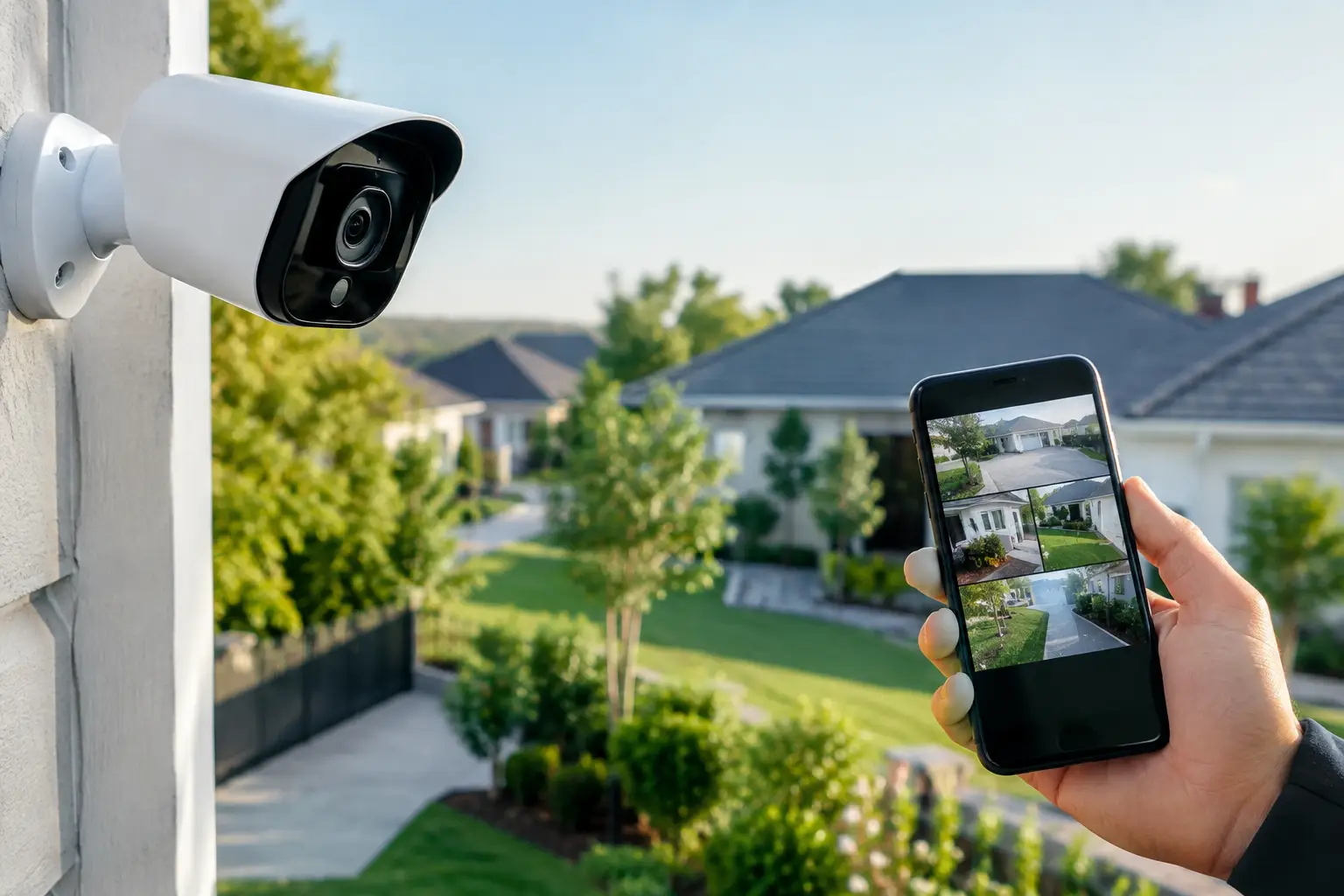
Fixed cameras, motion sensors, and monitored access points add another layer. Their value increases when they are mapped into a clear response protocol. A camera feed alone does not protect anyone. Someone must know who receives the alert, how it is verified, which agency is contacted, and what residents should do.
Drones can extend that visibility quickly. They can assess an area after an alert, inspect difficult terrain, support search efforts, and provide situational awareness when roads are unsafe or crowded. But drones are not a substitute for trained security professionals or coordination with authorized agencies. They require rules for flight, maintenance, data handling, and escalation. Used without discipline, they create noise. Used well, they help responders see sooner and decide faster.
Communications That Hold Under Pressure
A security system breaks down when information remains trapped with one person or one device. Community leaders need redundant communication paths that continue working when cellular networks are overloaded, power is interrupted, or a team member is unavailable.
Two-way radios, designated emergency channels, backup batteries, satellite-capable communication options, and tested call trees can make a decisive difference. The technology matters, but the operating routine matters just as much. Teams should know who is authorized to issue alerts, what language will be used, where families receive official instructions, and how misinformation will be corrected.
Communication must also be designed for civilians, not only security teams. Residents need short, direct instructions that can be understood under stress: where to shelter, which entrances to avoid, how to report urgent information, and when not to move. Long messages create confusion. Clear instructions preserve life.
Medical Readiness Is a Security Innovation
A community becomes more secure when more people can survive the interval between injury and professional medical care. This is where trauma readiness moves from a charitable extra to a life-saving priority.
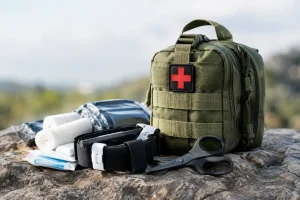
Individual first aid kits, bleeding-control supplies, tourniquets, emergency dressings, and clearly marked medical stations put critical tools within reach. The equipment must be genuine, current, accessible, and matched with training. An IFAK stored in an office cabinet is not readiness. A kit carried by trained personnel, checked routinely, and used within an established medical response plan is.
Communities should also consider where kits are placed. Schools, synagogues, community centers, agricultural areas, vehicles, security posts, and public gathering spaces all present different response realities. Distribution should follow risk, distance from medical services, and the number of people likely to be present.
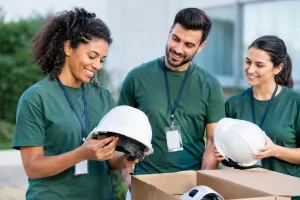
The same principle applies to ballistic protective equipment. Ballistic eyewear, helmets, and other protective gear can reduce preventable injury for those working in exposed environments. Yet equipment must fit the mission and the user. Buying gear without training, sizing, replacement schedules, or an understanding of its limitations is not preparedness. It is inventory.
Trauma Care Cannot Wait for the Crisis to End
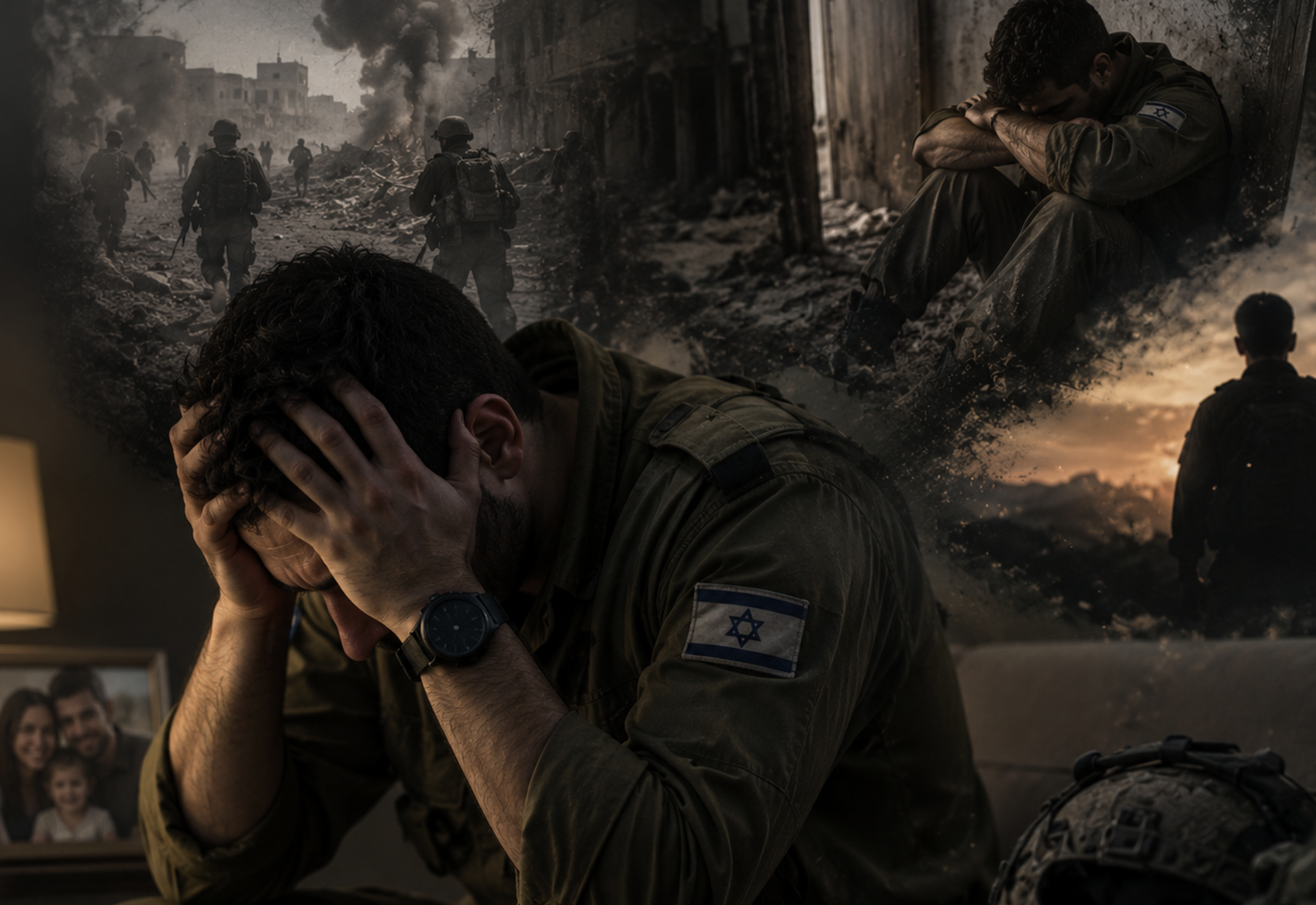
Security is often discussed in terms of barriers, cameras, and patrols. But a community remains vulnerable when survivors, families, and defenders are left to absorb trauma alone. The psychological effects of violence do not disappear when an incident ends. They can affect sleep, decision-making, family stability, work, and a responder’s ability to return to duty.
Fast-access PTSD treatment and telehealth psychiatric support give people a path to care when travel, stigma, cost, or local capacity might otherwise delay it. The need is not abstract. A parent who cannot sleep after an attack, a teenager struggling with fear, or a first responder carrying repeated exposure to trauma needs more than encouragement. They need qualified care available quickly.
This is also an operational issue. Resilient people make stronger communities. Trauma-informed support helps preserve the human capacity behind every security plan.
How Communities Should Choose What to Fund
The best decisions start with an honest assessment rather than a shopping list. Leaders should identify the most likely threats, the weakest points in current readiness, the distance to emergency support, and the equipment or care gaps that create the greatest risk.
Then they should ask four direct questions:
- Does this solve a documented, urgent need?
- Can trained people operate and maintain it?
- Does it fit into a clear response protocol?
- Can its impact be measured after delivery?
This approach protects donor dollars from being spread too thinly across disconnected projects. It also avoids a common mistake: treating technology as a replacement for preparation. A thermal camera without monitoring, a drone without trained operators, or a trauma kit without medical training will not deliver its full value.
Accountability belongs at every stage. Vetted sourcing matters. Direct delivery matters. So does confirmation that equipment reached the intended community, works as planned, and is supporting a defined protective mission. Speed is essential, but speed without verification is not impact.
Action Is the Difference
Security innovation is not about chasing the newest device. It is about putting the right capability in the hands of people protecting real lives. It means helping a local team see what it could not see before, communicate when networks are strained, treat injuries without delay, and support survivors long after the immediate danger has passed.
That is the standard Israel Friends brings to urgent needs: define the gap, source vetted solutions, and deliver support where it can protect civilians and defenders now. For donors, volunteers, and community advocates, the most meaningful contribution is one tied to a visible outcome – a protected perimeter, a prepared responder, a stocked medical kit, or a survivor connected to care. When lives are on the line, waiting is not a strategy. Prepared action is.