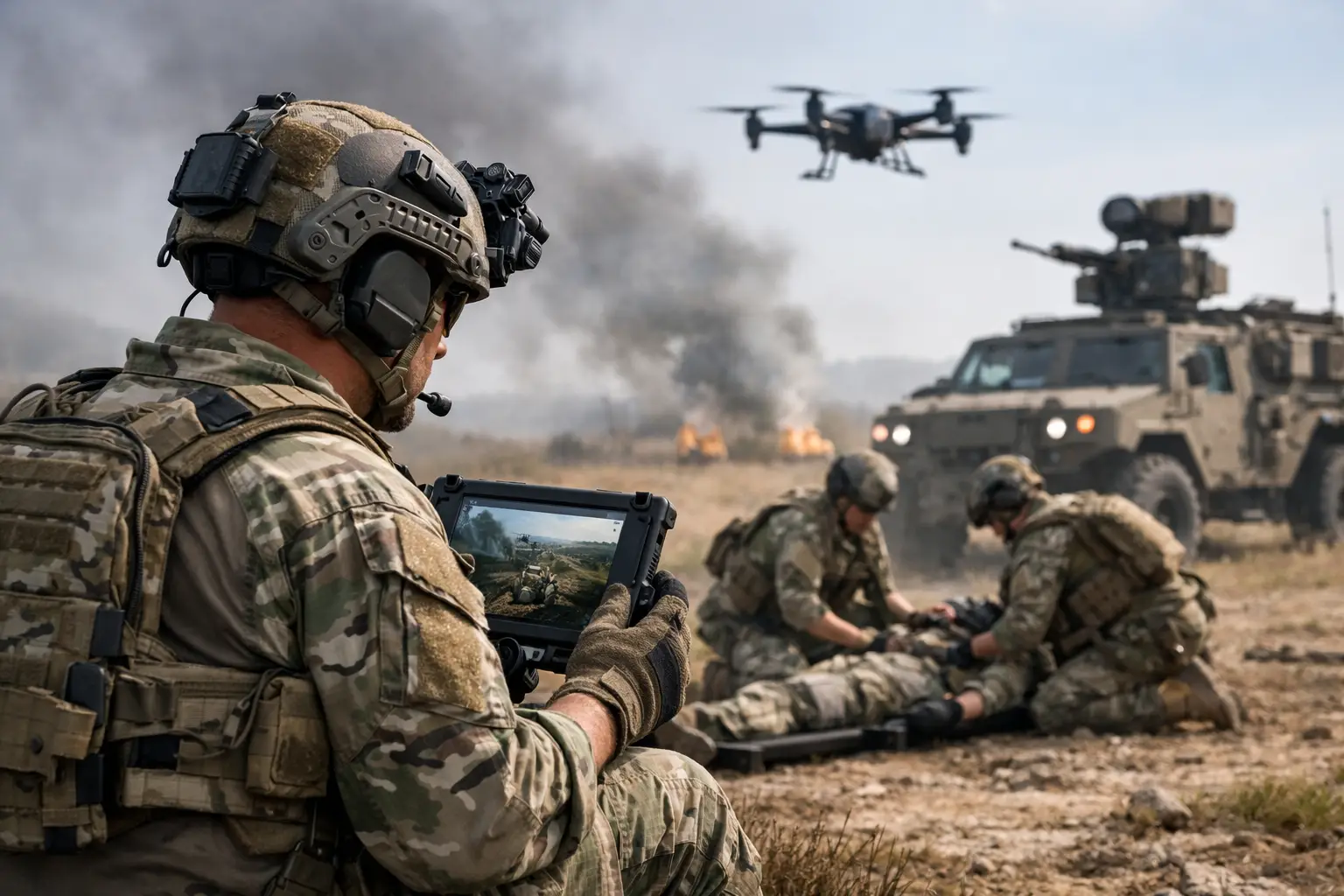
A medic reaches a wounded defender minutes sooner because a properly stocked IFAK is already within reach. A team identifies a threat after dark because a thermal camera sees what the human eye cannot. A civilian begins trauma treatment before fear hardens into isolation. These are not abstract wins. They are the life-saving results that battlefield innovation is built to deliver.
For Israel, innovation is not a luxury reserved for the future. It is a readiness requirement. The distance between a recognized need and a delivered solution can determine whether a family is protected, whether a responder can act, and whether a survivor receives care when it matters most.
Battlefield Innovation Starts With the Real Need
The most meaningful innovation does not begin with a flashy device or a fundraising slogan. It begins with a clear question: What is putting people at risk right now, and what can reduce that risk quickly?
On a battlefield or in a threatened community, the answer may be immediate medical equipment, improved night visibility, reliable surveillance, protective eyewear, or a drone that helps teams assess dangerous terrain before entering it. In the days and weeks after an attack, the need may shift to psychiatric care, trauma counseling, and telehealth access for people whose injuries cannot be seen from the outside.
That is why speed alone is not enough. A rushed response that sends the wrong equipment wastes time and resources. Effective action requires direct communication with those closest to the need, trusted sourcing, practical verification, and delivery that does not get trapped in bureaucracy.
The strongest model is simple: define the need, source the right solution, and deliver it where it can make a measurable difference. It sounds straightforward because it should be. In a crisis, complexity is not a virtue.
The Tools Matter, but the System Matters More
A thermal camera is valuable. A drone can provide critical situational awareness. An IFAK can give a responder the supplies needed to stop bleeding and stabilize a casualty. Yet equipment by itself does not create readiness.
The real force multiplier is the system behind it: identifying gaps before they become failures, matching equipment to the environment, getting tools into trained hands, maintaining them, and adapting as threats change. Innovation is not one delivery. It is a disciplined cycle of learning, responding, and improving.
Consider protective technology. A product may be highly capable on paper but useless if it is too difficult to carry, poorly suited to field conditions, or delayed by procurement processes that do not reflect urgency. The best solution is often not the most expensive or the most advanced. It is the one that can be trusted, deployed, and used effectively at the moment of need.
This is where donors can see the difference between general support and direct impact. A contribution tied to specific capabilities creates a clearer line from generosity to outcome. It can help place medical kits with defenders, strengthen observation capacity, support protective gear, or expand access to trauma care for civilians and responders.
Innovation Must Protect the Whole Person
Security and trauma recovery are often discussed as separate missions. They are not. A community cannot be fully secure if survivors are left without care, and a defender cannot sustain readiness if trauma is ignored.
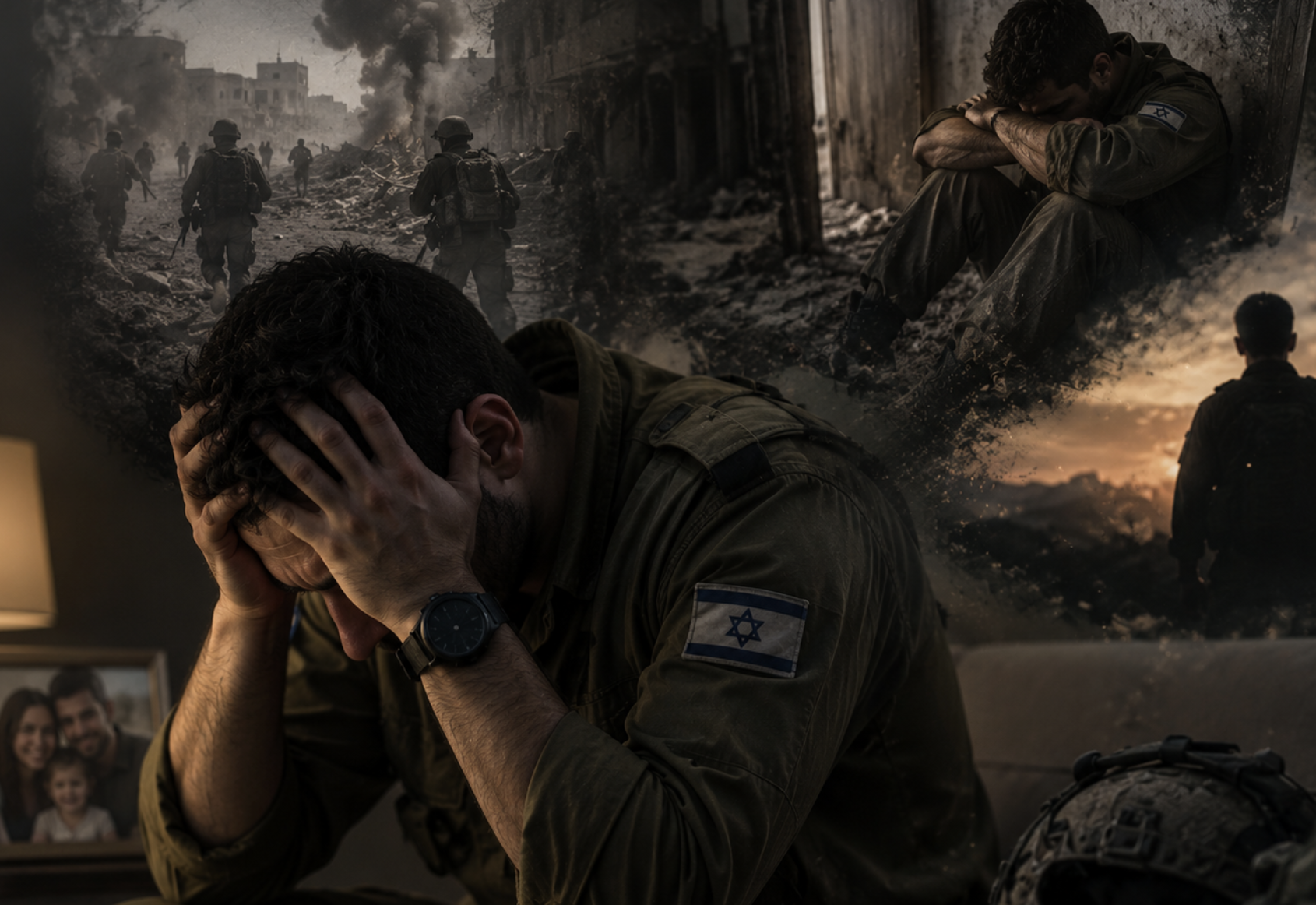
Battlefield injuries can be visible and immediate. The psychological toll may arrive later, when adrenaline fades and the reality of loss, fear, and repeated exposure takes hold. Fast-access PTSD treatment and telehealth psychiatric care are not secondary services. They are part of the protection system.
The trade-off is real. Emergency equipment creates an obvious, tangible result. Mental health care can be harder to photograph, package, or explain in a single sentence. But its impact is no less urgent. Early access to qualified treatment can help prevent acute trauma from becoming a long-term crisis for individuals, families, and entire communities.
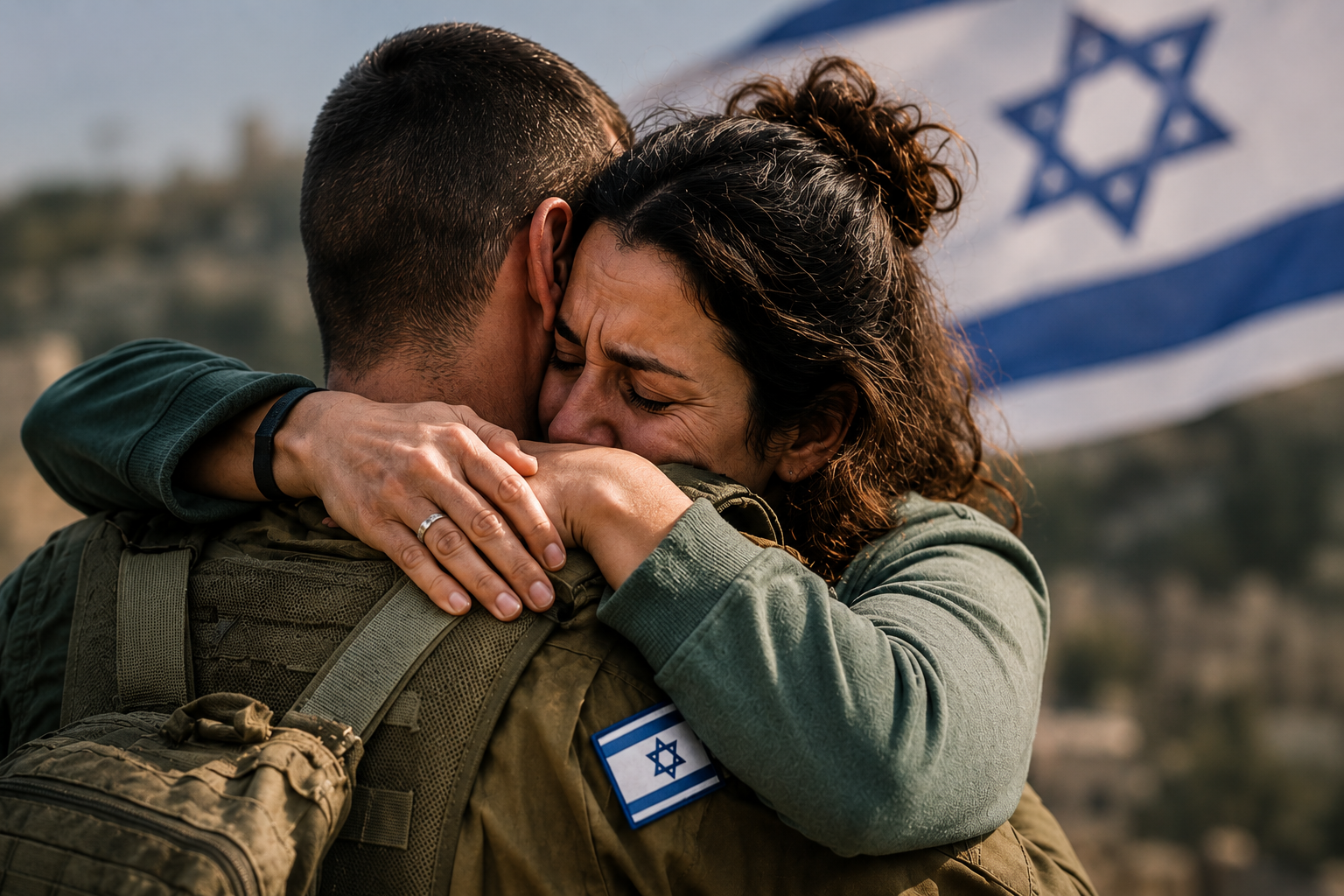
A serious response funds both. It protects the defender on duty and supports the civilian trying to sleep after a night of sirens. It equips the medic at the scene and helps the survivor rebuild after the scene is over.
Why Agility Beats Bureaucracy in a Crisis
Traditional aid systems can do important work, especially when long-term infrastructure and broad coordination are required. But emergencies expose their limits. Approval chains, rigid purchasing rules, and distant decision-making can turn an urgent request into a delayed response.
That does not mean abandoning accountability. It means building accountability into a faster process. Verify the need. Vet the vendor. Track the delivery. Confirm the outcome. Move with urgency while maintaining discipline.
This approach requires entrepreneurial leadership. Teams must be willing to make decisions with incomplete information while staying grounded in facts from trusted partners on the ground. They must recognize when a need is immediate, when it is evolving, and when a solution must be adjusted rather than repeated out of habit.
Israel Friends operates with this action-first mindset: working to identify urgent gaps, source mission-critical solutions, and move aid directly to defenders and civilians. The purpose is not to add another layer between donors and the people they want to protect. The purpose is to shorten the distance between concern and action.
What Responsible Battlefield Innovation Looks Like
Not every new technology belongs in a high-stakes environment. Innovation must be tested against practical questions: Does it improve safety? Can it be used reliably under pressure? Is it appropriate for the people and conditions it is meant to serve? Does it create a meaningful advantage without introducing avoidable risk?
Responsible innovation also respects the fact that technology has limits. A drone can improve awareness, but it cannot replace sound judgment. A surveillance system can expand coverage, but it still requires trained people to interpret information and respond appropriately. Medical gear can save lives, but it works best when paired with training and organized care.
The goal is not technology for technology’s sake. The goal is greater protection with fewer delays, fewer blind spots, and more options when lives are on the line.
That principle applies beyond the battlefield. Communities near threatened areas need tools that strengthen preparedness. Families need confidence that responders have what they need. Health providers need capacity to reach patients quickly. Every improvement that reduces response time or expands access to care adds resilience where it is needed most.
The Donor’s Role Is More Operational Than It May Seem
A donor is not standing on the sidelines of this work. Every targeted gift can become part of the response chain. It can help replace an equipment shortage, fund a trauma-care session, support a protective technology deployment, or allow an urgent request to be filled without waiting for a slower funding cycle.
The most effective philanthropy asks for evidence of action. What was needed? What was provided? Who received it? What capability did it strengthen? These are fair questions, and mission-driven organizations should be prepared to answer them clearly.
Supporters should also understand that the need will not always look the same. One period may demand large-scale medical supplies. Another may require thermal systems, surveillance support, or mental health funding. Flexibility is not a lack of focus. It is what allows a response organization to meet the next urgent need rather than yesterday’s need.
Action Is the Advantage
Israel’s defenders and civilians face threats that do not wait for committee meetings. Their protection depends on preparedness, trusted partnerships, and the willingness to act decisively when a gap is identified.
Battlefield innovation is ultimately about turning urgency into capability. It is about putting the right medical kit in the right hands, extending visibility into dangerous conditions, strengthening resilience after trauma, and refusing to accept preventable delays as normal.
The next urgent need will not announce itself on a convenient schedule. The work is to be ready before it arrives – with clear eyes, disciplined execution, and the resolve to protect lives when action matters most.