
A donation matters most when it reaches the point of need before a threat becomes a tragedy. The strongest examples of donor funded impact are not vague promises or distant line items. They are the IFAK kit within reach after an injury, the thermal camera that identifies danger at night, and the trauma appointment that helps a survivor take the next step forward.
For Israel’s defenders and civilians, urgency is not a fundraising theme. It is an operating condition. Needs shift fast. Equipment is depleted, threats evolve, and families living under pressure cannot wait for a slow approval process. Donor-funded work must be built for that reality: define the need, source a vetted solution, and deliver it where it can protect life.
What Donor-Funded Impact Looks Like on the Ground
Impact is often discussed in broad terms: resilience, security, recovery. Those outcomes matter, but donors deserve to understand the practical chain behind them. A contribution becomes impact when it funds a clear intervention, reaches the intended recipient, and improves readiness, response capacity, or recovery.
That does not mean every need can be reduced to a simple number. A single piece of protective equipment may prevent an injury that never appears in a report. A timely mental health session can help someone remain present for their family, unit, or community. The work is measurable, but it also carries human value that cannot always fit neatly into a spreadsheet.
1. Individual First Aid Kits Put Immediate Care Within Reach
An Individual First Aid Kit, or IFAK, is a compact but critical resource for treating severe injuries before advanced medical care is available. In a high-risk environment, minutes matter. A properly equipped kit can provide supplies needed to control bleeding, address trauma, and stabilize an injured person during the first moments of an emergency.
For a donor, the impact is direct: funding helps put life-saving medical tools into the hands of people who may need to act before a medic or ambulance arrives. The value is not just the contents of the kit. It is the readiness it creates. A defender, volunteer responder, or community member with the right equipment is better positioned to help when the situation gives no time for hesitation.
2. Ballistic Eyewear Helps Protect Vision and Readiness
Vision is essential to situational awareness, mobility, and survival. Ballistic eyewear is designed to help protect eyes from debris, shrapnel, dust, and other hazards that can turn a mission or emergency response into a disabling injury.
This is one of the clearest examples of donor funded impact because the need is tangible and the consequence of a gap is immediate. Protective eyewear may look like a small item beside larger systems, but frontline readiness is built from many essential pieces. When a defender has gear that meets the moment, donors have helped reduce risk before injury occurs.
There is a practical trade-off here. The lowest-cost option is not always the right one. Protective equipment must be appropriate for the environment, durable enough for real use, and sourced through trusted channels. Responsible aid prioritizes fit-for-purpose solutions over symbolic purchases.
3. Drones Extend the Reach of Emergency Response
Drones can provide a rapid aerial view of terrain, damaged areas, routes, and emerging threats. That perspective can help teams assess conditions without sending people blindly into danger. In a crisis, better information can mean faster decisions and fewer unnecessary risks.
Donor support for drone capability is not simply funding a device. It can support reconnaissance, coordination, and a clearer picture of what is happening on the ground. Aerial visibility may help identify access routes, locate areas requiring attention, or give responders critical context before they deploy.
Technology is only impactful when it is matched to a defined operational need. The right question is not, “What is the newest tool?” It is, “What will help trusted teams see, decide, and act more effectively right now?” That discipline keeps donor dollars focused on capability, not novelty.
4. Thermal Cameras Help Teams See What Darkness Hides
Nighttime and low-visibility conditions create serious challenges for security and emergency operations. Thermal cameras detect heat signatures, helping trained users identify movement and potential risks when conventional visibility is limited.
Funding thermal imaging can strengthen early detection and improve decision-making in environments where uncertainty is dangerous. For communities near high-risk areas and for teams working under difficult conditions, that added awareness can provide valuable time to respond, reposition, or protect others.
The impact is preventative. Donors are supporting tools that can help teams recognize a developing threat rather than react after it has already caused harm. Prevention rarely produces dramatic headlines. It still saves lives.
5. Surveillance Systems Strengthen Community Protection
A community facing persistent threats needs more than courage. It needs awareness, communication, and a reliable ability to monitor vulnerable areas. Surveillance systems can support those goals by helping authorized teams observe key locations, coordinate responses, and document what is happening in real time.
When donor funds support cameras, monitoring equipment, or related protective infrastructure, the result can be a stronger local security posture. The benefit is not limited to a single individual. It can support families, responders, and entire communities that need to make faster decisions under pressure.
This work demands accountability. Technology should be evaluated for its real-world usefulness, installed with the right partners, and maintained so it remains operational when needed. Equipment sitting unused is not impact. Equipment integrated into an active protection plan is.
6. Fast-Access PTSD Care Supports Recovery Before Trauma Deepens
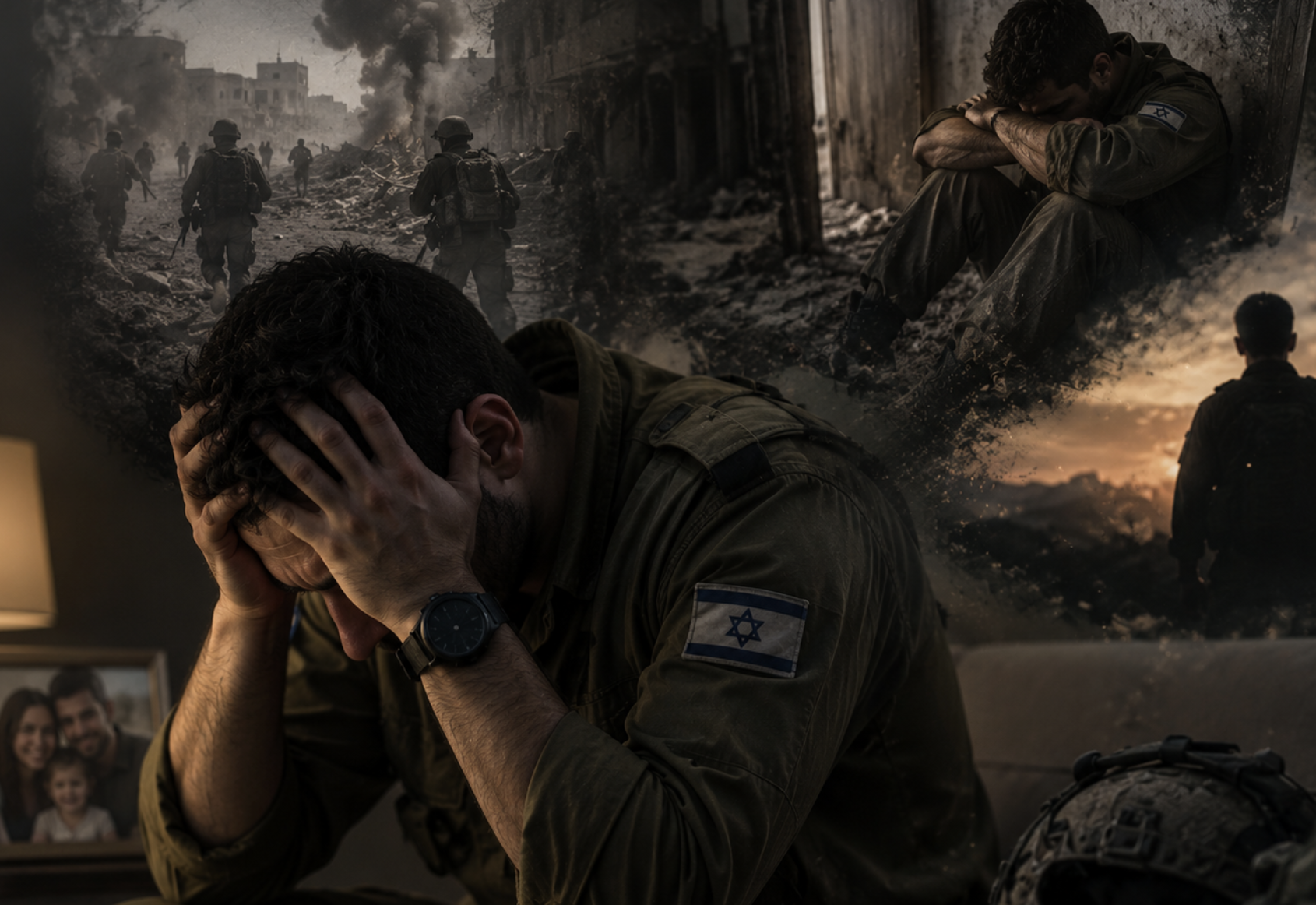
Not every wound is visible. Defenders, survivors, displaced families, and witnesses to violence may carry the effects of trauma long after an emergency has passed. Delays in care can allow symptoms to intensify, affecting sleep, relationships, work, judgment, and the ability to function day to day.
Donor-funded PTSD treatment helps make professional support available faster through trusted health agencies and resiliency centers. This can include trauma-informed counseling, psychiatric care, and treatment pathways designed for people who need help without being lost in a long waitlist.
The impact of mental health care is personal, but it reaches outward. When someone receives timely support, they may be better able to care for children, return to work, serve their community, and rebuild a sense of stability. Donors are not funding a vague promise of wellness. They are helping shorten the distance between trauma and qualified care.
7. Telehealth Psychiatric Care Reaches People Who Cannot Easily Travel
For people living with trauma, logistics can become another barrier to treatment. Distance, security conditions, mobility limitations, family responsibilities, and stigma can all make in-person care harder to access. Telehealth can help close that gap by connecting eligible patients with professional psychiatric support from a safer or more practical location.
This is especially valuable when speed matters. A person who needs an evaluation, medication support, or ongoing clinical care should not have to wait for ideal circumstances to begin treatment. Donor support can help expand access to care that meets people where they are.
Telehealth is not the answer to every clinical need. Some situations require in-person treatment or emergency intervention. But as part of a broader trauma-care system, it can reduce friction and provide a vital bridge to support.
Why Visible Impact Requires Operational Speed
The difference between charitable intent and life-saving impact is execution. Needs must be verified. Vendors must be vetted. Equipment must be appropriate. Delivery must be coordinated with credible partners who understand conditions on the ground. Then the organization must remain accountable for whether the intervention is reaching the people it was meant to serve.
That is why speed should never mean carelessness. It means removing unnecessary delay while maintaining discipline. It means acting before bureaucracy becomes the obstacle. It means treating every donated dollar as a mandate to produce a result, not simply to process a transaction.
At Israel Friends, this approach is rooted in direct action: identify urgent needs, source mission-critical solutions, and deliver support that helps protect civilians and defenders while advancing trauma recovery. Donors are part of that operating model. Their support helps turn concern into equipment, access, readiness, and care.
The Question Every Donor Should Ask
Before giving, ask what your support is designed to change. Is it helping a defender respond to an injury? Increasing a community’s ability to detect risk? Giving a trauma survivor faster access to qualified care? Can the organization explain the need, the solution, and the path from funding to delivery?
Those questions do not diminish compassion. They give it direction. The most meaningful giving pairs moral clarity with operational clarity, especially when lives are on the line.
The next urgent need will not wait for perfect conditions. Support that is ready to move can help ensure a civilian, defender, or family is not left facing that moment alone.