A threat does not announce itself on a schedule. It can emerge at a checkpoint after dark, along a community perimeter, inside a crowded public space, or in the hours after an attack when trauma begins to take hold. That is why security technology trends matter far beyond the devices themselves. The real measure is whether a tool gives defenders and civilians more time to see, decide, move, treat, and survive.
For Israel and communities facing sustained security pressure, technology must work under real conditions: heat, darkness, noise, interrupted communications, exhausted teams, and rapidly changing threats. A product demo is not a deployment. The technologies that matter most are the ones that turn verified information into faster protective action without adding complexity to the people on the ground.
Security Technology Trends Are Moving Toward Faster Decisions
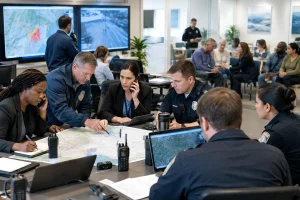
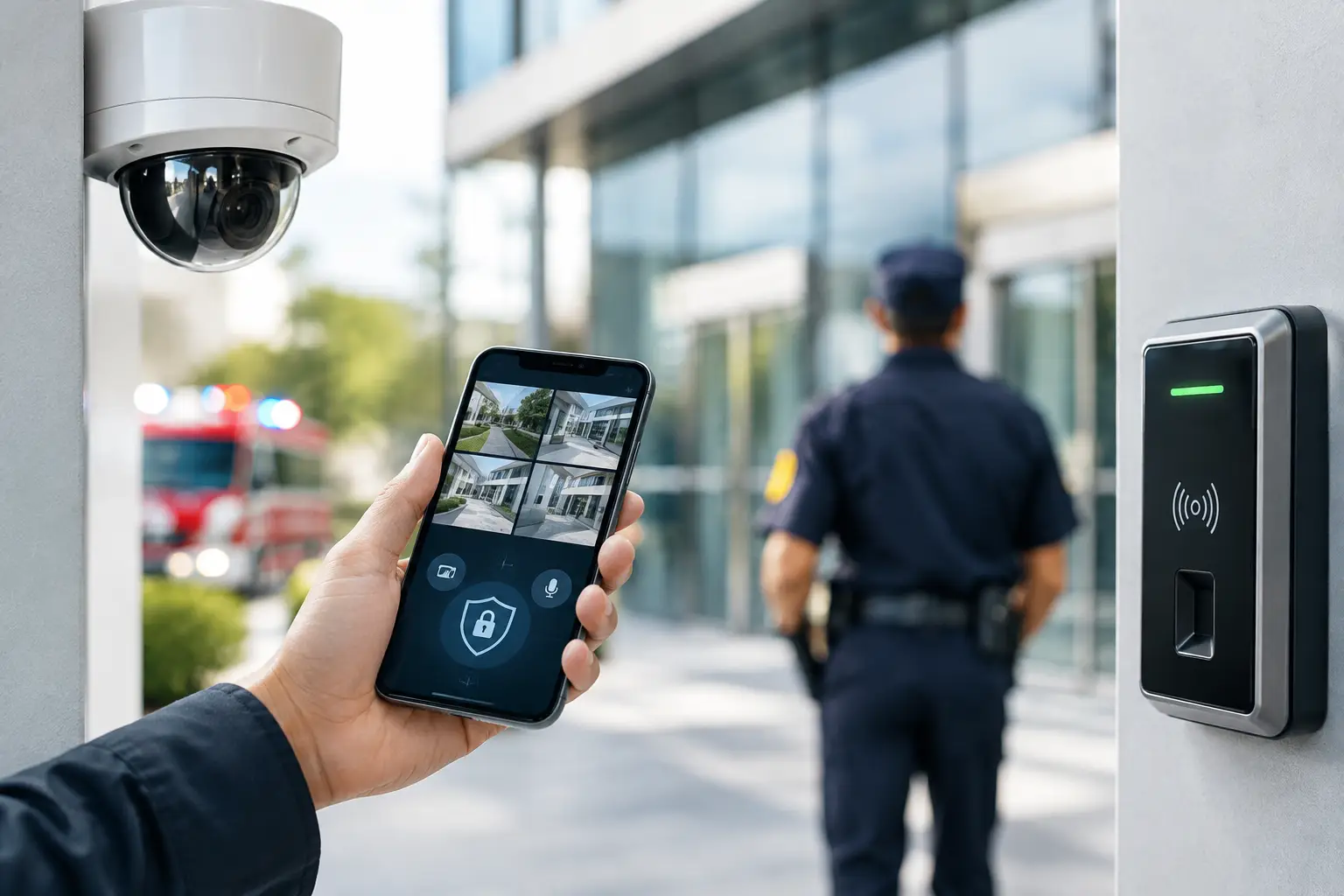
The most consequential shift is not one breakthrough device. It is the growing ability to connect detection, communication, and response. Cameras, drones, thermal sensors, access controls, mapping platforms, and emergency communications once operated in separate lanes. Increasingly, they are being used as part of a single operational picture.
That picture matters because seconds are operational currency. A thermal camera may identify movement where the human eye cannot. A drone can provide a vantage point without sending a person into immediate danger. A surveillance system can help establish whether an alert is a real threat, an animal, or a false signal. When the right information reaches the right person quickly, teams can respond with discipline rather than guesswork.
But integration has a trade-off. More data does not automatically create more security. A command post flooded with alerts can miss what matters. Systems must be configured around clear response protocols, trained personnel, and a realistic understanding of who will monitor them at 2:00 a.m. Technology should reduce cognitive load, not create another screen demanding attention.
Artificial Intelligence Is Becoming a Triage Tool
Artificial intelligence is changing how security teams review video, prioritize alerts, and identify unusual patterns. Instead of requiring personnel to watch every camera feed continuously, AI-assisted systems can flag movement in restricted areas, unattended objects, perimeter breaches, or behavior that falls outside normal activity.
Used responsibly, this is a force multiplier. It allows smaller teams to focus on the alerts that warrant human judgment. It can also speed up after-action review, helping leaders understand what happened and improve future readiness.
AI is not a substitute for judgment, accountability, or rules of engagement. False positives can waste critical resources. Biased or poorly trained models can produce unreliable results. And any system handling sensitive imagery or location data requires serious cybersecurity and privacy safeguards. The right question is not whether AI is impressive. It is whether it improves decisions in a specific environment without compromising the people it is meant to protect.
Drones and Thermal Imaging Extend Protective Reach
Drones have become essential security tools because they answer a basic operational need: see farther without exposing more people. A small aerial platform can scan a perimeter, assess a suspicious area, support search efforts, identify route hazards, or provide real-time situational awareness during an unfolding incident.
Their value is especially clear in low-visibility conditions. Thermal imaging detects heat signatures rather than relying on available light, making it useful at night, in smoke, through light vegetation, and across difficult terrain. For communities near vulnerable areas, thermal cameras and drone-based observation can help convert uncertainty into actionable awareness.
Still, drones are not a magic answer. Flight time, weather, terrain, interference, regulations, and trained operators all affect performance. Adversaries can also adapt through concealment, electronic interference, or their own drone capabilities. Effective programs plan for maintenance, spare batteries, secure communications, operator training, and a response process for what happens after a threat is detected.
The goal is not to own more equipment. The goal is to close the gap between detection and protection.
Cybersecurity Now Protects Physical Security
A connected camera, smart gate, sensor network, or emergency alert platform can strengthen a security posture. It can also create a new point of vulnerability if it is not secured. That is why cybersecurity is no longer separate from physical protection. It is part of it.
Attackers do not need to breach a fence if they can disable the cameras watching it. They do not need to enter a command center if they can compromise passwords, disrupt communications, access sensitive records, or feed false information into connected systems. The more essential technology becomes, the more important it is to protect the technology itself.
Practical security starts with disciplined basics: unique credentials, multi-factor authentication, timely software updates, access controls, encrypted communications, segmented networks, and regular backups. Vendors also matter. A low-cost device with weak security practices can become an expensive liability when deployed in a sensitive environment.
For nonprofit organizations, schools, local agencies, and community institutions, this can feel technical and costly. But the alternative is worse. Security planning must include a budget for secure deployment, not just initial purchase. A system that cannot be maintained is not a long-term solution.
Wearable Protection and Medical Readiness Remain Essential
Some of the most life-saving technology is not digital. Ballistic eyewear, body protection, advanced trauma kits, tourniquets, emergency bandages, and communications equipment remain central to frontline survival. Their effectiveness comes from an unglamorous truth: the best gear is the gear that is present, accessible, and used correctly under pressure.
Modern individual first aid kits, often called IFAKs, are becoming more compact, modular, and tailored to likely injuries. That matters when immediate care must begin before evacuation is possible. The same principle applies to protective eyewear and other personal equipment. Fit, comfort, durability, and ease of use are not minor details. If equipment is too heavy, difficult to reach, or unfamiliar to the user, it may fail at the exact moment it is needed.
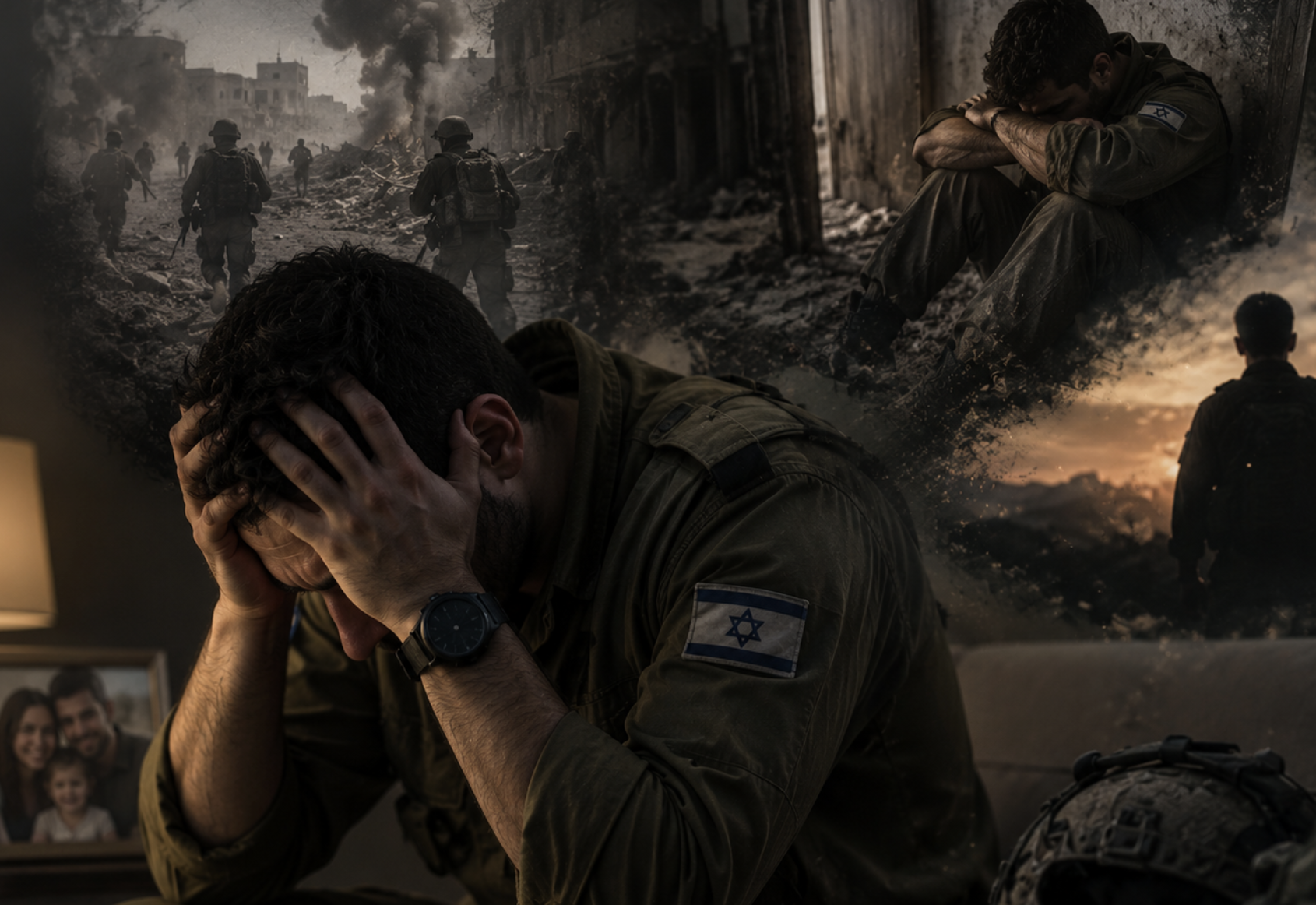
Medical technology also extends beyond the point of injury. Telehealth psychiatric care, rapid access to trauma specialists, and secure remote treatment platforms are increasingly important in communities living with repeated crisis exposure. Security is not complete when an immediate threat ends. Recovery, resilience, and treatment are part of protecting a population over time.
The Best Security Technology Is Mission-Driven
Every procurement decision should begin with a clear operational question. Is the need early detection, perimeter awareness, safer patrols, medical response, communications continuity, or trauma recovery? Defining the problem prevents organizations from buying equipment because it is new, visible, or heavily marketed.
From there, leaders should evaluate whether a solution is proven, compatible with existing systems, secure, trainable, maintainable, and appropriate for the environment. A sophisticated surveillance platform may be right for one location and excessive for another. A simple thermal camera with trained operators may deliver more immediate value than a complex system no one has time to manage.
This is where rapid-response organizations can make a meaningful difference. Israel Friends works from a direct model: identify urgent needs, source vetted solutions, and deliver equipment and care where they can have measurable protective impact. The standard is not bureaucratic activity. It is whether support reaches defenders and civilians in time to matter.
Technology Must Strengthen Human Readiness
The future of security will include smarter sensors, more capable drones, AI-assisted monitoring, connected medical tools, and stronger cyber defenses. Yet the human element remains decisive. A camera cannot establish trust among neighbors. An alert cannot replace trained leadership. A trauma kit cannot help if nobody knows how to use it.
The strongest security posture combines technology with rehearsals, clear communication, local knowledge, medical preparedness, and a culture of shared responsibility. It prepares people to act calmly before fear takes over.
When supporters invest in protective technology and trauma care, they are not funding gadgets. They are helping create time where there may otherwise be none: time to identify danger, time to get to safety, time to deliver treatment, and time for a family or community to recover. That is the standard worth acting on.